

Keeping purple martins safe and comfortable in their nesting houses is important for anyone who enjoys watching these fascinating birds. One common challenge many bird enthusiasts face is how to keep other birds out of purple martin house. Purple martins are cavity nesters and prefer to live in specialized houses, but other bird species often try to take over these spaces. This can lead to competition, disturbance, and even harm to the martins.
Understanding effective strategies to keep unwanted birds away helps protect purple martins and ensures they have a peaceful environment to raise their young. In this guide, you’ll learn practical tips and techniques to maintain your purple martin house as a safe haven exclusively for these beautiful birds. Whether you’re a beginner or an experienced bird lover, mastering how to keep other birds out of purple martin house will enhance your birdwatching experience and support the health of your purple martin colony.
Understanding Purple Martins and Their Nesting Habits
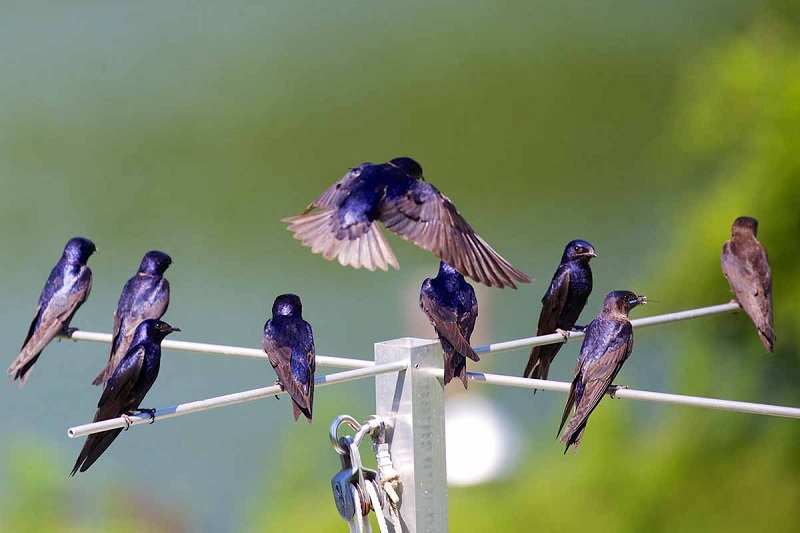
Purple martins are among the most beloved songbirds in North America, known for their graceful flight and cheerful chirping. To successfully attract and support these birds, it’s essential to understand their unique nesting habits and what makes them special.
Importance of Purple Martins
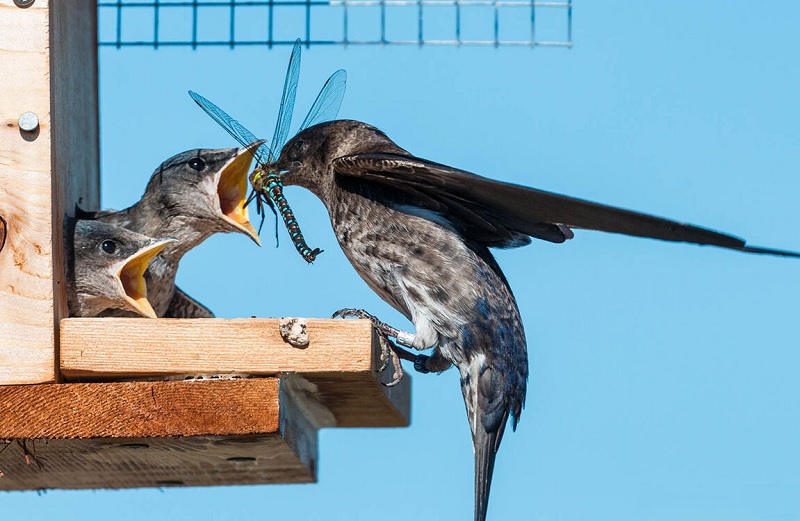
Purple martins play a valuable role in the ecosystem. As insectivores, they consume large quantities of flying insects, including mosquitoes, flies, and beetles, helping to naturally control pest populations. Their presence is beneficial to gardeners and homeowners alike, reducing the need for chemical pesticides.
Beyond their ecological role, purple martins have cultural significance. For many bird enthusiasts, watching their aerial acrobatics is a joyful summer tradition. Their arrival signals the change of seasons, and their social nature encourages birdwatching communities to come together. Protecting purple martins and understanding their habits contributes to conserving a species that has faced habitat challenges due to human development.
Preferred Nesting Environment
Purple martins are cavity nesters, meaning they prefer to raise their young in enclosed spaces like hollow trees or specially designed birdhouses. Historically, they nested primarily in natural cavities created by woodpeckers or other animals. However, as natural habitats have declined, purple martins have adapted to living almost exclusively in man-made housing provided by people.
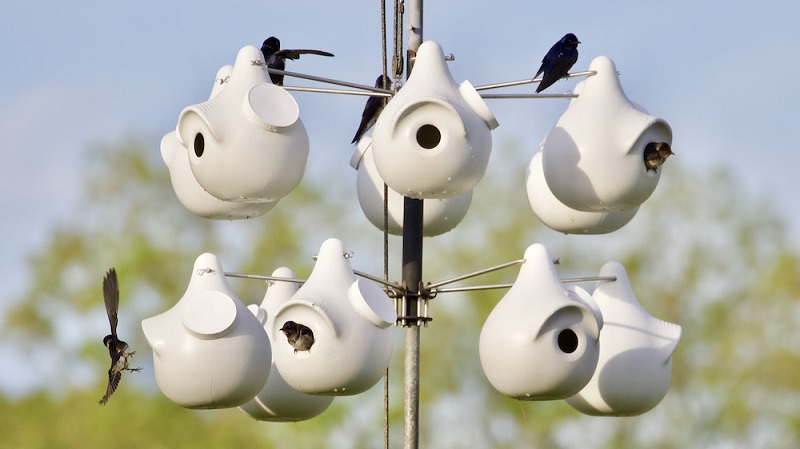
These birds favor multi-compartment houses mounted on poles in open areas, away from tall trees or dense shrubs that might harbor predators. The houses need to be elevated to about 10 to 15 feet high and placed in locations with a clear flight path for easy access. Good ventilation and drainage in the housing are also important to keep the nest environment comfortable and healthy.
Purple martins are highly social birds and prefer to nest in colonies, so a single birdhouse often contains multiple compartments. The location should be free from obstructions and provide protection from harsh weather. Understanding these specific nesting preferences helps bird enthusiasts create optimal conditions that encourage purple martins to settle and thrive.
Common Bird Species That Invade Purple Martin Houses
One of the biggest challenges purple martin enthusiasts face is dealing with other bird species that try to take over martin houses. These invasive birds compete for nesting space, often disrupting purple martins’ breeding success. Knowing which birds are most likely to invade can help you take steps to protect your purple martins and maintain a healthy colony.

Starlings
European starlings are notorious for aggressively taking over purple martin houses. These birds are cavity nesters as well and see martin houses as prime real estate. Starlings are larger and more dominant than purple martins, which gives them an advantage in competing for space. Once starlings settle in, they can aggressively chase away martins and even damage nesting compartments.
One tricky aspect of starlings is that they often start building nests early in the season, sometimes before purple martins return from migration. This early occupation makes it harder for martins to claim the house once they arrive. Because starlings are non-native invasive species, many bird enthusiasts actively work to exclude them from martin houses to protect native purple martins.
Sparrows
House sparrows are another frequent invader of purple martin houses. Like starlings, sparrows are cavity nesters and can be very territorial. They tend to build messy nests that may crowd out or even harm purple martin chicks. Sparrows also tend to stay in martin houses year-round, further limiting space for martins.
Sparrows are adaptable and often thrive in urban and suburban environments, which increases the chance they will try to nest in martin houses located near human activity. Their aggressive behavior and persistence make sparrows a significant concern for anyone managing purple martin colonies.
House Wrens
House wrens are smaller but highly determined birds that can invade purple martin houses as well. They are skilled at squeezing into tight spaces and are known for building multiple nests inside birdhouses, often destroying existing nests in the process. Wrens may tear apart purple martin eggs or nestlings if given the chance.
Unlike starlings and sparrows, house wrens tend to be less aggressive physically but make up for it by being persistent and prolific nest builders. Their nesting habits can cause stress and disruption for purple martins trying to raise their young.
Prevention Techniques to Keep Other Birds Out
Protecting your purple martin colony starts with effective prevention techniques to keep other birds from invading their nesting space. By focusing on smart house design, strategic placement, and consistent upkeep, you can create a welcoming environment for purple martins while discouraging unwanted visitors.
Choosing the Right Purple Martin House Design
The design of your purple martin house plays a crucial role in preventing invasions by starlings, sparrows, and house wrens. Houses with appropriately sized entrance holes—typically around 2 inches in diameter—allow martins easy access while keeping larger birds like starlings out. Installing predator guards or baffles around the entrance holes further limits access to non-target species.
Multi-compartment martin houses are ideal because they mimic the natural colony setup martins prefer. Ensure the compartments have smooth interiors with no rough edges or crevices that smaller birds might exploit to gain entry. Some designs include built-in sparrow traps or exclusion devices, which are effective at controlling sparrow populations without harming the martins.
Proper Placement of the House
Where you place your purple martin house is just as important as its design. Position the house in an open area, at least 10 to 15 feet above the ground, with a clear flight path free of obstructions like trees or shrubs. This open space discourages predators and invasive species from approaching unnoticed.
Avoid placing the house near feeders or birdbaths that attract sparrows and other invasive birds. Also, keep the house away from tall trees or structures that provide perching spots for starlings and wrens. A well-chosen location increases the likelihood that purple martins will claim the house first and helps reduce territorial disputes with other birds.
Regular Maintenance and Cleaning
Consistent maintenance is key to preventing other birds from taking over your purple martin house. Clean out old nesting material promptly after the breeding season to remove any leftover debris that might attract invasive species. Keeping the compartments clean and free of parasites ensures a healthy environment for returning martins.
Inspect the house regularly for signs of invasion. Remove any nests built by sparrows, starlings, or wrens as soon as you find them. Early intervention prevents these birds from establishing residency and competing with purple martins. Regularly check and repair any damage to entrance holes or predator guards to maintain effective barriers.
Installing Bird Excluders and Deterrents
Keeping unwanted birds out of your purple martin house often requires more than just good design and placement. Installing bird excluders and using deterrents can provide an extra layer of protection to safeguard your purple martins and ensure they have a peaceful nesting environment.
Types of Bird Excluders
Bird excluders are physical barriers designed to prevent invasive birds like sparrows and starlings from entering purple martin houses. One common type is the sparrow trap, a compartment within the martin house that allows sparrows to enter but not exit, helping to control their population humanely.
Other excluders include entrance hole guards that reduce the size of the openings, making them too small for larger invasive birds while still allowing martins to pass through. Some designs feature metal or plastic screens fitted over or inside entrance holes, providing a strong deterrent without harming the birds.
In addition, baffles and predator guards can be installed on poles or around the house to prevent climbing predators and discourage perching invasive species.
How to Install Bird Excluders
Installing bird excluders requires careful attention to the design of your purple martin house. Sparrow traps are often built into commercial houses or can be added as retrofit kits. Make sure to follow manufacturer instructions to position these traps correctly, ensuring sparrows can enter but cannot escape.
Entrance hole guards should be securely attached around each hole, without sharp edges that could injure birds. It’s important to install these before the martins arrive in spring, as retrofitting later can disturb nesting birds.
When placing baffles or predator guards, mount them firmly on poles or under the house roof. Position these so they block potential access points for squirrels, raccoons, or invasive birds that perch and spy for entry.
Using Visual and Sound Deterrents
Visual and sound deterrents add an extra dimension of protection by discouraging invasive birds from approaching the martin house. Reflective objects like shiny tape, aluminum foil strips, or specially designed bird scare rods create light flashes that make sparrows and starlings uneasy.
Decoys such as plastic owls or snakes placed near the house can also help, especially when moved regularly to prevent habituation. Sound deterrents include ultrasonic devices or recordings of predator calls. While some of these may be effective temporarily, it’s best to use them in combination with physical excluders for lasting results.
Managing Nesting Competition
Nesting competition poses a significant challenge for purple martin enthusiasts. Various bird species, such as house sparrows and house wrens, often try to claim martin houses, putting pressure on the purple martins. Effectively managing this competition helps ensure a successful breeding season for your purple martins.
Timing of Nest Monitoring
Monitoring your purple martin house at the right time is essential to prevent invasive birds from taking over nesting compartments. Start regular inspections early in the spring, just before purple martins return from migration. This is when unwanted species like sparrows and starlings often begin scouting for nesting sites.
Frequent checks during the breeding season allow you to spot signs of intrusion quickly, such as unfamiliar nests or excessive debris. Early detection makes it easier to remove invasive nests before eggs are laid or chicks hatch, minimizing conflict and disturbance for the martins.
Removing Unwanted Nests Safely
When invasive nests are found, removing them promptly and safely is critical. Use gloves and tools to carefully clear out sparrow or wren nests, avoiding damage to your martin house. Dispose of the removed material far from the site to discourage reuse.
Timing matters here as well; removing nests before eggs hatch or chicks fledge is most effective and humane. Avoid disturbing active purple martin nests to protect their young. Consistent removal of invasive nests discourages repeat attempts by these birds to claim the space.
Providing Alternative Housing for Other Birds
Offering alternative nesting sites for competing species can reduce pressure on your purple martin house. Setting up dedicated sparrow or wren houses away from your martin colony provides these birds with safe spaces that divert them from invading martin compartments.
Place these alternative houses in locations attractive to the target species but far enough from the purple martin house to prevent territorial disputes. By meeting the nesting needs of other cavity nesters separately, you help maintain harmony and reduce conflicts.
Legal and Ethical Considerations
When working to protect purple martins and manage nesting competition, it’s important to understand the legal and ethical responsibilities involved. Respecting wildlife laws and adopting ethical bird management practices ensures the safety of all birds and helps maintain healthy ecosystems.
Laws Protecting Purple Martins and Other Birds
Purple martins, like many native bird species in North America, are protected under the Migratory Bird Treaty Act (MBTA). This federal law makes it illegal to harm, harass, or kill migratory birds, as well as to disturb their nests or eggs without proper authorization. Interfering with purple martin nests, especially during the breeding season, can result in fines or legal penalties.
Other invasive species such as house sparrows and European starlings are not protected under this act and may be controlled to help conserve native bird populations. However, it’s essential to follow local regulations when managing or removing these species, as rules can vary by state or municipality.
Before taking any action, familiarize yourself with relevant wildlife laws in your area. This helps ensure that your efforts to protect purple martins are both legal and responsible.
Ethical Bird Management Practices
Beyond legal requirements, ethical bird management involves treating all wildlife with respect and care. Removal of invasive nests or birds should be done humanely and only when necessary to protect native species like purple martins.
Timing is a key factor; avoid disturbing active purple martin nests or chicks. Instead, focus on removing unwanted nests early in the season before eggs are laid. Using non-lethal deterrents and providing alternative housing for competing species are positive approaches that minimize harm.
Maintaining clean, safe nesting environments benefits all birds and reduces the chance of disease or predation. Regular monitoring and gentle intervention, rather than harsh measures, promote coexistence.
Remember that purple martins rely heavily on human-provided housing, so responsible stewardship helps preserve their populations. Ethical practices ensure that your enjoyment of birdwatching aligns with conservation goals.
Tips for Encouraging Purple Martins to Return
Attracting purple martins back to your birdhouse each year takes some effort and attention. By using effective techniques like decoys and calls, along with maintaining a healthy environment, you create a welcoming habitat that encourages these beautiful birds to come back season after season.
Attracting Purple Martins with Decoys and Calls
Purple martins are social birds that prefer to nest in colonies, so using visual and auditory cues can boost their interest in your birdhouse. Placing purple martin decoys on or near the house mimics an active colony, signaling to passing birds that the site is safe and popular. These decoys increase the likelihood that martins will investigate and settle.
In addition to decoys, playing recorded purple martin calls can attract birds from a distance. The sounds create a sense of community and encourage martins to check out the area. Use calls early in the spring, before the birds arrive, and continue through the early nesting period. Make sure the volume is moderate to avoid stressing the birds or neighbors.
Combining visual and sound attractants is a proven strategy to make your birdhouse stand out among other potential nesting sites.
Maintaining a Healthy Environment Around the House
Creating a clean and safe environment around your purple martin house supports the birds’ health and encourages them to return year after year. Start by keeping the house well-maintained: clean out old nests promptly after each breeding season, repair any damage, and ensure proper ventilation.
Place the house in an open area with minimal obstructions, such as tall trees or dense shrubs, which could harbor predators or invasive birds. Keeping the surrounding lawn trimmed and free of thick vegetation reduces hiding spots for sparrows, starlings, and other competitors.
Avoid using pesticides or chemicals near the nesting site, as these can harm the martins or reduce their insect food supply. Providing a nearby water source, like a shallow birdbath, can also attract purple martins, as they need water for drinking and bathing.
Troubleshooting Common Issues
Caring for a purple martin colony can be rewarding, but it also comes with challenges. Knowing how to recognize and address common problems, especially the presence of other invasive birds, helps ensure your martin house remains a safe haven.
Signs of Other Bird Infestations
Early detection of unwanted bird infestations is key to protecting your purple martins. Common signs include unusual nesting materials in compartments, such as grass, twigs, or feathers that don’t resemble typical martin nests. House sparrows, starlings, and house wrens often build messy or dense nests that stand out from the clean, cup-shaped nests of martins.
You might also notice aggressive behavior around the birdhouse, like sparrows or starlings chasing away martins or frequent perching by invasive species. Unfamiliar bird calls or increased noise around the house can indicate other birds are establishing territories.
Checking your house regularly for these signs, especially early in the season before martins arrive or begin nesting, allows you to intervene promptly and prevent full infestation.
What to Do If Other Birds Persist
If invasive birds continue to occupy or return to your purple martin house despite prevention efforts, several steps can help regain control. First, remove all non-martin nests and debris as soon as they are found, ideally before eggs are laid. Regular nest removal discourages repeat nesting attempts.
Consider installing or upgrading physical barriers like sparrow traps, entrance hole guards, or predator baffles to limit access. Make sure these devices are properly maintained and free of damage.
Using visual deterrents such as reflective tape or predator decoys near the house can help scare away persistent invaders. Playing purple martin calls encourages martins to reclaim the area, but be cautious not to stress the birds.
If problems continue, providing alternative housing nearby for invasive species like sparrows or wrens can redirect them away from your martin house. In some cases, consulting local wildlife experts or bird conservation groups can offer additional guidance tailored to your region.
Frequently Asked Questions
How Can You Prevent Sparrows and Starlings From Invading Purple Martin Houses?
You can prevent sparrows and starlings from invading purple martin houses by using properly sized entrance holes—typically about 2 inches in diameter—which allow martins to enter but keep larger invasive birds out. Installing sparrow traps and entrance hole guards also helps control these species without harming martins. Regular monitoring and early removal of unwanted nests discourage these aggressive birds from taking over. Placing the house in an open area away from feeders and dense shrubs further reduces the chance of invasion.
What Is The Best Placement For A Purple Martin House To Keep Other Birds Away?
The best placement for a purple martin house is an open location, elevated about 10 to 15 feet above the ground with a clear flight path free of obstructions like tall trees or dense bushes. This setup discourages perching by invasive birds and predators. Avoid placing the house near bird feeders or birdbaths that attract sparrows and starlings. A well-chosen spot makes it easier for purple martins to spot and claim the house first, reducing competition from other birds.
How Often Should You Monitor And Clean A Purple Martin House To Prevent Other Birds?
You should monitor your purple martin house frequently, especially early in the spring before martins arrive and throughout the breeding season. Regular inspections allow you to spot signs of invasive birds quickly. Cleaning out old nests and debris after each breeding season is crucial to remove hiding places for parasites and discourage unwanted birds from settling. Timely maintenance and nest removal play a key role in keeping the house safe and attractive for purple martins.
Are Visual And Sound Deterrents Effective In Keeping Other Birds Out?
Yes, visual and sound deterrents can be effective tools in keeping invasive birds away from purple martin houses. Reflective objects like shiny tape or aluminum foil strips create flashes of light that make sparrows and starlings uncomfortable. Predator decoys such as plastic owls or snakes also discourage invaders when moved regularly to prevent habituation. Playing recorded purple martin calls signals an active colony, attracting martins and deterring others. Using these deterrents alongside physical barriers increases your chances of success.
Can Providing Alternative Housing Help Reduce Nesting Competition In Purple Martin Houses?
Providing alternative housing for invasive species like house sparrows or wrens can reduce nesting competition in purple martin houses. By setting up separate birdhouses specifically designed for these birds away from the martin colony, you give them safe nesting options that divert their attention. This strategy helps minimize conflicts and territorial disputes, allowing purple martins to raise their young without constant intrusion. Offering alternative housing is a humane and effective way to manage competition.
Conclusion
Keeping other birds out of your purple martin house is essential for creating a safe and welcoming environment for these beautiful, beneficial birds. By choosing the right house design, placing it strategically, and maintaining it regularly, you can greatly reduce invasions by sparrows, starlings, and wrens. Using bird excluders, visual and sound deterrents, and timely nest removal further strengthens your defense against unwanted visitors.
Additionally, providing alternative housing for competing species promotes harmony and reduces nesting competition. With consistent effort and awareness of legal and ethical guidelines, you’ll enjoy watching purple martins thrive year after year, enhancing your outdoor space with their graceful presence and natural insect control. Taking these steps ensures your purple martin colony remains healthy and secure.