
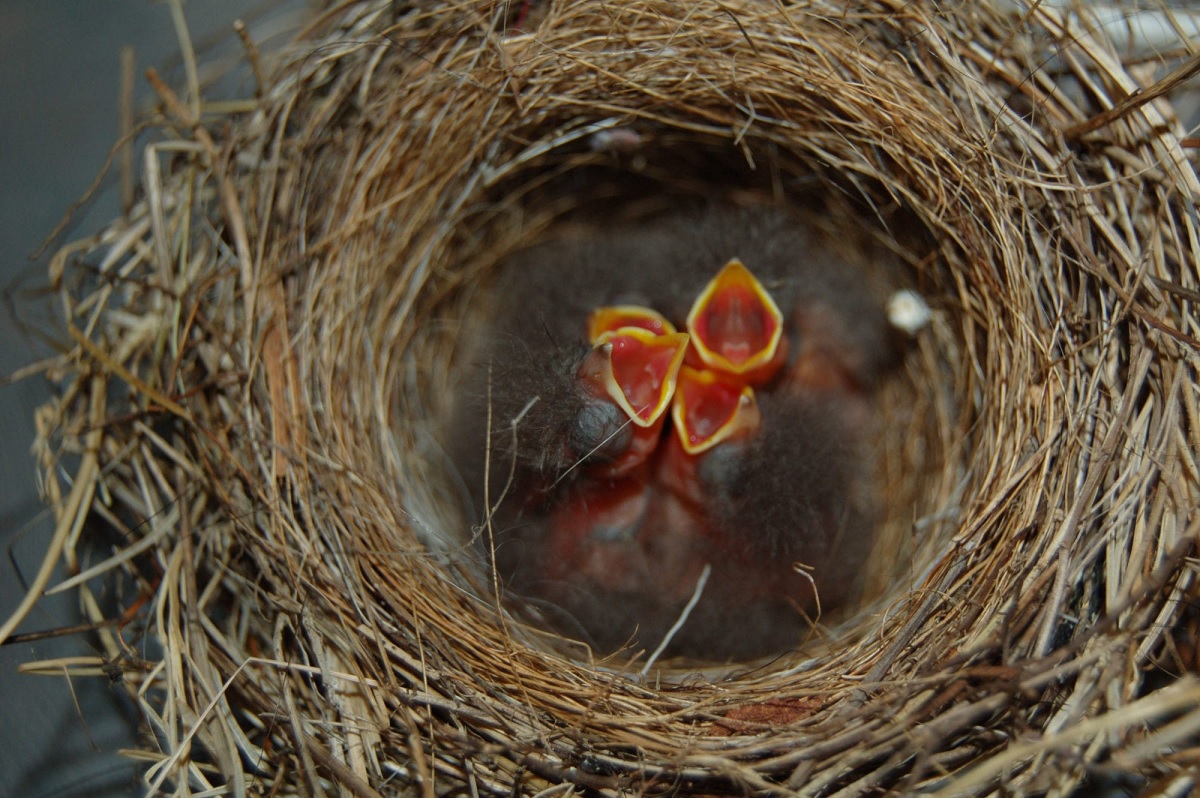
Relocating a bird’s nest with babies is a delicate and often emotional task that requires careful thought and gentle handling. Whether you’ve discovered a nest in a risky spot or need to move it for safety reasons, knowing how to relocate a birds nest with babies is crucial to avoid harming the fragile young ones. Birds are sensitive to disturbance, and their nests are vital for the survival of the chicks inside.
This guide will walk you through the best practices for moving a nest without causing undue stress or damage, focusing on timing, technique, and legal considerations. Understanding how to relocate a birds nest with babies responsibly helps protect these vulnerable creatures while addressing your concerns. With the right approach, it’s possible to give the babies a safe new home without disrupting their natural development. This introduction aims to prepare you for the careful steps involved in this important process.
Introduction
Relocating a bird’s nest with babies is a sensitive task that requires both care and knowledge. Birds build their nests to provide a safe place for their eggs and chicks, and any disturbance can impact their survival.
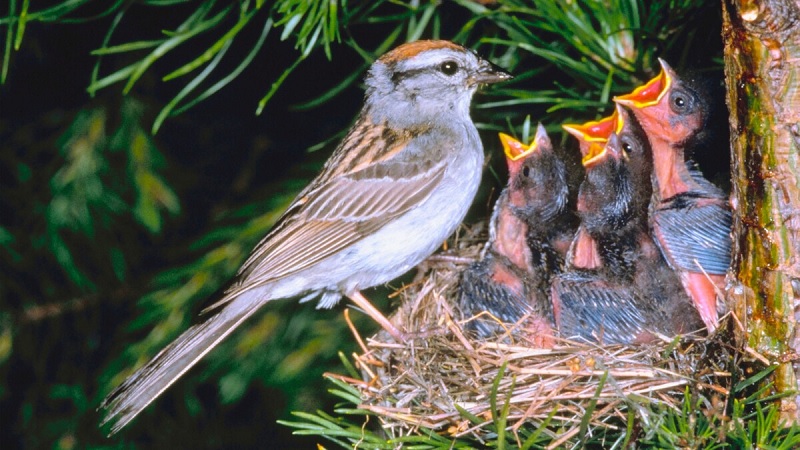
Whether you’ve found a nest in an unsafe area—like a construction site, a busy garden spot, or somewhere exposed to predators—or need to move it to protect the birds, understanding how to relocate a birds nest with babies properly is essential. This process isn’t just about moving the nest; it’s about ensuring the well-being of the baby birds and giving them the best chance to grow and thrive in their new environment.
Importance of Proper Relocation
The key to successfully relocating a bird’s nest with babies lies in doing it carefully and thoughtfully. Baby birds are extremely fragile, and nests are constructed in very specific ways to protect them from weather and predators. Moving a nest without proper care can cause injury to the babies or even abandonment by the parent birds. The parents might abandon the nest if they detect human scent or if the nest is moved too far away from its original location. Therefore, relocating a nest requires not only physical care but also an understanding of bird behavior.
Proper relocation involves choosing the right time—ideally when the babies are old enough to handle some movement but still dependent on the nest—and finding a safe and similar environment where the parents can easily find and care for their young. It’s about balancing the safety of the birds with minimizing stress during the transition.
Legal and Ethical Considerations
Before attempting to relocate a bird’s nest, it’s important to be aware of the legal and ethical guidelines that protect wildlife. Many bird species and their nests are protected by laws, such as the Migratory Bird Treaty Act in the United States and similar regulations in other countries. These laws prohibit disturbing or moving nests without proper authorization, as doing so can harm protected species and disrupt local ecosystems.
Ethically, the welfare of the birds should always come first. Relocation should only be done when absolutely necessary—for example, if the nest is in immediate danger—and ideally under the guidance or advice of a wildlife expert or local animal control authorities. In some cases, the best action might be to leave the nest undisturbed and allow nature to take its course.
Assessing the Situation
Before deciding to relocate a bird’s nest with babies, it’s important to carefully assess the situation. Not every nest needs to be moved, and intervening unnecessarily can do more harm than good. Taking the time to evaluate the circumstances ensures that any action you take is in the best interest of the birds and their chances of survival.
When Is Relocation Necessary?
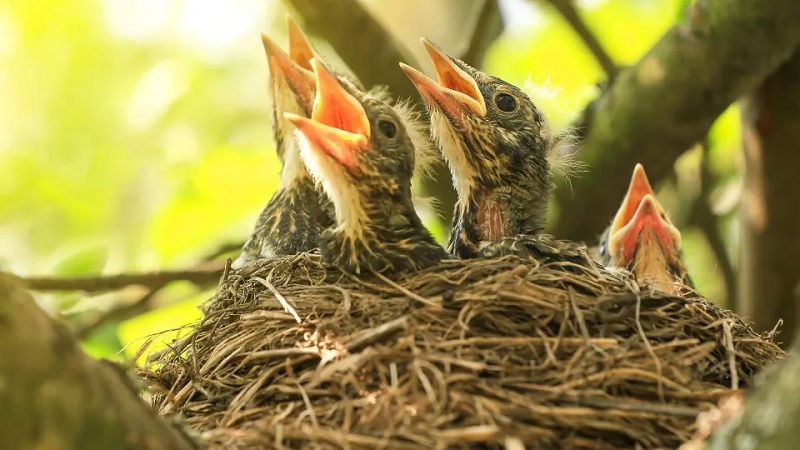
Relocation should only be considered when the nest and its occupants face a genuine threat. Common reasons for moving a nest include construction or landscaping work that will destroy the nest, extreme exposure to predators like cats or raccoons, or environmental dangers such as flooding or harsh weather conditions. If the nest is in a high-traffic area where it could be accidentally disturbed or trampled, relocation may also be necessary.
However, if the nest is in a relatively safe spot where the parent birds are actively caring for the babies, it’s usually best to leave it alone. Birds are remarkably resilient and know how to protect their young in their natural environment. Relocating a nest without a clear and immediate reason can cause unnecessary stress and risk abandonment.
Identifying the Bird Species
Knowing what species you’re dealing with is an important step in assessing the situation. Different birds have different nesting habits, and some species are protected by law, making relocation illegal without permits. Identification helps determine the best approach, as some birds are more sensitive to disturbance than others.
By observing the adults, their size, coloring, and behavior, or by carefully examining the nest itself, you can usually identify the species. This knowledge will guide you in understanding the specific needs of the babies and the likely behavior of the parents. Some birds return to relocated nests more readily than others, so this information can influence your decision and timing.
Checking for Safety Risks
Once you’ve determined that relocation might be necessary, conduct a thorough check for safety risks around the nest. Look for potential threats like predators, unstable structures, or environmental hazards. Is the nest exposed to heavy rain or direct sunlight without cover? Are there domestic animals or frequent human activity nearby that could disturb the family?
Assess the immediate surroundings to find a nearby spot that offers similar protection but is safer from these risks. The new location should mimic the original environment as closely as possible to give the babies the best chance at survival.
Taking these careful steps to assess the situation before acting helps ensure that relocation is truly the best option and that it can be done in a way that supports the health and safety of the birds.
Preparing for Relocation
Moving a bird’s nest with babies requires thoughtful preparation to ensure the safety and well-being of the fragile occupants. Proper planning reduces stress for both the birds and anyone involved in the process. Taking the right steps beforehand sets the foundation for a successful relocation.
Gathering Necessary Tools and Materials
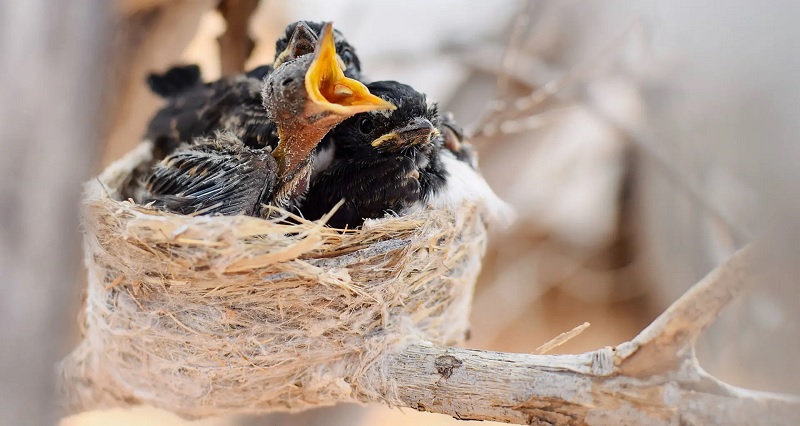
Before moving the nest, gather all the tools and materials you’ll need to handle the situation gently and efficiently. Essential items might include soft gloves to protect the delicate nestlings and prevent transferring human scent, a small container or basket lined with soft cloth to support the nest during transport, and natural materials like dried grass or leaves to reinforce the nest if it’s fragile.
Avoid using synthetic materials that could harm the babies or alter the nest’s natural structure. Having a camera or smartphone on hand can also be helpful for documenting the nest’s original location and setup. This information may assist in recreating similar conditions at the new site.
Choosing the Right Time to Move the Nest
Timing is crucial when relocating a bird’s nest with babies. The best time to move the nest is generally during the early morning or late evening, when the parent birds are less likely to be actively feeding the chicks. Moving the nest during these quieter times reduces the chances of the parents abandoning the nest due to sudden disturbance.
Additionally, try to relocate the nest as quickly and smoothly as possible. Prolonged exposure during the move can stress the babies and increase the risk of injury or chilling. Avoid moving nests with very young or newly hatched chicks unless absolutely necessary, as they are more vulnerable and less likely to survive the transition.
Selecting a Suitable New Location
Choosing the right new location is one of the most important steps in the relocation process. The new site should closely resemble the original nesting environment to help the parents and babies feel secure. Look for a spot that offers similar shelter from wind, rain, and predators—such as dense foliage, tree branches, or protected ledges.
Place the nest at a similar height and orientation to where it was found, as this helps parent birds locate it more easily. Make sure the area is quiet and away from high foot traffic, pets, or potential predators. If possible, choose a location near the original site to maintain the parents’ familiarity with the area.
By gathering the right tools, choosing the best time, and carefully selecting the new location, you’ll increase the chances that the baby birds and their parents will thrive after the move. Preparation is key to making this sensitive task as safe and stress-free as possible.
Steps to Relocate the Nest
Relocating a bird’s nest with babies requires a gentle and methodical approach to minimize stress and protect the fragile chicks. Following clear, careful steps helps ensure the safety of the babies and increases the likelihood that the parents will continue caring for them in the new location.

Approaching the Nest Carefully
Start by approaching the nest slowly and quietly to avoid alarming the parent birds. Sudden movements or loud noises can cause distress and may lead to the parents abandoning the nest altogether. Wear soft gloves to avoid transferring your scent, which can sometimes discourage the parents from returning. Observe the nest briefly to ensure the adults are not nearby or actively attending to the babies, and try to keep your presence as brief as possible.
Handling the Babies and Eggs Safely
Once you are ready, gently assess the condition of the babies and any eggs in the nest. Avoid touching the chicks directly unless absolutely necessary, and if you must, handle them with extreme care to prevent injury. Use soft gloves and support the babies fully, ensuring they remain warm and secure. If there are eggs, be very careful not to jostle or drop them, as they are highly fragile. It’s important to keep the nest intact, along with the babies and eggs, to maintain their environment as much as possible.
Transferring the Nest to the New Location
After safely handling the nest and its contents, transfer it immediately to the pre-selected new location. Use a small basket or container lined with soft cloth to support the nest during transport, minimizing movement and jolting. Move the nest as quickly and smoothly as possible to reduce exposure to cold or stress. Try to replicate the nest’s original orientation and position in the new spot to help the parent birds recognize it easily.
Securing the Nest at the New Site
Once at the new location, carefully place the nest in the chosen spot, ensuring it is stable and well-supported. Secure the nest by gently anchoring it with natural materials like twigs or leaves, but avoid using tape, glue, or synthetic substances that could harm the birds. Make sure the nest is sheltered from wind, rain, and predators, similar to its original environment. Finally, step back quietly and observe from a distance to see if the parents return to care for their babies, keeping disturbance to a minimum.
After Relocation Care
Relocating a bird’s nest with babies is just the beginning. Proper care after the move is essential to ensure the chicks continue to grow safely and receive the care they need. Monitoring the nest carefully and understanding what to look for in terms of distress or abandonment can make all the difference.
Monitoring the Nest
Once the nest has been relocated and secured, it’s important to monitor the area regularly but discreetly. Check from a distance so as not to disturb the birds. Observe whether the parent birds are returning to feed and protect the babies. Frequent visits by the parents are a good sign that the relocation was successful.
Keep an eye on the nest’s condition as well. Make sure it remains secure and sheltered from weather changes or predators. If the nest is exposed to harsh sunlight, rain, or wind, consider adding natural cover nearby—such as branches or leaves—to improve protection without disturbing the nest itself.
Signs of Distress or Abandonment
Recognizing signs of distress or abandonment early can help you take timely action. If the parent birds do not return within a few hours or stop visiting altogether, this might indicate abandonment. Other signs include the babies crying excessively, appearing weak, or the nest being left empty for extended periods during daylight hours.
Distress may also show if the babies seem cold or exposed, or if predators have disturbed the nest. In such cases, intervention might be necessary to improve the chicks’ chances of survival.
How to Help If the Parents Don’t Return
If the parents do not return to care for the babies, it’s important to seek help from wildlife professionals or rehabilitators. Baby birds require specialized care, including feeding schedules and temperature regulation, which are difficult to replicate without experience.
Avoid trying to feed or care for the chicks yourself unless you have proper training, as improper care can do more harm than good. Contact local wildlife rescue centers, animal control, or bird rehabilitation experts for guidance on the best next steps. They can provide the necessary support or take over the care of the abandoned chicks.
Legal and Ethical Guidelines
Relocating a bird’s nest with babies involves more than just physical care; it requires a clear understanding of legal and ethical responsibilities. Protecting wildlife is important, and knowing the rules and best practices ensures you act responsibly while helping these vulnerable creatures.
Understanding Wildlife Protection Laws
Many bird species and their nests are protected by laws designed to preserve wildlife and ecosystems. In the United States, for example, the Migratory Bird Treaty Act (MBTA) makes it illegal to disturb, move, or destroy the nests of most native birds without proper permits. Similar laws exist in other countries, offering protection to a wide range of bird species.
These laws exist because interfering with nests can have serious consequences for bird populations. Moving a nest without authorization could result in legal penalties and harm the survival chances of the chicks. It’s important to research and understand the regulations that apply to your area before attempting any relocation. In many cases, simply observing the nest from a distance and minimizing disturbance is the best course of action.
When to Contact Wildlife Professionals
Knowing when to involve wildlife professionals is crucial. If you find a nest in immediate danger or if relocation seems necessary but you’re unsure how to proceed legally or safely, contacting local wildlife authorities or licensed rehabilitators is the safest step. These experts have the knowledge, experience, and permits required to handle nests and care for baby birds.
Wildlife professionals can also provide guidance on whether relocation is truly needed or if the nest should be left undisturbed. In some situations, they may intervene directly to relocate or protect the nest under proper protocols. Additionally, if the parent birds abandon the nest or the babies require specialized care, professionals are equipped to step in and increase the chances of survival.
Acting within legal and ethical boundaries ensures that your efforts to help do not inadvertently cause harm. Respecting wildlife laws and seeking expert advice not only protects the birds but also supports conservation efforts and promotes a healthy balance between humans and nature. By understanding these guidelines, you can make informed decisions when faced with the challenge of relocating a bird’s nest with babies.
Frequently Asked Questions
Can You Legally Relocate A Bird’s Nest With Babies?
Relocating a bird’s nest with babies is often restricted by wildlife protection laws. In many countries, such as the United States, it is illegal to move or disturb the nests of most native birds without a permit under laws like the Migratory Bird Treaty Act. Before touching or moving any nest, you should check your local and national wildlife regulations.
If the nest poses a serious threat to safety or is in immediate danger, contact a licensed wildlife rehabilitator or local animal control for guidance. Avoid moving the nest yourself unless you have permission and a clear understanding of legal requirements.
What Is The Best Time To Relocate A Bird’s Nest?
The best time to relocate a bird’s nest is during the early morning or late evening when parent birds are less active. This reduces the chance of startling them and gives the babies time to adjust to the new location before the next feeding session.
Ideally, you should move the nest when the chicks are not extremely young and still dependent on the parents for warmth and feeding. Timing is critical—wait too long, and the chicks may begin to fledge; act too soon, and they may not survive the move. Always monitor the nest beforehand to choose the most stable and least disruptive moment.
How Far Can You Move A Bird’s Nest Without Confusing The Parents?
You should try to move the nest only a short distance—no more than a few feet to a few yards—especially if the babies are still inside. The closer the new location is to the original site, the more likely the parent birds will find and accept it.
Make sure the new location mimics the original in terms of height, shelter, and surrounding environment. Moving the nest too far could confuse the parents and lead to abandonment. After relocation, observe from a distance to ensure the adults return to care for the babies.
What Should You Do If The Parents Don’t Return After Relocation?
If the parents do not return within a few hours after relocation, it may be a sign of abandonment or disorientation. First, give them some time and space—avoid hovering nearby, as human presence can deter them. If the parents still do not return by the end of the day or the babies show signs of distress (such as constant chirping or lack of movement), contact a local wildlife rehabilitation center immediately. Do not attempt to feed or care for the chicks yourself, as improper handling can harm them more than help.
How Do You Safely Transport A Bird’s Nest With Babies?
To safely transport a bird’s nest with babies, use a soft, shallow container like a small basket lined with a clean cloth or natural materials. Gently place the entire nest into the container without disturbing its structure.
Wear gloves to protect the chicks and reduce human scent. Keep the container stable during the move and avoid exposing the babies to direct sunlight or cold air. Once you arrive at the new location, carefully transfer the nest to a secure, sheltered spot that closely matches the original setting. Make sure it’s protected from predators, wind, and weather.
Conclusion
Relocating a bird’s nest with babies is a delicate process that should only be done when absolutely necessary. By understanding the risks, legal guidelines, and the specific needs of the birds, you can make informed decisions that protect the chicks and support their survival. Proper preparation, gentle handling, and careful monitoring after the move are all essential steps to ensure success.
Always consider consulting with wildlife professionals before taking action, especially if you’re unsure. When done responsibly, relocating a nest can help protect vulnerable baby birds while respecting their natural instincts. Your thoughtful approach can make a real difference in giving these young birds a safe and healthy start in life.