
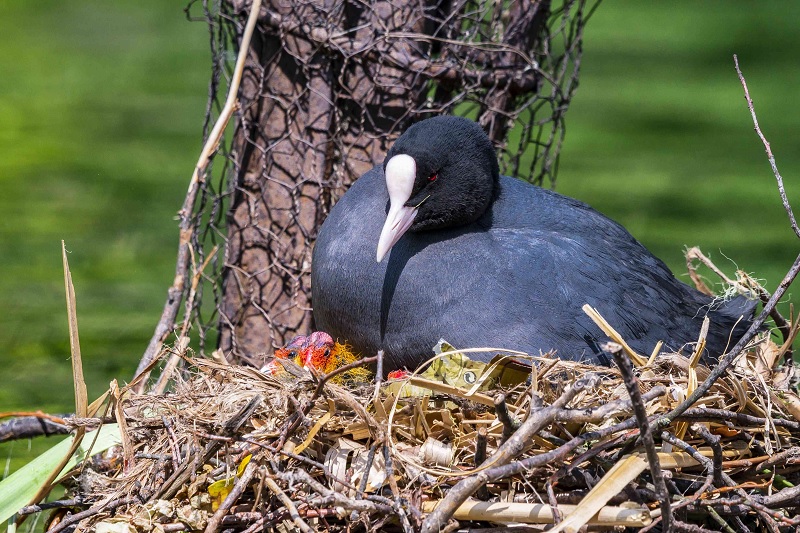
Learning how to safely move a bird’s nest is something many people face when nests are built in inconvenient or hazardous places—like near doors, windows, or active construction zones. Birds often choose unexpected locations to raise their young, and while their nesting efforts are natural and essential, there are situations where relocation may seem necessary. However, moving a nest requires care, respect for wildlife laws, and deep consideration of the bird species involved.
Some birds are protected by law, and interfering with their nests could have legal consequences. Before you take action, it’s important to understand when and how moving a nest is appropriate and safe for both you and the birds. Whether it’s to protect baby birds from harm or to ensure human safety, understanding how to safely move a bird’s nest the right way helps maintain harmony between nature and daily life.
Understanding the Legal and Ethical Concerns
Relocating a bird’s nest is not just a matter of convenience—it comes with serious legal and ethical responsibilities. In many countries, especially the United States, there are strict laws protecting birds and their nesting sites.
Migratory Bird Treaty Act and Other Protections
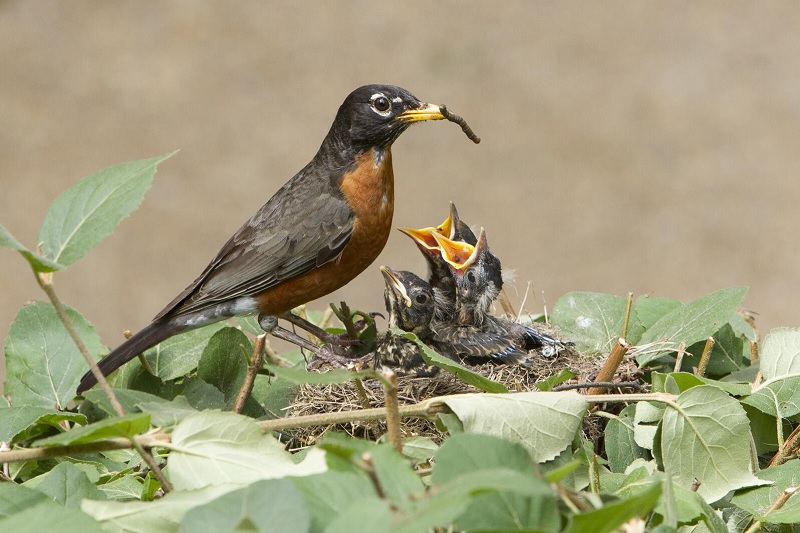
One of the most important laws to know is the Migratory Bird Treaty Act (MBTA), which makes it illegal to disturb, remove, or relocate the nest of any bird species protected under the act—unless you have a permit. This includes nests with eggs or chicks, and in some cases, even empty nests. Many local and state laws also offer similar protections, particularly for endangered or threatened bird species.
Ethical Responsibility Toward Wildlife
Aside from legal rules, there’s also an ethical side to consider. Birds invest time, effort, and instinct into choosing a safe spot to raise their young. Disrupting this process can lead to stress, abandonment, or even death of the chicks. Ethically, humans should aim to coexist with nature whenever possible. Understanding the balance between human needs and wildlife well-being is key to making a responsible decision.
When Is It Ever Acceptable?
The only appropriate time to move a bird’s nest is when it poses a direct risk to the birds or humans, and even then, professional guidance is essential. Contacting local wildlife authorities or licensed rehabilitators can help determine if a move is legal and how it should be done. In some cases, experts may be able to relocate a nest safely under permitted guidelines.
When It’s Appropriate to Move a Bird’s Nest
Moving a bird’s nest is a sensitive decision that should never be taken lightly. However, there are a few rare situations where relocating a nest is appropriate—and even necessary—for the safety of both birds and people.

Safety Hazards to Birds or Humans
One of the most valid reasons to move a bird’s nest is when it’s located in a dangerous or high-traffic area. Nests built on machinery, vehicles, busy entryways, or construction zones can put both the birds and people at risk. In these cases, waiting for the nesting season to end is ideal, but if immediate action is required, wildlife professionals must be consulted. They can assess the situation and guide you in complying with local wildlife protection laws.
Unstable or Unsafe Nesting Spots
Sometimes birds build nests in places that are naturally unstable—such as loose gutters, window ledges, or hanging plants that are often moved. These areas may not offer proper support for eggs or chicks, increasing the chance of the nest falling or being damaged. If the nest hasn’t yet been used or eggs haven’t been laid, it may be possible to reposition it nearby. Always handle this with extreme care and seek expert input.
Involvement of Wildlife Authorities
You should never move a nest on your own, even with good intentions. Contacting local wildlife authorities or a licensed rehabilitator ensures any move is done legally and with the birds’ well-being in mind. These professionals may be able to relocate the nest or advise on alternative ways to protect it in place.
Precautions to Take Before Handling a Nest
Before approaching or handling a bird’s nest, it’s essential to take a series of thoughtful precautions to ensure the safety of both the birds and yourself. Nests are critical to the survival of young chicks, and even well-meaning actions can cause harm if not done correctly.

Check for Activity and Timing
Start by observing the nest from a safe distance. Look for signs of activity such as adult birds flying to and from the site, chirping chicks, or visible eggs. If the nest is active, avoid touching it. Most bird species are protected by law, and disturbing an active nest can be both harmful and illegal. Only proceed when the nest appears abandoned or after the nesting season has ended.
Wear Gloves and Minimize Contact
Wearing gloves is crucial to reduce the risk of transferring human scent or bacteria that could harm the birds. It also protects you from mites, insects, or other contaminants that may be present in the nest. Handle the nest gently, keeping all movements slow and controlled to avoid damaging fragile materials or alarming any nearby birds.
Sanitize Tools and Work Area
Use clean tools and avoid placing the nest on unsanitary surfaces. If you’re using ladders or other equipment, make sure they’re stable to prevent accidents. Have a prepared container ready if relocation is necessary, and line it with soft, natural materials similar to those in the original nest.
Step-by-Step Guide to Moving a Bird’s Nest
Sometimes, relocating a bird’s nest becomes necessary for safety or practical reasons. Whether the nest poses a threat to the birds, your property, or lies in a construction zone, following a responsible and careful approach ensures minimal disruption. Below is a detailed, step-by-step guide to help you move a bird’s nest safely and ethically.
Step 1: Confirm the Nest Can Be Moved Legally
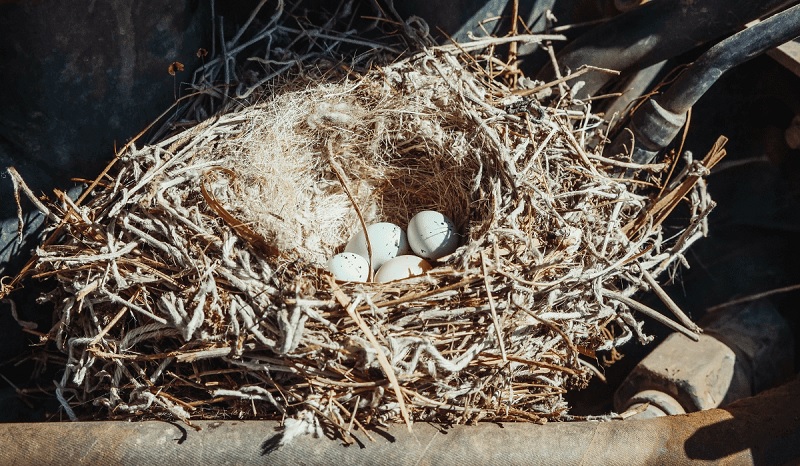
Before doing anything, you must check the legal regulations in your area. In many countries, including the U.S., it is illegal to move or disturb an active nest of a native bird species without a permit. Look for signs of activity such as eggs, baby birds, or parents flying in and out. If the nest is active, contact a licensed wildlife rehabilitator or your local wildlife agency for guidance.
Step 2: Observe and Gather Information
Spend time observing the nest to ensure it is inactive, meaning no eggs or chicks are present. Take note of the bird species (if possible), the nest size, materials used, and orientation. This will help you replicate the conditions in the new location, increasing the chances of a successful relocation.
Step 3: Choose a Suitable New Location
Find a nearby spot that closely mimics the original environment. The new location should:
- Be safe from predators and human interference
- Offer shade and protection from wind and rain
- Be at a similar height and orientation
Ideal spots include dense bushes, tree branches, or quiet corners of sheds and porches.
Step 4: Prepare for the Move
Before touching the nest, wash your hands and wear gloves to prevent the transfer of human scent or bacteria. Gather soft materials like dry grass or leaves in case the nest needs reinforcement. Prepare a clean container or platform in the new location to receive the nest immediately.
Step 5: Gently Relocate the Nest
Carefully lift the entire nest with both hands, ensuring you support its base to prevent crumbling. Move slowly to avoid startling nearby birds. Transfer the nest to the new location and secure it firmly so it doesn’t tilt or fall due to wind or rain.
If the nest is fragile or falling apart, you can place it inside a small basket or box lined with soft natural material. Make sure the container has drainage holes and is camouflaged within its surroundings.
Step 6: Monitor the New Nest Site
After relocation, observe the area discreetly from a distance. It might take time for the parent birds to find and accept the new location. Do not approach the nest frequently, as this may deter the birds from returning.
Step 7: Know When to Call a Professional
If the nest contains eggs or chicks, or if you are unsure about the species or legal status, contact a licensed wildlife rehabilitator or bird rescue organization. These professionals can assess the situation and perform the relocation safely without harming the birds.
Alternative Solutions to Consider
When encountering a bird’s nest in an inconvenient or hazardous location, moving it may not always be the best or most legal option. Thankfully, there are several alternative solutions to consider that can help you coexist with wildlife while protecting both your property and the birds’ well-being.
Allow the Nesting Period to Finish
In many cases, the easiest and most bird-friendly solution is to simply wait. Most birds have short nesting cycles—ranging from a couple of weeks to a month—so leaving the nest undisturbed until the chicks fledge can resolve the issue naturally. During this time, minimize nearby activity and maintain a safe environment.
Use Deterrents After Nesting Season
Once the birds have left and the nest is inactive, you can discourage future nesting in the same location. Install bird deterrents such as reflective tape, plastic owls, or bird spikes. Seal gaps or crevices with mesh or netting to prevent birds from rebuilding in problematic areas like vents, light fixtures, or gutters.
Relocate the Area of Human Activity
In situations where possible, consider shifting your own activity away from the nesting site rather than disturbing the nest. For example, if birds have nested near a walkway or porch, use an alternative entrance temporarily until the birds move on. This approach is particularly helpful in residential settings where flexibility is easier to manage.
Create a Bird-Friendly Environment Elsewhere
Encourage birds to nest in more suitable areas by installing birdhouses, nesting shelves, or designated tree branches in your yard or garden. Place these options in quiet, shaded areas away from heavy foot traffic or predators. Providing food sources, water, and shelter can help redirect birds naturally without harming them or violating local laws.
What Not to Do When Moving a Bird’s Nest
While helping wildlife may seem like a kind gesture, moving a bird’s nest without proper understanding can lead to serious consequences. There are certain actions you should strictly avoid to ensure the safety of the birds and to stay within legal and ethical boundaries.
Don’t Move a Nest Without Checking the Law
One of the biggest mistakes people make is removing a nest without knowing the rules. Many birds, especially migratory species, are protected under laws like the Migratory Bird Treaty Act. Moving an active nest with eggs or chicks can lead to hefty fines and legal trouble. Always research local wildlife protection laws or contact your local wildlife authority before taking any action.
Avoid Touching the Nest With Bare Hands
Touching a bird’s nest or the baby birds with your bare hands can introduce human scent and bacteria, which may confuse or repel the parent birds. It’s also a health risk to you. Use gloves if absolutely necessary, and limit direct contact as much as possible.
Never Move a Nest With Chicks or Eggs
Relocating an active nest can often result in abandonment by the parents. Birds are extremely sensitive to changes in their environment. A simple move, even by a few feet, may be enough for the parents to reject the nest entirely, leaving the young birds without food or protection.
Don’t Destroy or Discard the Nest
Even if a nest appears empty or abandoned, resist the urge to throw it away immediately. Some birds reuse nests in the same season or the following year. Wait until nesting season is clearly over, then remove the nest following proper guidelines.
Frequently Asked Questions
Can You Legally Move a Bird’s Nest?
In many countries, it’s illegal to move a bird’s nest, especially if it’s active and contains eggs or chicks. In the United States, the Migratory Bird Treaty Act protects most native birds, making it unlawful to disturb, remove, or relocate nests without proper authorization. You should always research your local wildlife protection laws before taking any action. If a nest poses danger or is in a problematic location, contacting a licensed wildlife rehabilitator or local authorities is the best approach.
How Do You Know If a Nest Has Been Abandoned?
You can usually tell a nest is abandoned by monitoring it for several days. If there’s no sign of parent birds coming and going, no chirping, and no visible eggs or chicks, it may be abandoned. Also, nests in poor condition with drooping structure or overgrown surroundings are more likely to be unused. Always take time to observe from a distance before assuming a nest is inactive.
What’s the Safest Way to Move a Bird’s Nest?
To safely move a bird’s nest, wear gloves and use clean tools to avoid transferring scent or bacteria. Choose a new location that closely mimics the original environment—quiet, sheltered, and safe from predators. Gently relocate the nest during times of low bird activity, like early morning or late evening. Avoid touching eggs or chicks directly and never move an active nest without professional advice.
Can Birds Find Their Nest After It’s Been Moved?
Birds may not return to a nest if it’s moved too far from its original location or placed in an unfamiliar environment. Many species are sensitive to changes in location, smell, and surroundings. This is why it’s recommended to move the nest only a short distance—just a few feet—if absolutely necessary, keeping it within the same habitat conditions to improve the chances of reunion.
Who Should You Contact for Help With Nest Relocation?
If you’re unsure about what to do, contacting a licensed wildlife rehabilitator, animal control officer, or local bird rescue group is the safest route. These professionals have the training and permits to handle nests in compliance with wildlife laws. They can assess whether moving the nest is appropriate and help you do it safely without causing harm to the birds.
Final Thoughts
Moving a bird’s nest is a delicate task that requires both care and respect for nature. It’s important to understand the legal, ethical, and practical aspects before taking any action. In most cases, it’s best to avoid moving an active nest, as this can lead to abandonment or harm to the birds.
However, when relocation is absolutely necessary, following proper precautions and seeking guidance from wildlife experts can help protect both the birds and yourself. By making thoughtful decisions and considering alternative solutions, you contribute to the safety and well-being of local bird populations. Always approach the situation with sensitivity and a strong sense of responsibility toward wildlife conservation.