
Dealing with birds can be a challenge, especially when they start causing damage to gardens, crops, or property. One effective and humane method people often look for is how to scare birds away with sound. Using sound to deter birds taps into their natural instincts—certain noises can make them feel unsafe or uncomfortable, encouraging them to leave the area without harm. Unlike physical barriers or harmful chemicals, sound-based methods offer a non-invasive way to protect your space.
Whether you’re facing a flock of pigeons, sparrows, or seagulls, knowing which sounds work and how to use them properly can make a big difference. This introduction will explore practical approaches to using sound to keep birds at bay, giving you helpful insights on creating an environment that birds would rather avoid. If you’re searching for safe, effective, and easy-to-implement bird deterrent solutions, understanding how to scare birds away with sound is a great place to start.
Why Use Sound to Scare Birds Away?
Using sound to scare birds away offers several advantages that make it a popular choice for bird control. Unlike physical barriers or chemical repellents, sound-based methods are non-invasive and do not harm the birds. They rely on the natural behavior of birds, which are often sensitive to certain noises, prompting them to leave the area without causing them injury.
Additionally, sound deterrents can cover a wide area, making them effective for large gardens, farms, or urban spaces. They are also flexible—sounds can be adjusted or varied to prevent birds from getting used to them over time. Overall, using sound is a humane, efficient, and environmentally friendly way to manage bird problems, making it an ideal solution for those looking to protect their property while respecting wildlife.
Types of Sounds That Scare Birds
When it comes to deterring birds, using sound is a clever strategy that takes advantage of their natural instincts and sensitivities. Different types of sounds can be effective in making birds feel threatened or uncomfortable, encouraging them to leave an area. Below are some of the most common sound types used to scare birds away.
Natural Predator Sounds
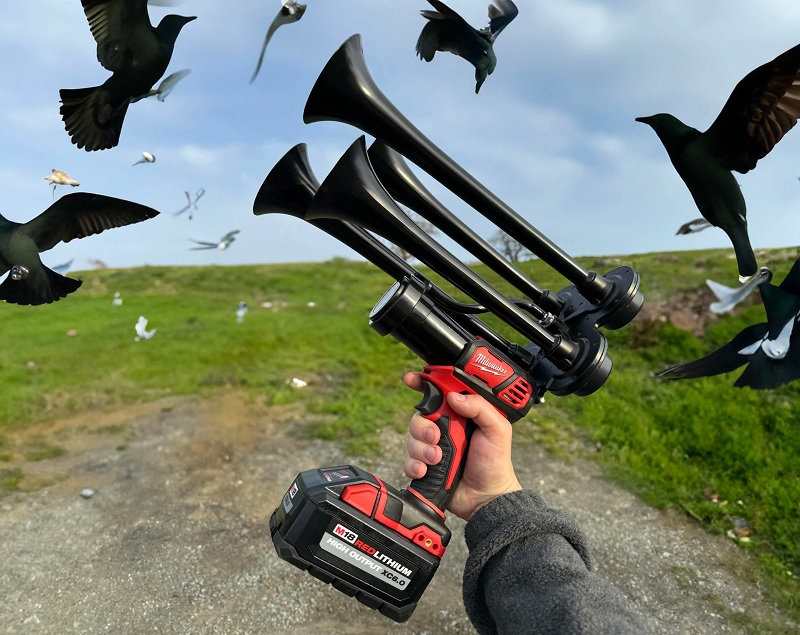
Birds instinctively fear predators, so playing sounds of animals that prey on them is one of the most effective ways to keep them at bay. These sounds include the calls of hawks, owls, or other birds of prey. When birds hear these predator sounds, their survival instincts kick in, prompting them to fly away quickly to avoid danger. This method is especially useful in open spaces where birds can detect and respond to these threats naturally.
Distress Calls of Birds
Distress calls are the sounds birds make when they are in danger or injured. Using recordings of these calls can trigger an alert response among birds, making them believe the area is unsafe. Distress calls often signal to other birds that a threat is nearby, which can cause them to avoid the area altogether. This method works well in areas where birds tend to gather, as it creates a sense of alarm and discourages them from settling.
Loud and Sudden Noises
Sudden, loud noises are another way to scare birds away effectively. Sounds like clapping, banging, or popping can startle birds, causing them to take flight immediately. The unpredictability of these noises is key, as birds quickly learn to ignore repetitive, predictable sounds. Using devices that generate random loud noises can keep birds wary and prevent them from becoming accustomed to the deterrent.
Ultrasonic Sounds
Ultrasonic sounds are high-frequency noises that are often inaudible to humans but can be disturbing to birds. Some bird deterrent devices use ultrasonic sound waves to create an uncomfortable environment for birds without bothering people. While the effectiveness of ultrasonic sounds can vary depending on the species and environment, they provide a silent and non-intrusive option for bird control, especially in residential or quiet areas.
Methods to Create Bird-Scaring Sounds
Using sound to scare birds away is not only effective but also offers a variety of methods to suit different needs and budgets. Whether you prefer ready-made solutions or like to get creative, there are several ways to generate bird-scaring sounds that can keep your space bird-free. Here’s a closer look at some popular methods.
Electronic Bird Repellers
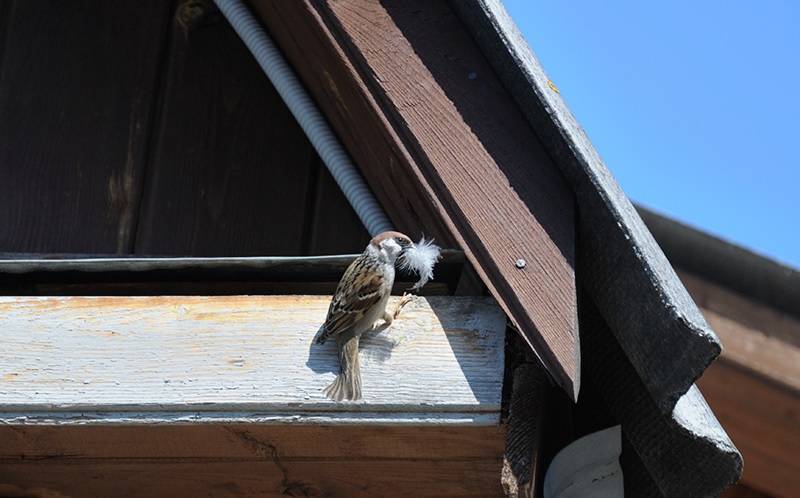
Electronic bird repellers are purpose-built devices designed to emit sounds that deter birds. These gadgets often play a combination of natural predator calls, distress signals, or loud noises at intervals to keep birds from settling in an area. Many models include features like randomized sound patterns to prevent birds from getting used to the noise.
These devices are convenient because they operate automatically, often powered by batteries or solar energy, making them ideal for gardens, farms, or commercial properties. Electronic bird repellers are typically weather-resistant and can cover large areas, providing consistent bird control without any manual effort.
DIY Sound Devices
For those who enjoy hands-on projects, DIY sound devices offer a budget-friendly and customizable way to scare birds. Simple setups can be created using speakers connected to audio players or radios that play recorded bird distress calls or predator sounds.
Some people use motion sensors linked to sound systems to activate noises only when birds approach, conserving energy and making the deterrent more surprising. DIY options can also include homemade noise-makers like clappers, wind chimes, or tin cans that create sudden loud sounds when triggered by wind or movement. These methods require a bit more effort but can be tailored to fit specific environments or bird problems.
Mobile Apps and Audio Players
In the age of smartphones and portable electronics, mobile apps and audio players have become popular tools for creating bird-scaring sounds. Various apps offer collections of bird distress calls, predator sounds, and loud noises designed to repel birds.
These apps allow users to play sounds directly from their phones or connect to Bluetooth speakers placed strategically around the property. Audio players can also be loaded with playlists of deterrent sounds and set on repeat. This method is highly flexible and portable, making it easy to adjust the volume, sound type, or location as needed. It’s a great option for small areas or temporary bird problems.
Tips for Effective Use of Sound
Using sound to scare birds away can be highly effective, but success often depends on how the sounds are applied. To get the best results, it’s important to consider where and when to use sound devices, as well as combining them with other deterrent methods. Here are some practical tips to make your bird-scaring efforts more effective.

Placement of Sound Devices
Where you place your sound devices plays a crucial role in their effectiveness. Position speakers or electronic repellers in areas where birds tend to gather or enter, such as near fruit trees, garden beds, rooftops, or feeding spots. Placing devices at a height similar to where birds perch can increase the impact of the sound.
Additionally, spreading multiple devices around your property ensures broader coverage, preventing birds from simply moving to quieter spots. Avoid placing devices too close to your own living areas to minimize disturbance to you and your neighbors.
Timing and Frequency of Sounds
Birds are quick to adapt to repetitive sounds, so varying the timing and frequency is key. Instead of continuous noise, set devices to emit sounds at irregular intervals or in randomized patterns. This unpredictability keeps birds on edge and less likely to grow accustomed to the deterrents. It’s also important to activate sound devices during times when birds are most active, such as early morning and late afternoon. Reducing sound activity during the night can help avoid disturbing humans while still protecting your property during peak bird activity.
Combining Sound with Other Deterrents
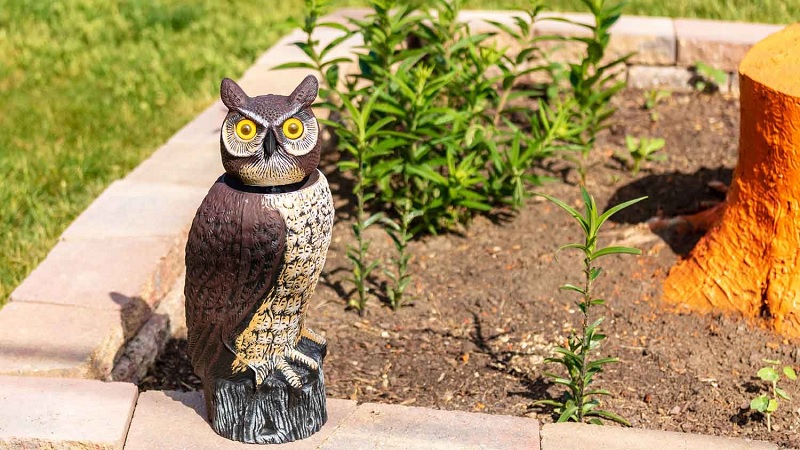
For stronger and longer-lasting results, combining sound with other bird deterrent methods is highly recommended. Visual deterrents like reflective tape, scarecrows, or predator decoys can enhance the sense of danger created by sound alone.
Physical barriers, such as netting or spikes, work well in tandem with sound to physically block birds while keeping them wary. Using multiple strategies together creates a multi-sensory experience that makes the environment less inviting for birds. This integrated approach reduces the chances of birds becoming habituated to any one method and improves overall effectiveness.
Potential Challenges and How to Overcome Them
While using sound to scare birds away can be an effective and humane solution, it does come with some challenges. Understanding these potential issues and knowing how to address them can help ensure your bird deterrent efforts are successful and considerate of your surroundings.
Habituation of Birds
One common challenge is habituation—birds getting used to the sounds and eventually ignoring them. When deterrent noises become predictable or repetitive, birds no longer perceive them as threats. To overcome this, vary the sounds you use regularly and avoid playing the same noise continuously. Using devices that randomize calls or switch between different types of sounds, like predator calls and distress signals, keeps birds uncertain and more likely to stay away. Additionally, combining sound deterrents with visual or physical barriers creates a multi-layered defense that reduces the chances of birds becoming complacent.
Noise Disturbance to Humans and Pets
Sound devices can sometimes cause disturbances to people living nearby or to household pets, especially if the noises are loud or frequent. To minimize this issue, place sound devices strategically away from windows, patios, or common areas where noise could be disruptive.
Adjust the volume to a level that is effective for birds but less intrusive for humans and pets. Also, consider scheduling sound emissions during peak bird activity times rather than continuously, reducing overall noise exposure. Ultrasonic devices, which emit sounds inaudible to humans but bothersome to birds, offer a quieter alternative, though their effectiveness varies.
Legal and Environmental Considerations
Using sound to deter birds must also respect local laws and environmental guidelines. Some areas have regulations limiting noise levels or the types of bird deterrents allowed, especially near residential neighborhoods or protected wildlife zones. Before installing any sound-based system, check local ordinances to ensure compliance. It’s also important to avoid causing unnecessary stress or harm to birds and other wildlife. Humane deterrent methods that encourage birds to move on without injury are generally preferred and more environmentally responsible. Consulting with wildlife experts or local authorities can provide guidance tailored to your specific location and situation.
Frequently Asked Questions
What Types Of Sounds Are Most Effective To Scare Birds Away?
You’ll find that natural predator sounds, such as hawk or owl calls, are among the most effective at deterring birds because they trigger the birds’ instinct to flee from danger. Distress calls of other birds also work by signaling a nearby threat.
Additionally, sudden loud noises like banging or popping sounds can startle birds and make them leave. Ultrasonic sounds, which are often inaudible to humans but irritating to birds, can be useful as well. Using a combination of these sounds, rather than relying on just one, helps prevent birds from becoming accustomed to the noise.
How Can I Prevent Birds From Getting Used To The Sounds?
Birds are smart and can quickly get used to repetitive sounds, making your deterrent less effective over time. To keep them wary, it’s important to vary the sounds regularly. You can do this by alternating between predator calls, distress signals, and loud noises, or using devices that randomize the sound patterns. Also, avoid playing sounds continuously—use intervals or motion sensors to trigger noise only when birds are nearby. Combining sound with other deterrents like visual scare tactics can reinforce the sense of danger and reduce habituation.
Are Sound-Based Bird Repellents Safe For Pets And People?
When used properly, sound-based repellents are generally safe for both pets and people. However, loud or continuous noises can sometimes be disturbing to your household or neighbors. To avoid this, place sound devices away from living spaces and adjust the volume to a level that is effective for birds but not overwhelming to humans or pets. Ultrasonic repellents, which emit high-frequency sounds inaudible to humans, offer a quieter alternative but may vary in effectiveness depending on the bird species and environment.
Can I Use My Smartphone To Scare Birds Away With Sound?
Yes, smartphones can be a convenient tool for bird deterrence. There are various mobile apps that play predator calls, distress sounds, and other noises designed to scare birds. You can connect your phone to Bluetooth speakers and position them in key areas where birds gather. This method is flexible and portable, allowing you to adjust sound types and volume as needed. However, for larger spaces or persistent bird problems, dedicated electronic repellers might offer better coverage and more consistent results.
What Are Some Tips For Maximizing The Effectiveness Of Sound To Scare Birds?
To get the best results, pay attention to where and when you place sound devices. Position them near common bird gathering spots like gardens, rooftops, or feeding areas, ideally at bird height for maximum impact. Use randomized timing and varied sound types to prevent birds from becoming accustomed to the noise. Also, activate sounds during peak bird activity periods, such as early morning and late afternoon, while minimizing disturbance during quiet hours. Finally, combining sound with visual deterrents or physical barriers will strengthen your overall bird control strategy.
Conclusion
Using sound to scare birds away is a humane and effective way to protect your property without causing harm. By understanding the types of sounds that trigger birds’ natural instincts—like predator calls, distress signals, and sudden noises—you can create an environment that encourages them to stay clear. Combining these sounds with thoughtful placement, varied timing, and additional deterrents like visual or physical barriers enhances the overall impact.
While challenges like habituation and noise disturbance exist, adjusting your approach helps overcome them. Whether you choose electronic devices, DIY solutions, or mobile apps, sound-based methods offer flexible and eco-friendly options. With the right strategy, you can successfully keep birds away and maintain a peaceful, bird-free space.