
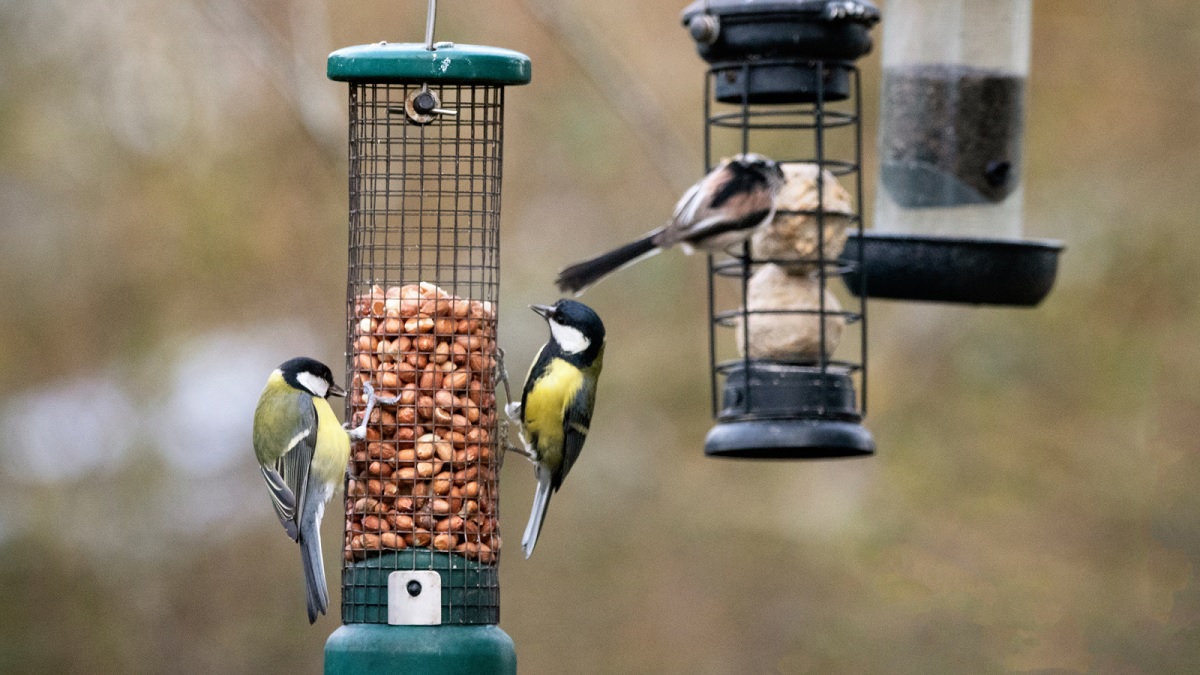
Dealing with bird seed sprouting under your feeder can be frustrating. If you’ve noticed little green shoots popping up beneath your feeder, you’re probably wondering how to stop bird seed from growing under feeder areas. This happens because the seeds often fall to the ground and, with moisture and sunlight, start to sprout. While it’s natural, it can create unwanted patches of plants or weeds that might attract pests or simply look messy.
Fortunately, there are practical steps you can take to prevent this from happening. By understanding why bird seed grows beneath feeders and adopting a few simple strategies, you can keep your yard tidy and continue enjoying your feathered visitors without the extra garden maintenance. This guide will walk you through effective methods on how to stop bird seed from growing under feeder spots, making your outdoor space cleaner and more pleasant.
Why Bird Seed Grows Under Feeders
Bird seed growing under feeders is a common issue many bird enthusiasts face. Understanding why this happens is the first step toward preventing unwanted sprouting. When birds visit your feeder, they often drop seeds while eating. These seeds fall to the ground, where they can take root and begin to grow if conditions are right. But what exactly causes the seed to sprout, and are some seeds more likely to grow than others? Let’s explore the common causes of seed growth and the types of seeds that tend to sprout beneath feeders.
Common Causes of Seed Growth
Several factors contribute to bird seed sprouting under feeders. The most obvious cause is that birds tend to scatter or drop seeds while feeding, creating a natural seed bed right beneath the feeder. If these seeds land on soil that stays moist and receives enough sunlight, they can germinate and grow.
Moisture plays a critical role in seed germination. Rain, dew, or irrigation can keep the soil damp enough for seeds to start sprouting. Additionally, warm temperatures encourage seed growth. If your feeder is placed in an area that receives ample sunlight and has good soil conditions, seeds have a perfect environment to take root.
Another cause is the type of surface beneath the feeder. Bare soil or mulch allows seeds to contact the ground directly, making it easier for them to germinate. In contrast, hard surfaces like concrete or gravel tend to prevent seed growth because they lack the soil and moisture needed for seeds to sprout.
Lastly, the presence of organic matter or existing plants can create favorable conditions. Soil rich in nutrients and microbial life supports seed germination and seedling development, encouraging growth beneath the feeder.
Types of Seeds That Are More Likely to Sprout
Not all bird seeds are equally likely to grow under feeders. Some seeds have higher germination rates and are more resilient, making them more prone to sprouting if they fall on the ground.
Millet is one of the most common seeds found in bird feed that tends to sprout easily. It is small, hardy, and quick to germinate when conditions are suitable. Millet seeds dropped under feeders often result in noticeable growth during the growing season.
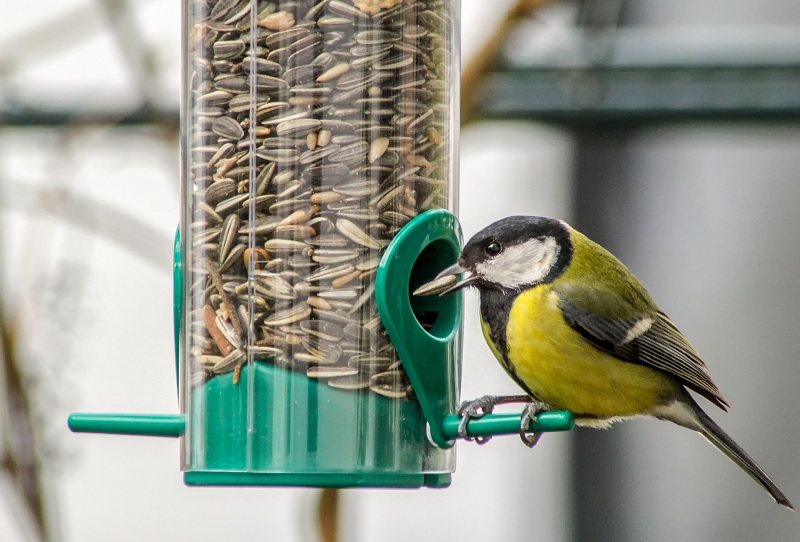
Sunflower seeds, especially black oil sunflower seeds, are popular among birds and can also sprout. These seeds are larger and have a tougher shell, but if the shell cracks or the seed coat is damaged, they can germinate when they come into contact with soil and moisture.
Other seeds like safflower and cracked corn have a lower chance of sprouting because of their size, hardness, or treatment. Cracked corn, for instance, is processed and less viable for germination, so it rarely grows under feeders.
Preventive Measures to Stop Seed Growth
Stopping bird seed from sprouting under feeders requires a mix of thoughtful choices and simple changes in how you set up your feeding area. By taking preventive measures, you can enjoy feeding birds without worrying about unwanted plants growing beneath your feeders. Let’s break down some effective steps you can take, from selecting the right seed to adjusting feeder placement.
Choosing the Right Type of Bird Seed
One of the easiest ways to prevent seed growth under your feeder is by selecting bird seed less likely to germinate. Some seeds sprout more easily, so choosing seed types or mixes that have low germination potential helps reduce sprouting. For example, opting for cracked or processed seeds, such as cracked corn, lowers the chances that dropped seeds will grow, as they are often less viable.
Using Seed Mixes Less Prone to Germination
Specialty seed mixes designed for bird feeding sometimes include seeds that don’t germinate easily or are treated to prevent sprouting. These mixes not only attract a variety of birds but also help keep your feeding area cleaner. Look for mixes that contain seeds like safflower or thistle, which are less likely to grow compared to millet or sunflower seeds. Using these mixes can make a noticeable difference in reducing unwanted seedling growth.
Proper Feeder Placement
Where you place your feeder matters a lot when trying to stop seed growth. Position feeders in locations where spilled seeds won’t easily take root. For instance, avoid placing feeders directly over garden beds, soft soil, or mulch where moisture is retained. Instead, choose spots with minimal soil exposure to limit seed contact with germination-friendly environments.
Avoiding Moist and Shady Areas
Seeds need moisture and light to grow, so placing feeders in dry, well-drained areas with plenty of sunlight reduces the chances of seed sprouting. Shady or damp spots under trees or dense shrubs can create perfect conditions for seeds to germinate. Keeping feeders in sunnier, drier parts of your yard helps discourage seed growth beneath them.
Using Hard Surfaces Beneath Feeders
Another highly effective preventive measure is placing feeders over hard surfaces like concrete, gravel, or paving stones. These surfaces don’t allow seeds to settle into soil, reducing moisture retention and preventing germination. Using a bird seed tray or mat under your feeder can also catch falling seeds and make cleanup easier, further stopping unwanted growth.
Physical Barriers to Prevent Seed Germination
Sometimes, despite your best efforts with seed selection and feeder placement, bird seed still manages to sprout under feeders. In these cases, physical barriers offer a practical solution to stop seeds from taking root. By creating a layer between the dropped seeds and the soil, these barriers prevent moisture and soil contact—two essentials for germination. Here’s a look at some effective physical barriers you can use around your bird feeders.
Ground Covers and Mulch
One of the simplest ways to block seed germination is by using ground covers or mulch beneath your feeder. Mulch, such as bark chips, pine needles, or wood chips, creates a thick layer that makes it difficult for seeds to reach the soil and access moisture. This not only suppresses seed sprouting but also improves the appearance of your feeding area by providing a neat, natural look.
Ground covers like gravel, small stones, or decorative pebbles can serve a similar purpose. They allow seeds to fall but prevent them from embedding in soil. This also helps with drainage, reducing the likelihood of moisture lingering and encouraging germination.
Mesh or Tray Systems Beneath Feeders
Another effective physical barrier is the use of mesh or tray systems placed directly under your feeders. Seed-catching trays are designed to collect fallen seeds, keeping them off the ground. This limits seed exposure to soil and moisture, dramatically reducing the chance of growth.
Fine mesh screens or grids can be installed beneath the feeder to allow seeds to fall through but not settle into the soil. Some bird enthusiasts use hardware cloth or wire mesh as a sturdy option that is easy to clean. These trays and mesh systems also make cleanup simple, as you can gather and dispose of the dropped seeds regularly.
Landscape Fabric Options
Landscape fabric is a more permanent solution for preventing seed germination. It’s a permeable material that lets water drain through but blocks sunlight and stops seeds from reaching soil directly. Laying landscape fabric beneath your feeder creates a long-lasting barrier against sprouting.
This fabric is easy to cut to size and can be secured with garden staples to keep it in place. Covering the fabric with mulch or decorative stones improves the look while further reducing the chance of seeds taking root. Landscape fabric is especially useful if your feeder is in one fixed location and you want a low-maintenance solution to prevent seed growth.
Maintenance and Cleanup Tips
Keeping the area under your bird feeder free from unwanted seed growth requires ongoing care and attention. Regular maintenance not only helps stop seeds from sprouting but also keeps your yard looking neat and inviting for birds. Here are some effective maintenance and cleanup tips to help you manage seed buildup and remove any sprouted plants.
Regular Seed Cleanup
One of the simplest and most important habits is regularly cleaning up fallen bird seed beneath your feeder. Seeds that accumulate on the ground create the perfect environment for sprouting, especially if left unattended. Use a small rake, broom, or hand-held vacuum designed for outdoor use to collect spilled seeds frequently.
Cleaning the area at least once a week, or more often during wet seasons, can greatly reduce the chances of seeds taking root. Additionally, consider placing a seed-catching tray or mat under your feeder to catch dropped seeds and make cleanup easier. Removing excess seeds before they get a chance to germinate is key to preventing unwanted growth.
Using Tools to Remove Sprouted Plants
Despite your best efforts, some seeds may still sprout. Removing these young plants early is crucial to stopping them from becoming established. Hand-pulling seedlings is effective when plants are small, making it easier to remove roots and prevent regrowth.
For tougher or more widespread growth, garden tools like a hoe or small weeding fork can help loosen soil and extract sprouts. Be gentle to avoid disturbing the feeder setup or damaging nearby plants you want to keep. Consistently removing sprouts as soon as they appear prevents them from maturing and spreading.
Safe Herbicides and Natural Remedies
In cases where manual removal isn’t enough, some gardeners turn to herbicides or natural remedies to control seedling growth. When using herbicides, choose products labeled safe for use around birds and outdoor areas. Always follow the manufacturer’s instructions carefully to avoid harming wildlife or desirable plants.
If you prefer a natural approach, vinegar solutions can act as a mild herbicide when sprayed directly on young seedlings. A mix of white vinegar and water (typically one part vinegar to one part water) applied carefully to sprouts can discourage growth without introducing harsh chemicals. Be cautious with any treatment to ensure it doesn’t affect your feeding birds or surrounding vegetation.
Additional Tips for Managing Bird Feeders
Keeping your bird feeding area tidy and free from unwanted seed growth takes more than just choosing the right seed or placing feeders carefully. Small adjustments in how and when you feed birds, along with the right feeder accessories, can make a big difference in reducing seed waste and sprouting. Here are some additional tips to help you manage your bird feeders effectively.
Feeding Schedule and Quantity Control
Controlling how much seed you put out and when you refill feeders is key to minimizing excess seed on the ground. Overfilling feeders often leads to more seeds spilling and falling beneath. Instead, try offering smaller amounts of seed more frequently. This encourages birds to eat the seeds quickly, leaving fewer to drop and sprout.
Setting a consistent feeding schedule also helps. For example, feeding in the morning gives birds ample time to consume the seed during the day. Removing leftover seeds in the evening can prevent seeds from staying on the ground overnight where moisture and cooler temperatures promote germination. Being mindful of seed quantity and timing can greatly reduce waste and unwanted growth.
Types of Feeders That Minimize Seed Drop
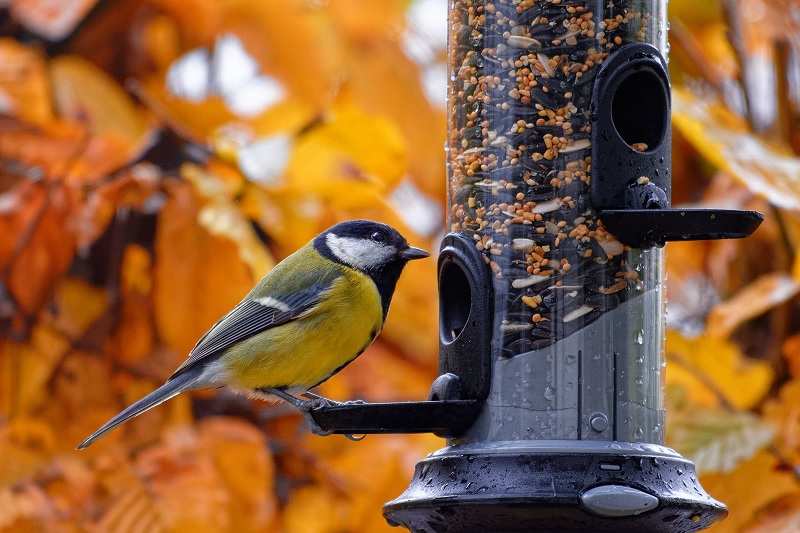
Certain feeder designs are better at minimizing seed spillage. Tube feeders with small feeding ports, hopper feeders with seed trays, or feeders with perches positioned to reduce seed dropping help contain seeds more effectively. Avoid open trays or platform feeders that allow seeds to scatter easily.
Feeders with adjustable ports or weight-activated mechanisms can also reduce seed loss by controlling how much seed is accessible to birds at once. Choosing feeders designed to minimize mess will make your cleanup routine easier and cut down on seeds falling to the ground.
Using Seed Catchers or Seed Guards
Seed catchers and seed guards are practical accessories that attach below feeders to catch falling seeds before they hit the ground. These trays or nets can be made from wire mesh, plastic, or fabric, and come in various sizes to fit most feeder types.
By catching seeds early, seed catchers prevent them from reaching soil where they could germinate. They also make cleanup simpler—just empty the catcher regularly instead of raking or sweeping seeds off the ground. Seed guards can be especially helpful in yards with soft soil or mulch, where seed growth is more likely.
Frequently Asked Questions
Why Does Bird Seed Grow Under My Feeder?
Bird seed grows under your feeder because birds often drop or scatter seeds while feeding. When these seeds land on moist soil with enough sunlight, they can easily germinate and sprout. Factors like rain, dew, or regular watering keep the soil damp, creating ideal conditions for seed growth. If your feeder is placed over bare soil or mulch, seeds have direct contact with the ground, increasing the chances of germination. To stop this, you’ll need to control both the environment under the feeder and how much seed falls to the ground.
What Types Of Bird Seed Are Less Likely To Grow?
Seeds like cracked corn and safflower are less likely to sprout because they are either processed or have tougher shells that reduce germination rates. On the other hand, millet and black oil sunflower seeds tend to sprout easily when dropped. Choosing seed mixes designed to minimize sprouting or using treated seeds can help prevent growth under your feeder. By selecting seed types less prone to germination, you reduce the risk of unwanted plants popping up in your yard.
How Can I Prevent Bird Seed From Growing Under My Feeder?
To prevent bird seed from growing under your feeder, start by selecting seed mixes that have low germination potential. Place your feeder over hard surfaces like concrete or gravel to block seeds from contacting soil and moisture. Using seed-catching trays or mats under your feeder can also catch fallen seeds, making cleanup easier. Additionally, avoid placing feeders in shady, moist areas and opt for sunnier, well-drained spots. Regularly clean up spilled seed and remove any sprouts before they mature.
Are There Physical Barriers That Can Stop Seed Germination?
Yes, physical barriers are an effective way to prevent seed germination under feeders. Mulch, gravel, or decorative stones create a layer that blocks seeds from reaching soil and moisture. Landscape fabric laid beneath the feeder stops seedlings by blocking sunlight while still allowing water to drain. Mesh or seed-catching trays placed under feeders also collect dropped seeds and prevent them from settling into the ground. These barriers reduce the chances of sprouting and make maintenance simpler.
What Maintenance Should I Do To Keep The Area Under My Feeder Seed-Free?
Maintaining a seed-free area requires regular cleanup and attention. Remove spilled seeds frequently using a broom, rake, or handheld vacuum, especially after windy or rainy days. Pull any sprouted seedlings as soon as you notice them to prevent them from growing larger. If sprouts become persistent, consider safe natural remedies like vinegar sprays or, if necessary, use bird-friendly herbicides carefully. Consistent maintenance helps keep your yard tidy and reduces the chance of seed growth beneath your feeder.
Conclusion
Stopping bird seed from growing under your feeder is all about combining smart choices and consistent care. By selecting seeds less likely to sprout, placing feeders over hard surfaces, and using physical barriers like mulch or seed trays, you can greatly reduce unwanted growth. Regular cleanup and timely removal of any seedlings also play a crucial role in keeping your feeding area neat.
Adjusting your feeding schedule and using feeders designed to minimize seed drop further helps control seed waste. With these simple but effective strategies, you can enjoy watching birds visit your feeder without worrying about messy seed sprouts taking over your yard. Keeping your outdoor space clean and inviting benefits both you and your feathered friends.