

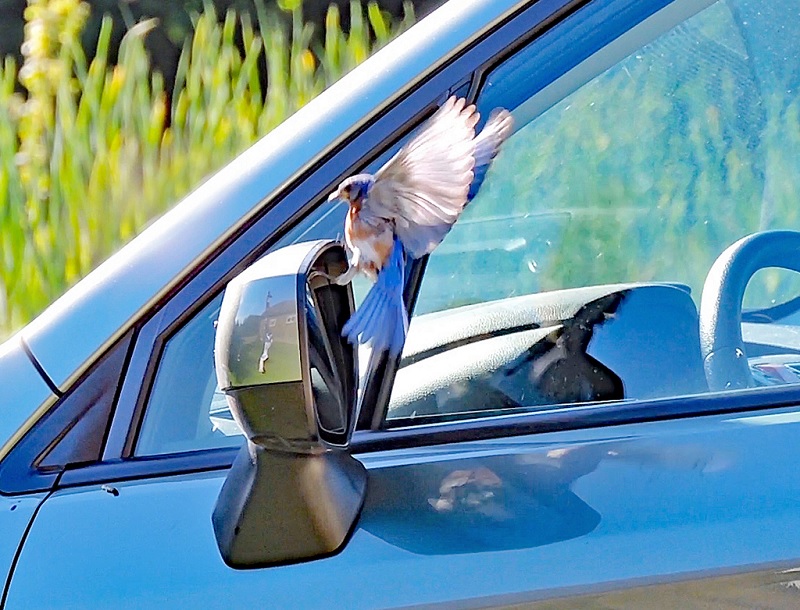
If you’ve ever found yourself puzzled or frustrated by birds repeatedly attacking your car mirrors, you’re not alone. Understanding how to stop birds from attacking car mirrors is a common concern for many drivers. These curious or territorial birds can cause damage, leave droppings, or simply create a nuisance by pecking or diving at the reflective surfaces. It’s often a result of birds mistaking their reflection for a rival, triggering aggressive behavior.
Fortunately, there are practical steps you can take to reduce or even stop this behavior. In this guide, we’ll explore effective, easy-to-implement solutions to protect your car mirrors and keep those persistent birds at bay. Whether you park near trees, live in a bird-heavy area, or just want peace of mind, learning how to stop birds from attacking car mirrors can save you time, money, and frustration. Let’s dive into some simple strategies that really work.
Why Do Birds Attack Car Mirrors?
If you’ve noticed birds repeatedly attacking your car mirrors, it’s usually tied to natural instincts and behaviors. Understanding the reasons behind this behavior can help you find better ways to prevent it. Here are the main causes:

Territorial Behavior
One of the most common reasons birds attack car mirrors is territorial defense. Birds are highly protective of their territory, especially during breeding season. When they see their reflection in the shiny surface of a car mirror, they often mistake it for a rival bird encroaching on their space. This triggers an aggressive response as they try to chase away the “intruder.” Since car mirrors are stationary and reflective, the birds may keep attacking, thinking the rival bird won’t leave.
Reflection Confusion
Car mirrors reflect the surrounding environment almost perfectly, which can confuse birds. They often see their own reflection and interpret it as another bird. This confusion is especially common with species known for territorial displays, like sparrows, robins, or even crows. The mirror essentially acts like a window into what they believe is a neighboring territory or a competitor, sparking repeated attacks. Unlike natural surfaces like leaves or branches, mirrors provide no cues to help birds realize the reflection isn’t real, leading to ongoing frustration for both birds and car owners.
Nesting or Mating Seasons
Birds’ aggressive behavior towards their reflections often intensifies during nesting or mating seasons. During these times, birds are more protective and sensitive to perceived threats. The need to defend their nests, mates, or potential mates increases their likelihood to react strongly to reflections. For example, during the spring, male birds become highly territorial and are more likely to perceive their reflection as a challenger. This heightened aggression can result in repeated attacks on car mirrors, windows, or any reflective surface nearby.
Effective Methods to Prevent Bird Attacks
Physical Barriers
One of the most straightforward ways to stop birds from attacking your car mirrors is by using physical barriers that block their access or disrupt their view of their reflection.
Use of Mirror Covers
Mirror covers are an excellent option to shield your car mirrors from bird attacks. These covers, often made of fabric or plastic, fit snugly over the mirrors and eliminate the reflective surface birds fixate on. They are easy to install and remove, making them practical for daily use. When not in use, simply take them off before driving. Mirror covers are particularly effective in areas with high bird activity or during breeding seasons when birds are more territorial.
Applying Bird Deterrent Tape or Stickers
Another simple physical barrier involves using bird deterrent tape or stickers on or around the mirrors. These products often feature reflective or holographic surfaces that move with the wind, confusing and scaring birds away. The movement and shimmer disrupt the birds’ ability to focus on their reflection, discouraging attacks. Some tapes are specifically designed to reflect UV light, which birds can see better than humans, making them more effective.
Visual Deterrents
Visual deterrents aim to trick birds into thinking there is danger nearby or make the reflective surface less appealing.
Reflective Objects or Decals
Hanging reflective objects like CDs, aluminum foil strips, or commercial reflective decals near your parking area or on your car can deter birds. The flashes of light and constant movement make the area less attractive and can reduce birds’ attempts to attack your mirrors. Reflective decals specifically designed with bird deterrence in mind can be applied directly to the mirror housing to reduce reflections while adding an extra layer of protection.
Fake Predator Figures
Placing fake predator figures such as owls, hawks, or snakes near your car or in your parking area can discourage birds from getting too close. Birds instinctively avoid predators, so these decoys can be effective in reducing attacks. However, it’s important to move or rotate these figures regularly, as birds may get used to them over time if they don’t appear to be a real threat.
Sound Deterrents
Sound deterrents use noise or ultrasonic frequencies to keep birds away without harming them.
Ultrasonic Bird Repellents
Ultrasonic devices emit high-frequency sounds that are unpleasant to birds but usually inaudible to humans and pets. These repellents can be installed near your parking spot or garage to discourage birds from hanging around your car. The advantage of ultrasonic repellents is that they are silent to people but create an uncomfortable environment for birds, making them less likely to attack car mirrors.
Noise Makers
Noise-making devices such as wind chimes, alarms, or automated sound emitters can also help deter birds. The unexpected or repetitive sounds disturb birds’ routines and reduce their willingness to stay in the area. For best results, use noise makers in combination with other deterrents, especially in open parking areas where sound disperses easily.
Chemical Repellents
Chemical repellents are designed to make surfaces unpleasant or uncomfortable for birds without causing harm.
Non-toxic Bird Repellent Sprays
There are non-toxic sprays available on the market that can be applied to car mirrors or nearby surfaces. These repellents often have bitter tastes or scents that birds dislike, discouraging them from landing or pecking. Many are safe for the environment, humans, and pets, making them a responsible choice for ongoing bird control. Before applying, make sure the spray is compatible with your car’s paint and mirror materials to avoid damage.
Homemade Solutions
If you prefer natural or DIY options, several homemade solutions can be effective. A popular method is mixing water with a small amount of vinegar or garlic juice and spraying it lightly on the mirrors or around the car. The smell tends to repel birds without being harsh or harmful. Another DIY trick is placing lemon or orange peels near your parking spot; the citrus scent can deter certain bird species. While homemade solutions may require more frequent application, they offer a budget-friendly and environmentally friendly way to manage bird attacks.
Maintenance Tips to Protect Your Car Mirrors
Keeping your car mirrors in good shape goes beyond just preventing bird attacks. Regular maintenance plays a crucial role in protecting them from damage and ensuring clear visibility while driving. Here are some practical tips on how to maintain and protect your car mirrors effectively.

Regular Cleaning and Inspection
One of the easiest yet most important maintenance steps is cleaning your car mirrors regularly. Dirt, bird droppings, and debris not only reduce visibility but can also damage the mirror’s surface if left untreated. Use a gentle glass cleaner or a mixture of water and mild soap with a soft cloth to clean your mirrors without scratching them. Avoid harsh chemicals that might harm the mirror’s protective coatings.
Along with cleaning, regular inspection is key. Check for any cracks, chips, or loose fittings that could worsen if ignored. Bird attacks can sometimes cause small scratches or dents, and catching these early allows for timely repairs. If you notice any persistent residue from bird droppings, clean it promptly to prevent staining or corrosion.
Parking Strategies to Minimize Bird Contact
Where and how you park your car can significantly impact bird-related issues. Choosing parking spots wisely is an often overlooked but effective preventive measure.
Whenever possible, avoid parking under trees or near bird feeders where birds frequently gather. Birds are more likely to notice their reflection and attack if your car is parked near their common hangouts. If shaded parking spots are limited, try to find covered garages or use carports to protect your vehicle.
If you must park outside, consider positioning your car so that the mirrors face away from open spaces or areas with high bird activity. This reduces the chance of birds spotting their reflection and attacking. Additionally, if you use physical deterrents like mirror covers or reflective tape, remember to apply them before parking and remove them before driving.
When to Seek Professional Help
Sometimes, despite your best efforts, bird attacks on your car mirrors may persist or cause noticeable damage. Knowing when to call in professional help can save you time, money, and frustration while ensuring your vehicle stays in top condition.
Persistent Bird Problems
If you’ve tried various DIY methods—like deterrent tapes, mirror covers, and sound repellents—but birds continue to attack your car mirrors, it might be time to consult an expert. Persistent bird problems often require tailored solutions that take into account your specific location, bird species, and parking environment.
Professional pest control specialists or wildlife experts can assess the situation and recommend effective strategies beyond basic deterrents. They may suggest installing specialized bird-proofing equipment, such as netting or custom-designed visual deterrents that better suit your property. In some cases, they can also help identify if other factors, like nearby nesting sites, are contributing to the problem and advise on humane ways to address them.
Damage Repair and Prevention
Bird attacks don’t just cause annoyance—they can leave your car mirrors scratched, cracked, or even broken. When damage is visible, especially if it affects your visibility or mirror function, seeking professional repair services is crucial. Auto body shops or car detailers can repair or replace damaged mirrors, restoring your car’s appearance and safety.
Beyond repairs, professionals can also help implement preventive measures during the repair process. For example, applying protective films or coatings to your mirrors can reduce reflectivity and make surfaces less attractive to birds. These treatments can significantly cut down on future attacks and extend the lifespan of your mirrors.
Frequently Asked Questions
Why Do Birds Attack Car Mirrors?
Birds often attack car mirrors because they mistake their reflection for a rival bird invading their territory. This territorial behavior is especially common during mating or nesting seasons when birds are more aggressive. The mirror’s reflective surface confuses them, leading to repeated pecking or diving attacks. Understanding this behavior helps you choose the right deterrents to protect your mirrors effectively.
What Are The Best Ways To Prevent Birds From Attacking Car Mirrors?
To prevent birds from attacking your car mirrors, you can use physical barriers like mirror covers or apply bird deterrent tape and stickers that break up reflections. Visual deterrents such as fake predator figures or reflective objects also work well. Additionally, sound deterrents like ultrasonic devices or noise makers can discourage birds. Combining multiple methods often provides the best protection.
Can Using Mirror Covers Really Stop Birds From Attacking?
Yes, mirror covers are one of the most effective and simple solutions to stop birds from attacking your car mirrors. By covering the reflective surface, mirror covers remove the trigger—your car’s reflection—causing the birds to lose interest. They’re easy to install and remove, making them a convenient option, especially during peak bird activity seasons.
Are There Any Safe Chemical Repellents To Keep Birds Away From Car Mirrors?
There are non-toxic bird repellent sprays available that you can safely apply to car mirrors or nearby surfaces. These sprays usually contain ingredients with unpleasant tastes or smells that discourage birds without harming them or your car’s finish. Always check the product instructions to ensure compatibility with your vehicle’s paint and mirror materials before use.
How Can Parking Strategies Help Reduce Bird Attacks On Mirrors?
Where and how you park your car makes a big difference. Avoid parking under trees or near bird feeders where birds gather. If possible, use covered parking or garages to keep your car away from birds’ usual hangouts. Positioning your car so mirrors face away from open spaces or bird activity zones can also reduce reflections that attract birds, minimizing attacks.
Will Sound Deterrents Like Ultrasonic Devices Actually Work Against Birds?
Ultrasonic bird repellents emit high-frequency sounds that birds find uncomfortable but are usually inaudible to humans and pets. These devices can be effective in discouraging birds from hanging around your car mirrors, especially when combined with other deterrents. However, their success depends on the environment and bird species, so they work best as part of a comprehensive bird control plan.
When Should I Consider Professional Help For Bird Attacks On My Car Mirrors?
If bird attacks persist despite using DIY methods or if your car mirrors sustain damage like scratches or cracks, it’s wise to seek professional help. Experts can assess the problem, offer tailored bird-proofing solutions, and provide quality repairs or replacements. They can also recommend protective coatings to prevent future attacks, ensuring your mirrors stay safe and functional.
Conclusion
Learning how to stop birds from attacking car mirrors involves understanding why birds behave this way and applying effective prevention methods. Whether it’s using mirror covers, visual deterrents, sound devices, or non-toxic repellents, a combination of strategies usually works best.
Regular maintenance and smart parking choices also play a key role in minimizing bird attacks. If these efforts don’t solve the problem or if your mirrors get damaged, seeking professional help ensures proper repair and long-term protection. By taking proactive steps, you can protect your car mirrors from unwanted bird damage, saving time, money, and frustration while keeping your vehicle looking its best.