
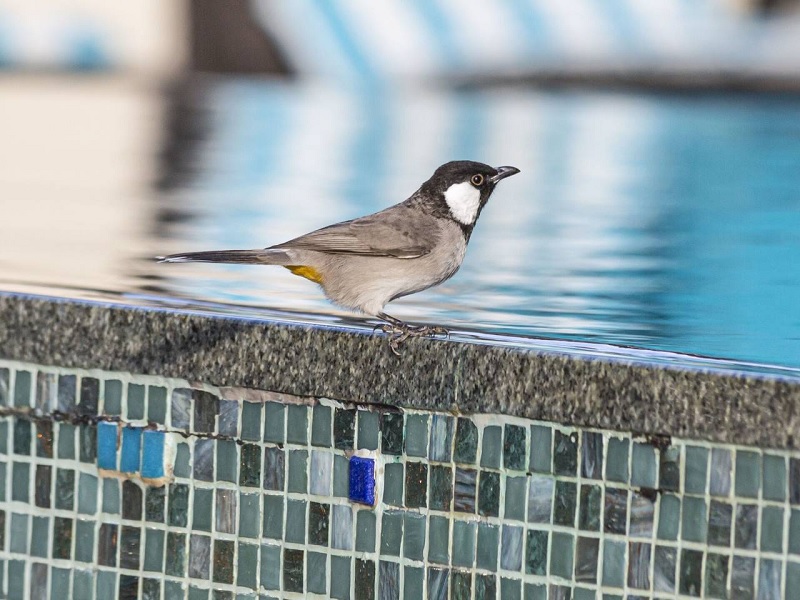
Dealing with birds pooping in your pool can be frustrating and unsightly. If you’ve ever asked yourself, how to stop birds from pooping in my pool, you’re not alone. Many pool owners face this problem, as birds are naturally attracted to water sources, especially during hot weather. Their droppings not only make your pool look dirty but can also introduce harmful bacteria, affecting water quality and your overall swimming experience.
Thankfully, there are practical and effective ways to discourage birds from using your pool as their bathroom. From simple deterrents to more advanced solutions, understanding the behavior of these feathered visitors is key to keeping your pool clean and inviting. In this guide, you’ll find easy-to-follow tips that can help protect your pool from unwanted bird messes, so you can enjoy your backyard oasis without worrying about constant cleanups.
Why Birds Poop in Pools
Pools often become an unexpected hotspot for birds, leading many homeowners to wonder why these feathered visitors choose their backyard oasis as a bathroom. Understanding why birds poop in pools is the first step toward finding effective ways to prevent it. Pools provide several attractions for birds, but the main reasons revolve around their natural behaviors and environmental needs.

Common Bird Species That Target Pools
Certain bird species are more likely to be seen around pools and contribute to the problem of droppings. Some of the most common culprits include pigeons, sparrows, starlings, and doves. Pigeons are highly adaptable birds that often live close to human habitats. They tend to gather around water sources, including pools, especially in urban and suburban areas. Sparrows, small and quick, are drawn to pools for drinking and bathing.
Their large numbers can make the droppings quite noticeable. Starlings, being social birds, often visit pools in groups, and their frequent flights to and from the water result in more droppings around the pool area. Doves, known for their gentle nature, enjoy drinking from calm water sources, including pools. Each of these species uses the pool for hydration, bathing, or cooling off, which naturally leads to droppings in and around the water.
Reasons Birds Are Attracted to Pools
Birds don’t poop in pools just to be a nuisance—there are clear reasons why these spots become so appealing. First and foremost, birds need fresh water daily for drinking and bathing, and pools provide an easy and reliable source, especially in areas where natural water is scarce. Bathing is essential for birds to maintain their feathers and remove parasites, and pools offer a large, accessible area for this purpose.
On hot days, birds use pools to cool their bodies, as the water helps regulate their temperature and keeps them comfortable. Additionally, pools located in open, quiet backyards may feel safer to birds compared to natural water sources that are more exposed to predators. The reflective surface and gentle movement of pool water can also attract birds, as they might mistake the reflections for natural bodies of water or open spaces.
Understanding these motivations helps explain why birds keep returning to your pool—not out of intention to cause trouble, but simply because they are responding to their natural needs. Recognizing this can guide you toward humane and effective solutions to keep birds from making your pool their bathroom spot.
Prevention Methods
Keeping birds from pooping in your pool requires a combination of strategies that address their natural behaviors and motivations. Prevention is often more effective and less frustrating than constant cleaning. Below, we explore various prevention methods, divided into physical barriers, visual deterrents, sound deterrents, and chemical or natural repellents. Each approach offers unique benefits and can be tailored to fit your pool environment and the types of birds causing trouble.
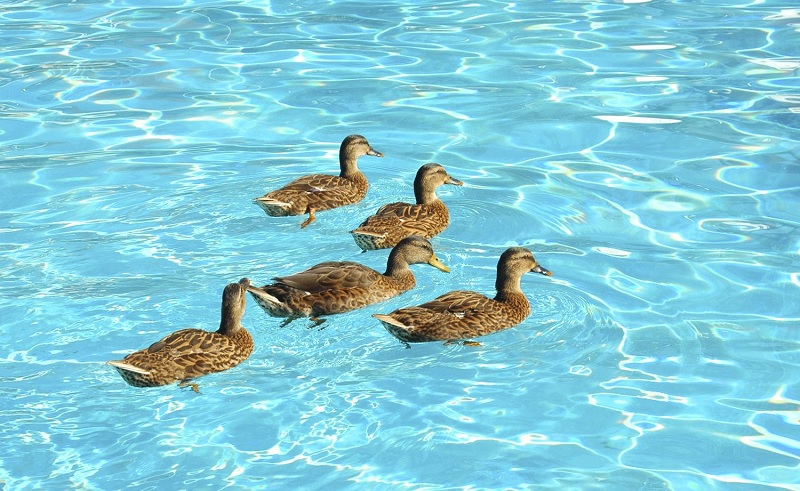
Physical Barriers
Physical barriers are among the most straightforward and reliable ways to prevent birds from accessing your pool area. By limiting their access to the water, you reduce the chances of birds using your pool as a bathroom.
Pool Covers
One of the simplest and most effective physical barriers is a pool cover. Covers come in various forms—manual, automatic, solid, mesh, or solar. A solid pool cover completely blocks access to the water, making it impossible for birds to land or bathe in your pool. Mesh covers also keep debris out and prevent birds from accessing the water while allowing rainwater to pass through.
Using a pool cover when the pool is not in use can dramatically reduce bird visits and droppings. Additionally, pool covers help maintain water cleanliness and reduce evaporation, offering extra benefits beyond bird prevention.
Bird Netting
Bird netting is a popular method for protecting pools, especially in areas heavily populated by birds. The netting is installed over the pool or around its perimeter to create a physical barrier that birds cannot penetrate. This method is particularly useful for larger pools or commercial swimming areas where other deterrents may be less practical.
Netting comes in various mesh sizes and strengths, allowing customization depending on the size of the birds you’re trying to deter. It’s important to ensure the netting is taut and well-secured to prevent birds from getting trapped or tangled.
Pool Fencing
Installing fencing around the pool can serve as both a physical barrier and a visual deterrent. Fencing limits the entry points for birds, especially larger species that may have difficulty maneuvering through narrow gaps. Combining fencing with other deterrents like spikes or wires can further discourage perching and nesting near the pool area.
In addition to preventing birds, pool fencing also adds a layer of safety by keeping children and pets out of the pool when unsupervised.
Visual Deterrents
Birds rely heavily on sight, so visual deterrents can be very effective in discouraging them from visiting your pool. These devices work by creating an environment that feels unsafe or unfamiliar to birds.
Reflective Objects
Reflective objects are an easy and inexpensive way to keep birds away. Items such as old CDs, reflective tape, mirrors, or specially designed bird scare strips can be hung or placed around the pool area. The sunlight bouncing off these objects creates flashes of light that startle birds and discourage them from landing nearby.
Moving reflective objects tend to be more effective than stationary ones because they mimic sudden movements that birds instinctively avoid. For best results, position these objects where they catch sunlight throughout the day.
Decoy Predators
Decoy predators mimic the presence of natural bird enemies. Common decoys include plastic owls, hawk statues, or even realistic models of snakes. Birds tend to avoid areas where they sense a predator, making these decoys a useful tool to keep your pool bird-free.
However, birds can get used to stationary decoys if they remain in one place for too long. To maintain effectiveness, it’s important to move the decoys regularly or use those with motion features, such as rotating heads or fluttering wings.
Scare Balloons and Lights
Scare balloons are large, colorful balloons with eye patterns designed to resemble the eyes of predators. These balloons float or are tethered near pools to frighten birds away. Their movement in the wind and the intimidating eye spots create a sense of danger for birds, making them think twice before approaching.
Lights, especially flashing or strobe lights, can also deter birds, particularly at dawn or dusk when they are most active. Using solar-powered or motion-activated lights reduces energy consumption and can increase the unpredictability of the deterrent effect.
Sound Deterrents
Sound deterrents use noise to disrupt birds’ comfort and discourage them from frequenting the pool area. These methods often require some trial and error to find the right balance that deters birds without disturbing humans.
Ultrasonic Devices
Ultrasonic bird repellents emit high-frequency sounds that are unpleasant to birds but usually inaudible to humans. These devices can cover a wide area and are easy to install around pools. Ultrasonic deterrents work by interfering with birds’ communication and navigation, prompting them to leave the area.
The effectiveness of ultrasonic devices can vary depending on the species and the environment, as some birds may become accustomed to the sounds over time. Rotating or combining these with other deterrents often yields the best results.
Recorded Predator Calls
Another sound-based method is playing recorded calls of predator birds like hawks or owls. These calls trigger birds’ natural fear responses, making the pool area seem dangerous. Using a timer or motion sensor to play these sounds intermittently can prevent birds from getting used to them.
It’s important to position speakers strategically around the pool and vary the volume and timing to enhance effectiveness. Combining predator calls with visual deterrents can amplify the impact and keep birds away more reliably.
Chemical and Natural Repellents
Chemical and natural repellents provide additional options for discouraging birds without physically blocking their access. These methods focus on creating an unpleasant environment for birds or using scents they find off-putting.
Safe Bird Repellents
Safe bird repellents are commercially available sprays or gels designed to make surfaces uncomfortable for birds to land on. These products are usually non-toxic and safe for both birds and humans, causing birds to avoid treated areas without harm.
For pools, repellents can be applied to surrounding furniture, decking, or poolside ledges where birds like to perch. It’s important to choose repellents labeled as safe for outdoor use and follow all manufacturer instructions to avoid contaminating the pool water.
Natural Deterrents
Natural deterrents like certain herbs and essential oils can also keep birds at bay. Plants such as lavender, rosemary, and mint have strong scents that birds tend to dislike. Planting these around the pool area or using essential oils in sprays can create a fragrant barrier that discourages birds from approaching.
Peppermint oil, citronella, and eucalyptus are common essential oils used for bird deterrence. They can be diluted with water and sprayed on poolside surfaces regularly. These natural solutions are eco-friendly and safe for pets and children, making them ideal for those who prefer chemical-free options.
Maintenance Tips to Minimize Bird Presence
Keeping birds away from your pool is not just about setting up deterrents—it also requires consistent maintenance to minimize factors that attract them. By following a few practical maintenance tips, you can significantly reduce the chances of birds lingering around your pool area. This section highlights the importance of a regular cleaning routine, removing food sources, and managing the landscaping surrounding your pool.
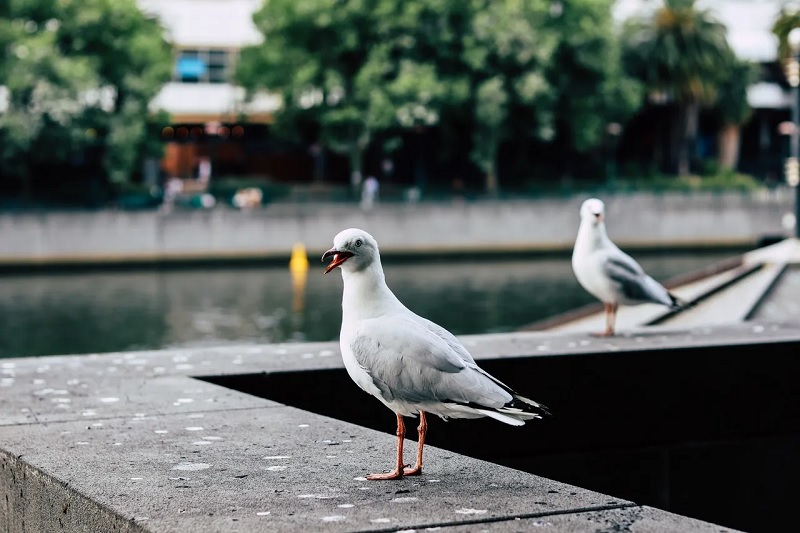
Regular Cleaning Routine
A clean pool and surrounding area are less inviting to birds. Bird droppings and leftover food scraps can attract more birds, creating a cycle that’s hard to break. Establishing a regular cleaning routine helps keep your pool area tidy and less appealing to unwanted guests.
Skimming the pool daily to remove leaves, feathers, and debris is essential. This also prevents buildup that can harbor bacteria and algae, which might attract insects—another food source for birds. Cleaning the pool deck, furniture, and any nearby surfaces regularly reduces perching spots and potential nesting materials.
Don’t forget to clean drains and gutters to avoid stagnant water pools, which can also draw birds. The cleaner your pool environment, the less reason birds have to stick around.
Removing Food Sources
Birds are often drawn to areas where they can find food easily. This can include bird feeders, uncovered trash bins, pet food left outside, or even food scraps from human activities near the pool.
Avoid placing bird feeders near the pool area, as they will attract not only birds but also pests. Keep trash bins tightly sealed and clean up any food spills immediately. If you have outdoor dining or picnic areas by your pool, make sure to clean up after meals thoroughly.
Additionally, if you feed pets outdoors, bring their food dishes inside once they’ve finished eating. Removing accessible food sources significantly reduces the chances of birds visiting your pool area in search of an easy meal.
Managing Surrounding Landscaping
The plants and trees around your pool can either attract or repel birds depending on how they’re managed. Dense shrubs and fruit-bearing trees near the pool can serve as nesting sites or food sources for birds, encouraging them to stay.
To minimize bird presence, trim back overgrown bushes and trees close to the pool. Choose landscaping options that are less attractive to birds, such as thorny plants or non-fruiting varieties. Removing fallen fruit or seeds from the ground also helps reduce food availability.
Consider adding plants that naturally repel birds, like lavender or rosemary, which have scents birds dislike. Proper landscaping management not only enhances the aesthetics of your pool area but also plays a key role in discouraging birds from settling nearby.
Long-Term Solutions
For persistent bird problems around your pool, long-term solutions can provide more reliable and lasting results. While short-term methods like visual and sound deterrents help, investing in permanent measures ensures your pool stays clean and bird-free over time. Two effective long-term strategies include installing bird spikes or wires and hiring professional bird control services.
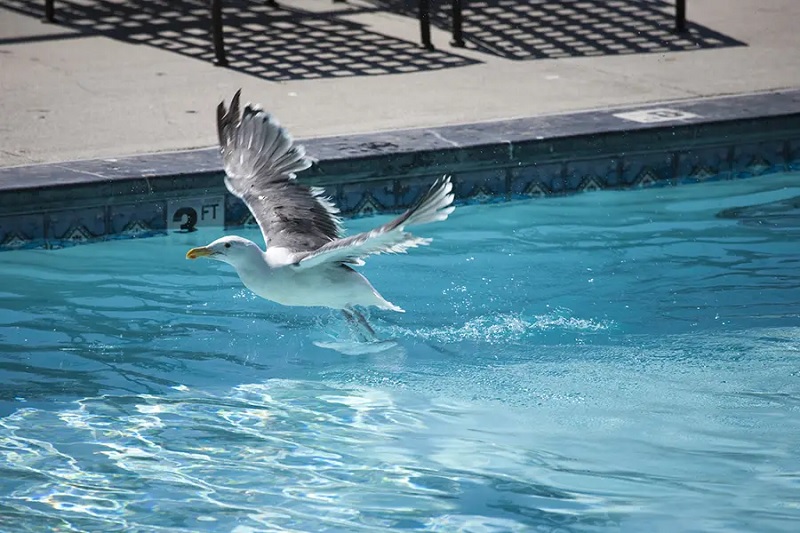
Installing Bird Spikes or Wires Around Pool Area
Bird spikes and wires are physical deterrents designed to prevent birds from landing and perching near your pool. These devices are discreet yet highly effective in discouraging birds from settling on pool fences, ledges, and other structures around the pool.
Bird spikes are small, needle-like strips usually made of plastic or metal. When installed on surfaces where birds like to perch, such as poolside rails, fences, and lighting fixtures, the spikes create an uncomfortable landing spot without harming the birds. Because the spikes cover a wide area and are difficult to remove, birds quickly learn to avoid these places.
Bird wires, also called tensioned wire systems, consist of thin, stainless steel cables stretched tightly across ledges or railings. These wires create an unstable surface for birds trying to land. The wires are less visible than spikes and blend well with modern pool designs, making them a popular choice for homeowners concerned about aesthetics.
Both spikes and wires require professional installation to ensure they are secure and effective. Once installed, these deterrents can last for many years with minimal maintenance, providing peace of mind that your pool area remains bird-free.
Professional Bird Control Services
If bird problems persist despite your efforts, professional bird control services offer expert solutions tailored to your specific situation. These companies assess your property, identify the species involved, and design a comprehensive plan using the latest bird deterrent technologies.
Professionals can install advanced deterrents such as automated scare systems, netting, and specialized repellents more effectively than DIY attempts. They also ensure that all methods comply with local wildlife regulations and are humane.
Frequently Asked Questions
How Can I Prevent Birds From Pooping In My Pool?
To prevent birds from pooping in your pool, you need to make the area less attractive and accessible to them. Start by using physical barriers like pool covers or bird netting to block their access. Visual deterrents such as reflective objects, decoy predators, or scare balloons can scare birds away. Sound deterrents like ultrasonic devices or recorded predator calls also help keep birds at a distance. Additionally, maintain a clean pool environment, remove food sources nearby, and manage your landscaping to reduce bird attractions. Combining several of these methods increases your chances of success.
Are Pool Covers Effective In Keeping Birds Away?
Yes, pool covers are one of the most effective ways to keep birds from landing in and pooping in your pool. A solid or mesh pool cover acts as a physical barrier, preventing birds from accessing the water. Besides deterring birds, pool covers help maintain water cleanliness, reduce evaporation, and improve safety by preventing accidental falls. For best results, use a cover whenever your pool is not in use, especially during seasons when bird activity is high.
What Visual Deterrents Work Best To Stop Birds Around Pools?
Visual deterrents that create movement or mimic predators are especially effective. Reflective objects like old CDs or reflective tape flash sunlight unpredictably, scaring birds away. Decoy predators such as plastic owls or hawks can also discourage birds, though they need to be moved regularly to prevent birds from getting used to them. Scare balloons with large eye patterns and flashing lights are additional options that create a sense of danger for birds, making your pool area less inviting.
Can Ultrasonic Devices Really Keep Birds From Pooping In My Pool?
Ultrasonic devices emit high-frequency sounds that are unpleasant to birds but usually inaudible to humans. They can disrupt birds’ communication and make your pool area uncomfortable for them, which helps reduce visits. However, some birds may become accustomed to these sounds over time, so using ultrasonic devices in combination with other deterrents is recommended for better effectiveness. Placement and coverage area are important factors to consider when using these devices.
What Maintenance Practices Help Minimize Bird Presence Around Pools?
Regular maintenance plays a key role in minimizing bird presence. Skim your pool daily to remove debris and droppings, clean poolside surfaces frequently, and keep drains clear to avoid stagnant water. Removing food sources such as uncovered trash bins, bird feeders near the pool, or pet food left outside will reduce bird attraction. Managing landscaping by trimming overgrown bushes and choosing non-fruiting plants also discourages birds from nesting or perching nearby. Consistent upkeep makes your pool area less appealing to birds overall.
Conclusion
Birds pooping in your pool isn’t just an annoying mess—it’s a natural result of how birds interact with their environment. They’re drawn by the water, shelter, and food sources your backyard may offer. Understanding why birds poop in pools is key to preventing it. With the right combination of deterrents, from physical barriers like pool covers to visual scares and natural repellents, you can reclaim your poolside comfort.
Regular maintenance, thoughtful landscaping, and even long-term solutions like bird spikes or professional services can all help keep feathered intruders away. A bird-free pool is not only cleaner but also safer and more enjoyable for you and your guests.