

If you’ve ever walked outside to find your driveway dotted with unsightly bird droppings, you’re not alone. It can be frustrating—and frankly gross—when birds use your property as their personal bathroom. Beyond just being a nuisance, bird poop can actually damage your car’s paint and leave tough stains on concrete, not to mention the extra cleaning time it adds to your routine. That’s why many homeowners find themselves searching for practical solutions on how to stop birds from pooping on my driveway.
While birds are a natural and important part of the environment, that doesn’t mean you have to sacrifice the cleanliness of your outdoor spaces. Whether it’s persistent pigeons, starlings, or other neighborhood birds, there are safe, humane, and effective strategies you can use to keep them away. In this guide, we’ll explore some of the best ways to deter birds from targeting your driveway—without harming them or disrupting the ecosystem.
Understanding the Problem
When trying to solve the messy issue of birds targeting your driveway, the first step is understanding why it’s happening in the first place. Knowing what attracts birds and which species are most commonly responsible can help you choose the most effective and humane solutions.
Why Birds Are Attracted to Your Driveway
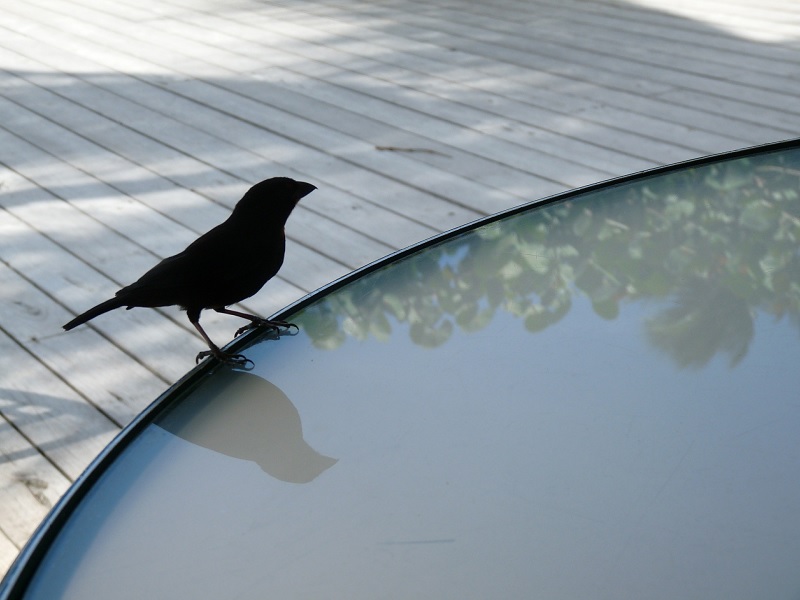
Birds aren’t pooping on your driveway just to annoy you—there are actually a few practical reasons why they keep showing up. One of the biggest attractants is food. If your driveway is near trash bins, pet food bowls, fruit trees, or even areas where insects gather, birds will see it as a convenient feeding spot. Shiny surfaces, like car roofs or certain paving materials, can also catch a bird’s attention, making the area more appealing for perching or nesting.
Another key factor is shelter. Overhanging trees, ledges, nearby fences, and even open garages provide ideal spots for birds to perch and rest. From these vantage points, it’s easy for them to make a mess without much effort.
In some cases, driveways are simply part of a bird’s routine flight path. Birds are creatures of habit, and if your property is on their regular route between food sources and nesting sites, you may find yourself dealing with frequent droppings.
Common Bird Species That Cause the Issue
Not all birds are equally problematic when it comes to driveway droppings. Some species are more prone to loitering and leaving messes than others. One of the most common culprits is pigeons. These urban dwellers often gather in large flocks and are not easily startled, making them persistent visitors to your driveway. Their droppings are not only unsightly but can also be corrosive over time.
Another frequent offender is the starling. Known for their loud calls and flocking behavior, starlings tend to roost in trees, ledges, or rooftops near driveways, creating quite a mess below. Their droppings can accumulate rapidly, especially if they gather in large numbers.
Sparrows, though small in size, are highly social and commonly found around homes and buildings. Because they live and travel in groups, the mess they leave behind can build up quickly if they regularly visit or nest near your driveway.
Crows are another species to watch out for. These highly intelligent birds are attracted to shiny objects, food scraps, and trash. Due to their larger size, their droppings tend to be more noticeable and potentially more damaging to vehicles and concrete surfaces.
Lastly, seagulls can be a significant nuisance, especially if you live near the coast or a large body of water. These opportunistic feeders often hang around open areas like driveways in search of food, leaving behind large and frequent droppings that are difficult to clean.
By identifying which bird species are causing the issue on your property and understanding their behavior, you’ll be in a much better position to apply effective, species-specific deterrents to help keep your driveway clean and bird-free.
Immediate Solutions
If you’re dealing with a bird poop problem on your driveway, the best approach is to take immediate action. While long-term strategies may take time to implement, there are several quick and effective solutions that can help reduce the mess right away. These tactics focus on cleaning up current droppings and using deterrents to keep birds from coming back.
Clean Existing Droppings Thoroughly
Before setting up deterrents, it’s important to clean any existing bird droppings thoroughly. Not only are bird droppings unsightly, but they’re also acidic and can damage surfaces like concrete and car paint if left untreated. Use a high-pressure hose or a mixture of water and mild detergent to scrub the area. For stubborn stains, a mixture of vinegar and baking soda can work wonders. Be sure to wear gloves and a mask when cleaning, as bird droppings can carry bacteria and diseases. A clean driveway helps reset the space, removing the scent or visual markers that might draw birds back.
Use Visual Deterrents
One of the easiest and most affordable ways to discourage birds from hanging around your driveway is by using visual deterrents. Birds are wary of sudden movement, unfamiliar objects, or anything that might indicate danger, so you can use this to your advantage.
Reflective Objects
Reflective surfaces can confuse and frighten birds, making them think predators are nearby or tricking them into thinking the space is unsafe. Try hanging old CDs, aluminum foil strips, or specialized reflective tape around the perimeter of your driveway or in nearby trees and shrubs. The flashing light and movement will deter birds from landing. You can also use garden spinners or pinwheels for a similar effect. Just remember to reposition them occasionally so birds don’t get used to them.
Predator Decoys
Another effective deterrent is the use of predator decoys. Owls, hawks, and even snakes are natural enemies of many nuisance birds. By placing realistic decoys near your driveway—on fences, rooftops, or poles—you can create the illusion of a dangerous environment. Choose decoys with moving parts or reflective eyes for added realism, and be sure to move them periodically to maintain the illusion. Static decoys that never change position may eventually be ignored by smarter species like crows and pigeons.
Long-Term Prevention Strategies
While immediate solutions are helpful for reducing bird droppings in the short term, lasting results come from consistent and proactive measures. Long-term prevention focuses on making your driveway and surrounding areas less attractive to birds altogether. From physical barriers to sound-based repellents and better property management, these strategies can significantly reduce—or even eliminate—the problem over time.

Install Physical Barriers
One of the most effective ways to keep birds off your property is by installing physical barriers that prevent them from landing or nesting near your driveway. These solutions work well in areas where birds commonly perch or gather, such as ledges, fences, and nearby roofs.
Netting or Wire Systems
Bird netting is a discreet yet effective way to keep birds from roosting in trees or on structures near your driveway. It creates a physical block that prevents birds from accessing their preferred perches. You can also install wire systems, which are thin, tensioned wires placed along ledges or rooflines. Birds find these uncomfortable to land on, so they’ll usually move on to more welcoming spots. Both netting and wires are long-lasting, humane solutions that blend well with most property styles when installed correctly.
Spikes (for Overhead Perches)
Bird spikes are another widely used deterrent, particularly effective for preventing birds from resting on fences, gutters, or overhead wires. These spikes don’t harm the birds; they simply make the surface uncomfortable and uninviting. If your driveway is often targeted from above, placing spikes along common perching spots can dramatically reduce droppings. Look for weather-resistant stainless steel or plastic spike strips that are easy to install and require minimal maintenance.
Use Sound-Based Repellents
Birds are sensitive to certain sounds, especially those that mimic predators or distress calls. Ultrasonic bird repellents emit high-frequency noises that are unpleasant to birds but inaudible to humans. Other models may use random distress calls or predator sounds to create an environment that feels unsafe to loiter in. When used consistently and placed strategically near the driveway, sound-based repellents can disrupt bird routines and encourage them to move elsewhere. To maintain effectiveness, rotate the sounds periodically so birds don’t become accustomed to them.
Apply Bird-Repellent Gel or Spray
Bird-repellent gels and sprays are a low-maintenance option for keeping birds away from specific surfaces. These products create a sticky or unpleasant texture that discourages birds from landing. While gels are best used on ledges, fences, or light fixtures, sprays can be applied to trees, shrubs, or even driveways (as long as they are safe for the surface). Be sure to choose non-toxic, weather-resistant formulas, and reapply as directed to maintain effectiveness.
Remove Food Sources
Birds often return to places where they can easily find food. Eliminating these sources is a crucial step in long-term bird control. If your property offers an easy meal, no amount of deterrents will keep them away for good.
Trash Management
Secure your garbage bins with tight-fitting lids and avoid leaving trash bags or food scraps exposed near your driveway. Even small crumbs or pet food can attract birds, especially species like pigeons, starlings, and crows. If you compost, ensure your compost bin is covered and located away from your driveway area.
Eliminate Standing Water
Birds also look for water sources to drink and bathe in. Check your property for areas where water collects—such as clogged gutters, puddles, or open containers—and address them quickly. Fix any leaks, drain puddles, and remove buckets or unused planters that collect rainwater. By eliminating access to food and water, your driveway becomes far less appealing to birds over time.
Landscaping and Environmental Changes
In addition to physical and chemical deterrents, changes to your property’s landscape can play a crucial role in keeping birds away from your driveway. Many birds are drawn to certain types of vegetation and environmental features that offer food, shelter, or perching spots. By making strategic landscaping choices, you can reduce the appeal of your yard and driveway to unwanted feathered visitors.
Trim Overhanging Trees
Overhanging tree branches are one of the most common reasons birds spend time above driveways. These branches provide a perfect perch for resting or scouting for food—and unfortunately, that often leads to droppings accumulating below. Regularly trimming trees near your driveway can greatly reduce bird activity.
Focus on cutting back branches that hang directly over the area where you park your car or walk. Not only does this remove convenient resting spots, but it also allows more sunlight and airflow, which can discourage nesting and roosting. Be sure to consult a professional arborist if you’re dealing with large or mature trees, especially if they’re close to power lines or your home.
Avoid Berry-Producing Plants Nearby
Birds love berries—and if you’ve planted shrubs or trees that produce fruit, you might be unintentionally inviting them in. While berry-producing plants like holly, dogwood, serviceberry, or mulberry are attractive and often low-maintenance, they’re also a major food source for birds.
If these plants are located near your driveway, birds are more likely to feed in the area and leave droppings behind. Consider replacing them with bird-resistant alternatives such as evergreen shrubs, ornamental grasses, or flowering plants that don’t bear fruit. If removing the plants isn’t feasible, regularly prune them and pick up fallen fruit from the ground to reduce their appeal.
Additionally, avoid placing bird feeders near your driveway. While feeding birds may be enjoyable, it attracts them directly to the area you’re trying to keep clean. If you want to keep a feeder, move it to the opposite side of your yard, far from your driveway or any paved areas.
By modifying your landscape with bird deterrence in mind, you can make your driveway far less attractive to birds over time. Combined with other prevention methods, these environmental adjustments help build a comprehensive strategy for keeping bird droppings off your driveway and maintaining a cleaner, more welcoming outdoor space.
DIY Solutions and Home Remedies
If you’re looking for budget-friendly and effective ways to keep birds from turning your driveway into their personal bathroom, there are several do-it-yourself methods that can make a noticeable difference. These simple home remedies use common household items to create visual or physical deterrents that confuse or discourage birds from lingering in unwanted areas. While they might not offer a permanent fix on their own, they can be a valuable part of a broader bird-control strategy.
Hanging CDs or Aluminum Foil
Birds are easily startled by light and movement, which is why shiny, reflective objects are commonly used to scare them off. One of the most popular and affordable DIY methods is hanging old CDs or strips of aluminum foil around the area where birds are most active.
The spinning motion and flashing light from the reflective surfaces disorient birds and make them feel unsafe. You can tie CDs or foil to tree branches, poles, or fences near your driveway using string or fishing line. For best results, position them where they’ll catch sunlight and move in the wind. You can also experiment with reflective tape, pie pans, or even silver holiday ornaments—anything that glints in the light and shifts with motion will work.
Remember to move or adjust the objects every week or so. Birds are intelligent and may become accustomed to stationary items, reducing their effectiveness over time.
Chalk Line or String Tricks
Another creative home remedy involves using string or chalk lines to make landing uncomfortable for birds. This trick is especially helpful if birds tend to perch on wires, fences, or the edges of your roof near your driveway.
To do this, stretch fishing line, strong thread, or thin wire across the common landing zones. The idea is to create a thin, almost invisible barrier that disrupts the birds’ ability to land comfortably. They typically don’t like unstable or narrow perching areas and will likely avoid them.
If birds are gathering directly on the driveway itself, you can draw bold chalk lines in a crisscross pattern across the surface. While this method isn’t foolproof, some homeowners report that the unusual visual effect may confuse birds or discourage them from walking or landing in those areas—at least temporarily.
DIY bird deterrents are cost-effective, easy to set up, and safe for both you and the birds. While they may need frequent adjustment or reinforcement, they’re a great way to get started on keeping your driveway clean and bird-free.
When to Call a Professional
While DIY methods and prevention strategies can go a long way in keeping birds off your driveway, sometimes the problem becomes too persistent or complex to handle on your own. If you’ve tried multiple solutions and birds continue to roost, nest, or leave droppings all over your property, it may be time to bring in the professionals. Pest control and wildlife experts have the experience, tools, and legal knowledge to resolve the issue safely and effectively—especially if protected species or health risks are involved.
Pest Control Services
Professional pest control companies often offer bird control as part of their services. These teams are trained to identify the source of the problem, assess why birds are targeting your property, and implement a tailored plan to deter them. This may include installing advanced deterrent systems like bird netting, ultrasonic devices, or motion-activated sprinklers—tools that may not be as effective when used incorrectly by homeowners.
Additionally, pest control professionals use humane and legal methods to prevent harm to the birds, which is crucial if you’re dealing with species protected by wildlife laws. They can also apply commercial-grade repellents that are stronger and longer-lasting than consumer products. If bird droppings have created a health hazard or have damaged your property, pest control services often include thorough cleaning and sanitization.
If the bird issue is causing property damage, health concerns, or significant stress, hiring a pest control professional can be a smart, efficient investment.
Wildlife Removal Experts
In some cases, especially when birds have nested in nearby trees, roofs, or structures, a licensed wildlife removal expert may be the best option. These professionals specialize in handling situations where birds are nesting or breeding close to homes. Attempting to move or disturb a nest yourself—particularly if the species is protected—can lead to legal trouble and harm the birds.
Wildlife removal experts can safely remove nests (if allowed), seal entry points, and implement long-term exclusion techniques to prevent birds from returning. They also understand the behavioral patterns of different species, which allows them to offer more targeted and permanent solutions.
If birds have moved beyond casual visitors and have become full-time residents, it’s wise to get expert help. These professionals ensure compliance with local wildlife laws while helping you restore peace and cleanliness to your driveway and property.
Frequently Asked Questions
Why Do Birds Keep Pooping On My Driveway?
Birds are often attracted to driveways for a few key reasons: food sources, nearby water, shelter, or ideal perching spots. If you have overhanging trees, trash bins, or berry-producing plants near your driveway, birds may see it as a convenient place to rest and feed. Once a bird starts using a specific area, others may follow. Their droppings then become a regular nuisance, especially if it’s part of their daily flight path or roosting routine.
What Is The Best Way To Immediately Stop Birds From Pooping?
To quickly stop birds from pooping on your driveway, start by cleaning up any existing droppings thoroughly. Then, use visual deterrents like reflective tape, hanging CDs, or aluminum foil strips. These create light flashes and movement that scare birds away. Predator decoys, such as plastic owls or hawks, can also help discourage birds from landing nearby. For the fastest results, combine multiple deterrents to disrupt their behavior.
Do Reflective Objects Really Keep Birds Away?
Yes, reflective objects are one of the most effective and inexpensive ways to deter birds. Birds are naturally cautious and dislike flashing lights or sudden movements. Hanging reflective materials such as old CDs, aluminum foil, or specialized bird tape in nearby trees or around the driveway can confuse or scare birds, causing them to avoid the area. Just be sure to reposition them every few days to maintain their effectiveness.
Can Certain Plants Attract Birds To My Driveway?
Absolutely. Berry-producing plants like holly, serviceberry, or dogwood attract birds looking for an easy food source. If these are planted near your driveway, birds are more likely to linger—and leave droppings behind. To discourage this, consider replacing fruiting plants with non-fruiting shrubs or ornamental grasses. Also, keep the area clean by removing any fallen fruit that might tempt birds to return.
Are There Any Safe And Humane Bird Repellents I Can Use?
Yes, there are several safe and humane bird repellents available, including bird-repellent gels and sprays that create an unpleasant texture or smell for birds. These products don’t harm the birds—they simply make your driveway or surrounding areas less inviting. You can also use ultrasonic bird repellents that emit high-frequency sounds that birds dislike but humans can’t hear.
When Should I Call A Professional For Bird Control?
If birds are nesting nearby, returning in large numbers, or your DIY efforts haven’t worked, it may be time to call a professional. Pest control or wildlife removal experts can assess the situation and implement legal, humane, and long-lasting solutions. This is especially important if the bird species are protected or causing health risks due to frequent droppings.
Conclusion
Dealing with birds pooping on your driveway can be frustrating, but with the right approach, you can effectively reduce and prevent the problem. Start by understanding why birds are attracted to your space and tackle the issue with a combination of immediate cleaning, visual deterrents, and long-term solutions like physical barriers and sound repellents.
Don’t forget the importance of landscaping adjustments and removing food and water sources that invite birds in the first place. If your efforts don’t work, calling a professional ensures a safe and effective resolution. With patience and consistent action, you can keep your driveway clean, bird-free, and enjoyable all year round.