
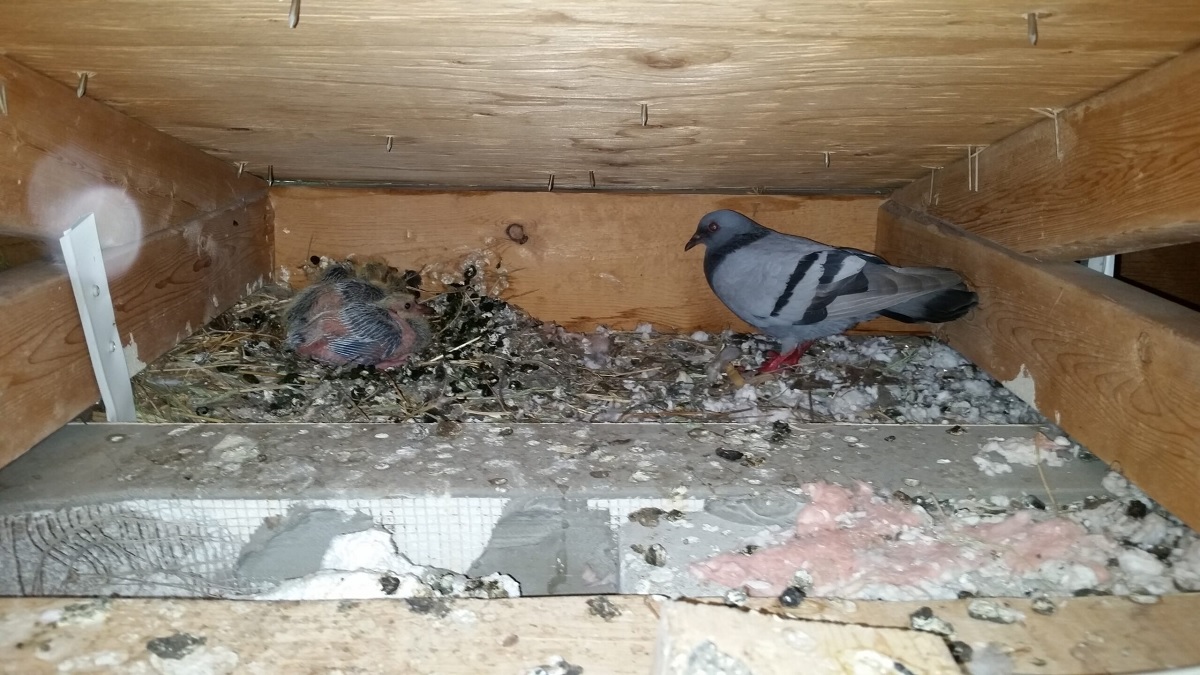
Birds nesting in soffits can be a common and frustrating problem for homeowners. If you’ve been wondering how to stop birds nesting in soffit, you’re not alone. While birds play an important role in nature, their choice to build nests in your home’s soffit can lead to noise, mess, and even damage to your property. Soffits—those covered spaces under the roof’s edge—provide a sheltered, quiet spot that birds find ideal for nesting.
But left unchecked, this can cause blockages, attract pests, and create maintenance headaches. In this guide, we’ll explore practical and effective ways to prevent birds from making your soffit their home, without harming them. Whether you’re dealing with sparrows, pigeons, or other common nesting birds, learning how to stop birds nesting in soffit will help protect your home and keep your living environment clean and peaceful.
Why Birds Nest in Soffits
Birds often choose to nest in soffits because these spaces offer the perfect combination of shelter, safety, and proximity to food sources. Understanding why birds nest in soffits can help you take the right steps to prevent them from settling in your home.
Common Bird Species That Nest in Soffits
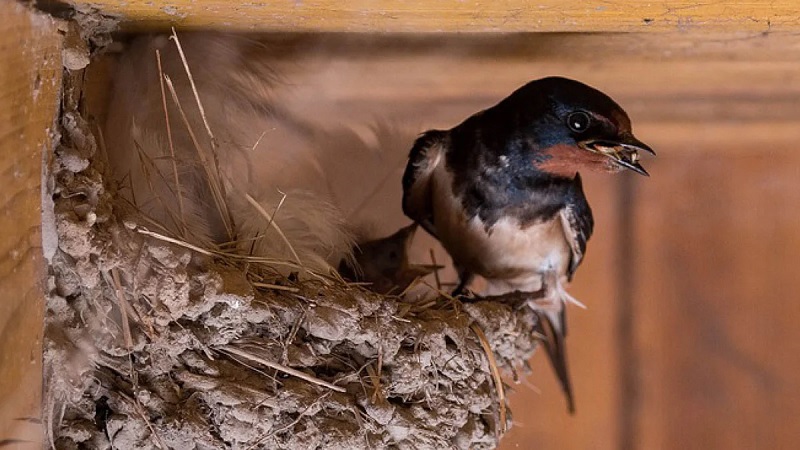
Certain bird species are especially known for nesting in soffits and other parts of buildings. House Sparrows, for example, are small and highly adaptable birds that thrive in urban and suburban areas. They often build messy nests in soffits, gutters, and eaves. Pigeons, which are larger birds, prefer sheltered ledges and cavities; they can cause significant damage and droppings buildup.
Starlings are known for their aggressive nesting habits and tend to occupy cavities like soffits and vents, sometimes even displacing native birds. Swallows prefer high, sheltered spots and may build mud nests on soffit edges or under eaves. Wrens, being small songbirds, can squeeze into tight spaces such as soffit vents. Each of these species looks for safe places to protect their eggs and young from predators and harsh weather, making soffits an especially appealing option.
Why Soffits Are Attractive to Birds
Soffits provide several advantages that make them ideal nesting spots for birds. First, they offer shelter from weather since soffits are usually tucked away under the roofline, protecting birds from rain, wind, and extreme sun. This natural cover helps keep nests dry and safe. Additionally, soffits provide safety from predators because they are elevated and often hard to reach, offering protection against many ground-based predators such as cats, snakes, and raccoons. Birds also value the seclusion soffits provide—these areas tend to be quieter and less trafficked, giving birds peace and relative privacy while raising their young.
The enclosed nature of soffits can help maintain a warmer microenvironment, which is crucial for incubating eggs and keeping hatchlings warm. Lastly, soffits are often easily accessible to birds due to gaps, vents, or damaged areas in the home’s exterior, allowing them to fly in and out easily while building their nests.
Understanding these factors highlights why soffits become bird nesting hotspots and underscores the importance of maintaining your home’s exterior to discourage unwanted avian guests. Taking steps to secure soffits can reduce their appeal and help prevent birds from making your home their nesting site.
Birds Nesting in Soffits
Recognizing the presence of birds nesting in your soffits early can save you from bigger problems down the line. Birds nesting in soffits not only create noise and mess but can also cause structural damage if left unchecked. Knowing the signs will help you identify and address the issue promptly.
Signs of Birds Nesting in Soffits
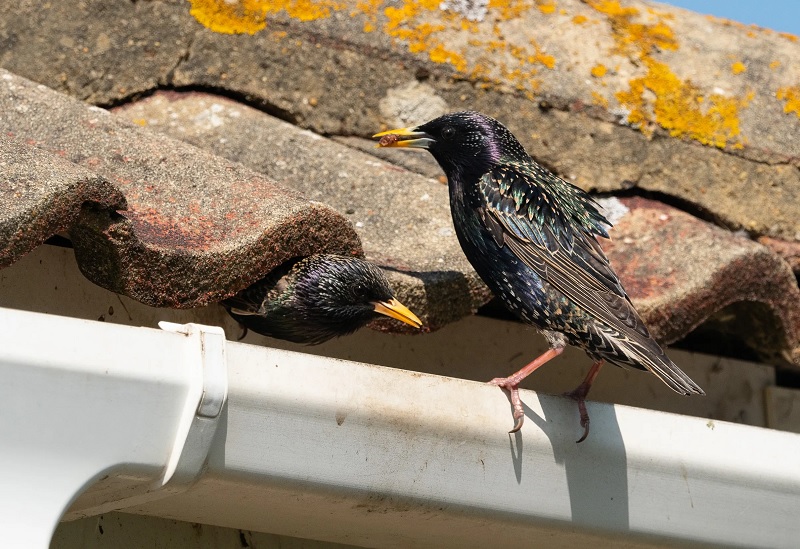
One of the first steps in dealing with birds nesting in soffits is learning to spot the signs. Birds tend to be quite active when nesting, so signs often become obvious with time. If you notice debris like twigs, feathers, or bits of grass around your soffit areas, this could be a clue that birds are building or have built a nest nearby.
You might also find bird droppings accumulating beneath the soffit or on the ground directly below. Damage to soffit vents or small holes appearing in the siding could indicate that birds have found a way inside. Sometimes, gaps or loose panels around the soffit create entry points that birds take advantage of. These visual indicators are the easiest to spot and can guide you to the exact nesting location.
Visual Indicators
When inspecting your soffits, look for nests made of twigs, leaves, grass, or mud tucked inside or sticking out of vents and openings. You might see birds frequently flying in and out of the soffit area or perching near openings. Nesting materials often accumulate near entry points and might spill out, causing a cluttered or messy appearance. Bird droppings often stain the siding or areas below the soffit, and their presence can sometimes indicate long-term nesting activity. You may also notice damaged or displaced soffit panels, which can be a result of birds pecking or trying to create an entrance.
Sounds and Smells
In addition to visual signs, sounds and smells provide important clues. During breeding season, birds can be noisy—chirping, fluttering wings, and peeping sounds are common, especially early in the morning or late in the evening. These noises often indicate active nesting and feeding of chicks. If you hear consistent bird sounds coming from the soffit area, it’s a strong sign birds are nesting inside.
Moreover, an unpleasant smell may develop if the nest is old or if droppings have built up. The scent is usually musty or ammonia-like and can be noticeable around the soffit or inside attic spaces connected to it. If you detect unusual noises or odors near your soffits, it’s wise to inspect further to confirm if birds have taken up residence.
Preventive Measures to Stop Birds Nesting
Keeping birds from nesting in your soffits is essential to protect your home from potential damage, noise, and mess. Once birds decide to nest in these areas, they can be difficult to remove and may return if the conditions remain inviting. Fortunately, there are several effective preventive measures you can take to stop birds nesting in soffits before they become a problem.
Installing Bird Spikes
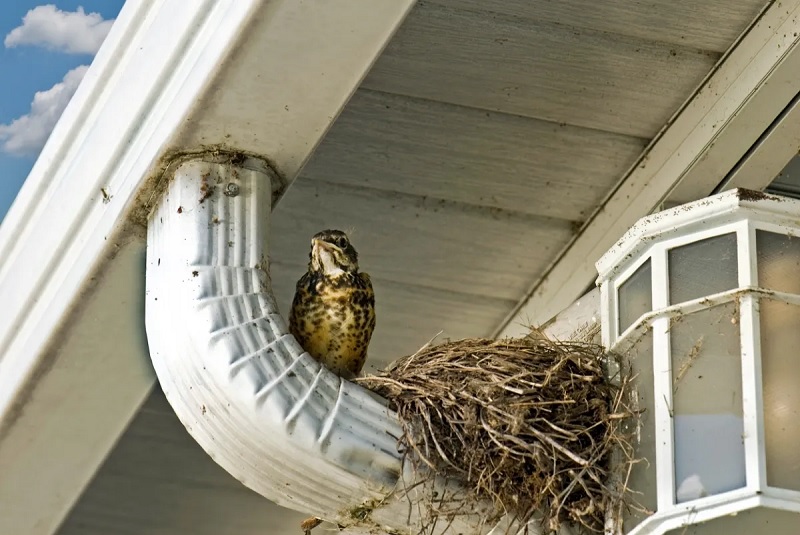
One of the most common and humane methods to deter birds is installing bird spikes. These spikes are typically made of plastic or stainless steel and are designed to make landing on ledges and narrow surfaces uncomfortable for birds without harming them. By placing bird spikes along the edges of your soffits, you effectively block birds from perching and building nests in these areas.
Bird spikes are low maintenance, weather-resistant, and blend in with your home’s exterior without looking intrusive. They are especially useful for deterring larger birds like pigeons and starlings that prefer wide, flat surfaces to land on. Installing spikes early in the season can prevent birds from starting nests altogether.
Using Bird Netting
Bird netting is another highly effective way to prevent birds from accessing soffits. This method involves installing a fine, durable mesh over soffit openings and vulnerable areas. Bird netting creates a physical barrier that stops birds from flying into or reaching spots where they might build nests. It is particularly useful for covering larger gaps and soffit vents that can’t be sealed tightly.
The netting is usually made from polyethylene or nylon and can withstand harsh weather conditions. When installed properly, it blends discreetly with your home’s architecture and provides a long-term solution. Bird netting is ideal for areas where bird spikes alone may not be sufficient, especially for small birds like sparrows and wrens that can squeeze into tight spaces.
Sealing Entry Points
Many birds enter soffits through small gaps, cracks, or damaged panels in your home’s exterior. Sealing these entry points is a critical preventive step. Start by inspecting your soffits, eaves, and roofline for any holes or loose boards. Use weatherproof caulk, expanding foam, or exterior-grade sealant to close gaps that birds might exploit.
In some cases, replacing damaged soffit panels may be necessary to create a secure barrier. Proper sealing not only stops birds but also helps prevent drafts, insects, and moisture from entering your home. Keeping entry points sealed year-round is one of the best ways to discourage birds from considering your soffits as potential nesting spots.
Inspecting Soffit Vents
Soffit vents play a vital role in attic ventilation but can also be a target for nesting birds. Regularly inspecting soffit vents ensures they remain bird-proof. Many soffit vents come with built-in metal or plastic grilles, but over time, these can become damaged or loose. If you notice gaps or missing pieces, repair or replace the vents promptly.
For extra protection, consider adding a layer of wire mesh behind the vent covers to block birds from entering while allowing airflow. Keeping vents in good condition and free from blockages will discourage birds from using them as nesting sites, while still allowing your home to breathe properly.
Using Wire Mesh
Wire mesh is a versatile and durable material for preventing birds from accessing soffits. Made from galvanized steel or stainless steel, wire mesh is resistant to rust and weather damage, making it ideal for outdoor use. You can cut and attach wire mesh over soffit openings, vents, or any other vulnerable areas to create a sturdy physical barrier.
The mesh holes should be small enough to keep out even the tiniest birds without restricting necessary ventilation. Wire mesh is a practical solution for sealing off awkward spaces where caulking or other materials might not hold up. When properly secured, it offers long-lasting protection against nesting birds, rodents, and other pests.
Humane Bird Deterrents
If you’re dealing with birds nesting in your soffits, it’s important to choose methods that are not only effective but also kind to the birds. Humane bird deterrents help discourage birds from nesting without causing them harm, allowing you to protect your home while respecting wildlife.
Ultrasonic Repellents
Ultrasonic repellents use high-frequency sounds that are unpleasant to birds but generally inaudible to humans. These devices emit continuous or intermittent ultrasonic waves, which create an uncomfortable environment for birds, encouraging them to leave the area. Ultrasonic repellents are easy to install near soffits or other bird-prone spots and are safe for people and pets.
While their effectiveness can vary depending on the species and the environment, they are a non-invasive way to keep birds away without using chemicals or physical barriers. For best results, these devices should be combined with other deterrent methods to ensure birds do not become accustomed to the sound.
Visual Deterrents (Reflective Tape, Decoys)
Visual deterrents rely on birds’ natural fear of sudden movements or bright reflections to keep them away from nesting sites. Reflective tape is a popular option—when placed near soffits, it catches sunlight and creates flashing, moving reflections that birds find unsettling. This simple, inexpensive solution is easy to install and environmentally friendly.
Another option is bird decoys, such as fake owls or hawks, which simulate the presence of predators. These decoys can discourage birds from settling nearby, but they are most effective when moved regularly to maintain the illusion of real threats. Using a combination of reflective tape and decoys can help increase the effectiveness of visual deterrents.
Natural Repellents (Smells and Plants)
Certain natural smells and plants can also deter birds from nesting in soffits. Birds tend to avoid strong, pungent odors like peppermint oil, garlic, or vinegar. Spraying diluted mixtures of these substances near soffits can create an unappealing environment for birds. Additionally, planting herbs such as lavender, rosemary, or marigolds around your home can act as a natural barrier since birds dislike their scent.
These methods are safe, chemical-free, and easy to apply, making them a great option for those looking for eco-friendly deterrents. Keep in mind that natural repellents may require frequent reapplication and work best when used alongside other deterrent strategies.
Removing Existing Nests Safely
If birds have already made a home in your soffits, it’s important to handle the situation carefully. Removing existing nests safely is not just a matter of convenience—it’s also about legality, humane treatment, and preventing future issues. This section outlines what you need to know before taking action.
Legal Considerations and Bird Protection Laws
Before removing any bird nest, it’s essential to understand local and national bird protection laws. In many countries, including the United States and the UK, most bird species are protected under acts such as the Migratory Bird Treaty Act or Wildlife and Countryside Act. These laws often make it illegal to remove or disturb active nests—that is, nests with eggs or chicks—without a special permit. Violating these laws can result in fines or legal action. Always check with your local wildlife authority before proceeding. In general, it is safest and most legal to wait until the nesting season has passed and the birds have left the nest before taking any removal steps.
When and How to Remove Nests
The best time to remove a nest is after the birds have vacated and the nesting season is over—usually late summer or early fall, depending on your location. Begin by observing the nest for a few days to ensure there is no activity. Once you’re certain it’s abandoned, wear gloves and a dust mask to protect yourself from bird droppings, mites, and other allergens.
Gently remove the nest and place it in a sealed bag before disposing of it in an outdoor trash bin. Avoid using chemicals or sprays during removal, as these can be harmful to other wildlife or pets. If you’re unsure or uncomfortable, consider hiring a licensed pest control or wildlife professional to handle the removal safely and legally.
Cleaning and Repairing Soffits After Nest Removal
After removing the nest, it’s crucial to clean and repair the affected area to prevent birds from returning. Start by disinfecting the soffit area with a mild bleach solution (1 part bleach to 9 parts water) to kill bacteria and remove lingering odors that could attract other birds. Remove any leftover debris and inspect the soffit for signs of damage, such as chewed vents, gaps, or loosened panels. Repair or replace any compromised parts using bird-proof materials. Seal entry points with caulk, mesh, or vent covers to ensure birds cannot return. A clean and well-maintained soffit is your first line of defense against future nesting.
Maintaining Bird-Free Soffits
Once you’ve removed nests and put up deterrents, the next step is to ensure birds don’t return. Maintaining bird-free soffits requires ongoing attention and a bit of routine upkeep, but it’s much easier and more cost-effective than dealing with repeated nesting. Regular monitoring and preventative action are key to keeping your soffits safe, clean, and undisturbed.
Regular Inspections
Conducting regular inspections of your soffits is one of the simplest yet most effective ways to keep birds from nesting. At least once a month—especially during spring and early summer, when birds are most active—take a walk around your home and visually inspect the soffits, eaves, and vents. Look for signs of attempted nesting, such as twigs, feathers, or droppings, and check for gaps or damage that birds could use to gain access.
Also, watch for any movement or bird activity near the roofline. Early detection allows you to remove debris and make small repairs before they turn into bigger issues. Using a flashlight, you can also inspect inside attic spaces near soffits for hidden entry points or signs of bird presence.
Seasonal Maintenance Tips
Each season presents different challenges for keeping birds away, so it’s important to adjust your maintenance routine throughout the year. In spring, inspect your soffits closely, as this is peak nesting season. Remove any early signs of nest building before birds settle in, and reinforce deterrents like bird spikes, netting, or reflective tape if they’ve worn down over winter. Summer is a good time to perform minor repairs, seal any new gaps, and clean out gutters and roof edges where debris can collect and attract birds.
In fall, check that soffit vents are still covered and in good shape, especially after heavy storms or high winds. Consider trimming nearby tree branches, as they can act like “bridges” for birds to reach your soffits. During winter, focus on structural upkeep. Snow and ice can cause soffit panels to loosen, creating new access points, so inspect after severe weather and fix any visible issues promptly.
When to Call a Professional
While many bird deterrent and removal methods can be handled on your own, there are times when calling a professional is the safest and most effective choice. If you’re dealing with an active nest containing eggs or chicks, it’s best to consult a licensed wildlife expert to ensure compliance with local protection laws. You should also contact a professional if nests are located in hard-to-reach areas, or if you’re unsure how to seal entry points properly.
Persistent bird problems despite DIY efforts may also indicate a larger issue that requires expert intervention. A professional can safely remove nests, repair damage, and install long-term deterrents to protect your home and keep birds from returning.
Frequently Asked Questions
How Do You Know If Birds Are Nesting In Your Soffit?
You’ll typically notice a few clear signs if birds are nesting in your soffit. Look for visible nesting materials like twigs, leaves, or feathers sticking out from vents or soffit gaps. You may also hear chirping, fluttering, or scratching sounds, especially in the early morning or late evening. Droppings or stains around the soffit area and increased bird activity near your roofline are additional clues. If you suspect a nest, observe the area for a few days to confirm whether birds are actively coming and going.
What Is The Best Way To Prevent Birds From Nesting In Soffits?
The best approach is a combination of deterrents and preventive maintenance. Install bird spikes or netting to make nesting areas inaccessible. Seal any gaps or openings around the soffit with caulk or weatherproof sealant. Inspect soffit vents to ensure they’re intact and protected with wire mesh. You can also use visual deterrents like reflective tape or decoys to scare birds away. Preventing access is the most effective way to stop birds from nesting long-term.
Can You Remove A Bird Nest From A Soffit Legally?
Yes, but only under specific conditions. Most bird species are protected by law, so removing a nest with eggs or chicks inside is typically illegal without a permit. You must wait until the birds have left and the nest is abandoned, which usually occurs after the breeding season. Once you’re sure the nest is inactive, you can safely remove it. If you’re unsure about the legal status of a nest, it’s best to consult a licensed wildlife professional before taking any action.
Why Are Soffits Attractive To Birds?
Soffits offer an ideal nesting location for many birds due to their height, shelter, and seclusion. They provide protection from predators and weather, and birds can often access them through small openings or damaged vents. The warm, enclosed space also makes it easier for birds to incubate eggs and care for their young. Because soffits are generally quiet and undisturbed, birds see them as a safe place to raise their families.
What Should You Do After Removing A Bird Nest From A Soffit?
After nest removal, it’s important to clean the area thoroughly using a disinfectant solution to eliminate bacteria and odors. Inspect the soffit for damage caused by the birds or their nesting materials. Repair any cracks, holes, or loosened panels, and seal potential entry points to prevent future nesting. Consider installing mesh over vents and reapplying any deterrents like spikes or netting. Regular inspections will help ensure the birds don’t return.
Conclusion
Preventing birds from nesting in your soffits is all about being proactive, consistent, and humane. By understanding why birds choose soffits, spotting early signs, and using effective deterrents like spikes, netting, and sealed entry points, you can protect your home from damage and avoid future infestations.
Regular inspections and seasonal maintenance help ensure that your soffits stay bird-free year-round. If nests are already present, always follow legal guidelines and handle removals carefully. And when in doubt, don’t hesitate to call a professional for safe and thorough assistance. With the right steps, you can maintain a clean, quiet, and protected home while respecting the birds and their natural behavior.