

The question “is 12 days of Christmas all birds” often comes up when people hear the classic holiday song and start counting the gifts. While many remember the “partridge in a pear tree,” the song actually mentions a variety of gifts, some of which are birds, and others that aren’t. This mix often leads to curiosity about whether every gift listed is a bird or if there are other types of presents hidden in the verses.
Understanding this helps bring clarity to the song’s meaning and the tradition behind it. Exploring the gifts reveals that although many of them are birds, like swans, geese, and calling birds, there are also non-bird items such as golden rings and drummers. So, the simple question “is 12 days of Christmas all birds” uncovers a fun and surprising variety in the song’s gifts, showing that it’s more than just a celebration of birds during the holiday season.
The 12 Days of Christmas Details
The 12 Days of Christmas is a beloved holiday song that has become a staple during the festive season. Known for its repetitive and cumulative structure, the song details a series of gifts given on each of the twelve days following Christmas Day. These gifts have sparked curiosity and debate over the years, especially regarding their symbolism and variety. The song not only entertains with its catchy tune but also reflects cultural and historical traditions tied to the Christmas season.
Origin of the Song
The 12 Days of Christmas dates back several centuries, with its earliest known publication in England in the late 18th century. While the exact origin is somewhat unclear, the song likely evolved from French carols and was passed down orally before being formally documented.
Some historians suggest that the song had a deeper, symbolic meaning linked to Christian teachings, where each gift could represent an element of faith or biblical references. Over time, however, the song became more of a festive counting rhyme enjoyed by children and adults alike, symbolizing the joyous spirit of giving during the holiday season.
Traditional Gifts Listed
The gifts mentioned in the song are a mix of birds, people, and other symbolic items, each increasing in number with each verse. The classic list starts with a “partridge in a pear tree” and progresses to include “two turtle doves,” “three French hens,” and “four calling birds.” These are followed by “five golden rings,” which is one of the few non-bird gifts, adding a touch of luxury to the lineup. The song continues with “six geese a-laying” and “seven swans a-swimming,” emphasizing the bird theme that many associate with the song.
However, the gifts also include human figures and activities, such as “eight maids a-milking,” “nine ladies dancing,” “ten lords a-leaping,” “eleven pipers piping,” and “twelve drummers drumming.” These lines introduce a lively and celebratory aspect to the song, reflecting traditional festive entertainment and labor. The combination of birds, golden rings, and performing groups creates a rich tapestry of imagery that has made the 12 Days of Christmas an enduring part of holiday culture.
Breakdown of the Gifts in the Song
The 12 Days of Christmas is a classic holiday carol filled with a variety of gifts, many of which have sparked curiosity and debate over the years. While the song is often thought to be about birds, a closer look reveals a mix of avian gifts and other symbolic presents. This section explores each gift mentioned in the song, dividing them into bird-related and non-bird-related categories to provide a clearer understanding of what exactly the “12 Days of Christmas” celebrates.
Gifts That Are Birds
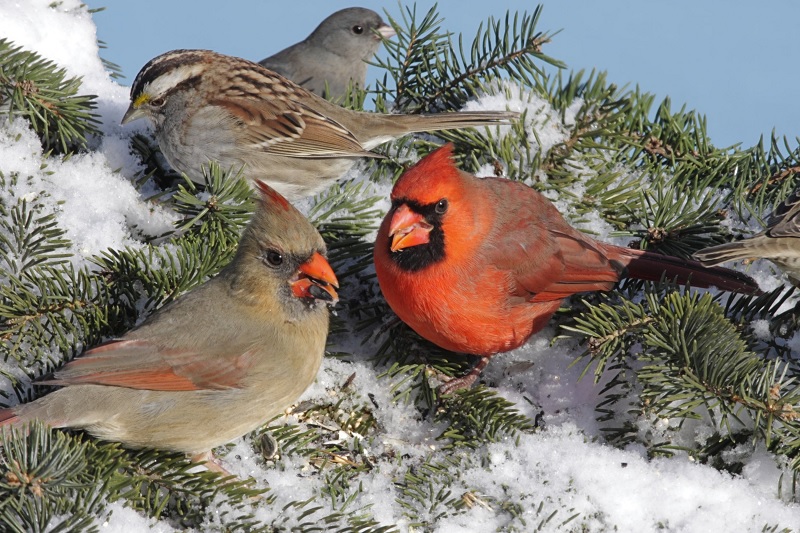
Birds play a prominent role in the song, representing some of the most memorable and visually striking gifts. Let’s explore each bird-related gift in detail.
Partridge in a Pear Tree
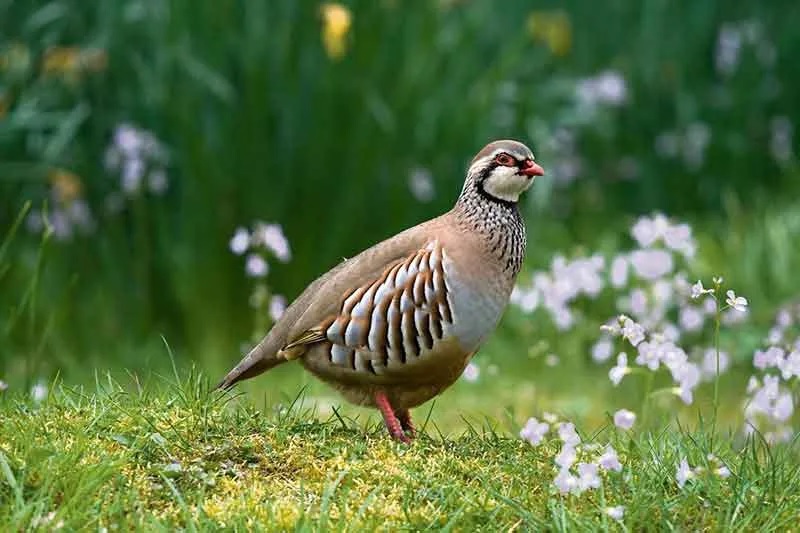
The gift that opens the song, the partridge in a pear tree, is perhaps the most iconic. The partridge is a type of game bird known for its distinctive shape and plumage. The image of the partridge perched in a pear tree symbolizes something precious and unique, combining nature’s beauty with a bit of whimsy. Historically, the partridge may also carry Christian symbolism, sometimes interpreted as a metaphor for Jesus Christ, who sacrificed himself for humanity. In the context of the song, it sets the tone for the gifts to follow, blending natural imagery with festive generosity.
Two Turtle Doves
Next up are the two turtle doves, often seen as symbols of love and devotion. Turtle doves mate for life, which makes them a classic emblem of loyalty and partnership. Their inclusion in the song adds a romantic and heartfelt layer, reflecting the warmth and connection shared during the holiday season. These birds have been celebrated in poetry and song for centuries, making their appearance in the carol both traditional and meaningful.
Three French Hens
The three French hens add a bit of exotic flair to the list. While hens themselves are common farm birds, the specific reference to French hens may have historical significance, suggesting luxury or refinement associated with France. Some interpretations also link these hens to faith, hope, and charity — virtues often celebrated during Christmas. The French hens stand out as a charming gift that blends everyday rural life with a touch of continental elegance.
Six Geese a-Laying
As the song progresses, it jumps to six geese a-laying, which brings an active and productive image. Geese are well-known for their strong presence on farms and in the wild, and the idea of them “a-laying” emphasizes fertility and abundance. This gift represents not just birds but the promise of life and sustenance, fitting perfectly with the themes of generosity and celebration. The geese also contribute a visual element of movement and ongoing productivity, keeping the song lively.
Seven Swans a-Swimming
Finally, among the birds, there are seven swans a-swimming, perhaps the most elegant and graceful gift in the lineup. Swans are symbols of beauty, purity, and transformation, often featured in folklore and art. Their depiction “a-swimming” conjures peaceful and picturesque imagery, enhancing the song’s richness. The seven swans add a regal and serene touch, suggesting the height of nature’s splendor and the joy of the season.
Non-Bird Gifts
While birds dominate the early part of the song, the list also includes several gifts that are not birds. These add variety and bring in human and symbolic elements that enrich the carol’s meaning.
Four Calling Birds
Interestingly, four calling birds are actually birds, but their classification has sometimes been confused. Traditionally, these were called “colly birds,” which meant blackbirds. Over time, the phrase evolved to “calling birds,” interpreted as songbirds known for their vocal calls. So, while technically birds, their name and the song’s history often blur the line between bird and non-bird gifts. These birds represent communication and joy through song, reinforcing the festive atmosphere.
Five Golden Rings
Among the gifts, five golden rings stand out as the only inanimate and non-avian items in the first half of the song. These golden rings symbolize wealth, prosperity, and continuity. Rings are often associated with commitment and eternity, making this gift meaningful beyond its material value. The golden rings provide a sparkling contrast to the natural imagery of the birds and serve as a reminder of the preciousness of the holiday season.
Eight Maids a-Milking
Moving into the more human-centered gifts, eight maids a-milking represent labor and sustenance. Milking was an essential farm task, vital to providing nourishment. The inclusion of maids emphasizes the hard work behind holiday feasts and celebrations, grounding the song in everyday life. Their presence adds a practical, earthy dimension, balancing the song’s fanciful and symbolic elements.
Nine Ladies Dancing
Next, the nine ladies dancing bring energy and festivity to the song. Dancing has long been associated with celebration, joy, and community. These ladies represent the lively social gatherings typical of holiday festivities, reminding listeners of the importance of togetherness and merriment. Their graceful movements add a sense of rhythm and vitality to the carol’s progression.
Ten Lords a-Leaping
The ten lords a-leaping introduce a more aristocratic and lively image. Lords were members of the nobility, and their leaping suggests exuberance and playfulness. This gift contrasts with the pastoral scenes earlier in the song, adding a layer of social hierarchy and dynamic movement. The lords’ leaping also symbolizes joy and freedom, enhancing the song’s celebratory tone.
Eleven Pipers Piping
The eleven pipers piping bring music and sound into the gift list. Pipers traditionally played flutes or bagpipes, instruments associated with ceremonies and celebrations. Their role in the song underscores the importance of music during the holiday season, contributing to the atmosphere of festivity and tradition. The pipers’ continuous piping invites listeners to imagine the lively soundtrack accompanying the Christmas celebrations.
Twelve Drummers Drumming
Lastly, the twelve drummers drumming provide a powerful conclusion to the gifts. Drummers add a rhythmic, commanding presence, often used in military and festive occasions. Their drumming symbolizes strength, unity, and celebration, making for an impactful finale. This gift wraps up the song on a high-energy note, combining sound, movement, and communal spirit.
Clarifying the “Four Calling Birds”
The phrase “four calling birds” from the 12 Days of Christmas often causes confusion and curiosity. While many assume they refer to a specific type of bird, the true meaning and origin of this gift have evolved over time. Understanding both the historical and modern interpretations helps clarify what exactly these “calling birds” represent and why they hold a unique place in the song.
Historical Interpretation of “Calling Birds”
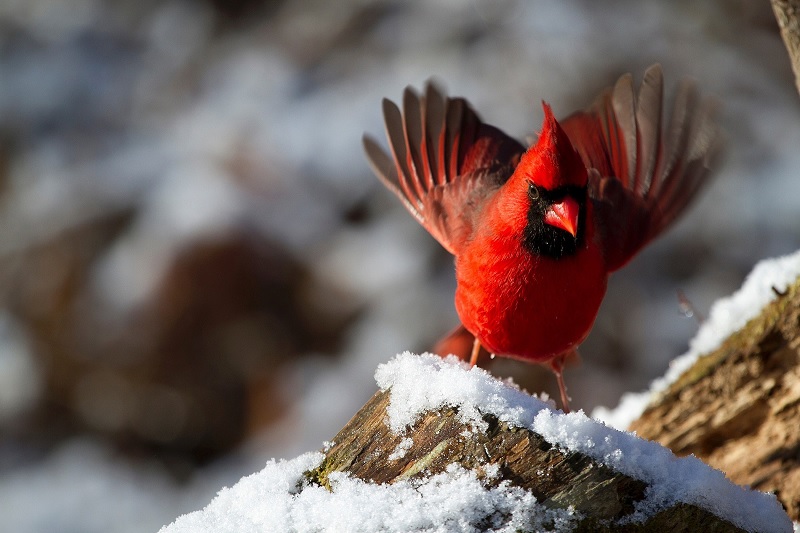
Historically, the phrase “calling birds” didn’t originally appear in the carol as we know it today. Early versions of the song, dating back to the 18th and 19th centuries, often referred to “four colly birds” instead. The word “colly” is an old English term meaning “black,” so “colly birds” actually meant blackbirds. This detail points to a simpler, more straightforward interpretation: the gift was four blackbirds, a common and easily recognizable bird in England and surrounding regions.
The confusion likely arose because over time, “colly birds” was misheard or altered in transcription, becoming “calling birds.” The term “calling” then took on a new meaning, referring to birds known for their vocal calls or songs. So, historically, the original gift was about blackbirds, but the phrase gradually transformed, blending old dialect with more modern language. This evolution illustrates how folk songs can change as they pass through generations, adapting to new audiences and cultures.
Modern Understanding
Today, “four calling birds” is widely accepted as referring to songbirds in general—birds known for their beautiful and distinctive calls. The term highlights the idea of birds that “call” or sing, which fits well with the joyful and festive atmosphere of the carol. Unlike the earlier blackbird interpretation, calling birds are often thought of as melodious and vibrant, symbolizing communication, joy, and celebration.
This modern understanding broadens the gift’s meaning beyond a specific species, emphasizing the joyful sounds of nature during the holiday season. Many listeners imagine these four calling birds as small, colorful songbirds whose calls add a cheerful soundtrack to the winter festivities. The transition from blackbirds to calling birds also reflects how language and tradition evolve, making the carol accessible and relatable to contemporary audiences.
Why So Many Birds?
The 12 Days of Christmas is well-known for its abundance of bird-themed gifts. From the partridge in a pear tree to swans a-swimming, birds clearly dominate much of the song’s imagery. But why do so many birds appear in this festive tune? Exploring the symbolism and cultural context behind these birds helps shed light on their significance and why they feature so prominently.
Symbolism Behind the Birds
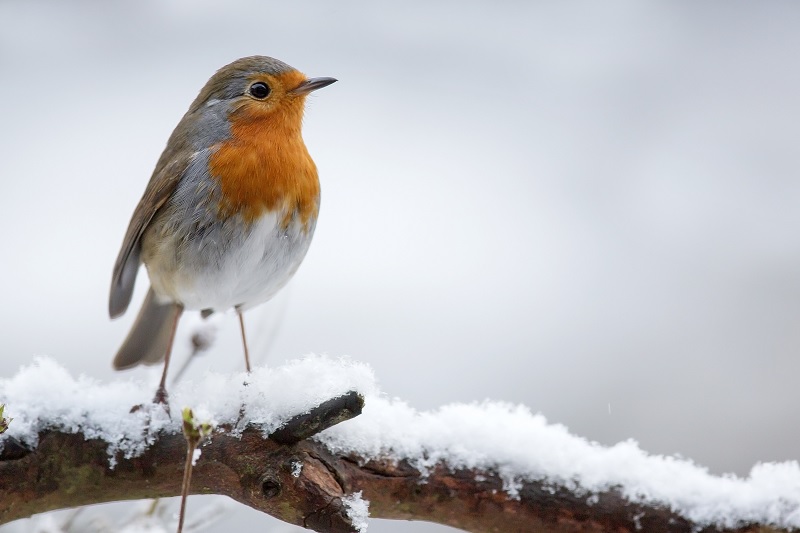
Birds have long held rich symbolic meanings across many cultures, making them perfect symbols for a holiday song centered around gift-giving and celebration. In the 12 Days of Christmas, birds represent more than just physical creatures—they carry ideas of renewal, fertility, love, and spirituality.
For instance, the partridge is often seen as a symbol of sacrifice and protection, sometimes connected to Christian imagery. The turtle doves stand for loyalty and devotion, as these birds are known to mate for life. The French hens have been interpreted as representing faith, hope, and charity—the three theological virtues. Geese a-laying emphasize fertility and abundance, symbolizing new life and nourishment. Finally, the elegant swans evoke purity and grace.
Together, these birds create a layered set of meanings that reflect themes central to Christmas: love, faith, renewal, and celebration of life. Their natural beauty and behaviors offer rich imagery that resonates with listeners, making the song memorable and meaningful.
Cultural and Historical Context
The prominence of birds in the song also reflects historical and cultural influences from the time when the carol was created and popularized. During the 16th to 18th centuries, birds were common gifts and delicacies in European Christmas traditions. Game birds, in particular, were prized both for their flavor and their symbolism.
Furthermore, many traditional folk songs and celebrations incorporated animals as symbolic elements, often tied to seasonal cycles and agricultural life. The use of birds in the 12 Days of Christmas can be seen as a continuation of this tradition, blending the natural world with festive human customs.
The inclusion of so many birds also helped make the song engaging and fun, with vivid imagery that children and adults alike could enjoy. The progressive listing of increasingly extravagant bird gifts added to the playful and cumulative nature of the carol.
Frequently Asked Questions
Is 12 Days Of Christmas All Birds?
No, the 12 Days of Christmas is not all birds. While many of the gifts mentioned in the song are birds—such as the partridge, turtle doves, French hens, geese, and swans—the song also includes several non-bird gifts. These non-avian gifts include five golden rings, eight maids a-milking, nine ladies dancing, ten lords a-leaping, eleven pipers piping, and twelve drummers drumming. So, while birds make up a significant portion of the gifts, the song is a mix of birds, human figures, and symbolic items.
Why Are So Many Gifts In The Song Birds?
Birds are featured prominently in the song because they carry rich symbolic meanings related to love, fertility, and renewal. For example, turtle doves symbolize loyalty, and the partridge is sometimes seen as a symbol of sacrifice. Historically, birds were also common gifts and delicacies during Christmas celebrations in Europe. Including birds in the song adds a natural and festive imagery that enhances the joyful, celebratory spirit of the holiday season.
What Does “Four Calling Birds” Actually Mean?
The phrase “four calling birds” can be confusing because it evolved over time. Originally, the gift was “four colly birds,” which referred to blackbirds. Over time, “colly” was replaced with “calling,” which changed the meaning to songbirds or birds known for their vocal calls. Today, “four calling birds” is generally understood to mean songbirds, emphasizing their joyful singing, which fits well with the holiday’s festive atmosphere.
Are All The Bird Gifts In The Song Real Species?
Most of the bird gifts in the 12 Days of Christmas are based on real bird species or groups, but some are symbolic or generalized. For example, the partridge, turtle doves, geese, and swans are real birds commonly known across Europe. The “French hens” likely refers to a breed of domestic chicken but also carries symbolic meaning. The “calling birds” refer to songbirds in general. While some details may be poetic or symbolic, the majority of the birds mentioned are recognizable species.
How Does Understanding The Bird Gifts Enhance The Song?
Knowing which gifts are birds and understanding their symbolism can deepen your appreciation of the 12 Days of Christmas. The birds represent themes like love, faith, fertility, and celebration, which are central to Christmas traditions. Realizing that not all gifts are birds also clarifies the song’s rich variety of presents, from music-makers to dancers and workers, making the carol a more vivid and meaningful portrayal of holiday joy and festivity.
Conclusion
The 12 Days of Christmas is often thought to be a song filled entirely with birds, but that’s not the full story. While many gifts in the song are indeed birds—like the partridge, turtle doves, and swans—several non-bird gifts add variety and depth, including golden rings, dancing ladies, and drummers.
Understanding this mix helps you appreciate the song’s rich symbolism and festive spirit. The birds represent themes like love, fertility, and renewal, while the human figures and symbolic items highlight celebration and tradition. So, the next time you hear Is 12 Days of Christmas all birds?, you’ll know it’s a joyful blend of nature, culture, and holiday cheer that makes this carol timeless and beloved.