
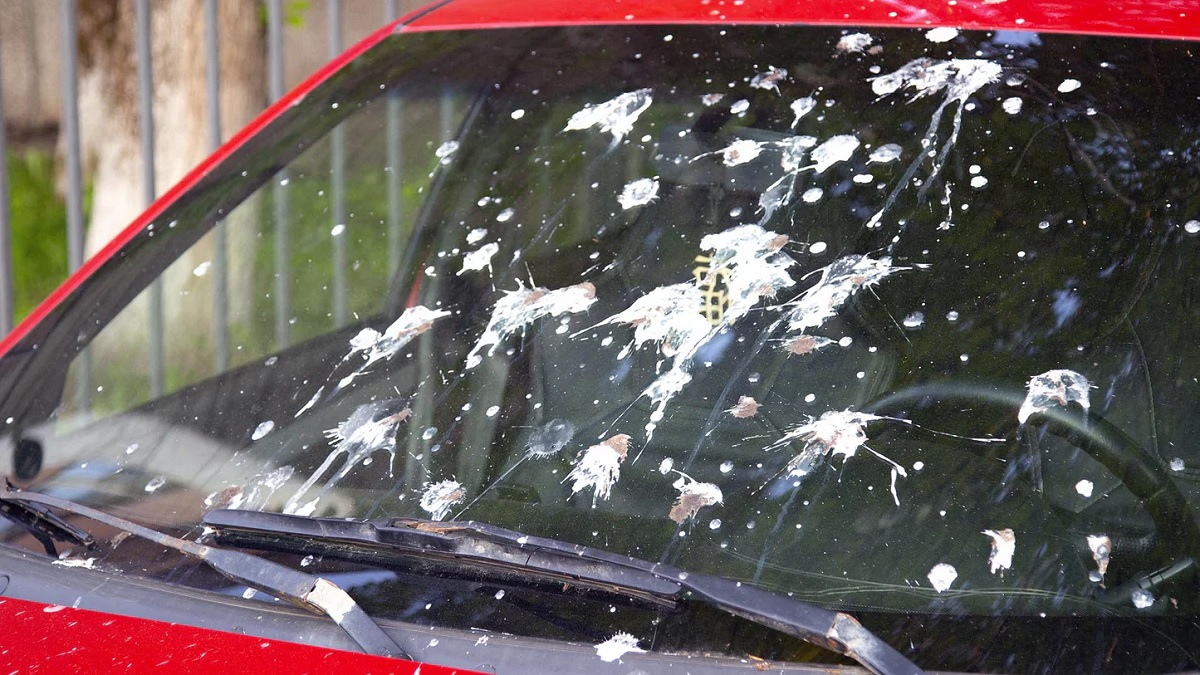
Is bird poop acidic? This question might seem unusual at first, but it’s actually quite interesting when you think about it. Bird droppings, also known as guano, are a common sight in many places—from parks to rooftops—and they often leave stubborn stains and unpleasant odors. Understanding whether bird poop is acidic can help explain why it can damage surfaces like cars, buildings, and even plants.
The acidity level of bird droppings can vary depending on the bird’s diet and species, but in general, bird poop tends to be slightly acidic. This acidity plays a role in how it interacts with the environment, causing corrosion and damage over time. In this article, we’ll explore the composition of bird droppings, why their acidity matters, and what implications it has for cleaning and maintenance. So, if you’ve ever wondered, “Is bird poop acidic?” you’re in the right place to find out.
What Is Bird Poop Made Of?
Bird poop, commonly referred to as bird droppings or guano, is quite different from the feces of mammals in both composition and appearance. Understanding what bird poop is made of helps explain why it behaves the way it does—why it can be so damaging to surfaces and why it often has a strong smell. Let’s break down the components of bird droppings and see how they differ from mammal feces.
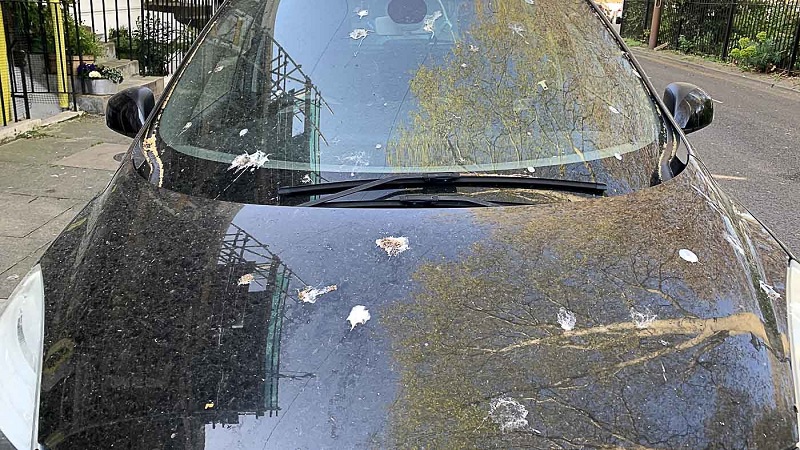
Composition of Bird Droppings
Bird poop is actually a combination of two waste products: feces and urine. Unlike mammals, birds don’t have separate openings for urination and defecation. Instead, both solid and liquid wastes are expelled together through the cloaca, a single exit point.
The solid part of bird droppings mainly consists of undigested food waste such as seeds, insect parts, and other materials the bird couldn’t process. This portion is usually darker and more solid. The liquid part, however, is largely made up of uric acid, which birds excrete instead of urea (the main nitrogenous waste in mammal urine). This uric acid gives bird poop its characteristic white or creamy appearance.
Because of the high concentration of uric acid, bird droppings tend to be more acidic compared to mammal feces. This acidity can cause corrosion or damage to surfaces like car paint, roofs, and statues if not cleaned promptly.
Differences Between Bird Poop and Mammal Feces
One of the main differences between bird poop and mammal feces is the way the waste is expelled and its chemical makeup. Mammals usually separate urine and feces, whereas birds combine them. Mammal urine mostly contains urea dissolved in water, resulting in a liquid that’s less acidic. Bird droppings, on the other hand, have uric acid, which is much less soluble in water, causing the white, pasty consistency.
Additionally, mammal feces tend to be more homogeneous in texture and color because they primarily contain digested food waste. Bird droppings have a more mixed look due to the combination of solid waste and the white uric acid paste.
These differences aren’t just cosmetic; they affect how waste interacts with the environment. For example, mammal feces decompose differently and don’t cause the same level of surface damage that bird droppings can, largely due to the acidity from uric acid.
The pH Level of Bird Poop
When trying to understand whether bird poop is acidic, it’s important to know about its pH level. The pH of any substance tells us how acidic or alkaline it is, which can help explain why bird droppings behave the way they do—especially when it comes to damaging surfaces or affecting plants. Let’s dive into what pH is, where bird poop falls on this scale, and what influences its acidity.
Understanding the pH Scale
The pH scale measures how acidic or alkaline a substance is, ranging from 0 to 14. A pH of 7 is considered neutral, like pure water. Anything below 7 is acidic, with lower numbers indicating stronger acidity. Anything above 7 is alkaline (or basic), with higher numbers showing stronger alkalinity. For example, lemon juice has a pH around 2 (very acidic), while baking soda dissolved in water has a pH around 9 (alkaline).
Knowing the pH of bird poop can help explain why it can be harmful to cars, buildings, and plants—because acidic substances tend to cause corrosion and damage.
Typical pH Range of Bird Poop
Bird droppings generally have a pH that ranges from about 4.5 to 6.0, making them mildly to moderately acidic. This acidity mainly comes from the uric acid that birds excrete as part of their waste. Unlike mammals, which primarily excrete urea dissolved in water, birds excrete uric acid, which is less soluble and more acidic.
This acidic nature explains why bird poop often damages painted surfaces, car finishes, and even certain types of stone or metal. When left untreated, the acid can eat away at the protective layers on these surfaces, causing discoloration or permanent damage.
Factors Affecting pH in Bird Droppings
While bird poop is generally acidic, its exact pH can vary depending on several factors. One of the main influences is the bird’s diet. What a bird eats greatly affects the acidity of its droppings. Birds that consume a lot of fruits or other acidic foods tend to produce droppings with a lower pH, meaning they are more acidic. On the other hand, birds that eat mostly seeds or insects often have droppings with a pH closer to neutral.
Another important factor is species differences. Different bird species have slightly varied digestive systems and ways of excreting waste, which can influence the concentration of uric acid in their droppings and, consequently, the overall pH level. This means that droppings from one species might be more acidic than those from another.
The health and hydration level of a bird also play a role in the acidity of its waste. Dehydrated birds may produce droppings that are more concentrated and therefore more acidic. Similarly, a bird’s overall health can affect how its body processes waste.
Is Bird Poop Acidic or Alkaline?
One common question that arises when dealing with bird droppings is whether bird poop is acidic or alkaline. Knowing the answer helps us understand why bird poop can cause damage to surfaces like car paint, roofs, and plants. Let’s explore what science says about the pH of bird droppings and how it varies across different bird species.
Scientific Studies on Bird Poop pH
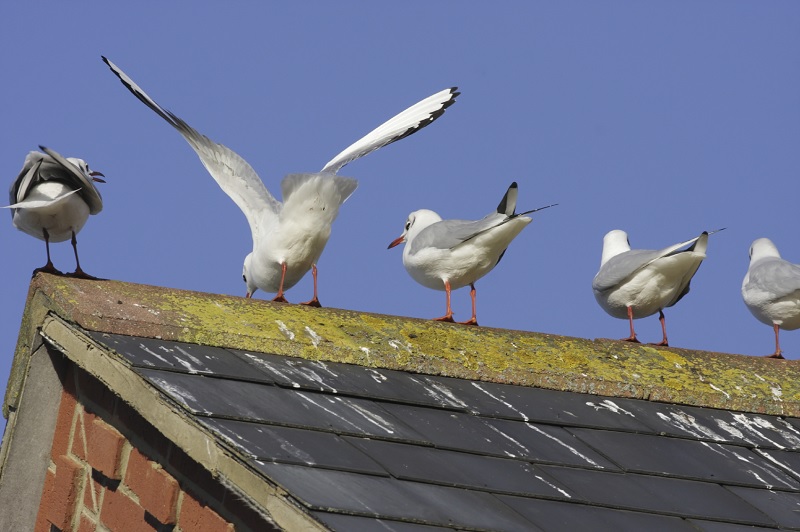
Scientific research shows that bird poop is generally acidic rather than alkaline. Most studies measuring the pH of bird droppings find values typically ranging from about 4.5 to 6.0. This places bird droppings in the mildly acidic category on the pH scale, where 7 is neutral, below 7 is acidic, and above 7 is alkaline.
The acidity primarily comes from the uric acid that birds excrete as part of their waste. Unlike mammals, which produce urea dissolved in water, birds excrete uric acid, which is less soluble but more acidic. This acidic composition is a major reason why bird poop can eat away at surfaces if left uncleaned. For example, the acid in bird droppings can break down car paint or corrode metals over time, which is why immediate cleaning is often recommended.
In addition to the acid content, the overall chemical makeup of bird droppings—including salts and minerals—also contributes to their effect on surfaces. However, the uric acid’s acidity remains the key factor that defines bird poop as acidic rather than alkaline.
Variations Among Different Bird Species
While bird poop is generally acidic, the exact pH level can vary significantly between different bird species. This variation depends largely on diet, metabolism, and the specific way different birds process waste.
For instance, birds that feed on fruits and berries—such as many songbirds—tend to produce droppings that are more acidic due to the higher organic acid content in their diet. On the other hand, birds that consume mostly seeds or insects may have droppings with a pH closer to neutral.
Waterfowl and seabirds often have slightly different waste compositions as well, influenced by their unique diets and salt intake, which can affect the pH balance of their droppings. Some seabird guano, for example, has historically been valued as fertilizer precisely because of its rich mineral content and slightly acidic nature.
Why Does Bird Poop Matter?
Bird poop might seem like a simple nuisance, but it actually plays an important role in the environment and can have both positive and negative effects. From influencing ecosystems to damaging property, bird droppings matter more than many people realize. Let’s explore why bird poop is significant, especially when it comes to the environment, plants, and man-made surfaces.
Impact on Environment
Bird droppings, also known as guano, are rich in nutrients like nitrogen, phosphorus, and potassium. Because of this, bird poop can act as a natural fertilizer in ecosystems where it accumulates, such as coastal areas and islands inhabited by large bird populations. In these environments, guano enriches the soil and supports plant growth, contributing to a healthy and balanced ecosystem.
However, in some cases, excessive accumulation of bird droppings can lead to nutrient overload, which can harm aquatic systems by causing algal blooms and reducing oxygen levels in the water. So, while bird poop is a valuable natural resource in moderation, it can disrupt ecosystems if present in excess.
Effects on Plants and Soil
The nutrients in bird droppings can benefit plants by providing essential minerals that promote growth. Gardeners and farmers have long used bird guano as an organic fertilizer because it naturally improves soil fertility. The nitrogen and phosphorus in bird poop are crucial for plant development and can enhance the overall health of soil.
That said, bird droppings are also acidic due to the presence of uric acid, which can negatively impact certain plants if applied in large amounts or concentrated in one area. Acidic droppings can alter the soil’s pH balance, making it less favorable for some species. This is why it’s important to consider the quantity and concentration of bird droppings in gardens and natural settings.
Potential Damage to Surfaces
Bird poop is notorious for causing damage to man-made surfaces. Its acidic nature means that when droppings are left on cars, buildings, or statues, they can corrode paint, metal, and other materials. The uric acid in bird poop slowly eats away at protective coatings, leaving unsightly stains or even permanent damage if not cleaned promptly.
This is why car owners often rush to wash off bird droppings as soon as possible. The same goes for property owners who need to maintain the appearance and integrity of buildings, roofs, and outdoor fixtures. Over time, repeated exposure to bird droppings can lead to costly repairs and maintenance.
How to Safely Clean Bird Poop
Cleaning bird poop might seem straightforward, but it requires a bit of care to avoid damage to surfaces and to protect your health. Bird droppings contain acids and bacteria that can be harmful if handled improperly. Whether you’re dealing with bird poop on your car, patio furniture, or windows, using the right cleaning methods and precautions is essential. Here’s how to clean bird poop safely and effectively.
Recommended Cleaning Methods
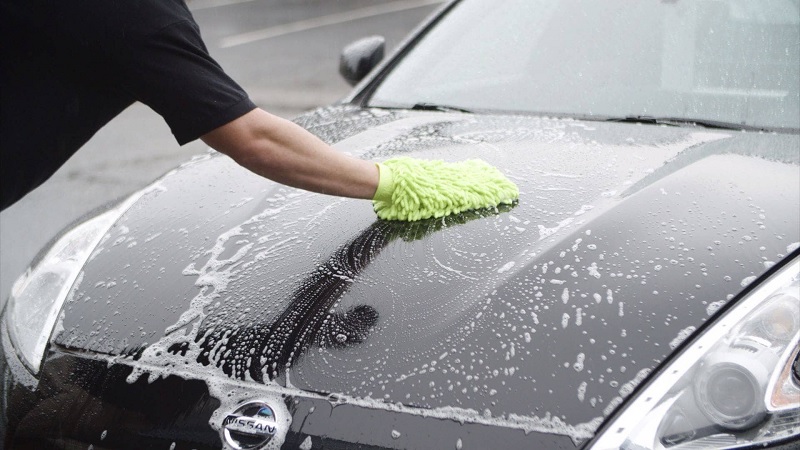
The best way to clean bird poop depends on the surface affected, but a general approach is to soften and remove the droppings gently to avoid scratching or damaging the material. For hard surfaces like car paint, glass, or metal, start by soaking the area with water. You can use a spray bottle or a damp cloth to moisten the droppings and soften them, which makes removal easier.
Once softened, gently wipe away the droppings using a soft cloth or sponge. Avoid using abrasive materials that could scratch delicate surfaces. For stubborn spots, a mild soap mixed with water can help break down the residue. Special automotive cleaning products designed to safely remove bird droppings are also available for car owners.
For outdoor furniture or concrete, a garden hose or pressure washer on a gentle setting can effectively rinse away bird droppings without causing damage. In all cases, clean the area thoroughly with water afterward to remove any leftover acid or residue that might cause corrosion or stains over time.
Precautions When Handling Bird Droppings
Handling bird poop requires precautions because it can carry harmful bacteria, fungi, and parasites. First and foremost, always wear disposable gloves when cleaning bird droppings to avoid direct skin contact. If possible, use a mask to avoid inhaling any dust or particles that might become airborne while cleaning.
Avoid dry scraping or sweeping bird droppings, as this can release pathogens into the air. Instead, always wet the droppings first to minimize dust. Wash your hands thoroughly with soap and water after cleaning, even if you wore gloves.
For larger accumulations, such as on rooftops or gutters, consider hiring professionals who have the proper protective gear and experience to handle the cleanup safely.
FAQs
Is Bird Poop Acidic Or Alkaline?
Bird poop is generally acidic. This acidity mainly comes from uric acid, which birds excrete instead of urea (found in mammal urine). The pH of bird droppings usually ranges between 4.5 and 6.0, making it mildly to moderately acidic. This acidity is why bird poop can damage surfaces like car paint and building materials if left uncleaned.
Why Does Bird Poop Have Acidic Properties?
Bird poop contains uric acid, a waste product produced during the bird’s metabolism. Unlike mammals that excrete urea dissolved in water, birds eliminate nitrogenous waste in the form of uric acid, which is less soluble but more acidic. This uric acid gives bird droppings their characteristic white appearance and makes them more acidic than typical mammal feces.
Can The Acidity Of Bird Poop Damage My Car Or Property?
Yes, the acidic nature of bird poop can damage your car’s paint, outdoor furniture, roofs, and other surfaces. The uric acid in bird droppings can slowly eat away protective coatings, causing stains, discoloration, and even corrosion if not removed promptly. It’s best to clean bird droppings off your property as soon as possible to prevent lasting damage.
Does The Diet Of A Bird Affect The Acidity Of Its Poop?
Absolutely. A bird’s diet plays a significant role in the acidity of its droppings. Birds eating a lot of acidic foods, like fruits, tend to produce more acidic droppings. Meanwhile, birds feeding mainly on seeds or insects may have droppings that are closer to neutral pH. This variation means the exact acidity can differ depending on the species and their feeding habits.
Is Bird Poop More Acidic Than Mammal Feces?
Generally, yes. Bird droppings tend to be more acidic than mammal feces because birds excrete uric acid, which is stronger and less soluble than the urea found in mammal urine. Mammal feces usually separate urine and feces, which results in a less acidic waste product compared to the combined, uric acid-rich bird droppings.
How Can I Protect Surfaces From The Acidic Effects Of Bird Poop?
To protect surfaces from bird poop’s acidic effects, clean droppings as quickly as possible using gentle, non-abrasive methods. For cars, use water, mild soap, and soft cloths or special automotive cleaning products. Regular washing and protective wax coatings can also help shield paint from damage. On buildings or outdoor furniture, rinsing and gentle cleaning minimize corrosion and staining caused by acidic droppings.
Final Words
Bird poop is generally acidic due to the high concentration of uric acid in their droppings. This acidity explains why bird droppings can cause damage to cars, buildings, and other surfaces if not cleaned promptly. The pH level of bird poop typically ranges from mildly to moderately acidic, influenced by factors like the bird’s diet, species, and environmental conditions.
Understanding that bird poop is acidic helps you take the right precautions to protect your property and maintain a clean environment. Regular and careful cleaning is key to minimizing the harmful effects of bird droppings, ensuring that their natural presence doesn’t become a costly problem. So next time you see bird poop, you’ll know why it matters and how to handle it properly.