

Bird droppings are a common sight around homes, balconies, parks, and bird feeders, especially in areas where birds gather frequently. While they may seem like a harmless mess, many people wonder: is dry bird poop dangerous? The answer matters more than most think, especially for those who clean bird droppings regularly or live in areas with high bird activity. Dry bird poop can become airborne as fine dust particles, potentially carrying bacteria, fungi, or parasites.
These microscopic particles can be inhaled during sweeping or cleaning, leading to health concerns, particularly for people with weakened immune systems or respiratory issues. Understanding the risks related to bird droppings helps you take the proper precautions to clean safely and maintain a healthy environment. Whether you’re a bird lover or just want to keep your space clean, knowing whether dry bird poop is dangerous can help you make smart and safe choices.
What Happens When Bird Poop Dries
Bird droppings might seem harmless at first, but the changes they undergo after drying can pose potential health and cleaning challenges. Understanding what happens when bird poop dries helps highlight why it’s important to handle it properly and with care.
It Turns Into Fine, Airborne Dust
When bird poop dries, it hardens and often breaks apart into fine particles. These particles can become airborne, especially during sweeping, scrubbing, or when disturbed by wind. This is where the real concern begins—because the dust can contain pathogens like Histoplasma capsulatum, a fungus that may cause respiratory issues when inhaled. People cleaning dried bird droppings in enclosed or poorly ventilated areas are particularly at risk of breathing in this contaminated dust.
It Becomes Harder to Clean
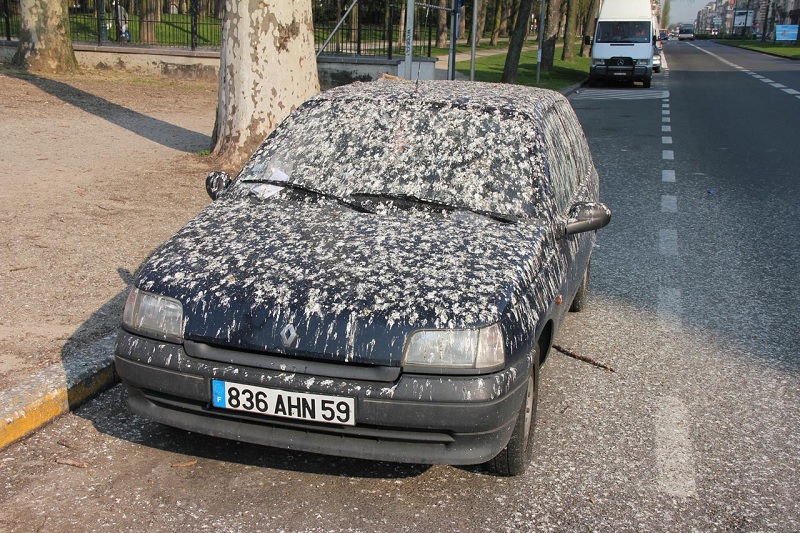
Fresh bird droppings are messy but relatively easy to wipe away. Once they dry, however, the uric acid in bird poop hardens and binds to surfaces, making it difficult to remove. On materials like wood, concrete, or car paint, dried bird droppings can leave permanent stains or cause surface damage. You may need specialized cleaners or scrapers to remove the residue without harming the surface beneath.
It May Attract Pests and Spread Disease
Dried bird poop left uncleaned can attract insects like flies or cockroaches, which are drawn to organic matter. These pests can spread bacteria from the droppings to other areas, potentially contaminating food, surfaces, or even bird feeders. In outdoor spaces, accumulations of dried droppings may also contribute to the spread of fungal spores, affecting both humans and other animals.
Health Risks Associated with Dry Bird Poop
While bird droppings may seem like a minor nuisance, dried bird poop can pose several health risks, especially when it becomes airborne. Understanding the potential hazards is important for anyone regularly exposed to bird activity around homes, parks, or workplaces.
Respiratory Infections from Airborne Particles
One of the primary concerns with dry bird poop is that it breaks down into fine dust, which can easily become airborne during cleaning or windy conditions. Inhaling these particles may expose you to harmful pathogens like Histoplasma capsulatum, a fungus that causes histoplasmosis—a respiratory illness with symptoms like cough, chest pain, fever, and fatigue. While healthy individuals often recover quickly, the infection can become serious for people with weakened immune systems.
Risk of Bacterial and Fungal Exposure
Dry bird droppings can harbor a variety of harmful microorganisms, including Cryptococcus neoformans and Chlamydia psittaci. These organisms can lead to infections such as cryptococcosis and psittacosis. Cryptococcosis can affect the lungs and nervous system, while psittacosis may cause flu-like symptoms and, in rare cases, pneumonia. Both conditions are linked to exposure to bird droppings, especially in enclosed or poorly ventilated areas.
Skin and Eye Irritation
Handling dry bird poop without proper protection can also lead to skin rashes or eye irritation. Bacteria or particles may be transferred by hand-to-face contact or through direct exposure while cleaning. Using gloves, masks, and eye protection can significantly reduce the risk.
Who Is Most at Risk
While dry bird poop can affect anyone, certain groups of people face a higher risk of health issues due to their increased exposure or weaker immune defenses. Knowing who is most vulnerable can help ensure proper precautions are taken when cleaning or working around bird droppings.
Individuals with Weakened Immune Systems
People with weakened immune systems, such as those undergoing chemotherapy, organ transplant recipients, or individuals with HIV/AIDS, are especially at risk. Their bodies are less able to fight off fungal or bacterial infections that may be present in dried bird droppings. Even a mild exposure could lead to serious complications, including respiratory infections or systemic illnesses.
Elderly Adults and Young Children
Elderly individuals and young children have more sensitive respiratory systems and are more prone to developing complications from inhaled particles. Their bodies may not respond as effectively to certain infections, such as histoplasmosis or psittacosis, which can arise from exposure to dried bird poop dust.
Bird Owners and Clean-Up Workers
People who regularly handle birds or clean up after them, such as pet owners, zookeepers, pest control professionals, or maintenance staff, face frequent exposure. Without proper protective gear, they can inhale dangerous spores or bacteria, increasing the likelihood of infection over time.
How to Safely Clean Dry Bird Poop
Cleaning dry bird droppings requires care to protect both your health and the surfaces being cleaned. Since dried bird poop can release harmful dust and bacteria, using the right safety measures and techniques is essential.
Wear Protective Gear
Before starting any cleanup, always wear protective gear. A face mask (preferably an N95 respirator) prevents you from inhaling airborne particles. Gloves and safety goggles protect your skin and eyes from direct contact. Wearing long sleeves and pants can also minimize exposure.
Moisten the Area First
Never sweep or vacuum dry bird poop, as this can send contaminated dust into the air. Instead, spray the area with a mixture of water and mild disinfectant or soap to dampen the droppings. This softens the material and prevents particles from becoming airborne.
Use Proper Cleaning Tools
Use disposable towels, a plastic scraper, or a stiff brush to gently remove the softened droppings. For outdoor surfaces, a garden hose with low pressure can be helpful after soaking the area. Be cautious with wood or paint, as aggressive scrubbing may cause damage.
Disinfect the Surface
After removing the droppings, apply a disinfectant (like diluted bleach or a commercial cleaner safe for the surface) to kill any remaining bacteria or fungi. Allow it to sit for a few minutes before wiping the area again with clean water.
Dispose of Waste Properly
Seal all used towels, gloves, and cleaning materials in a trash bag before discarding. Wash your hands thoroughly with soap and water after finishing the cleanup.
Preventive Measures
Taking preventive steps can significantly reduce the chances of bird droppings accumulating around your property and lower the risk of exposure to harmful bacteria or fungi. With simple changes in maintenance and awareness, you can keep your space cleaner and safer.
Limit Roosting and Nesting Areas
One of the most effective ways to prevent bird droppings is to make your property less appealing for birds to roost. Install bird spikes, netting, or wire mesh on ledges, beams, and rooftops where birds commonly perch. Keeping trees trimmed and sealing off small entry points into buildings can also deter nesting.
Install Bird Deterrents
Use humane bird deterrents like reflective tape, decoy predators (such as plastic owls), or motion-activated devices to scare birds away from certain areas. These tools work best in combination and should be moved occasionally to maintain effectiveness.
Maintain Outdoor Cleanliness
Regularly clean patios, balconies, gutters, and roof areas where droppings are more likely to collect. Sweeping away feathers, seeds, and other debris can discourage birds from returning. Avoid feeding wild birds close to homes or workplaces to reduce droppings near high-traffic areas.
Use Protective Covers
Use covers for outdoor furniture, grills, and vehicles parked under trees or near common bird hangouts. This helps prevent the buildup of droppings on surfaces that are difficult to clean or prone to damage.
Schedule Routine Inspections
Conduct regular inspections around your property to check for signs of bird activity and clean small messes before they build up. Early action makes cleanup easier and limits health risks associated with dried bird droppings.
FAQs
Is Dry Bird Poop Dangerous To Humans?
Yes, dry bird poop can be dangerous to humans, especially when it turns into dust and becomes airborne. Inhaling these particles may expose you to harmful pathogens such as Histoplasma capsulatum or Cryptococcus, which can cause respiratory infections. These risks are higher for people with weakened immune systems, making proper cleaning and protective gear essential.
What Diseases Can Be Caused By Dry Bird Poop?
Dry bird poop can carry fungi and bacteria that cause diseases like histoplasmosis, cryptococcosis, and psittacosis. These illnesses can lead to symptoms such as fever, cough, chest pain, and fatigue. While healthy individuals often recover quickly, the infections can be more severe in vulnerable populations like the elderly or immunocompromised.
Can You Get Sick From Cleaning Dry Bird Poop?
You can get sick from cleaning dry bird poop without taking proper safety precautions. As the droppings break into dust, inhaling or touching the particles may lead to infection. Wearing gloves, a mask, and eye protection significantly lowers the risk and ensures safe cleanup.
Is It Safe To Sweep Or Vacuum Dry Bird Poop?
Sweeping or vacuuming dry bird poop is not safe because it can release contaminated dust into the air. Instead, always dampen the area with water and disinfectant before cleaning. This method keeps particles from becoming airborne and reduces the risk of inhaling harmful pathogens.
Who Is Most At Risk From Exposure To Dry Bird Poop?
People with compromised immune systems, the elderly, young children, and those frequently cleaning bird droppings are most at risk. These groups are more likely to develop infections from the bacteria and fungi found in dry bird feces, so extra care and protective equipment are recommended.
Can Dry Bird Poop Damage Surfaces?
Yes, dry bird poop contains uric acid, which can corrode paint, metal, and wood. Over time, it may leave permanent stains or weaken materials. Prompt cleaning with mild soap and water or a specialized cleaner helps protect your surfaces from damage.
How Can You Safely Clean Dry Bird Droppings?
To clean dry bird droppings safely, wear protective gloves, a face mask, and goggles. Lightly mist the area with water and a disinfectant to prevent dust, then wipe it with disposable towels or use a plastic scraper. Disinfect the surface again and dispose of all materials properly.
Conclusion
Dry bird poop may seem harmless, but it can pose serious health risks when it dries and turns into airborne dust. It can carry harmful fungi and bacteria that lead to respiratory illnesses like histoplasmosis, cryptococcosis, and psittacosis, especially in vulnerable individuals. Proper cleaning techniques and protective gear are essential to minimize exposure and prevent illness.
In addition to health concerns, dried bird droppings can also damage surfaces over time due to their acidic content. Understanding the dangers of dry bird poop allows you to take the right steps to clean safely, protect your health, and maintain a cleaner environment. Staying informed helps reduce risks and promotes better safety in both indoor and outdoor spaces.