
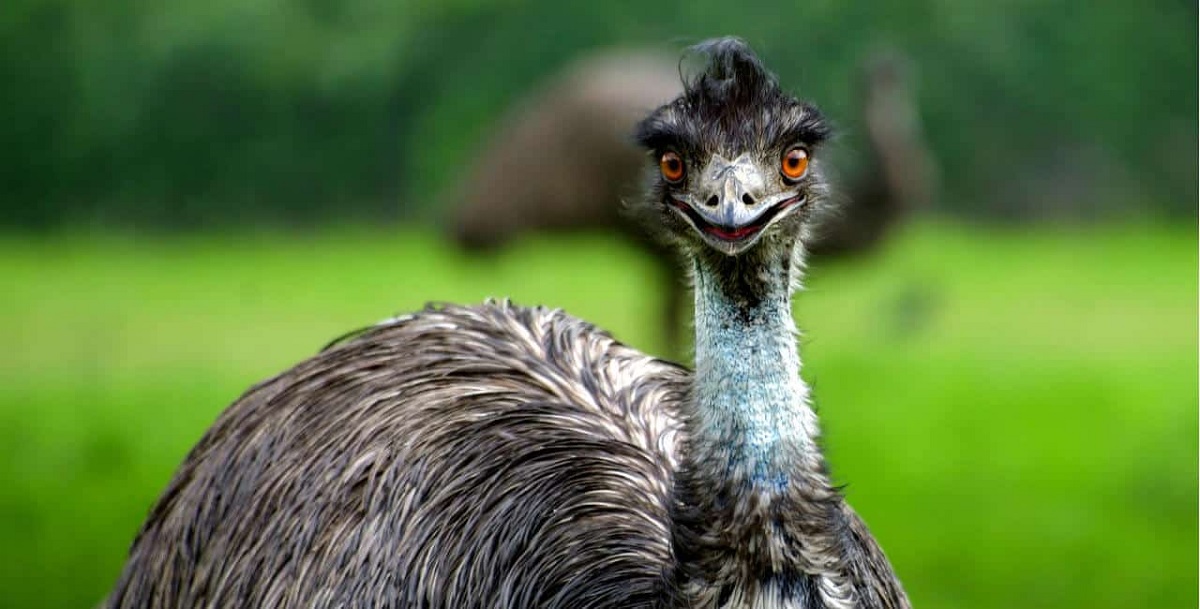
The question is the Liberty Mutual emu a real bird has intrigued many people, especially those who have seen the quirky commercials featuring the unusual character. The Liberty Mutual emu is a distinctive figure used in advertising, often sparking curiosity and even confusion about whether this bird actually exists in real life. Many viewers wonder if the emu shown in these ads is a genuine animal or simply a creation made for entertainment purposes.
In reality, the Liberty Mutual emu is based on a real bird species, the emu, which is native to Australia and is known for its large size and flightless nature. However, the specific way the emu is portrayed in the ads—with a particular personality and mannerisms—is a creative interpretation designed to capture attention and convey Liberty Mutual’s messaging in a memorable way. Exploring is the Liberty Mutual emu a real bird helps clarify this blend of fact and fiction behind the marketing icon.
Introduction
The question is the Liberty Mutual emu a real bird often comes up among viewers curious about the character they see in commercials. The emu, a large flightless bird native to Australia, is indeed a real animal, known for its impressive size and unique appearance. Liberty Mutual’s use of an emu in their ads adds a playful and memorable element, making the bird a recognizable mascot.
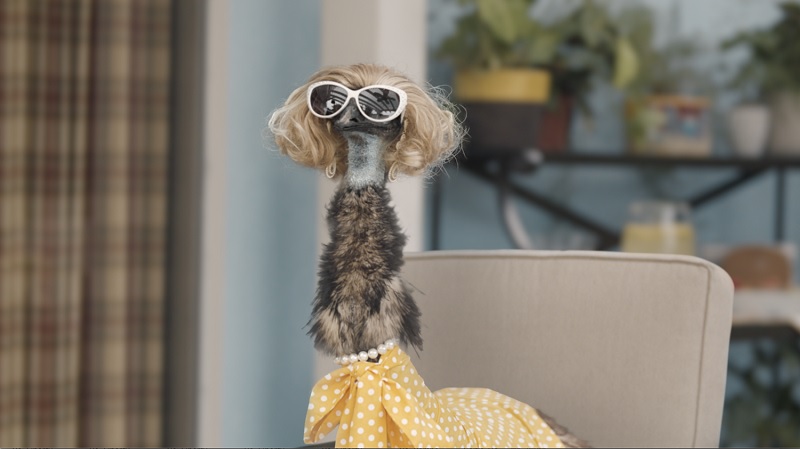
While the real emu is a fascinating creature of the natural world, the Liberty Mutual emu is given a quirky personality that brings humor and charm to the brand’s message. Understanding whether the Liberty Mutual emu is a real bird helps separate fact from advertising creativity, showing how real animals can inspire memorable marketing campaigns.
What is the Liberty Mutual Emu?
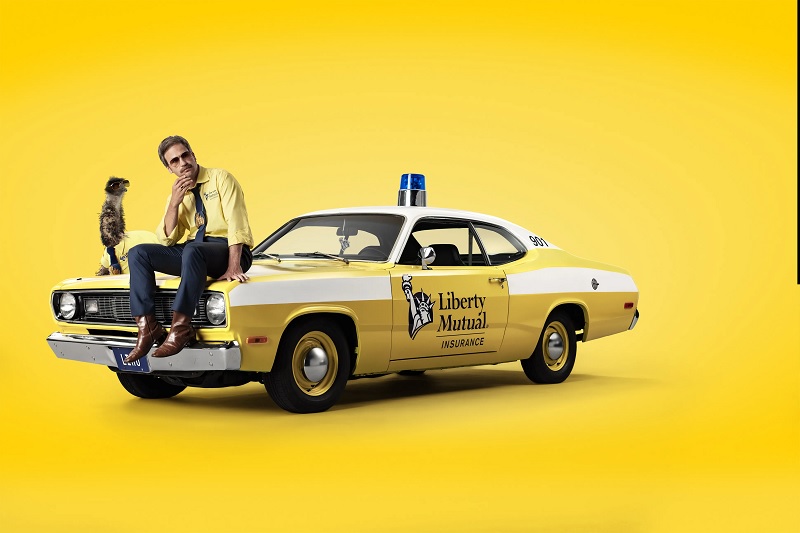
The Liberty Mutual Emu is a unique and memorable mascot used by the insurance company Liberty Mutual in its advertising campaigns. This emu character is a creative twist on the real emu bird, brought to life with a distinct personality designed to capture viewers’ attention and add a playful tone to Liberty Mutual’s marketing messages. Far from just a random choice, the emu mascot has become an iconic figure in Liberty Mutual’s brand identity, helping the company stand out in a crowded insurance market.
Origins of the Liberty Mutual Emu Mascot
The idea to use an emu as a mascot dates back to the early 2000s, when Liberty Mutual sought to refresh its advertising approach and appeal to a broader audience. The emu was chosen for its quirky, somewhat unexpected qualities—large, flightless, and a bit awkward—which offered plenty of opportunities for humor.
The character was developed with a mix of live-action puppetry and CGI in later ads, giving it a lifelike but cartoonish feel. This balance helped make the emu both believable and entertaining, a combination that resonated with viewers and helped build a strong brand association.
Role of the Emu in Liberty Mutual Advertising
The Liberty Mutual Emu plays a central role in the company’s advertising strategy by serving as a humorous, memorable figure that delivers key messages about insurance products and customer service. Often shown in scenarios where it highlights the importance of coverage or the ease of working with Liberty Mutual, the emu’s presence helps make potentially dry topics more engaging.
Its playful personality also adds warmth and relatability to the ads, making the company seem more approachable. Over time, the emu has become more than just a mascot—it’s a symbol of Liberty Mutual’s commitment to standing out and connecting with customers in a friendly, fun way.
Biological Facts About Emus
Emus are fascinating birds native to Australia, known for their unique appearance and behaviors. As the second-largest bird species in the world, they capture attention not only because of their size but also their distinctive physical traits and intriguing lifestyle. Understanding the biology of real emus offers insight into these remarkable creatures beyond their role as mascots or symbols in advertising.
Physical Characteristics of Real Emus
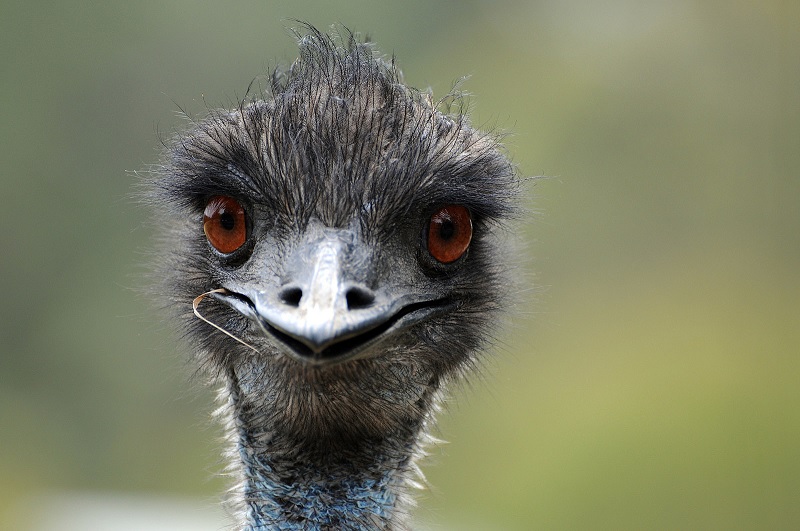
Emus are large, flightless birds that can grow up to 6 feet (about 1.8 meters) tall, making them the second-largest birds after ostriches. They have long necks and legs, which give them a striking silhouette. Their feathers are soft and shaggy, usually a mix of brown and gray tones, providing excellent camouflage in their natural environment.
Unlike many birds, emus have small wings that are not used for flying, but help them with balance and temperature regulation. Their powerful legs are built for running, and they can sprint at speeds up to 30 miles per hour (48 km/h). This speed is essential for escaping predators in the wild. Emus also have three toes on each foot, which assist in swift movement and stability.
Natural Habitat and Behavior
Emus are native exclusively to Australia, where they inhabit a variety of environments including forests, savannas, and grasslands. They are highly adaptable and can survive in both arid and temperate regions, though they tend to avoid dense rainforests and very dry deserts. Emus are nomadic birds that travel large distances in search of food and water. Their diet mainly consists of plants, seeds, fruits, insects, and small animals, making them omnivores.
Behaviorally, emus are known for their curiosity and gentle nature. They are mostly solitary or live in small groups but may come together during breeding season. Emus are strong swimmers and can cross rivers and lakes if needed. During breeding, the male takes on the role of incubating eggs and raising chicks, which is relatively rare in the bird world. This fascinating parental behavior adds to the unique biological profile of emus.
Comparing the Liberty Mutual Emu to Real Emus
The Liberty Mutual Emu is a popular advertising mascot that many recognize instantly, but how does this fictional character compare to real emus found in the wild? While the mascot is inspired by the actual bird, there are noticeable differences both visually and behaviorally. Exploring these contrasts helps us appreciate the creative liberties taken in marketing while understanding the true nature of real emus.
Visual Differences
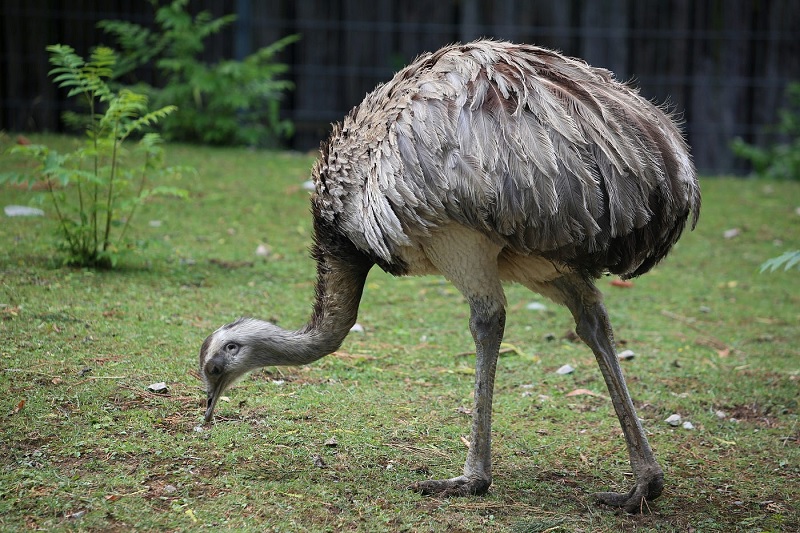
At first glance, the Liberty Mutual Emu looks quite similar to a real emu, featuring the tall, flightless bird’s signature long neck and shaggy feathers. However, the mascot is designed with exaggerated features to enhance its appeal on screen. For example, the Liberty Mutual Emu often has a more expressive face with animated eyes and exaggerated movements, which real emus do not possess. Real emus have smaller eyes relative to their head and a more neutral, less animated facial expression.
The mascot’s feathers are typically smoother and more uniform in color, tailored to look good on camera, whereas real emus have feathers that are more coarse and varied in shades of brown and gray. Additionally, the mascot’s size and posture may be adjusted for comedic effect or to fit the scene, while real emus maintain their natural stance with a slightly hunched posture. Overall, the Liberty Mutual Emu’s appearance is stylized to be instantly recognizable and engaging, differing from the more natural, rugged look of the wild bird.
Behavioral Differences
Behaviorally, the Liberty Mutual Emu is a character full of personality and human-like traits. In the commercials, it displays humor, curiosity, and even a sense of mischief, interacting with humans in ways that real emus never would. The mascot often engages in conversations or antics that require an understanding of human language and social cues, which is purely fictional.
In contrast, real emus are wild animals with instinct-driven behaviors. They are generally curious but cautious around humans and tend to avoid close interaction. Real emus are solitary or travel in small groups, focusing mainly on foraging and migration rather than social play or antics. Unlike the mascot, real emus do not communicate through speech or perform scripted behaviors—they rely on body language and vocalizations typical to birds for communication.
The Liberty Mutual Emu: An Actual Bird or a Character?
The Liberty Mutual Emu is a widely recognized figure in advertising, but many people wonder whether it is an actual bird or simply a character created for the commercials. The answer lies somewhere between reality and fiction, as the mascot blends real bird features with creative performance elements designed to bring the emu to life on screen.
Use of Costumes and Animatronics in Advertising
In Liberty Mutual’s early advertising campaigns, the emu was brought to life using a full-body costume worn by a performer. This practical approach allowed for human-like movements and expressions, giving the emu a unique personality that could interact with actors and deliver humorous moments. The costume emphasized the bird’s large size and distinctive look while making it approachable and entertaining.
As technology evolved, Liberty Mutual incorporated animatronics and computer-generated imagery (CGI) into newer commercials. Animatronics enabled more detailed facial expressions and smoother movements that a costume alone couldn’t achieve. These techniques allowed the emu to show subtle emotions and perform actions that enhanced its character-driven storytelling. Despite these enhancements, the Liberty Mutual Emu remains a character—a combination of costume artistry, puppetry, and digital effects—rather than a live bird.
Public Perception and Misconceptions
The realistic portrayal of the Liberty Mutual Emu in advertisements has sometimes led to confusion among viewers about whether the mascot is a real bird or a fictional character. Some may assume the bird in the commercials is an actual trained emu, while others understand it as a creative marketing tool. The humorous and exaggerated personality given to the emu further blurs this line, making it feel more like a cartoon character than a wild animal.
This misconception is understandable because the real emu is less known in many parts of the world, and seeing such a large, animated bird on TV naturally prompts curiosity. The use of costumes and animatronics is convincing enough that the emu feels lifelike, but it is important to recognize the mascot’s role as a crafted character designed to entertain and convey Liberty Mutual’s brand message.
People Also Ask
Is The Liberty Mutual Emu A Real Bird?
The Liberty Mutual Emu is inspired by a real bird species called the emu, which is native to Australia and is the second-largest bird in the world after the ostrich. However, the emu you see in Liberty Mutual commercials is not a live animal but a character created using costumes, animatronics, and CGI. This mascot is designed to entertain and deliver the company’s message in a fun, memorable way, rather than showcase a real bird performing on screen.
How Is The Liberty Mutual Emu Created For Commercials?
In the early Liberty Mutual ads, the emu was portrayed using a costume worn by a performer, allowing for human-like movement and interaction. Over time, the company incorporated animatronics and computer-generated imagery (CGI) to add realistic facial expressions and smoother movements. These techniques make the mascot appear lifelike while giving it personality traits that real emus do not have, such as talking or displaying humor.
Why Did Liberty Mutual Choose An Emu As Their Mascot?
Liberty Mutual chose the emu because it’s a large, distinctive bird that stands out and can be portrayed in humorous and memorable ways. The emu’s awkward and quirky nature provides excellent opportunities for comedic storytelling. This helped Liberty Mutual create a unique brand identity that captures viewers’ attention, making insurance topics more engaging and relatable.
Are Real Emus Used In Any Liberty Mutual Advertisements?
No, real emus are not used in Liberty Mutual’s advertisements. The company relies on creative techniques like costumes, puppetry, animatronics, and CGI to bring the emu character to life. Using a real bird would be difficult to control during filming and wouldn’t allow for the expressive, scripted behaviors the mascot is known for in the commercials.
What Are Some Key Differences Between The Liberty Mutual Emu And Real Emus?
While the Liberty Mutual Emu resembles a real emu in appearance, there are clear differences. The mascot often has exaggerated facial expressions and human-like behaviors such as talking or showing emotions, which real emus cannot do. Real emus are wild animals with natural, instinct-driven behavior and cannot interact with humans in the playful, scripted ways the mascot does. The mascot’s feathers are also smoother and more uniform for visual appeal, unlike the coarse, varied feathers of a wild emu.
Final Words
The Liberty Mutual Emu is not a real bird but a cleverly designed character inspired by the actual emu species native to Australia. Through a combination of costumes, animatronics, and CGI, Liberty Mutual has brought this quirky mascot to life, making it a memorable and entertaining part of their advertising.
While the real emu is a fascinating, large flightless bird with unique biological traits, the Liberty Mutual Emu serves a different purpose—to engage audiences with humor and personality. Understanding the difference between the real bird and the character helps clarify any confusion and highlights the creative effort behind one of insurance advertising’s most recognizable figures.