
The question “is the mockingjay a real bird?” often comes up among fans of The Hunger Games series, where the Mockingjay plays a powerful symbolic role. It’s a fair question, especially given how realistically the bird is portrayed in the books and films. The name itself sounds plausible, even scientific, and it’s easy to imagine such a bird existing in the wild. However, while the Mockingjay feels authentic, it is a fictional species created by author Suzanne Collins.
That said, it’s inspired by real birds—most notably the mockingbird and the blue jay. These two species share traits that contributed to the imagined Mockingjay’s appearance and behavior. So, if you’ve ever wondered, is the mockingjay a real bird?—the answer lies somewhere between fiction and fact. This article explores the origins of the Mockingjay, the real birds that inspired it, and why it feels so believable to readers and viewers alike.
What Is a Mockingjay?
The Mockingjay is a fictional bird that gained widespread recognition through Suzanne Collins’ The Hunger Games series. Although it doesn’t exist in the natural world, the Mockingjay is portrayed with such vivid detail that it has captured the imagination of millions. In the story, it’s described as a hybrid bird, born from the accidental mating of two real species — the mockingbird and the jabberjay, a genetically engineered bird that was designed to spy on people by repeating conversations. When the jabberjays were abandoned by the government, they bred with mockingbirds, creating the resilient and clever Mockingjay.
Origin in Popular Culture
The term “Mockingjay” is unique to The Hunger Games universe, debuting in the first book published in 2008. Suzanne Collins created the Mockingjay to be more than just a bird — it’s a symbol of rebellion and hope within the dystopian world she crafted. While the jabberjay and mockingbird are real or based on real birds, the Mockingjay itself is entirely fictional. The clever idea of mixing natural and engineered elements to create a new species adds depth and believability to the story’s setting.
Outside the books and films, the Mockingjay has become an iconic image, especially among fans of the series. It’s often used in merchandise, fan art, and even tattoos, symbolizing courage and resistance against oppression.
Symbolism in The Hunger Games Series
Within the narrative, the Mockingjay carries deep symbolic meaning. It represents defiance against the authoritarian Capitol, which created the jabberjays for surveillance but failed to control their offspring. The bird’s survival and adaptability mirror the resilience of the story’s protagonist, Katniss Everdeen, and the wider rebellion against tyranny.
The Mockingjay pin that Katniss wears is more than just a token; it becomes a rallying emblem for the districts rising up. It signifies hope, change, and the possibility of freedom, transforming from a simple bird into a powerful icon of revolution. Throughout the series, the Mockingjay reminds readers that sometimes unexpected outcomes—like the survival of the jabberjay’s offspring—can spark the flame of resistance.
Are Mockingjays Real Birds?
Many readers and fans of The Hunger Games often wonder: are mockingjays real birds? The answer is straightforward—mockingjays are fictional creatures created specifically for Suzanne Collins’ dystopian world. However, while the bird itself doesn’t exist in reality, it draws inspiration from several real species, making it feel authentic and relatable.
The Fictional Nature of Mockingjays
Mockingjays were invented by Suzanne Collins as a blend of creativity and storytelling. In the books, they are described as the offspring of jabberjays—genetically engineered birds used for espionage—and mockingbirds. Since jabberjays don’t exist in the real world, the mockingjay itself is a fictional hybrid. Collins used this imaginative bird as a symbol of resilience and rebellion, central themes in The Hunger Games narrative.
Because the mockingjay is a creation born from fiction and a dystopian setting, it’s important to understand it is not recognized in ornithology or found in natural habitats anywhere on Earth.
Inspiration from Real Birds
While the mockingjay is fictional, Suzanne Collins drew inspiration from real birds to create a believable species. The bird’s behavior, appearance, and name are influenced primarily by two well-known North American birds: the northern mockingbird and the blue jay. Both of these birds have distinct characteristics that helped shape the idea of the mockingjay.
The Northern Mockingbird
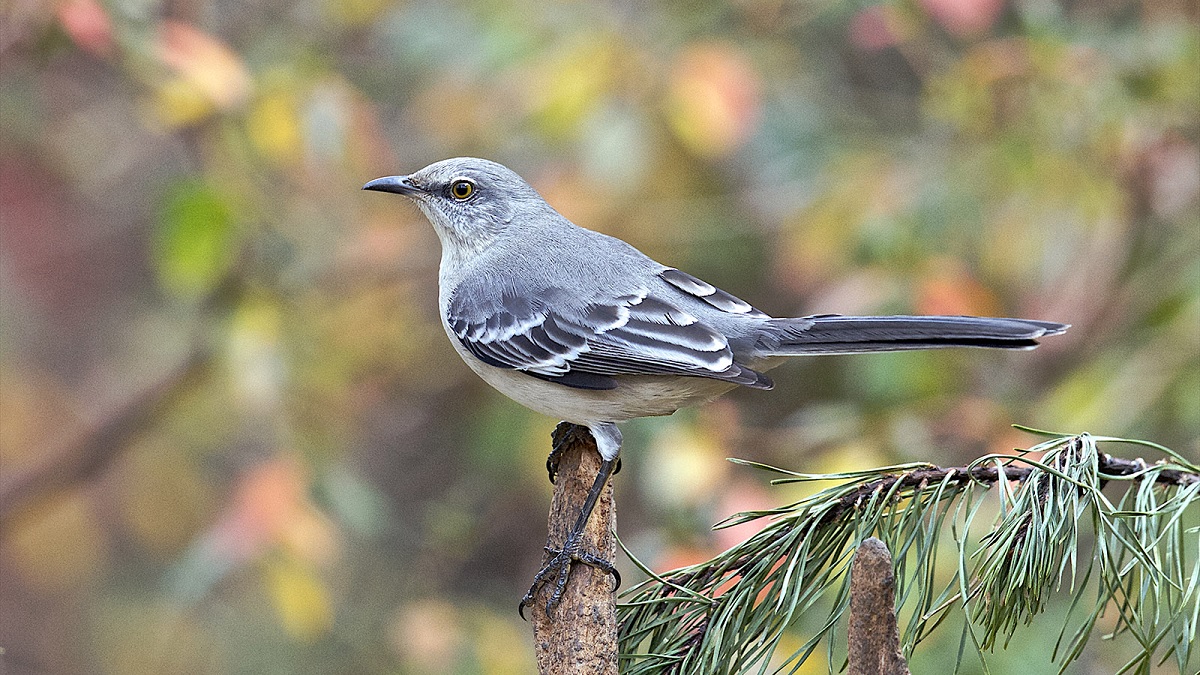
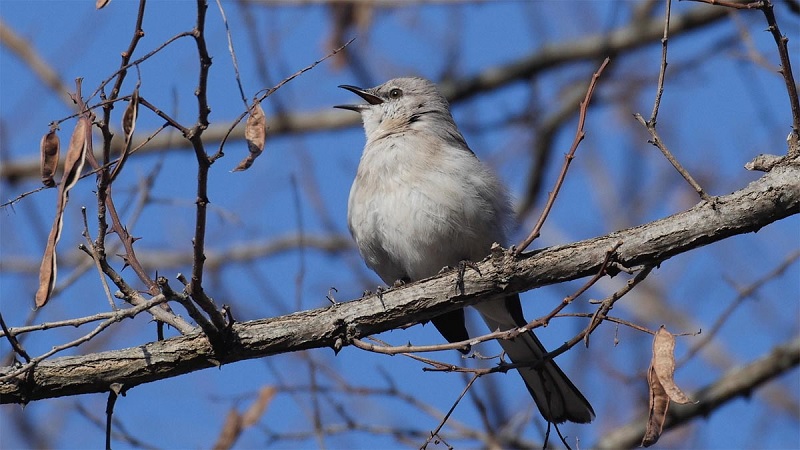
The northern mockingbird (Mimus polyglottos) is famous for its ability to mimic the songs of other birds and even mechanical sounds. It’s a medium-sized songbird known for its intelligence, adaptability, and vocal talent. This bird’s name and mimicry skills clearly inspired the “mocking” part of the mockingjay’s name and personality. Its presence across much of North America makes it a familiar and relatable species, helping readers visualize the fictional bird’s traits.
The Blue Jay
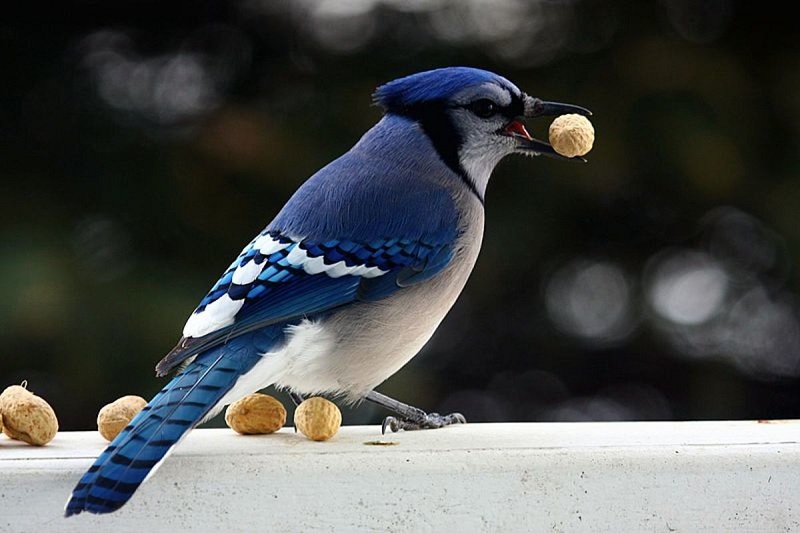
The blue jay (Cyanocitta cristata) is another influential species in the creation of the mockingjay. Known for its vibrant blue feathers, bold behavior, and loud calls, the blue jay contributes to the “jay” part of the name. Blue jays are known for their intelligence and ability to thrive in various environments, qualities that resonate with the rebellious and clever nature of the mockingjay in The Hunger Games.
Together, these two real birds inspired a bird that feels authentic despite being imaginary. The mockingjay combines the mimicry and adaptability of the northern mockingbird with the striking appearance and intelligence of the blue jay, creating a powerful symbol within the story.
Key Differences Between Mockingjays and Real Birds
While the mockingjay is a captivating and memorable creature in The Hunger Games series, it’s important to recognize how it differs from real birds. These differences span appearance, vocal abilities, and breeding habits, helping to highlight the unique fictional qualities of the mockingjay compared to actual bird species.
Appearance
One of the most striking aspects of the mockingjay is its distinctive look, combining features from both the northern mockingbird and the blue jay. In the series, mockingjays are described as medium-sized birds with sleek, blue-gray feathers and a long tail. Their coloring is said to be more muted and camouflaged than the bright blue of a typical blue jay, which fits with their role in a dystopian environment.
Real birds like the northern mockingbird have plain gray and white feathers, while blue jays are known for their vibrant blue plumage with white and black accents. The mockingjay’s appearance is intentionally designed to strike a balance between these two, giving it a unique but believable look that blends subtlety with brightness. This hybrid appearance doesn’t exist in nature, making it a key difference from real birds.
Vocal Abilities
Vocal mimicry is another important area where mockingjays stand out. Real northern mockingbirds are excellent mimics, able to replicate the calls of other birds, animals, and even mechanical noises. This natural talent inspired the mockingjay’s renowned ability to imitate a wide range of sounds.
However, the jabberjay—the fictional species that bred with mockingbirds to create the mockingjay—was engineered specifically to remember and repeat human conversations as a form of surveillance. This level of complex mimicry, especially of human speech, is far beyond what real birds can do. Mockingjays inherit this unique ability, making their vocal skills far more advanced and purposeful than those of any real bird.
Breeding and Habitat
In the story, the mockingjay’s origin is a key plot point: they are the result of jabberjays (created by the Capitol as spy birds) mating with wild mockingbirds after the jabberjays were abandoned. This hybrid breeding process is purely fictional. Real birds don’t crossbreed across different genera or engineered species like this.
In terms of habitat, mockingjays live in the dystopian wilderness surrounding Panem’s districts, adapting to harsh environments. Real mockingbirds and blue jays thrive in varied habitats across North America, from forests to suburban areas, but there’s no known hybrid species combining traits from these two in the wild.
Real Birds That Resemble Mockingjays
Although the mockingjay itself is a fictional bird created for The Hunger Games, several real birds share similar traits, especially in appearance and vocal abilities. These real birds help bring the idea of the mockingjay to life by inspiring its characteristics. Here’s a closer look at some of the birds that resemble mockingjays in various ways.

The Northern Mockingbird
The northern mockingbird is the most direct inspiration for the mockingjay. Known for its striking ability to imitate the songs and calls of other birds—and even mechanical sounds—this bird’s mimicry skills are truly impressive. It’s medium-sized, with grayish feathers and white wing patches that flash during flight, making it a familiar sight across much of North America.
Its name and behavior strongly influenced the “mocking” aspect of the mockingjay. The northern mockingbird’s adaptability and intelligence make it a perfect real-world counterpart to the fictional bird’s cleverness and vocal talents.
Other Mimic Birds
Beyond the northern mockingbird, there are several other bird species famous for their mimicry, sharing the impressive vocal talents attributed to the mockingjay. Two notable examples are the lyrebird and the mynah bird, both renowned for their unique and diverse repertoires.
Lyrebird
The lyrebird, native to Australia, is one of the world’s most extraordinary mimics. It can imitate chainsaws, camera shutters, car alarms, and the calls of other birds with astonishing accuracy. Its tail feathers resemble a lyre, lending the bird its name. The lyrebird’s vocal abilities are far beyond most birds, making it a fascinating real-life example of mimicry.
Though it looks very different from the mockingjay, the lyrebird’s complex songs and sound mimicry showcase the kind of natural talent that inspired the jabberjay and mockingjay’s fictional abilities.
Mynah Bird
The mynah bird, especially the common hill mynah, is another remarkable mimicker. These birds are famous for their ability to imitate human speech and a wide variety of sounds with clarity. Mynah birds are often kept as pets because of their vocal talents, which can include mimicking whistles, alarms, and voices.
The mynah’s ability to replicate human speech makes it a real-world parallel to the jabberjay’s fictional role as a spy bird and the mockingjay’s inherited vocal mimicry.
Why People Think Mockingjays Are Real
Despite being a fictional creation, many people believe that mockingjays are real birds. This confusion largely stems from the influence of popular media and some common misconceptions about bird species. Let’s explore why the idea of the mockingjay feels so believable to so many.
Influence of Popular Media
One of the main reasons people think mockingjays are real is the way The Hunger Games series portrays them. Suzanne Collins crafted the mockingjay with great attention to detail, making it feel like a natural part of the story’s world. The books describe its appearance, behavior, and even its history in a way that blends elements of reality with fiction.
Additionally, the movies brought the mockingjay to life with realistic visual effects and sound design. Hearing the bird’s calls and seeing it in action on screen helped create a vivid image that feels authentic. When fictional creatures are presented so convincingly in popular media, it’s easy for audiences—especially younger viewers or casual readers—to assume they exist in the real world.
The mockingjay also became a cultural symbol beyond the story, appearing in merchandise, fan art, and social media. This widespread presence blurs the line between fiction and reality, encouraging the belief that mockingjays are actual birds.
Misconceptions About Bird Species
Another factor contributing to the confusion is the general unfamiliarity many people have with different bird species. With thousands of birds worldwide—some with exotic names and appearances—it’s not uncommon for someone to assume that a bird they haven’t heard of is real.
The name “mockingjay” sounds plausible, combining real bird names: “mockingbird” and “jay.” Both are well-known species, so it’s easy to think that a mockingjay might be another type of bird rather than a fictional hybrid. This blending of familiar terms makes the mockingjay name feel like it belongs in nature.
Additionally, many people don’t realize how specific bird classifications and breeding work, so the concept of a hybrid bird like the mockingjay—born from a jabberjay and a mockingbird—seems possible. The jabberjay itself sounds like it could be a real bird species, further adding to the misunderstanding.
Frequently Asked Questions
What Real Birds Inspired The Creation Of The Mockingjay?
The mockingjay was inspired mainly by two real birds: the northern mockingbird and the blue jay. The northern mockingbird is known for its exceptional ability to mimic sounds, while the blue jay is recognized for its vibrant blue feathers and intelligence. Suzanne Collins combined traits from both species to create the believable and symbolic mockingjay in her story.
Why Do People Often Confuse Mockingjays With Real Birds?
People often confuse mockingjays with real birds because the name sounds plausible and closely resembles existing birds like mockingbirds and jays. Additionally, the detailed descriptions in the books and movies make the mockingjay seem authentic. The blend of scientific-sounding terms and realistic traits makes it easy to believe the bird exists outside fiction.
Can Mockingjays Mimic Human Speech Like Jabberjays In The Books?
In the story, jabberjays were engineered to mimic human speech as part of a surveillance program. Mockingjays, being their hybrid offspring, inherit advanced mimicry abilities but are not described as perfectly repeating human speech like jabberjays. This vocal skill is much more advanced than what real birds can do, making mockingjays unique within the fictional world.
Are There Any Real Birds That Can Imitate Human Sounds Like The Mockingjay?
While mockingjays are fictional, some real birds have impressive mimicry skills. Northern mockingbirds can imitate other bird calls, and birds like mynah birds and lyrebirds can imitate a wide variety of sounds, including human speech. However, no real bird combines mimicry with the hybrid origins or symbolic significance of the mockingjay.
What Does The Mockingjay Symbolize In The Hunger Games?
The mockingjay symbolizes rebellion, hope, and resilience in The Hunger Games. It represents the unexpected survival and resistance of the districts against the oppressive Capitol. The bird’s existence as a hybrid, born from a failed government experiment, highlights themes of defiance and the power of nature—and people—to adapt and fight back.
Conclusion
The mockingjay is not a real bird but a fictional creation from The Hunger Games series. Inspired by real birds like the northern mockingbird and the blue jay, the mockingjay combines familiar traits to form a believable and symbolic species within the story’s world. Its detailed portrayal in books and movies has made many people wonder if it truly exists, but the bird remains a powerful symbol of rebellion, hope, and resilience rather than a natural creature.
Understanding the difference between the fictional mockingjay and real birds helps deepen appreciation for Suzanne Collins’ storytelling and the creative ways she blended reality with imagination to build a memorable and meaningful symbol.