
Many people have wondered about the mysteries of the animal kingdom, especially when it comes to birds. One question that sparks real curiosity is: is there a bird that never lands? It almost sounds impossible—after all, every bird has to rest at some point, right? But nature has a way of surprising us. Some birds have evolved in remarkable ways, pushing the limits of what we think is normal.
In this case, there’s actually truth behind the idea of a bird that spends the majority of its life in the sky. This isn’t just a myth or a figure of speech; it’s backed by science and observation. Exploring how such a bird survives, feeds, sleeps, and even mates midair opens up a fascinating window into the extremes of flight and adaptation. So, let’s take a closer look at the incredible answer to the question: is there a bird that never lands?
The Concept of a Bird That Never Lands
The idea of a bird that never lands might sound like a wild exaggeration, but it’s rooted in reality. While most birds perch, nest, or rest on the ground or in trees, there are a few remarkable species that spend almost their entire lives in the sky. This concept challenges our everyday understanding of what birds do, and it leads us to fascinating insights into flight, survival, and evolution.
What Does “Never Lands” Mean?
When we say a bird “never lands,” it doesn’t mean the bird literally never touches a surface under any circumstances. Instead, it refers to birds that can stay airborne for incredibly long periods—months or even years—without needing to land.
The common swift, for example, is known to spend up to 10 months in continuous flight. During this time, it eats, sleeps, and even mates in the air. That’s an extraordinary adaptation and almost unheard of in the animal world. Scientists track these birds using small devices, and the data they collect confirms just how little time these creatures spend grounded.
So, while these birds may eventually land to nest or rear young, they live the vast majority of their lives on the wing. In that sense, the term “never lands” is less about absolute avoidance and more about a life dominated by flight.
Why Would a Bird Stay in the Air?
There are several evolutionary and survival advantages to staying airborne. For starters, flying continuously helps birds avoid ground-based predators. Staying in the air also allows access to a wider range of food sources, such as flying insects. For birds like swifts, their entire feeding strategy revolves around catching prey mid-flight.
Additionally, these birds have lightweight bodies, long wings, and efficient metabolisms that make continuous flight less taxing than it would be for other species. Their biology supports this lifestyle—some can even enter a sleep-like state while flying, known as unihemispheric slow-wave sleep, where one half of the brain rests while the other remains alert.
The Common Swift – Nature’s Aerial Master
Among all birds that thrive in the skies, the common swift (Apus apus) stands out as a true aerial master. This remarkable species has captivated scientists and birdwatchers alike with its incredible flying abilities and unique lifestyle. Known for spending nearly its entire life in the air, the common swift is often the first bird mentioned when people ask, is there a bird that never lands?
Overview of the Common Swift
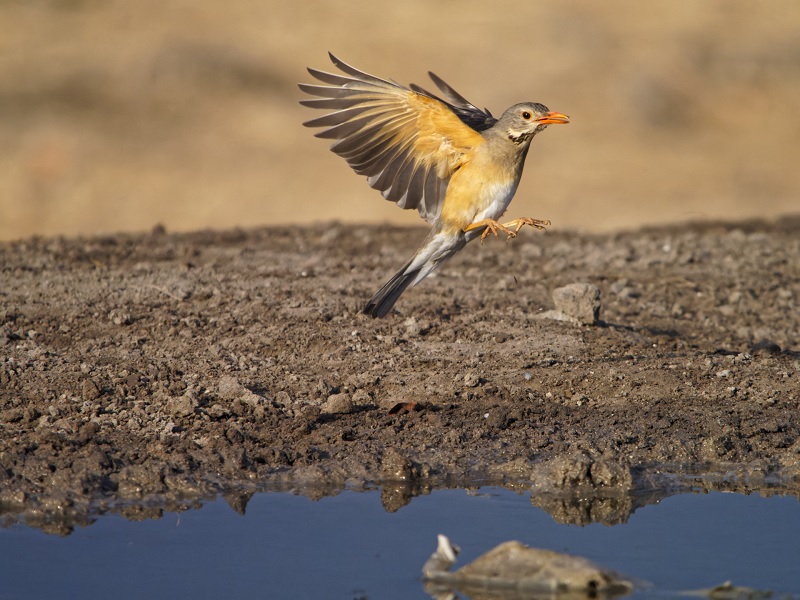
The common swift is a small, sleek bird with a dark, sooty-brown body and crescent-shaped wings. Despite its modest appearance, it holds some of the most impressive records in the avian world. Found across Europe, Asia, and parts of Africa, it breeds in temperate regions and migrates to sub-Saharan Africa for the winter. These birds are incredibly fast and agile, often mistaken for swallows, though they belong to a different family entirely.
Flight Capabilities and Adaptations
What makes the common swift truly special is its adaptation to a life spent almost entirely in the air. With long, narrow wings and a streamlined body, it’s built for endurance and efficiency. It feeds on airborne insects and drinks by skimming over water. Even more fascinating is its ability to sleep while flying—achieved through unihemispheric slow-wave sleep, where one half of the brain rests while the other remains active. This allows swifts to stay alert enough to navigate while still getting rest.
Scientific Studies on Continuous Flight
Researchers have studied the common swift using lightweight tracking devices called geolocators. A groundbreaking study conducted by Swedish scientists confirmed that some individuals remained in flight for up to 10 months straight without landing.
Data from these devices showed that swifts could maintain near-constant motion, only briefly slowing down or gliding but never truly touching down during that time. These findings stunned the scientific community and redefined what we thought was possible for a bird’s endurance.
How Long Can It Stay Airborne?
The common swift currently holds the record for the longest time spent in flight without landing—up to 10 consecutive months. After fledging, young swifts can remain airborne for years before settling down to breed. This uninterrupted flight phase is not only physically demanding but also critical for their survival and migration. Once the breeding season ends, adult swifts often return to their airborne lifestyle until the next nesting cycle.
Other Birds With Long Flight Durations
While the common swift is often the most talked-about bird when it comes to extended flight, it’s not alone in its aerial achievements. Several other bird species have evolved to spend remarkable amounts of time in the air, often covering vast distances without ever landing for days or even weeks. Two standout examples are the alpine swift and the frigatebird—each with its own unique adaptations that allow for extraordinary endurance in flight.
Alpine Swift
The alpine swift (Tachymarptis melba) is a close relative of the common swift and shares many of its high-flying habits. Found across southern Europe, parts of Asia, and Africa, alpine swifts are larger than their common cousins and are known for their powerful, fast flight.
In a study using tracking devices, researchers discovered that these birds can remain airborne for more than 200 days at a time during their migration and non-breeding seasons. Like the common swift, they eat, sleep, and travel all while on the wing. Their larger size helps them glide more efficiently over long distances, making them well-suited for marathon flights.
Frigatebirds
Frigatebirds take long-distance flight to a whole new level. Native to tropical and subtropical oceans, these seabirds are built for soaring rather than flapping, using air currents and thermals to stay aloft with minimal energy.
Males and females can spend weeks over the open ocean without landing, even sleeping in flight. A study published in Science found that great frigatebirds can stay in the air for up to two months while foraging over the ocean. Their wingspan-to-body-weight ratio is one of the highest in birds, allowing them to glide effortlessly across huge expanses of water in search of food.
Comparison With the Common Swift
While both alpine swifts and frigatebirds are impressive in their own right, the common swift still holds the title for the longest continuous flight without landing—up to 10 months straight. Alpine swifts come close, but their airborne stretches tend to be slightly shorter and more seasonal. Frigatebirds, though capable of long flights, tend to mix flying with brief landings or ocean skimming and rely more heavily on soaring rather than active flight.
Myths vs. Reality
The idea of birds that “never land” captures the imagination and often leads to myths, exaggerations, or misunderstandings. It’s easy to see how such stories develop—after all, seeing a bird constantly soaring overhead without rest can seem almost magical. But when it comes to separating fact from fiction, science provides clear answers. Let’s explore what’s true and what’s myth when it comes to birds that live in the air.
Do Any Birds Truly Never Land?
No bird spends its entire life in the air without ever landing—not in the strictest sense. Even the most aerial birds, like the common swift, eventually land to breed or raise young. However, there are birds that come astonishingly close.
The common swift, for instance, has been recorded staying airborne for up to 10 months at a time, handling all essential activities—eating, sleeping, and even mating—while in flight. Alpine swifts and frigatebirds also spend extended periods in the sky, but none avoid landing completely for life.
So, while the phrase “a bird that never lands” makes for a compelling headline, it’s more accurate to say that certain birds spend the vast majority of their lives airborne, rather than every single moment.
Clarifying Misconceptions
One common misconception is that birds with long flight durations must be physically larger or more powerful. In reality, it’s not just about size—it’s about aerodynamic efficiency, wing shape, and energy conservation. The common swift, though small, is perfectly engineered for life in the air, with long, narrow wings and a lightweight body that make extended flight possible.
Another myth is that birds must land to sleep. Research has shown that birds like swifts and frigatebirds can rest while flying using a special form of sleep called unihemispheric slow-wave sleep. This means one half of the brain sleeps while the other stays alert enough to maintain flight. It’s a fascinating adaptation, but it’s not the same as deep, prolonged rest. These birds have adapted to “nap on the go,” so to speak, rather than needing a full stop.
Implications of Continuous Flight
The concept of continuous flight—birds staying in the air for months at a time—raises fascinating questions about biology, energy use, and survival strategies. How do these birds manage basic needs like eating and sleeping without landing? The answers lie in their remarkable adaptations that allow them to thrive where most other animals couldn’t survive. Understanding these mechanisms not only highlights the power of evolution but also deepens our appreciation for the complexity of life in the skies.

Energy and Feeding in Flight
Sustaining energy during continuous flight is no small feat. Birds like the common swift and alpine swift have evolved to feed entirely while airborne. Their diet consists mostly of aerial plankton—tiny insects, spiders, and other small organisms caught in air currents. These birds use quick, agile movements to snap up prey mid-flight, often flying with their mouths slightly open to catch as much food as possible while gliding.
Efficient flight mechanics also play a major role. Long, narrow wings reduce drag and allow for energy-conserving gliding between active flapping. Some birds, like frigatebirds, ride thermals and ocean breezes for hours without expending much energy. Their lightweight bodies and high wing-to-body ratios make this possible. These features reduce the metabolic cost of flight and allow birds to travel vast distances without rest, which is crucial during long migrations or while foraging far from land.
Sleep While Flying
Perhaps one of the most mind-bending questions about continuous flight is: how do these birds sleep? The answer lies in a phenomenon called unihemispheric slow-wave sleep—a type of rest where only one half of the brain sleeps at a time while the other remains awake and alert. This allows birds like swifts and frigatebirds to maintain basic flight control and environmental awareness even while resting.
In frigatebirds, studies using brain-monitoring equipment have confirmed that they can sleep in short bursts while gliding. These naps might last only seconds or minutes, but they’re enough to keep the bird functioning over long stretches. Swifts likely use a similar strategy, although directly measuring their sleep has proven more difficult due to their small size and nonstop motion.
The ability to sleep midair reflects one of the most extraordinary biological adaptations known. It shows how evolution can shape complex behaviors and physiological traits to meet the demands of extreme lifestyles. These airborne birds aren’t just flying machines—they’re living examples of nature’s ability to push boundaries and adapt to life in the most unexpected ways.
Frequently Asked Questions
What Bird Stays in the Air the Longest?
The common swift holds the record for the longest time spent in the air. After leaving the nest, it can stay airborne for up to 10 months without landing. During this period, it eats, sleeps, and even mates while flying. This incredible ability is made possible by its aerodynamic body, long wings, and efficient energy use. Although it does land during the breeding season, the rest of its life is almost entirely spent in the sky.
Can Birds Really Sleep While Flying?
Yes, certain birds like the common swift and frigatebird can sleep while flying. They do this through a unique process called unihemispheric slow-wave sleep. This means one half of the brain rests while the other stays alert enough to keep the bird in flight. These micro-naps help them conserve energy and stay airborne for long periods without needing to land for rest.
Why Would a Bird Choose Not to Land?
Birds that stay in the air for long durations have evolved this behavior for survival. Continuous flight helps them avoid predators, search for food over wide areas, and migrate across continents. It also allows them to take advantage of air currents and thermals for effortless travel. For birds like swifts and frigatebirds, staying airborne is not just a habit—it’s a way of life.
How Do Birds Eat While Flying?
Aerial birds like swifts feed on tiny insects and airborne particles, often referred to as aerial plankton. They catch food mid-flight by opening their mouths and scooping up insects as they glide or maneuver through the air. This technique allows them to maintain flight while feeding, removing the need to stop or land.
Do Birds That Stay in the Air Ever Land?
Yes, even birds known for their long flights eventually land. For example, the common swift lands to breed and raise chicks. Young swifts might stay in the air for up to two years before nesting for the first time, but no bird stays airborne for its entire life. Landing is rare but necessary at certain stages of their life cycle.
Are There Other Birds Besides Swifts That Stay in the Air?
Yes, the alpine swift and frigatebird are also known for their long flights. Alpine swifts can stay airborne for over 200 days, and frigatebirds may remain in the air for up to two months. While none match the common swift’s duration, they all showcase impressive aerial endurance and unique adaptations.
Is It True That Some Birds Never Touch the Ground?
While it’s a popular myth, it’s not entirely accurate. Birds like the common swift rarely touch the ground, but they do land when necessary, especially during nesting. The idea of a bird that never touches the ground may be rooted in observation, but in reality, even the most aerial birds eventually land for specific purposes.
Conclusion
The question “Is there a bird that never lands?” opens the door to one of nature’s most fascinating adaptations. While no bird stays airborne for its entire life without ever touching down, species like the common swift come remarkably close. Spending up to 10 months in the air, it eats, sleeps, and travels without landing—a feat unmatched in the animal kingdom.
Other birds, such as alpine swifts and frigatebirds, also exhibit extraordinary flight endurance. These behaviors aren’t just curiosities; they’re powerful examples of evolution at work. Understanding these birds deepens our appreciation for how life adapts to even the most demanding environments. In the skies above us, some creatures have truly made the air their permanent home.