
Wondering is vinegar safe for birds? Many bird owners and enthusiasts often turn to natural products like vinegar for cleaning cages, removing odors, or even treating minor bird ailments. Vinegar, especially white distilled vinegar, is well-known for its antibacterial and deodorizing properties, making it a popular choice in many households. However, when it comes to our feathered friends, safety is always a top priority. Birds have sensitive respiratory systems, and certain substances that seem harmless to humans can sometimes pose risks to them.
Understanding how vinegar interacts with birds and the proper ways to use it can help prevent any unintentional harm. This introduction will explore the safety of vinegar around birds, discussing the benefits and precautions to keep your avian companions healthy and safe. Whether you’re considering vinegar for cleaning or other uses, knowing the facts about is vinegar safe for birds is essential for every responsible bird caretaker.
Understanding Vinegar and Its Types
Vinegar is a liquid made through the fermentation of ethanol by acetic acid bacteria, resulting in a sharp, tangy flavor due to its acetic acid content. Common types include white distilled vinegar, apple cider vinegar, balsamic vinegar, and wine vinegar. Each varies in acidity and flavor, with white distilled vinegar often used for cleaning because of its strong acidity and lack of additives. Knowing these differences helps ensure safe use, especially around sensitive pets like birds.
What Is Vinegar?
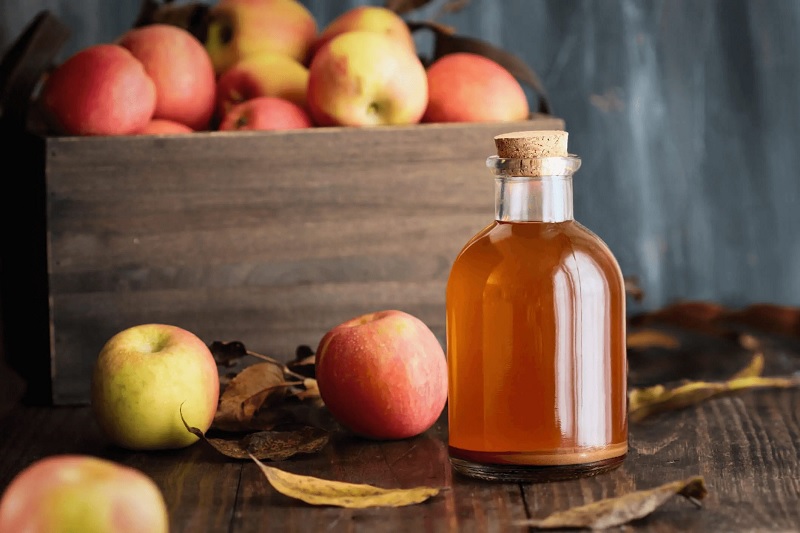
Vinegar is a liquid consisting mainly of acetic acid and water, produced through the fermentation of ethanol by acetic acid bacteria. This fermentation process turns various sugary or starchy materials like fruits, grains, or even alcohol into vinegar. Its distinct sharp and tangy flavor comes from the acetic acid content, which typically ranges from 4% to 8%. Vinegar has been used for centuries across cultures, not only as a culinary ingredient but also for cleaning, preserving foods, and even medicinal purposes.
What makes vinegar particularly versatile is its natural antimicrobial properties, which help inhibit the growth of bacteria and mold. This is why many people consider it a safe and eco-friendly alternative to harsh chemical cleaners. However, because vinegar is acidic, its effects can vary widely depending on the concentration and how it is used. When it comes to pets, especially birds, understanding the type of vinegar and its concentration is important to ensure safety.
Common Types of Vinegar
There are several types of vinegar available, each with unique sources, flavors, and uses. Here are some of the most common varieties:
White Distilled Vinegar
This is the most common type of vinegar used for cleaning and cooking. It is clear, highly acidic (usually around 5% acidity), and made from distilled grain alcohol. Its strong acidity and neutral flavor make it a popular choice for disinfecting surfaces, removing stains, and deodorizing. White distilled vinegar is often the vinegar referred to when discussing household cleaning uses.
Apple Cider Vinegar
Made from fermented apple juice, apple cider vinegar has a slightly milder acidity and a fruity flavor. It is popular in health and wellness circles for potential benefits such as aiding digestion or balancing pH levels. Apple cider vinegar contains trace minerals and vitamins, which differentiate it from distilled white vinegar, but it still retains the acidic qualities that make vinegar effective for cleaning and preservation.
Balsamic Vinegar
Known for its rich, sweet flavor, balsamic vinegar is made from grape must (freshly crushed grape juice with skins, seeds, and stems). It is aged in wooden barrels, giving it a dark color and complex taste. Balsamic vinegar is mostly used in cooking and dressings rather than cleaning.
Red and White Wine Vinegar
These vinegars are made by fermenting red or white wine. They are commonly used in culinary applications to add acidity and flavor to dishes. Their acidity levels are typically similar to that of white distilled vinegar but with different flavor profiles.
Vinegar’s Effects on Birds
Vinegar can affect birds in both positive and negative ways. Its antimicrobial properties make diluted vinegar useful for cleaning cages and reducing bacteria. However, birds have sensitive respiratory and digestive systems, so strong vinegar fumes or ingestion of concentrated vinegar can cause irritation, breathing issues, or digestive upset. Using vinegar around birds requires caution—always dilute it properly and avoid prolonged exposure to protect their delicate health.
How Vinegar Interacts With Bird Physiology
Birds have highly sensitive respiratory and digestive systems, which makes their response to various substances quite different from mammals. Vinegar, primarily composed of acetic acid, is acidic and can cause irritation if inhaled or ingested in concentrated forms. When birds breathe in strong vinegar fumes, their delicate respiratory tract lining can become inflamed, leading to breathing difficulties or distress.
Similarly, if vinegar is ingested in large amounts, the acidity can disrupt the natural balance of their digestive system, potentially causing discomfort or harm. Understanding these physiological interactions is crucial before using vinegar around or on birds.
Potential Benefits of Vinegar for Birds
Despite some risks, vinegar does offer certain benefits when used appropriately and in diluted forms. Vinegar’s antimicrobial properties can help control bacteria and fungi in bird cages, feeders, and water dishes, contributing to a cleaner environment that reduces the risk of infections. Some bird owners use mild vinegar solutions to clean cage surfaces because it is a natural alternative to harsher chemical disinfectants, which can be more harmful to birds. Additionally, very diluted vinegar may be used occasionally to help control minor fungal infections or support digestive health, but only under guidance from an avian vet. The key is moderation and careful application to avoid adverse effects.
Possible Risks and Toxicity
While vinegar can be useful in small, controlled amounts, improper use poses several risks to birds. Exposure to strong vinegar fumes can cause respiratory irritation or distress, which is especially dangerous for birds with pre-existing lung or airway conditions. Direct contact with undiluted vinegar may irritate a bird’s skin or eyes. Ingesting vinegar in high concentrations can upset their digestive tract, leading to symptoms such as vomiting, diarrhea, or lethargy.
Prolonged or excessive exposure may even lead to more severe health issues. It’s also important to avoid using flavored or infused vinegars, as additives like garlic or onion extracts are toxic to birds. For these reasons, any vinegar use around birds should be highly diluted, well-ventilated, and preferably recommended by a qualified avian specialist.
Using Vinegar Around Birds
Vinegar can be a safe and effective cleaner around birds when used properly. Diluting white distilled vinegar with water, typically at a 1:4 ratio, helps reduce its acidity while maintaining its antimicrobial properties. Always clean bird cages and accessories in well-ventilated areas and avoid spraying vinegar directly near birds to prevent respiratory irritation. Thoroughly rinsing surfaces after cleaning and avoiding flavored or infused vinegars keeps your feathered friends safe and comfortable.

Vinegar as a Cleaning Agent in Bird Areas
Vinegar is a popular natural cleaning agent thanks to its ability to kill bacteria, mold, and unpleasant odors without relying on harsh chemicals. Many bird owners use diluted vinegar solutions to clean bird cages, perches, food dishes, and play areas. Its antimicrobial properties help maintain a healthier environment by reducing pathogens that could cause illness in birds. Unlike some chemical cleaners that leave toxic residues, vinegar breaks down safely and rinses away easily, making it an eco-friendly choice. However, it’s important to remember that vinegar’s acidity can be strong, so it must be used thoughtfully around birds to prevent any potential harm.
Safe Dilution and Application Methods
To safely use vinegar around birds, dilution is essential. A common recommendation is to mix one part white distilled vinegar with at least four parts water (a 1:4 ratio) to create a gentle cleaning solution. This level of dilution reduces acidity enough to be effective yet safe for birds. When cleaning, apply the solution with a cloth or spray bottle, then thoroughly rinse the surfaces with clean water to remove any lingering vinegar residue.
Avoid spraying vinegar directly near birds or into their cages while they are present, as the fumes can cause respiratory irritation. Instead, clean cages outside or in well-ventilated areas and allow the cage to dry completely before reintroducing your birds.
Avoiding Harmful Exposure
Minimizing bird exposure to undiluted vinegar or strong vinegar fumes is key to preventing health issues. Birds have sensitive respiratory systems that can be irritated by acidic vapors, potentially leading to coughing, sneezing, or labored breathing. Ensure any area cleaned with vinegar is well-ventilated and free of birds until the smell dissipates.
Never use flavored or infused vinegars near birds, as additives like garlic, onion, or herbs can be toxic. Additionally, avoid using vinegar on a bird’s feathers or skin, since direct contact with concentrated vinegar can cause irritation or dryness. When used correctly, vinegar is a safe, effective cleaner, but respecting these precautions helps protect your feathered friends’ health.
Alternatives to Vinegar for Bird Care
There are several bird-safe alternatives to vinegar for cleaning and care. Enzymatic cleaners and mild, fragrance-free dish soap diluted in water effectively clean cages without harmful fumes. Natural options like baking soda help deodorize, while steam cleaning sanitizes without chemicals. However, avoid essential oils and harsh homemade mixtures, as many can be toxic to birds. Always prioritize gentle, non-toxic products and consult an avian vet to keep your birds safe and healthy.

Bird-Safe Cleaning Solutions
While vinegar is a popular natural cleaner, some bird owners may prefer alternatives that are specifically designed to be safe and gentle for birds. Bird-safe cleaning products often use mild, non-toxic ingredients that effectively remove dirt, bacteria, and odors without risking respiratory irritation. For example, enzymatic cleaners break down organic waste like droppings and food residue without harsh chemicals or strong fumes.
These cleaners are formulated to be odorless or have minimal scent, which helps avoid stressing sensitive birds. Additionally, plain warm water combined with a small amount of gentle, fragrance-free dish soap can be an effective cleaning option for cages and accessories. It’s crucial to always rinse thoroughly to remove any soap residue that might harm birds if ingested or contacted.
Natural Remedies and Precautions
Beyond commercial bird-safe cleaners, some natural remedies offer safe alternatives for bird care but require careful use and knowledge. Baking soda is a popular choice for deodorizing cages and neutralizing odors. Sprinkling a small amount on cage bottoms or using it in a water solution for cleaning can help maintain freshness without toxicity. Likewise, steam cleaning is a chemical-free method that sanitizes cage surfaces and accessories through high-temperature steam, effectively killing germs without introducing irritants.
However, natural doesn’t always mean safe, especially with birds. Essential oils, for instance, should generally be avoided because many are toxic to birds even in small amounts. Similarly, homemade mixtures with lemon juice, alcohol, or other strong substances can cause irritation or poisoning. Always research any natural remedy thoroughly and consult with an avian veterinarian before use.
In general, good hygiene practices such as daily removal of waste, regular cage cleaning with safe products, and providing fresh water help maintain a healthy environment without relying heavily on strong chemicals. Using bird-safe cleaners and natural methods responsibly ensures that your feathered friends stay safe, comfortable, and healthy.
When to Consult a Veterinarian
If a bird shows signs of vinegar poisoning, such as difficulty breathing, sneezing, lethargy, loss of appetite, or digestive issues, it’s crucial to consult a veterinarian immediately. Remove the bird from exposure, rinse any affected areas with water, and avoid home remedies unless advised by a professional. Prompt veterinary care can provide treatments like oxygen therapy and fluids, preventing complications and ensuring your bird’s health and safety. Early intervention is key.
Recognizing Signs of Vinegar Poisoning
Birds exposed to vinegar, especially in concentrated forms or for prolonged periods, may show signs of poisoning or irritation that require immediate veterinary attention. Recognizing these symptoms early is critical to preventing serious health complications. Common signs include respiratory distress such as coughing, wheezing, labored breathing, or sneezing. You might notice excessive sneezing or nasal discharge, which indicates irritation of the respiratory tract.
Additionally, birds may become lethargic, lose their appetite, or show signs of digestive upset like vomiting or diarrhea if they have ingested vinegar. Physical symptoms such as redness or swelling around the eyes, beak, or skin may also appear due to direct contact with vinegar. Behavioral changes like increased agitation or unusual quietness can signal discomfort or pain. Promptly identifying these warning signs helps ensure timely intervention and reduces the risk of long-term damage.
Emergency Care Steps for Birds Exposed to Vinegar
If you suspect your bird has been exposed to vinegar in a harmful way, taking immediate action is essential. First, remove your bird from the contaminated environment to prevent further exposure to fumes or residue. Ensure the area is well-ventilated to help dissipate vinegar vapors. If vinegar has come into direct contact with the bird’s skin or feathers, gently rinse the affected areas with lukewarm water to dilute and remove any remaining acid. Avoid using soaps or other cleaning agents unless directed by a veterinarian.
If your bird has ingested vinegar, do not induce vomiting or administer any home remedies without professional advice, as this can worsen the situation. Instead, monitor the bird closely for signs of distress and dehydration. Contact an avian veterinarian immediately for guidance. Emergency care may include supportive treatments such as oxygen therapy for respiratory distress, fluids to prevent dehydration, and medications to reduce inflammation or treat secondary infections. The vet might also perform diagnostic tests to assess the bird’s overall health and organ function.
Frequently Asked Questions
Is Vinegar Safe To Use Around Birds?
Vinegar can be safe to use around birds when properly diluted and applied. White distilled vinegar diluted with water (usually one part vinegar to four parts water) is often used as a natural cleaner for cages and accessories. However, strong vinegar fumes or direct exposure to undiluted vinegar can irritate a bird’s sensitive respiratory system. Always ensure good ventilation and avoid spraying vinegar directly near your bird.
Can Birds Ingest Vinegar Safely?
Birds should not ingest undiluted vinegar or vinegar in large amounts, as its acidity can harm their digestive tract. Small amounts of highly diluted vinegar might occasionally be used under veterinary guidance, but generally, vinegar is not recommended as a dietary supplement for birds. If your bird accidentally ingests vinegar, monitor for signs of distress and consult a veterinarian if you notice unusual symptoms.
What Are The Risks Of Using Vinegar Near Birds?
The main risks of using vinegar near birds include respiratory irritation from fumes, skin or eye irritation from direct contact, and digestive upset if ingested. Birds have delicate respiratory systems that can be easily affected by acidic vapors. Prolonged or intense exposure may lead to coughing, sneezing, or labored breathing. Using vinegar improperly or in high concentrations increases these risks.
How Should Vinegar Be Used Safely Around Birds?
To use vinegar safely around birds, always dilute it with plenty of water—typically one part vinegar to four parts water—and apply it in well-ventilated areas away from the birds. Avoid spraying vinegar directly onto or near your bird, and never use flavored or infused vinegars. After cleaning, rinse surfaces thoroughly and let them dry completely before allowing your bird back into the area.
Are There Better Alternatives To Vinegar For Bird Cleaning?
Yes, there are several bird-safe alternatives to vinegar for cleaning. Enzymatic cleaners, mild fragrance-free dish soap solutions, baking soda, and steam cleaning are all effective and generally safer options. These alternatives reduce the risk of respiratory irritation and toxicity. Always choose non-toxic, gentle products and consult an avian vet if you’re unsure about which cleaning agents are best for your bird.
When Should I Contact A Veterinarian About Vinegar Exposure?
You should contact a veterinarian immediately if your bird shows signs of vinegar poisoning or irritation, such as difficulty breathing, excessive sneezing, lethargy, loss of appetite, vomiting, or diarrhea after exposure. Also seek help if your bird has had direct contact with undiluted vinegar on its skin or feathers. Prompt veterinary care can prevent complications and ensure your bird recovers safely.
Conclusion
Vinegar can be a safe and effective tool for bird care when used correctly, especially for cleaning cages and accessories. However, due to birds’ sensitive respiratory and digestive systems, it’s important to dilute vinegar properly and avoid direct exposure. White distilled vinegar is generally the safest option, but even then, careful application and proper ventilation are essential.
If you ever notice signs of irritation or illness after vinegar use, consult an avian veterinarian immediately. While vinegar offers natural cleaning benefits, there are also safer alternatives available. Ultimately, understanding how and when to use vinegar ensures your bird stays healthy and comfortable in its environment. Always prioritize safety and consult professionals when in doubt.