
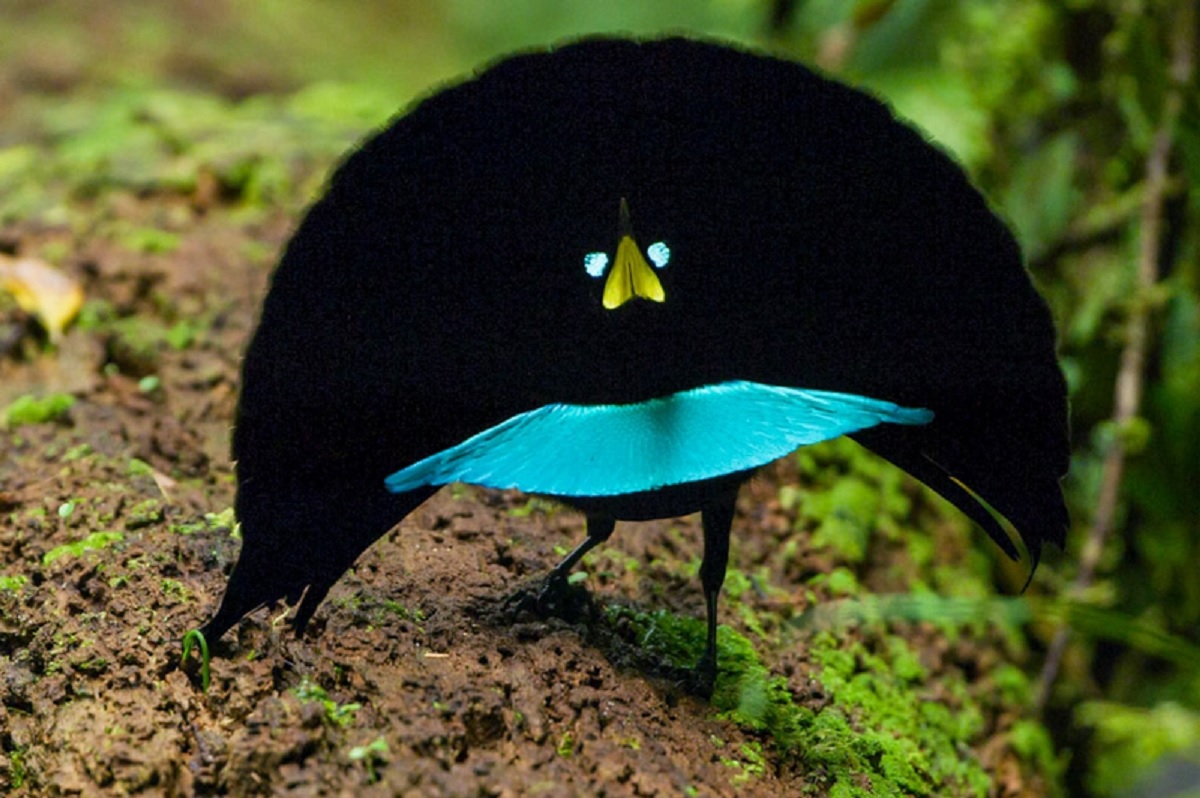
Paradise Birds Models is a unique and captivating collection that celebrates the vibrant beauty of nature’s most stunning avian creatures. Known for their striking colors, elegant feathers, and graceful movements, paradise birds have inspired artists and designers for centuries. Paradise Birds Models brings this inspiration to life through meticulously crafted representations that capture every detail — from the intricate plumage to the dynamic poses.
Whether you’re an enthusiast, collector, or simply someone who appreciates the wonders of wildlife, these models offer a tangible connection to the extraordinary world of paradise birds. Each model is designed to highlight the distinctive features that make these birds so special, making them perfect for educational purposes, home décor, or gifting. By blending artistic skill with a deep respect for nature, Paradise Birds Models invites you to explore and admire the rich diversity and elegance of these remarkable birds in a whole new way.
History and Origin
Paradise birds models are not just beautiful representations of nature’s wonders—they carry a rich history and story behind their discovery and artistic evolution. Understanding where these fascinating birds and their models come from helps deepen our appreciation for both the creatures themselves and the craftsmanship involved in creating their replicas.
Discovery and Naming
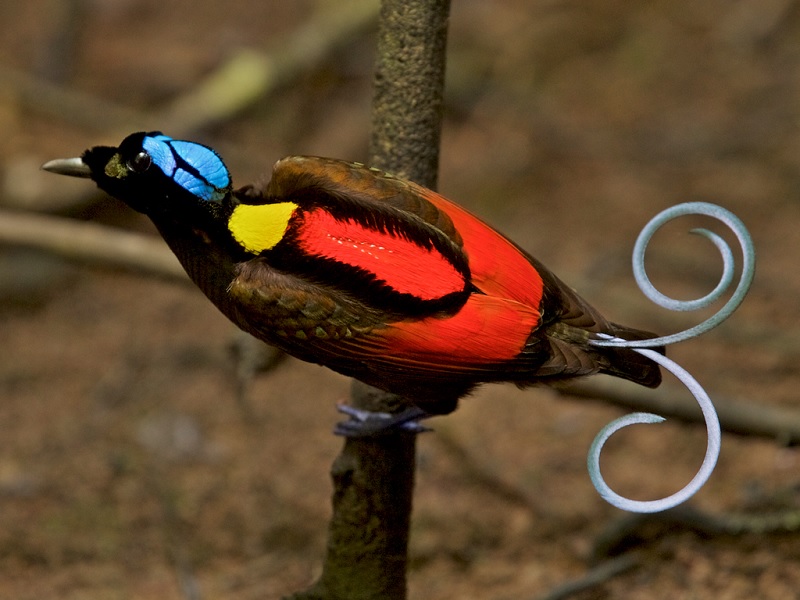
The story of paradise birds begins in the lush rainforests of New Guinea and surrounding islands, where these birds were first encountered by European explorers in the 16th and 17th centuries. Early naturalists and adventurers were immediately captivated by the birds’ extraordinary plumage, elaborate courtship dances, and vibrant colors. Their otherworldly beauty led to the name “birds of paradise,” as many believed these birds lived in a heavenly realm untouched by human hands.
The name “paradise birds” was popularized by early traders and collectors who brought specimens back to Europe. However, these birds were initially misunderstood—some believed they had no feet, a myth born from specimens being prepared without their legs to preserve their feathers. Over time, scientific exploration corrected these misconceptions, and paradise birds became a symbol of exotic elegance and natural wonder.
Evolution of Paradise Birds Models
The models of paradise birds have evolved significantly from simple taxidermy displays to highly detailed artistic creations. Initially, early collectors and museums showcased real specimens, which allowed the public to marvel at the birds’ beauty but also raised concerns about conservation and ethics.
As interest grew, artisans began crafting models made from various materials such as wood, feathers, paper, and later, advanced synthetic materials. These models aimed to replicate the birds’ natural grace and vivid colors with artistic precision. Over decades, technological advancements and improved artistic techniques have allowed model makers to capture even the smallest details—from the subtle iridescence of feathers to the delicate poses during mating dances.
Today, paradise birds models serve multiple purposes: they are educational tools used in classrooms and museums, decorative pieces cherished by collectors, and symbols of nature’s incredible diversity. The models honor the birds’ legacy while promoting awareness about the importance of preserving their natural habitats.
Types of Paradise Birds Models
Paradise birds models come in a variety of forms, each designed to highlight different aspects of these stunning creatures. Whether it’s through physical accuracy, behavior representation, or their natural environment, these models offer diverse ways to appreciate and study paradise birds. Understanding the different types of models helps collectors, educators, and enthusiasts choose the perfect representation for their interests.
Physical Model Variations
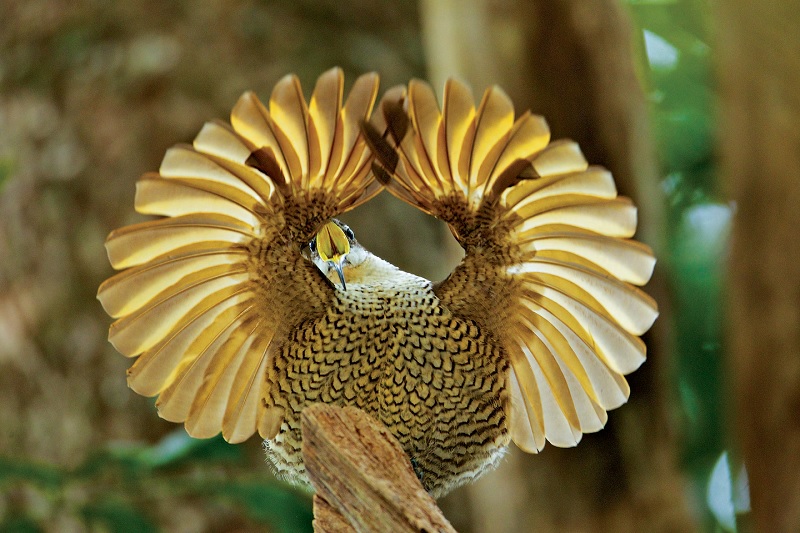
Physical models focus primarily on the detailed appearance of paradise birds. These models are crafted to replicate the birds’ vibrant plumage, distinctive shapes, and unique features with remarkable precision. Materials like resin, polymer clay, or hand-painted wood are often used to mimic the intricate feather patterns and brilliant colors that make paradise birds so iconic.
Some physical models are life-sized, providing an impressive and realistic display, while others are scaled-down versions designed for easier handling and collection. These models capture static poses, such as a bird perched on a branch or in mid-flight, allowing viewers to appreciate the birds’ elegance and beauty up close.
Behavioral Model Variations
Behavioral models take a different approach by illustrating the actions and movements of paradise birds. These dynamic models often depict birds in courtship displays, dancing, or preening—key behaviors that define their fascinating personalities. Such models might include articulated parts or be created in expressive poses to show the fluidity and drama of their natural rituals.
These types of models are especially valuable for educational purposes. By capturing motion and behavior, they help observers understand not just how paradise birds look but how they interact with their environment and each other. Some advanced models even incorporate multimedia elements, such as sound or motion, to bring the birds’ behavior to life.
Habitat Simulation Models
Habitat simulation models offer a more immersive experience by placing paradise birds within detailed recreations of their natural surroundings. These models combine physical or behavioral bird representations with realistic environments—think tropical foliage, tree branches, or forest floors native to New Guinea and nearby islands.
The purpose of habitat models is to provide context, helping viewers visualize the ecosystems that support paradise birds. These simulations often serve as educational tools in museums or nature centers, highlighting the importance of habitat conservation alongside the beauty of the birds themselves.
Design and Features
The design and features of paradise birds models are essential in bringing these extraordinary creatures to life in a tangible form. From the choice of materials to the attention to detail and scale, each aspect plays a crucial role in creating models that are both visually stunning and educational. Exploring the design elements helps reveal how artisans capture the essence of paradise birds.

Materials Used
The materials used in crafting paradise birds models vary widely, depending on the intended use and desired level of realism. Traditional models often employ natural materials like feathers, wood, and papier-mâché to achieve an authentic texture and appearance. Using real feathers, carefully sourced or ethically obtained, adds a layer of realism that synthetic materials sometimes struggle to replicate.
Modern model makers, however, increasingly rely on advanced materials such as resin, polymer clay, and high-quality plastics. These materials allow for finer detail, durability, and vibrant, lasting colors. Resin models, for example, can capture intricate feather patterns and smooth finishes, while polymer clay provides flexibility for sculpting expressive poses. Additionally, some models incorporate hand-painted details, further enhancing their lifelike qualities.
Key Characteristics
One of the defining features of paradise birds models is their exceptional attention to detail. Model makers focus on accurately representing the birds’ most iconic traits—such as the iridescent plumage, extravagant tail feathers, and unique crests. These details are crucial because paradise birds are renowned for their show-stopping colors and elaborate feather arrangements, which vary between species.
Another key characteristic is the accurate depiction of posture and expression. Many models are designed to capture specific behaviors, like the bird’s courtship display or a poised stance, which helps convey the personality and natural elegance of these birds. Texture is also a significant feature—model makers use layering techniques and fine brushwork to mimic the softness and sheen of feathers.
Size and Scale
Paradise birds models come in various sizes and scales, tailored to different purposes. Life-sized models provide a grand, immersive experience that allows viewers to appreciate the bird’s true proportions. These are often displayed in museums or exhibitions, where the scale can emphasize the bird’s impressive wingspan or elaborate plumage.
Smaller-scale models, on the other hand, offer portability and convenience. These are popular among collectors and educators who need durable, manageable pieces for hands-on learning or display. The scale may range from miniatures a few inches tall to medium-sized models that balance detail and size.
Applications of Paradise Birds Models
Paradise birds models are much more than beautiful replicas—they serve a wide range of practical and meaningful purposes. From education to research and decoration, these models offer versatile applications that extend their value beyond mere aesthetics. Let’s explore the key areas where paradise birds models make a significant impact.
Educational Purposes
One of the most important applications of paradise birds models is in education. These models provide students, bird enthusiasts, and nature lovers with an up-close look at the remarkable features of paradise birds without the challenges of observing them in the wild. Their vibrant colors, distinctive shapes, and unique behaviors can be studied in classrooms, museums, and nature centers.
Because many species of paradise birds live in remote or protected habitats, live observation is often impractical. Models fill this gap by offering a hands-on learning tool that promotes awareness of biodiversity and conservation issues. Educators use these models to teach topics such as bird anatomy, evolution, and ecology, making complex scientific concepts more accessible and engaging.
Scientific Research
Paradise birds models also play a role in scientific research. While live birds remain central to field studies, models are valuable for controlled experiments, behavioral simulations, and anatomical comparisons. Researchers can use models to study bird morphology, feather arrangement, or mating displays without disturbing natural populations.
In addition, models assist in the development of conservation strategies by raising awareness and supporting outreach programs. They help communicate scientific findings to the public in a visually compelling way, fostering a deeper understanding of the birds’ ecological importance and the threats they face.
Decorative and Collectible Use
Beyond education and research, paradise birds models have a strong presence in the world of decoration and collectibles. Their stunning appearance makes them popular as decorative pieces in homes, offices, and public spaces. Many collectors seek out these models for their artistry, craftsmanship, and connection to nature.
Decorative models range from elegant statuettes to elaborate dioramas featuring the birds in lifelike habitats. Collectors often appreciate limited-edition or handcrafted models that showcase intricate details and unique designs. These pieces not only beautify spaces but also serve as conversation starters and reminders of the natural world’s splendor.
How to Choose the Right Paradise Birds Model
Choosing the perfect paradise birds model can be a rewarding experience, whether you’re a collector, educator, or nature enthusiast. With so many options available, it’s important to consider several factors to ensure you select a model that meets your needs and expectations. Here’s a guide to help you make an informed decision.
Factors to Consider
Purpose and Use: The first step is to identify why you want the paradise birds model. Are you looking for an educational tool, a decorative piece, or a detailed scientific replica? Educational models tend to focus on accuracy and durability, often designed for handling and interactive learning. Decorative models, on the other hand, emphasize aesthetic appeal and may include elaborate designs or artistic interpretations.
Material and Craftsmanship: Pay attention to the materials used in the model’s construction. High-quality materials like resin, hand-painted wood, or ethically sourced feathers contribute to realism and longevity. The level of craftsmanship is equally important—look for models that showcase fine details, accurate coloration, and lifelike poses. Reviews and close-up images can give you insight into the quality.
Size and Scale: Consider the size that fits your space and purpose. Life-sized models provide a dramatic, realistic presence but require more display room. Smaller-scale models are easier to handle and store, making them ideal for classrooms or collectors with limited space.
Price and Budget: Paradise birds models vary widely in price, from affordable miniatures to expensive handcrafted pieces. Set a budget and find a model that balances quality with affordability. Remember that investing in a well-made model often means better durability and visual appeal over time.
Authenticity and Detail: If accuracy is your priority, seek models based on scientific research or created by artists specializing in wildlife replicas. Authentic models often come with information about the species and can serve as valuable educational resources.
Popular Brands and Manufacturers
Several reputable brands and manufacturers specialize in paradise birds models, known for their quality and attention to detail. Companies like Schleich and Safari Ltd offer affordable, well-crafted models suitable for education and casual collectors. For more artistic and intricate representations, brands such as Papo and CollectA provide detailed figures prized by serious collectors.
Handcrafted models from independent artists or specialized wildlife model makers often offer exceptional detail and customization options. These pieces may come at a higher price but are valued for their artistry and uniqueness.
Researching brand reputations and customer reviews can help you find reliable options and avoid low-quality replicas. Many manufacturers also provide background information about their design process, adding confidence to your purchase.
Care and Maintenance
Paradise birds models are delicate and often intricately detailed pieces that require proper care to maintain their beauty and longevity. Whether you own a handcrafted collectible or an educational replica, following some basic cleaning and storage guidelines will help preserve your model’s vibrant colors and structural integrity over time.
Cleaning Tips
Regular cleaning is essential to keep paradise birds models looking fresh and vibrant. Dust can quickly accumulate on feathers, painted surfaces, and detailed textures, dulling their appearance.
Gentle Dusting: Use a soft, dry brush—like a makeup brush or artist’s paintbrush—to gently remove dust from the surface. The soft bristles can reach into crevices and around delicate feathers without causing damage.
Compressed Air: For hard-to-reach areas, a can of compressed air can blow away dust particles without physical contact. Hold the can upright and use short bursts to avoid moisture buildup.
Mild Cleaning Solutions: If your model becomes dirty or sticky, lightly dampen a microfiber cloth with water or a gentle soap solution. Carefully wipe the surface, avoiding excessive moisture that could damage materials or paint. Never submerge the model in water.
Avoid Harsh Chemicals: Steer clear of abrasive cleaners, alcohol-based products, or solvents, as these can strip paint, discolor feathers, or weaken adhesives.
Storage Guidelines
Proper storage is just as important as cleaning when it comes to preserving paradise birds models. Environmental factors like sunlight, humidity, and temperature can affect the materials over time.
Display Location: Place models away from direct sunlight to prevent fading of colors and deterioration of materials. Avoid areas with high humidity or temperature fluctuations, which can cause warping, mold, or cracking.
Protective Covers: If you need to store your model for an extended period, consider using a dust cover or placing it inside a display case. Clear acrylic cases offer protection while still allowing you to admire your piece.
Padded Storage: When packing away, wrap the model in acid-free tissue paper or soft cloth to cushion it. Store in a sturdy box with padding to prevent movement and impact damage.
Avoid Crowding: Give your models enough space to prevent feathers or delicate parts from bending or breaking. Overcrowded shelves or storage containers can lead to accidental damage.
Where to Buy Paradise Birds Models
Finding the perfect paradise birds model requires knowing where to look. Whether you’re a collector, educator, or nature enthusiast, there are several reliable sources to purchase high-quality models. From online retailers to specialty stores and collectors’ markets, each option offers unique benefits depending on your preferences and needs.
Online Retailers
Online shopping is one of the most convenient and accessible ways to buy paradise birds models. Websites like Amazon, eBay, and specialist wildlife model stores offer a wide range of options in various sizes, materials, and price points. Online platforms provide detailed product descriptions, customer reviews, and photos, helping you make informed decisions from the comfort of your home.
Many online retailers also offer fast shipping and return policies, which add an extra layer of confidence to your purchase. Specialty online shops often feature models from well-known brands and independent artists, allowing you to find both mass-produced and unique handmade pieces.
When shopping online, be sure to verify the seller’s reputation and check for authenticity certificates if you’re purchasing high-end or collectible models. This helps avoid counterfeit products and ensures you receive quality craftsmanship.
Specialty Stores
For those who prefer an in-person shopping experience, specialty stores focused on wildlife, nature, or educational products are excellent places to explore paradise birds models. These stores often carry carefully curated selections that emphasize quality and educational value.
Museums and nature centers with gift shops are also great places to find models that combine scientific accuracy with artistic flair. Visiting specialty stores allows you to see and sometimes handle the models before buying, ensuring the size, detail, and materials meet your expectations.
Some specialty stores even offer custom orders or limited-edition models, perfect for collectors seeking something truly unique.
Auctions and Collectors’ Markets
For serious collectors or those looking for rare or vintage paradise birds models, auctions and collectors’ markets can be treasure troves. Auction houses, both online and offline, occasionally feature exotic bird models, including handcrafted pieces and antique replicas.
Collectors’ markets and fairs bring together enthusiasts and sellers, offering opportunities to discover one-of-a-kind items and negotiate prices directly. These venues also provide a chance to connect with other collectors, exchange knowledge, and find models that aren’t available through mainstream channels.
If you’re new to auctions or collectors’ markets, consider doing some research beforehand to understand the typical pricing and authenticity checks involved.
People Also Ask
What Are Paradise Birds Models Made Of?
Paradise birds models are crafted from a variety of materials depending on their purpose and level of detail. Common materials include resin, polymer clay, hand-painted wood, and sometimes ethically sourced feathers to replicate the birds’ vibrant plumage. Resin and polymer clay are favored for their ability to capture fine details and durability, making them ideal for both educational and decorative use. Hand-painted finishes add realism by mimicking the birds’ distinctive colors and feather patterns. When selecting a model, you’ll want to consider the material for durability and how lifelike the model appears.
How Accurate Are Paradise Birds Models Compared To Real Birds?
Many paradise birds models are designed with scientific accuracy in mind, especially those used for educational or research purposes. Skilled artisans and manufacturers study real birds extensively to replicate features such as feather arrangement, coloration, and posture. Some models capture specific behaviors like courtship displays to enhance realism. However, the accuracy can vary between mass-produced models and handcrafted pieces. If authenticity is important to you, look for models based on scientific references or created by specialists in wildlife art.
Can Paradise Birds Models Be Used For Educational Purposes?
Absolutely. Paradise birds models are excellent educational tools because they provide a hands-on way to study these exotic birds without needing access to live specimens. They help students and bird enthusiasts learn about anatomy, species diversity, and behavior, especially since paradise birds often live in remote habitats that are difficult to visit. Museums, schools, and nature centers frequently use these models to raise awareness about conservation and the ecological significance of paradise birds.
How Should I Care For And Maintain My Paradise Birds Model?
Proper care is essential to keep your paradise birds model looking vibrant and intact. You should regularly dust the model using a soft brush or compressed air to avoid buildup. For more thorough cleaning, use a lightly dampened microfiber cloth with mild soap, but avoid soaking the model. Keep your model away from direct sunlight and humidity to prevent fading and material damage. If you need to store it, wrap the model in soft cloth and place it in a sturdy box with padding to protect delicate parts like feathers or tails.
Where Is The Best Place To Buy High-Quality Paradise Birds Models?
You can find high-quality paradise birds models from several sources. Online retailers like Amazon, specialist wildlife model shops, and museum gift stores offer a wide selection with detailed descriptions and customer reviews. If you want to see the model before purchasing, specialty stores or nature center shops provide hands-on experience. For rare or collectible pieces, auctions and collectors’ markets are great options. When buying, make sure to check the reputation of the seller and look for authenticity guarantees to ensure you receive a well-crafted and genuine model.
Conclusion
Paradise birds models offer a beautiful and meaningful way to celebrate the extraordinary charm of these exotic creatures. Whether you’re drawn to their vibrant colors, intricate behaviors, or unique habitats, these models provide a tangible connection to the natural world. From educational tools to stunning decorative pieces, paradise birds models serve diverse purposes that inspire learning, appreciation, and conservation awareness.
By choosing high-quality models and caring for them properly, you can enjoy their elegance for years to come. Ultimately, paradise bird models not only capture the beauty of the birds themselves but also remind us of the importance of preserving their environments, making them a valuable addition to any collection or educational setting.