
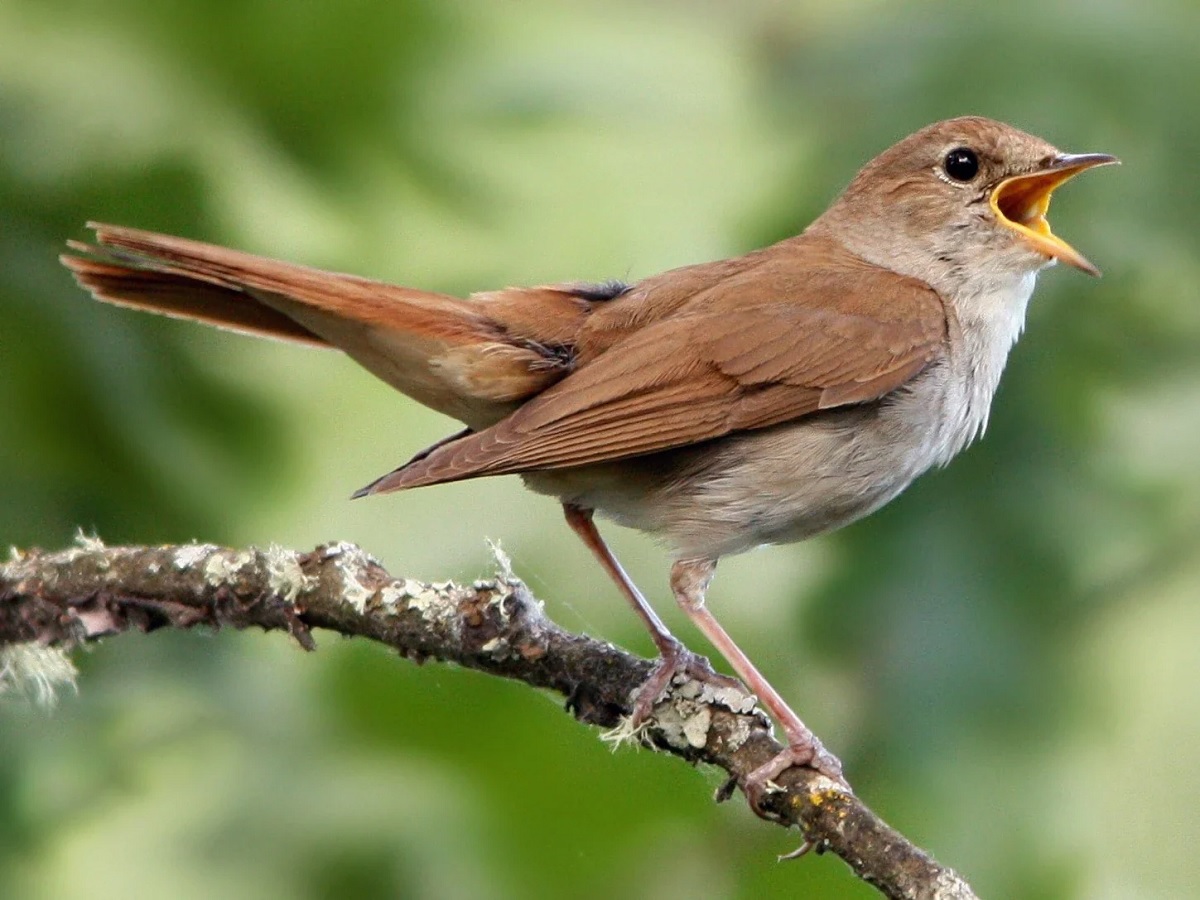
Brown birds are some of the most common and fascinating creatures found in various habitats around the world. When exploring the types of brown birds, you’ll discover a wide variety of species, each with unique patterns, sizes, and behaviors. These birds often blend seamlessly into their environments thanks to their earthy tones, which provide excellent camouflage from predators. From small sparrows and wrens to larger birds like hawks and owls, the diversity among types of brown birds is impressive.
Many of these birds play crucial roles in their ecosystems, whether by controlling insect populations, dispersing seeds, or simply adding to the natural beauty of their surroundings. Whether you’re a birdwatcher, nature enthusiast, or just curious about wildlife, understanding the different types of brown birds can open up a deeper appreciation for the subtle yet striking diversity in the avian world. This introduction will guide you through some of the most notable brown birds you might encounter.
Small Brown Birds
Small brown birds are often overlooked due to their subtle coloring, but they play an important role in nature and offer fascinating behaviors and characteristics. These birds are usually well-camouflaged, blending effortlessly into trees, shrubs, and leaf litter. Among the many types of small brown birds, sparrows, wrens, and brown creepers stand out for their distinctive habits and appearances.
Sparrows
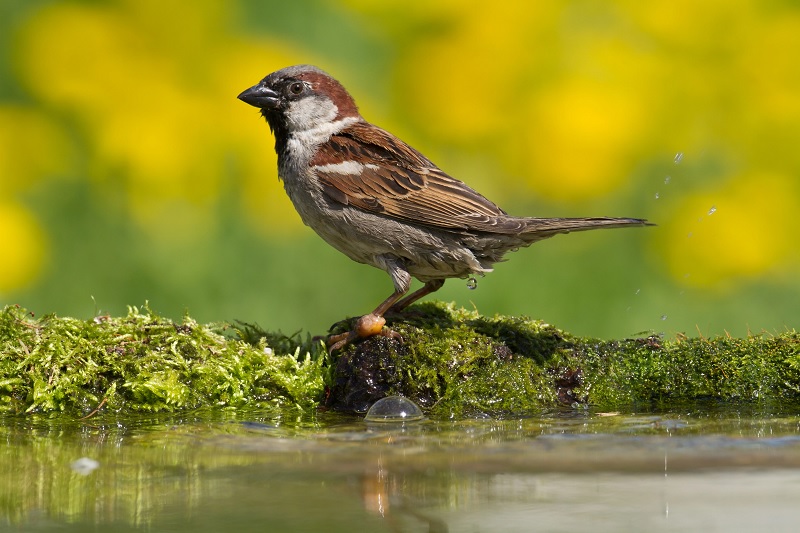
Sparrows are perhaps the most familiar small brown birds you’ll come across in both urban and rural areas. They are hardy, adaptable birds known for their social nature and chirpy songs. Most sparrows have a combination of brown, gray, and white feathers, which helps them stay inconspicuous while they forage on the ground for seeds and insects.
The House Sparrow, for example, is a common sight around human settlements worldwide. Sparrows often live in flocks, making them more noticeable despite their muted coloring. Their ability to thrive in a variety of environments—from city parks to farmlands—makes sparrows a true example of small brown birds that have adapted well alongside humans.
Wrens
Wrens are small, energetic birds famous for their loud, complex songs, which seem disproportionate to their tiny size. Most wrens exhibit rich brown plumage with streaks or spots that provide excellent camouflage in dense vegetation. Unlike sparrows, wrens prefer more secluded habitats such as woodlands, thickets, and gardens. They are agile and quick, often seen hopping through underbrush or flitting along tree branches in search of insects and spiders. The House Wren and Winter Wren are two common species that showcase the typical brown coloring and lively behavior characteristic of wrens. Their charming songs and curious nature make wrens a favorite among birdwatchers.
Brown Creepers
Brown creepers are small, slender birds that might easily be missed if you don’t know where to look. Their mottled brown and white feathers allow them to blend perfectly into the bark of trees, where they spend most of their time creeping upward in a spiraling motion. These birds use their sharp, curved bills to extract insects and larvae from the crevices of tree bark, making them essential for controlling pest populations. Brown creepers tend to be shy and quiet, but their unique feeding behavior and camouflage skills make them fascinating to observe. Their subtle but effective presence highlights the diversity found within small brown birds.
Medium-Sized Brown Birds
Medium-sized brown birds strike a perfect balance between subtlety and presence in the natural world. These birds often exhibit a mix of earthy tones, which help them blend into woodlands, forests, and open fields. Among the many types of medium-sized brown birds, thrushes, woodpeckers, and doves stand out for their unique behaviors, vocalizations, and roles within their habitats.
Thrushes
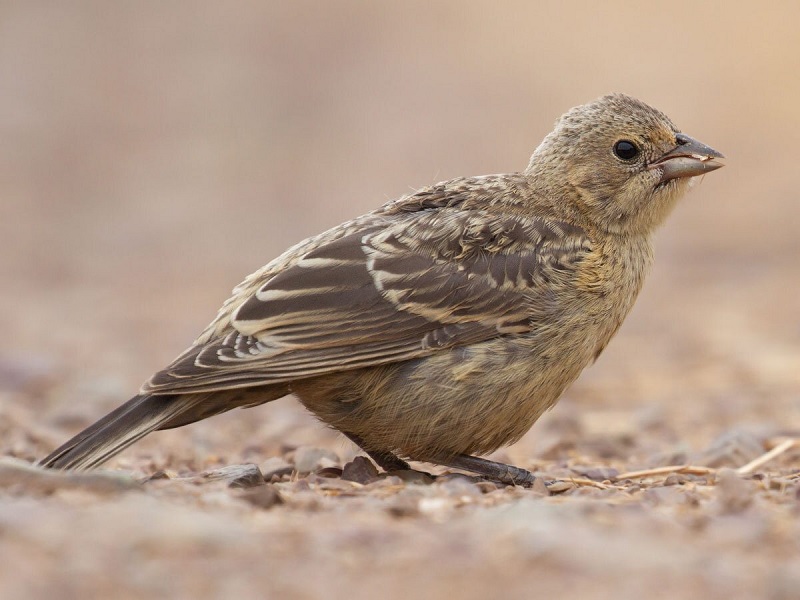
Thrushes are well-known medium-sized brown birds celebrated for their beautiful songs and spotted chest patterns. Species like the American Robin and Wood Thrush are common examples that combine shades of brown with varying markings, making them easily recognizable. Thrushes are primarily ground foragers, feeding on insects, berries, and earthworms, which they often hunt by hopping or running along the forest floor. Their melodious singing is a hallmark of early morning and late afternoon in many wooded areas, adding a serene soundtrack to nature. These birds are also important seed dispersers, contributing to forest regeneration.
Woodpeckers
Woodpeckers are another group of medium-sized brown birds that are instantly recognizable by their distinctive pecking behavior. Their brown feathers often feature streaks or spots, allowing them to blend into tree bark while they search for insects hiding within. Species such as the Northern Flicker and the Downy Woodpecker show various shades of brown alongside other subtle colors.
Woodpeckers have strong, chisel-like beaks and stiff tails, adaptations that help them cling to tree trunks and excavate wood to find food or create nesting cavities. Their drumming sounds are a common auditory feature of forests and wooded neighborhoods, serving both communication and territorial purposes.
Doves
Doves, often seen as symbols of peace, are medium-sized brown birds with smooth, soft plumage and gentle cooing calls. Mourning Doves and Eurasian Collared-Doves are typical examples that display a palette of light to medium brown shades, sometimes with subtle markings or iridescent highlights. These birds tend to prefer open or semi-open areas, including fields, parks, and suburban gardens. Doves primarily feed on seeds and grains, foraging on the ground with their characteristic bobbing heads. Their calm demeanor and widespread presence make them familiar sights and sounds in many parts of the world.
Large Brown Birds
Large brown birds often command attention with their impressive size, striking presence, and powerful behaviors. These birds, which include hawks, owls, and eagles, are often top predators in their ecosystems. Their brown plumage, ranging from rich chocolate hues to lighter tawny shades, helps them blend into wooded areas, cliffs, and open landscapes. Let’s explore some of the fascinating traits and roles of these majestic large brown birds.
Hawks
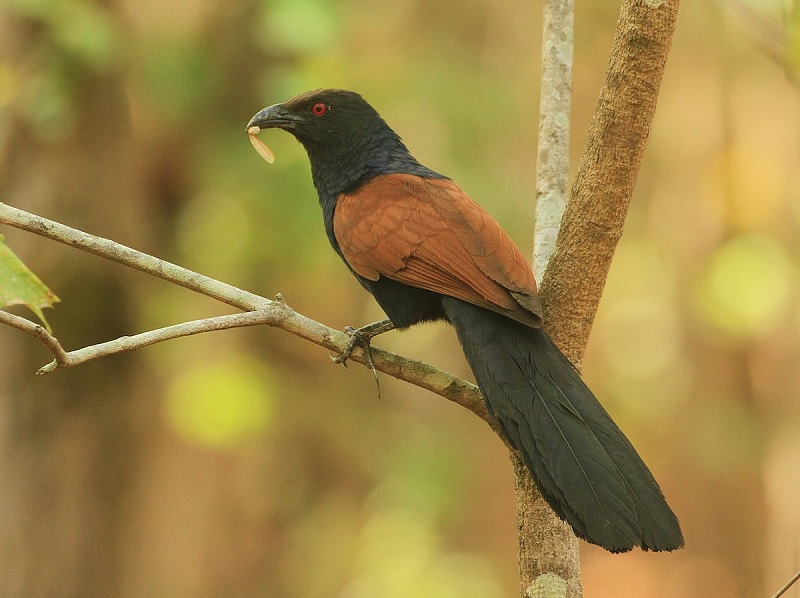
Hawks are skilled hunters known for their keen eyesight and swift flight. Many species of hawks display various shades of brown feathers, often with intricate patterns of spots or streaks that aid in camouflage while perched or soaring above forests and fields. The Red-tailed Hawk is one of the most recognizable, with its broad wings and reddish-brown tail feathers. Hawks hunt small mammals, birds, and reptiles, using their sharp talons and beaks to capture prey with precision. Their ability to soar high and scan vast areas makes them exceptional predators and vital for maintaining healthy populations of smaller animals.
Owls
Owls are some of the most mysterious and captivating large brown birds. With their rounded faces, large eyes, and silent flight, owls are perfectly adapted for nighttime hunting. Brown feathers help many owl species, like the Great Horned Owl and Barred Owl, blend seamlessly into tree trunks and dense foliage during the day. Their mottled plumage, often mixed with whites and grays, offers excellent camouflage. Owls rely on their exceptional hearing and vision to locate prey such as rodents, insects, and other small animals in the dark. Their hooting calls add an eerie yet beautiful soundtrack to forests and rural areas at night.
Eagles
Eagles are among the most powerful and iconic large brown birds, symbolizing strength and freedom. Many eagles, such as the Golden Eagle, have majestic brown plumage that ranges from dark chestnut to golden-brown shades, especially around the head and neck. Eagles are apex predators that hunt medium-sized mammals, fish, and birds.
Their sharp eyesight can spot prey from miles away, and their strong talons allow them to snatch it swiftly. Eagles often build enormous nests called eyries in tall trees or cliff edges, where they raise their young with care. Their impressive size and commanding flight patterns make them awe-inspiring sights in the wild.
Brown Birds by Habitat
Brown birds can be found across a variety of habitats, each adapting uniquely to their surroundings. Their earthy tones help them blend seamlessly into different environments, from dense forests to wetlands and arid deserts. Understanding brown birds by habitat reveals how these birds thrive in diverse ecosystems and highlights the incredible adaptability of nature.
Forest Brown Birds
Forests provide a rich habitat for many brown birds, offering plenty of cover, food sources, and nesting sites. Species such as thrushes, woodpeckers, and owls are commonly found here. Forest brown birds often sport mottled or streaked brown plumage that helps them camouflage among tree trunks, leaves, and underbrush. For example, the Brown Creeper, with its bark-like feathers, expertly blends into tree bark while foraging for insects.
Similarly, woodpeckers like the Downy Woodpecker use their strong beaks to find insects hiding beneath the bark. Owls, such as the Barred Owl, use their silent flight and camouflaged feathers to hunt small mammals and birds during the night. Forest brown birds are an essential part of the ecosystem, controlling insect populations and supporting forest health.
Wetland Brown Birds
Wetlands, with their combination of water, reeds, and muddy banks, are home to a distinct group of brown birds adapted to this unique environment. Birds like the marsh wren, bittern, and certain species of herons often display shades of brown mixed with other natural colors, allowing them to blend into reeds and cattails. The marsh wren’s small size and streaked brown plumage provide excellent camouflage in thick marsh vegetation, helping it avoid predators.
Bitterns, with their cryptic brown and buff coloring, remain nearly invisible as they stand motionless among reeds. These birds rely on wetlands for feeding on fish, amphibians, and insects, playing a vital role in maintaining the delicate balance of these watery habitats.
Desert Brown Birds
Desert environments may seem harsh and barren, but they support several species of brown birds specially adapted to survive in extreme conditions. Birds such as the cactus wren, Gambel’s quail, and certain sparrows have feathers in various shades of brown, helping them blend with sandy soils, rocks, and dry shrubs. The cactus wren, the largest wren in the United States, uses its brown and white streaked feathers to hide among desert plants like cacti and mesquite. Gambel’s quail, with its mottled brown plumage, can be found darting quickly through brushy desert areas. These birds have adapted to conserve water and endure high temperatures, showcasing nature’s resilience in challenging habitats.
Common Brown Birds in North America
Common brown birds in North America include familiar species like the Song Sparrow, House Wren, and American Robin. These birds are often spotted in gardens, parks, and woodlands, showcasing various shades of brown with subtle patterns. The Song Sparrow’s streaked chest, the House Wren’s energetic movements, and the American Robin’s warm brown back paired with a reddish-orange breast make them easy to recognize. These adaptable birds play important roles in local ecosystems.
Common Brown Birds in Europe
Common brown birds in Europe include the European Robin, Dunnock, and Tawny Owl. These birds often display earthy brown tones that help them blend into woodland and garden environments. The Dunnock’s subtle brown streaks, the Robin’s warm brown back, and the Tawny Owl’s mottled plumage make them familiar sights across the continent. These species are not only visually distinctive but also vital for maintaining the balance of European ecosystems through their roles as insect controllers and seed dispersers.
Common Brown Birds in Asia
Common brown birds in Asia include the Brown Shrike, Oriental Turtle Dove, and the Indian Bush Lark. These birds feature a range of brown shades that help them blend into forests, grasslands, and urban areas across the continent. The Brown Shrike’s sharp markings, the soft brown tones of the Turtle Dove, and the streaked plumage of the Bush Lark make them easily recognizable. These birds play important roles in controlling insect populations and supporting local biodiversity.
Identification Tips for Brown Birds
Identifying brown birds can be a rewarding challenge for birdwatchers and nature enthusiasts. Because many brown birds share similar colors and patterns, it’s important to know what specific features to focus on. Understanding key identification tips can help you distinguish between species and enjoy spotting these often subtle but fascinating birds.
Key Features to Look For
When identifying brown birds, start by observing the overall size and shape. Is the bird small and compact like a wren, or larger and more robust like a hawk? Next, take note of the plumage details—look closely at patterns such as streaks, spots, or bars on the chest, wings, and back. Some birds, like thrushes, have distinct spotted chests, while others, like brown creepers, show mottled patterns that mimic tree bark.
Pay attention to the bird’s beak shape and size, as this often indicates their feeding habits. For example, sparrows have short, stout beaks suited for seeds, whereas woodpeckers have strong, chisel-like beaks designed for drilling into wood. Eye color, leg color, and tail shape can also be helpful clues. Lastly, listen for unique calls or songs—many brown birds have distinct vocalizations that aid in identification.
Differences Between Similar Species
Distinguishing between similar-looking brown birds requires careful observation of subtle differences. Take sparrows and finches, for instance: both can have brown tones, but sparrows usually display more streaked patterns and have shorter tails, while finches often have more colorful markings and a conical beak shape. Similarly, wrens and brown creepers might both appear small and brown, but wrens are more active and often seen hopping on branches, whereas brown creepers creep slowly up tree trunks.
Woodpeckers can be tricky too, as many species share brown feathers. However, size, pattern, and behavior help differentiate them. The Downy Woodpecker is smaller with white spots on its wings, while the Northern Flicker has a larger body and distinctive black spots on a beige chest.
When it comes to raptors like hawks and eagles, plumage color may overlap, but their size, flight style, and markings—such as the Red-tailed Hawk’s reddish tail—are key distinguishing features. Owls are identified not only by their brown mottled feathers but also by facial disc shape and eye color.
By focusing on these key features and differences, you can sharpen your skills in identifying brown birds and gain a deeper appreciation for the variety hidden within their subtle shades. The more you observe, the easier it becomes to tell one species from another, making birdwatching all the more exciting.
Frequently Asked Questions
What Are The Most Common Types Of Brown Birds?
You’ll find many common types of brown birds across different regions, including sparrows, wrens, thrushes, woodpeckers, and doves. These birds vary in size and habitat but share earthy brown tones that help them blend into their environments. For example, sparrows are small and often found near human settlements, while woodpeckers use their strong beaks to forage on tree bark. Knowing these common types will help you recognize brown birds more easily during your birdwatching adventures.
How Can You Identify Different Brown Bird Species?
Identifying brown birds can be tricky since many have similar colors. You should focus on key features like size, beak shape, feather patterns, and behaviors. Look for specific markings such as streaks, spots, or wing bars, and note the bird’s habitat and movements. Listening to their calls can also give you clues. Over time, observing these details will improve your ability to distinguish between species like the Song Sparrow, Brown Creeper, or Tawny Owl.
Where Are Brown Birds Typically Found?
Brown birds inhabit a wide range of environments including forests, wetlands, deserts, and urban areas. Forest brown birds, like thrushes and woodpeckers, thrive among trees and dense foliage. Wetland species such as marsh wrens and bitterns favor reeds and watery habitats, while desert birds like the cactus wren are adapted to dry, arid regions. Understanding their preferred habitats can help you find and identify these birds more effectively.
Why Are Many Birds Brown In Color?
Brown coloration in birds serves as excellent camouflage, helping them avoid predators by blending into natural surroundings like tree bark, leaves, or dry grasses. This earthy tone is especially useful for ground feeders or birds that nest in concealed locations. Additionally, brown feathers may be more durable and less prone to showing wear, which can be advantageous for survival.
What Do Brown Birds Typically Eat?
Diet varies depending on the species, but many brown birds have diets consisting of insects, seeds, fruits, and small animals. For instance, sparrows mostly eat seeds and grains, while woodpeckers feed on insects hiding under tree bark. Hawks and eagles, larger brown birds, hunt small mammals and other birds. Knowing their diet helps you understand their behavior and where to spot them.
Are Brown Birds Easy To Spot In Nature?
Because brown birds often have camouflaged plumage, they can be challenging to spot in natural settings. Their colors allow them to blend into bark, leaves, or soil, making them less visible to predators and observers alike. However, by paying attention to movement, listening for their songs or calls, and observing their preferred habitats, you can increase your chances of spotting these well-hidden birds.
Conclusion
Brown birds are a diverse and fascinating group that play essential roles in ecosystems worldwide. From the small, lively sparrows and wrens to the powerful hawks and majestic eagles, the variety of types of brown birds reflects nature’s adaptability and beauty. Their subtle yet effective camouflage helps them survive in forests, wetlands, deserts, and urban environments alike.
Whether you’re a casual observer or an avid birdwatcher, learning to recognize the unique features and behaviors of these birds enhances your connection to the natural world. By understanding the different types of brown birds, you not only appreciate their quiet elegance but also contribute to their conservation and the health of the habitats they depend on. Brown birds truly enrich the landscapes they inhabit.