

Exotic birds captivate bird enthusiasts and casual observers alike with their vibrant colors, unique behaviors, and fascinating adaptations. When exploring the world of types of exotic birds, you encounter a stunning diversity that spans from the tropical rainforests of South America to the remote islands of the Pacific. These birds are often admired not only for their striking appearance but also for their intriguing lifestyles and habitats.
Understanding the different types of exotic birds offers insight into how varied and complex the avian world truly is. Whether it’s the brilliantly colored macaws, the elegant parrots, or the rare and elusive birds of paradise, each species holds a special place in nature’s tapestry. This introduction aims to guide you through some of the most remarkable types of exotic birds, highlighting what makes them stand out and why they continue to fascinate people around the globe.
Classification of Exotic Birds
Exotic birds are a vibrant and diverse group, and understanding how they are classified can deepen our appreciation for these fascinating creatures. One of the most effective ways to categorize exotic birds is by their natural habitats and the regions they inhabit. This classification highlights the unique adaptations and behaviors that allow these birds to thrive in vastly different environments around the world.
By Habitat
Habitat plays a crucial role in shaping the characteristics and survival strategies of exotic birds. Let’s explore some of the key habitats where exotic birds are commonly found.
Tropical Rainforest Birds
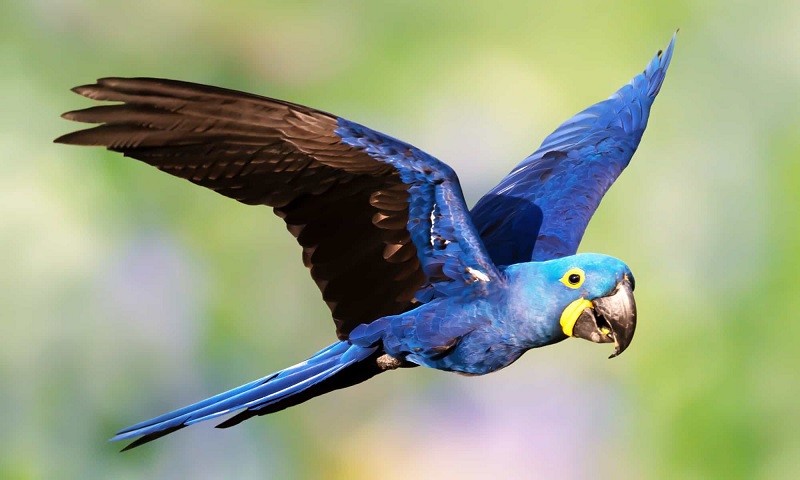
Tropical rainforests are among the most biodiverse ecosystems on Earth, and they host a stunning variety of exotic birds. These birds are often brilliantly colored, with feathers that can range from vivid reds and blues to dazzling greens and yellows. Parrots, toucans, and birds of paradise are prime examples. Their bright plumage helps them attract mates and communicate in the dense, shadowy forest canopy.
These birds have evolved to thrive in the thick foliage and warm, humid climate of the rainforest. Many are skilled at navigating through dense trees, and their diets often include fruits, nuts, and insects found within this lush environment. The complexity of the rainforest habitat encourages incredible diversity among bird species, making it a hotspot for exotic bird enthusiasts.
Desert Birds
Desert birds have adapted to survive in some of the harshest and driest environments on the planet. These birds tend to have specialized behaviors and physical traits that help them conserve water and regulate body temperature in extreme heat.
Examples include the sandgrouse and certain species of doves and finches. Many desert birds are more muted in color, blending in with the sandy, rocky terrain to avoid predators. Their diets may consist of seeds, insects, and occasional small animals. Desert birds are also known for their remarkable ability to travel long distances in search of food and water, demonstrating impressive endurance and resourcefulness.
Mountain Birds
Mountain habitats present unique challenges such as thinner air, cooler temperatures, and rugged terrain. Birds living in these environments have adapted accordingly, often developing strong flight muscles and specialized respiratory systems to cope with lower oxygen levels.
Birds like the Himalayan monal and the Andean condor are iconic mountain species. Many mountain birds have thick plumage to insulate against cold, and some have unique courtship displays to attract mates in open, elevated spaces. These birds often rely on specific vegetation or prey found at high altitudes, making them highly specialized and fascinating subjects of study.
Coastal Birds
Coastal birds inhabit the shorelines, estuaries, and islands along the world’s oceans and seas. These birds are adapted to environments rich in marine life, often relying on fish, crustaceans, and other sea creatures as their primary food sources.
Seabirds like pelicans, frigatebirds, and certain species of gulls are examples of coastal exotic birds. Many have developed webbed feet for swimming or long, pointed beaks to catch fish. Their nesting habits can vary widely, from cliffside colonies to sandy beaches, and they often migrate long distances between breeding and feeding grounds, demonstrating incredible navigational skills.
By Region
Another way to classify exotic birds is by the geographic regions where they are found. Each region offers unique ecosystems and species, reflecting the diversity of exotic birds around the world.
Exotic Birds of South America
South America is a treasure trove of exotic bird species, particularly known for its tropical rainforests and vast river systems. The Amazon rainforest alone hosts an incredible variety of birds, including the vibrant macaws, the elusive harpy eagle, and the charming hummingbirds.
This region’s diverse landscapes—from dense jungles to savannas—support birds adapted to very different niches. South American birds are often recognized for their striking colors, elaborate mating rituals, and complex vocalizations. Many species here are endemic, meaning they are found nowhere else on Earth, making South America a hotspot for birdwatchers and conservationists alike.
Exotic Birds of Africa
Africa is home to a remarkable range of exotic birds, reflecting its vast and varied landscapes—from deserts and savannas to tropical forests and wetlands. The continent is famous for species such as the African grey parrot, known for its intelligence and ability to mimic human speech, and the colorful lilac-breasted roller.
Wetlands and river basins in Africa attract many waterbirds, including flamingos and pelicans, while the dry savanna supports species like the ostrich, the world’s largest bird. Africa’s birdlife is integral to its ecosystems and cultural heritage, with many species playing key roles in local folklore and traditions.
Exotic Birds of Asia
Asia’s immense size and diverse habitats contribute to a wide variety of exotic bird species. From the rainforests of Southeast Asia to the snowy peaks of the Himalayas, Asia offers a range of environments that shape its bird populations.
Famous birds from this region include the brilliantly plumed peacock, the colorful hornbills, and the elusive and endangered snow partridge. Asian birds often have significant cultural and religious importance, appearing in myths, art, and ceremonies. The region’s rapid urbanization and habitat loss pose challenges to many exotic bird species, making conservation efforts critical.
Exotic Birds of Australia
Australia’s isolation as a continent has resulted in a unique array of exotic birds found nowhere else in the world. Known for species like the kookaburra, the cockatoo, and the colorful rainbow lorikeet, Australia’s birds are often characterized by their distinctive calls and behaviors.
The continent’s habitats range from arid deserts to lush rainforests and coastal regions, each supporting specialized bird communities. Australia’s exotic birds have adapted to survive bushfires, droughts, and seasonal changes, demonstrating resilience and versatility. Birdwatching in Australia offers an opportunity to encounter species with truly extraordinary traits, reflecting the continent’s rich natural heritage.
Popular Types of Exotic Birds
Exotic birds are admired worldwide for their vibrant colors, unique calls, and fascinating behaviors. Among the many species that captivate bird lovers, some stand out due to their popularity and distinctive traits. Below, we explore some of the most popular types of exotic birds, delving into what makes each group special and why they continue to enchant enthusiasts and casual observers alike.

Parrots
Parrots are undoubtedly among the most recognizable and beloved exotic birds. Known for their intelligence, playful personalities, and ability to mimic sounds, parrots make fascinating companions in the wild and in captivity. Several subgroups within the parrot family are especially popular.
Macaws
Macaws are among the largest and most colorful parrots. Native to Central and South America, they boast brilliant plumage in striking reds, blues, greens, and yellows. Macaws are highly social and intelligent birds, often seen flying in pairs or flocks. Their loud, raucous calls and impressive ability to mimic human speech have made them favorites among bird enthusiasts. However, their need for ample space and mental stimulation means they require dedicated care.
Cockatoos
Cockatoos, native mainly to Australia and nearby islands, are instantly recognizable by their expressive crests, which they raise and lower to communicate. Their predominantly white or pale pink feathers set them apart from the more colorful parrots, but their charm lies in their affectionate nature and social behavior. Cockatoos are known to form strong bonds with their owners and can be quite vocal, often requiring significant attention and engagement.
Amazons
Amazon parrots, primarily found in the forests of Central and South America, are celebrated for their vibrant green feathers accented with bright splashes of yellow, blue, and red. These birds are known for their clear, melodious voices and exceptional talking ability. Amazons are lively and energetic, often thriving in social environments where they can interact frequently with humans or other birds.
Birds of Paradise
Native to the rainforests of New Guinea and parts of Australia, birds of paradise are famous for their extraordinary plumage and intricate courtship displays. Males often sport elaborate feathers that they fan out in dazzling shapes and vibrant colors to attract mates. These birds are masters of dance and display, performing carefully choreographed moves that have fascinated scientists and bird watchers for centuries. Their beauty and rarity make them some of the most sought-after exotic birds in the world.
Toucans
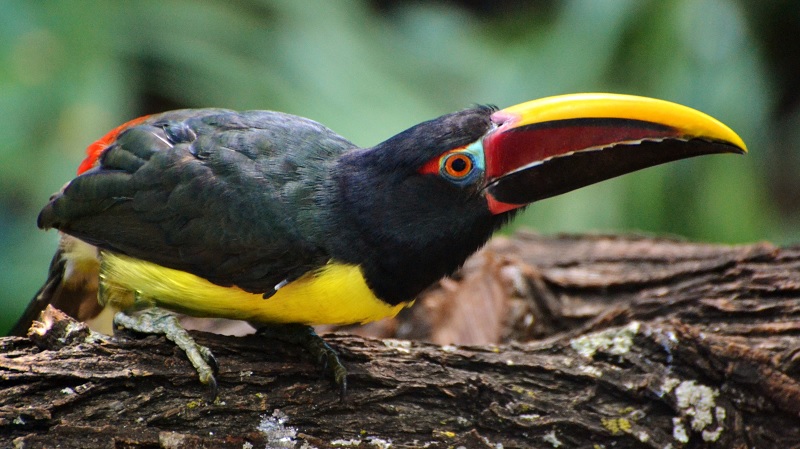
Toucans are instantly recognizable due to their large, colorful bills that can be almost as long as their bodies. Found primarily in the tropical forests of Central and South America, toucans’ bright bills come in a variety of colors and patterns, serving purposes ranging from attracting mates to regulating body temperature. Despite their impressive beaks, toucans are gentle birds with a diet mainly consisting of fruits, making them important seed dispersers in their ecosystems.
Hornbills
Hornbills, native to Africa and Asia, are another group of exotic birds known for their striking bills, often topped with a casque—a hollow structure that varies in shape and size between species. These birds are fascinating for their unique breeding behavior: the female seals herself inside a tree cavity with mud and droppings during incubation, leaving the male to provide food through a narrow slit. Hornbills’ dramatic appearance and unusual habits have made them a favorite among bird watchers.
Lyrebirds
The lyrebird, native to Australia, is renowned for its incredible ability to mimic natural and artificial sounds with astonishing accuracy. Their elaborate tail feathers, which resemble a lyre when fanned out, add to their mystique. Lyrebirds use their vocal talents to attract mates and defend territories, mimicking everything from other bird calls to camera shutters and chainsaws. This remarkable mimicry makes them a unique and fascinating member of the exotic bird world.
Quetzals
Quetzals are vibrant birds native to Central America’s cloud forests, especially known for their iridescent green and red plumage. The resplendent quetzal, the most famous species, is particularly admired for its long, flowing tail feathers and cultural significance to indigenous peoples. These birds are symbols of freedom and beauty and play an essential role in local folklore and mythology. Their elusive nature adds to their allure among bird watchers.
Lorikeets
Lorikeets, small to medium-sized parrots found mainly in Australia and surrounding islands, are famous for their bright, multicolored plumage and lively personalities. Unlike many parrots, lorikeets have specialized brush-tipped tongues designed for feeding on nectar and pollen, which makes them important pollinators in their native habitats. Their energetic behavior and vivid colors make lorikeets a favorite in aviaries and among bird lovers worldwide.
Characteristics of Exotic Birds
Exotic birds are known not only for their stunning appearances but also for their fascinating behaviors and diverse diets. Understanding the key characteristics of these birds can help bird lovers, hobbyists, and conservationists appreciate their uniqueness and complexity.
Physical Features
One of the most striking aspects of exotic birds is their physical appearance. Many species boast vibrant plumage with colors ranging from brilliant reds, blues, and yellows to iridescent greens and purples. These colors often serve important purposes such as attracting mates, camouflaging within their environment, or signaling territorial boundaries.
Exotic birds can also display remarkable adaptations like large, curved beaks seen in toucans and parrots, which help them access specific foods like fruits and nuts. Some have specialized feathers, such as the elaborate tail plumes of birds of paradise or the fan-shaped lyrebird tails, used in mating displays. Size varies widely among exotic birds, from tiny hummingbirds to large macaws, highlighting their incredible diversity.
Behavior and Temperament
Behaviorally, exotic birds exhibit a wide range of temperaments, often shaped by their natural habitats and social structures. Many parrots, for example, are highly intelligent and social, known for forming strong bonds with mates or human caretakers. They can be playful, curious, and sometimes mischievous, requiring plenty of mental stimulation.
Other exotic birds, such as certain birds of paradise or hornbills, have more solitary or territorial tendencies, focusing on elaborate courtship displays or nesting rituals. Vocalization is another common characteristic — many exotic birds are excellent mimics or possess unique calls that play vital roles in communication within their species.
Diet and Feeding Habits
Exotic birds’ diets are as varied as their appearances. Many thrive on fruits, seeds, nuts, and nectar, which provide essential nutrients and energy. For example, lorikeets specialize in nectar feeding, using their brush-tipped tongues to access flower nectar, while toucans use their large bills to reach and peel fruit.
Some exotic birds, like the harpy eagle or certain hornbill species, have diets that include small animals or insects, showing their role as predators or scavengers in their ecosystems. Feeding habits are often closely tied to habitat — rainforest birds tend to consume more fruit and insects, while desert birds might rely on seeds and water-conserving food sources.
Conservation Status of Exotic Birds
Exotic birds captivate us with their beauty and diversity, but many of these species face significant threats in the wild. Understanding their conservation status is essential for protecting these remarkable creatures and the ecosystems they inhabit.
Endangered Species
A considerable number of exotic bird species are classified as endangered or vulnerable due to declining population numbers. Birds like the Spix’s macaw, the Philippine eagle, and certain species of birds of paradise are critically endangered, teetering on the brink of extinction. Habitat loss, illegal pet trade, and environmental changes have pushed these birds into precarious situations.
Endangered status means these birds require urgent attention to prevent permanent loss. Their rarity often makes them highly sought after by collectors, which can exacerbate the pressure on wild populations. Conservation organizations regularly update the status of these birds through research and monitoring to guide protection strategies.
Threats to Exotic Birds
Exotic birds face numerous threats, both natural and human-induced. Habitat destruction is the most significant threat, with deforestation, urbanization, and agriculture fragmenting and eliminating critical nesting and feeding grounds. Tropical rainforests, which shelter many exotic species, are disappearing at alarming rates.
Illegal wildlife trade also poses a severe threat. Many exotic birds are captured and sold as pets or for ornamental purposes, often under harsh conditions that lead to high mortality rates. Climate change adds another layer of risk, altering habitats and food availability, which affects birds’ breeding and migration patterns.
Predation by invasive species, pollution, and disease outbreaks further threaten vulnerable populations. These combined factors create a challenging environment for many exotic birds to survive and reproduce.
Conservation Efforts
Global and local conservation efforts play a crucial role in protecting exotic birds. Organizations and governments are working together to establish protected areas, such as national parks and reserves, that safeguard essential habitats from destruction. These protected zones provide a safe haven for breeding and feeding.
Captive breeding programs are another vital tool. By breeding endangered birds in controlled environments, conservationists aim to boost population numbers and eventually reintroduce birds into the wild. Education and community involvement are also key, raising awareness about the importance of exotic birds and discouraging illegal trade.
International agreements like CITES (Convention on International Trade in Endangered Species) help regulate and reduce the illegal trafficking of exotic birds, promoting sustainable practices and legal protections.
Keeping Exotic Birds as Pets
Exotic birds can make wonderful companions thanks to their intelligence, beauty, and playful personalities. However, keeping them as pets comes with important responsibilities and considerations to ensure their well-being and comply with legal regulations.
Legal Considerations
Before bringing an exotic bird into your home, it’s crucial to understand the legal requirements involved. Many exotic birds are protected by laws that regulate their ownership, trade, and transport to prevent illegal trafficking and protect wild populations. For instance, species listed under international agreements like CITES (Convention on International Trade in Endangered Species) require permits and documentation.
Local and national laws also vary, so potential bird owners should check with wildlife authorities or animal control agencies to ensure they comply with regulations. Owning certain species without the proper permits can lead to hefty fines or confiscation. Responsible ownership means purchasing birds only from reputable breeders or licensed dealers to avoid supporting illegal trade.
Care and Maintenance
Caring for an exotic bird requires a significant commitment of time, space, and resources. These birds need spacious cages or aviaries that allow them to move freely and engage in natural behaviors like climbing and flying. Providing a stimulating environment with toys, perches, and social interaction is essential for their mental health.
Diet is another key aspect of care. Exotic birds often need a varied diet that includes fresh fruits, vegetables, nuts, and specialized pellets to meet their nutritional needs. Clean water should always be available. Regular grooming, such as beak trimming and nail clipping, is also important.
Because many exotic birds are highly social and intelligent, they require daily interaction and mental stimulation to prevent boredom and behavioral problems. Potential owners should be prepared for a long-term commitment, as some species can live for several decades.
Common Health Issues
Exotic birds can be prone to specific health issues that require attention. Respiratory infections are common, especially if birds are exposed to drafts, cigarette smoke, or poor ventilation. Nutritional deficiencies may occur if their diet is not properly balanced, leading to problems like feather plucking or weakened immune systems.
Parasitic infections and bacterial diseases can also affect pet birds, so regular veterinary checkups with an avian specialist are essential. Birds often hide symptoms of illness, making early detection challenging. Stress from inadequate housing or social isolation can weaken their health and trigger behavioral issues.
Owners should watch for signs such as changes in appetite, droppings, feather condition, or activity levels and seek prompt veterinary care when needed.
Frequently Asked Questions
What Are The Most Common Types Of Exotic Birds?
When you think about exotic birds, some of the most common types that come to mind include parrots (like macaws, cockatoos, and amazons), toucans, hornbills, and birds of paradise. These birds are known for their bright colors, unique shapes, and fascinating behaviors. Parrots, for instance, are famous for their intelligence and ability to mimic sounds, while toucans stand out with their large, colorful bills. Each type of exotic bird comes from different parts of the world and has adapted to its habitat in special ways, making them popular both in the wild and as pets.
How Are Exotic Birds Classified By Habitat?
You can classify exotic birds based on their natural habitats, which greatly influence their appearance and behavior. For example, tropical rainforest birds like macaws and birds of paradise thrive in dense, humid forests and often have vibrant colors to blend with the lush environment. Desert birds, on the other hand, have adapted to survive in hot, dry conditions, often with muted colors for camouflage. Mountain birds deal with colder, thinner air and may have thicker plumage, while coastal birds are adapted to shorelines and rely heavily on marine food sources. Understanding these habitats helps you appreciate the diversity and ecological roles of exotic birds.
What Makes Exotic Birds Different From Regular Birds?
Exotic birds usually stand out because of their vivid plumage, unusual physical traits, and sometimes unique behaviors. Unlike many common bird species, exotic birds often have specialized diets, complex mating displays, and striking vocal abilities. For example, birds of paradise perform elaborate dances to attract mates, while lyrebirds mimic a wide range of sounds from their surroundings. Their exotic status also comes from their rarity or origin in specific geographic regions that are less familiar to most people, such as remote rainforests or isolated islands.
Are Exotic Birds Difficult To Keep As Pets?
Yes, keeping exotic birds as pets can be challenging and requires commitment. These birds often need specialized diets, large cages or aviaries, and plenty of mental stimulation to stay healthy and happy. Many exotic birds are social and intelligent, meaning they require regular interaction and enrichment. Without proper care, they can develop health issues or behavioral problems. Additionally, you need to be aware of legal regulations regarding owning exotic birds, as some species are protected and require permits. If you’re considering an exotic bird as a pet, make sure you’re prepared for the long-term care they need.
Why Are Many Exotic Birds Considered Endangered?
Many exotic birds are endangered due to habitat loss, illegal wildlife trade, and environmental changes. Tropical rainforests and other natural habitats are shrinking because of deforestation and human expansion, leaving birds with fewer places to live and breed. Some exotic birds are also targeted for the pet trade because of their beauty, which puts additional pressure on wild populations. Climate change further threatens their survival by disrupting food sources and breeding cycles. Conservation efforts are crucial to protect these birds, but you can also help by supporting habitat preservation and avoiding products that contribute to environmental damage.
Final Words
Exotic birds are some of the most captivating creatures on the planet, showcasing incredible diversity in color, behavior, and habitat. From the vibrant macaws of tropical rainforests to the striking birds of paradise and the unique toucans and hornbills, each type of exotic bird tells a story of adaptation and beauty.
Understanding the different types of exotic birds not only deepens our appreciation for nature but also highlights the importance of protecting their habitats and ensuring their survival. Whether you are a bird enthusiast, a potential pet owner, or simply curious, exploring the world of exotic birds opens a window into the incredible richness of the natural world, inspiring wonder and respect for these remarkable species.