
Fowl birds have been a part of human life for centuries, playing vital roles in agriculture, culture, and cuisine. When we talk about types of fowl birds, we refer to a diverse group of birds primarily raised for their meat, eggs, and feathers. This category typically includes domestic species like chickens, ducks, turkeys, and geese, each with unique characteristics and behaviors.
Understanding the different types of fowl birds is essential not only for farmers and breeders but also for anyone interested in birdwatching or wildlife. These birds vary widely in size, habitat preferences, and dietary needs, reflecting their adaptation to various environments around the world. Exploring the types of fowl birds offers insight into their importance in ecosystems and human societies, highlighting how they contribute to food security and biodiversity. Whether wild or domesticated, fowl birds continue to fascinate with their diversity and usefulness.
Classification of Fowl Birds
Fowl birds represent a fascinating and diverse group that is classified into various orders and families based on their physical characteristics, behaviors, and habitats. Understanding the classification of fowl birds helps us appreciate the wide range of species within this category and their unique roles in nature. The two primary orders under which most fowl birds fall are Galliformes and Anseriformes. Each order contains families with distinct traits and ecological niches.
Order Galliformes (Game Birds)
The order Galliformes is commonly known as game birds or landfowl. These birds are primarily ground feeders and include many species that humans have domesticated or hunted for food. They tend to have robust bodies, strong legs, and short, rounded wings suited for short bursts of flight.
Family Phasianidae
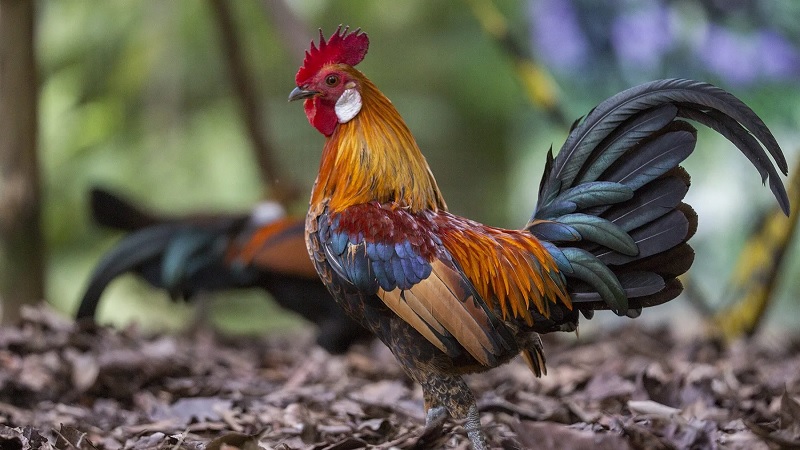
The Phasianidae family is one of the largest and most well-known within Galliformes. It includes birds such as pheasants, partridges, quails, and domestic chickens. Members of this family are usually heavy-bodied and ground-dwelling, with well-developed legs for scratching and digging in the soil. Phasianidae species are often brightly colored, especially males, which use their plumage to attract mates. This family is economically significant, as many species are raised for meat and eggs.
Family Numididae
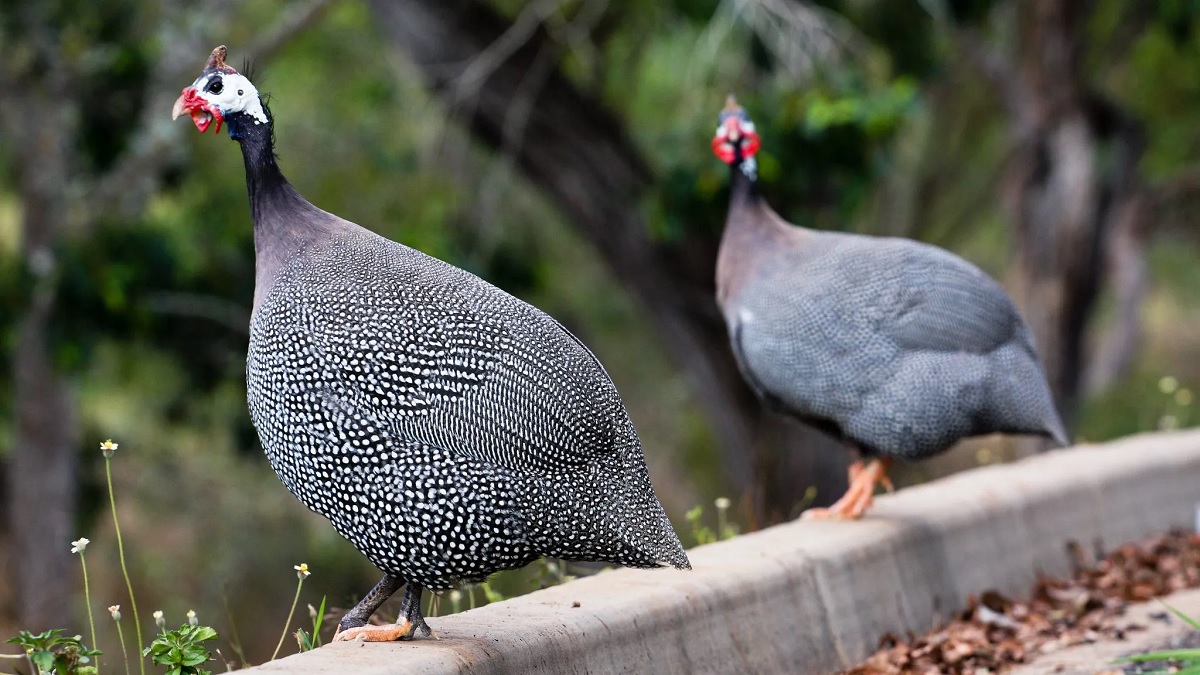
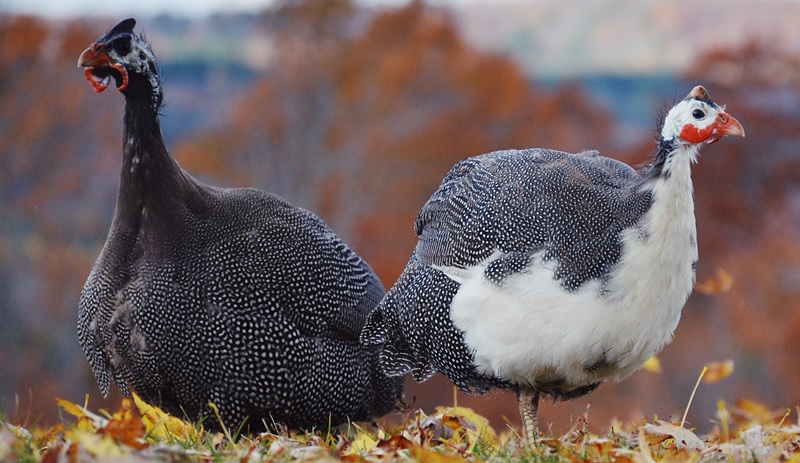
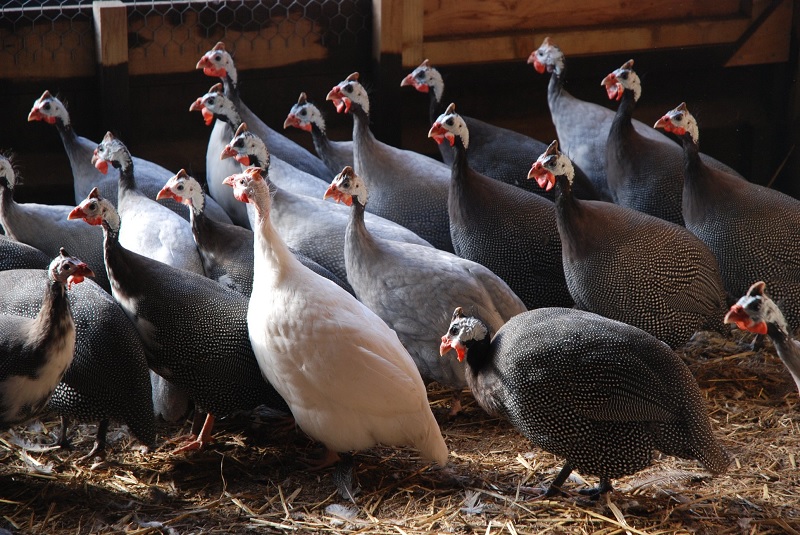
The Numididae family consists of guineafowl, which are native to Africa. These birds are easily recognized by their spotted plumage and bald heads, which often have a bumpy, helmet-like appearance. Guineafowl are social birds that live in flocks and are known for their loud calls and ability to adapt to various environments, from savannahs to forests. Their role extends beyond food, as they help control insect populations, making them beneficial in farming systems.
Family Odontophoridae
Odontophoridae comprises the New World quails, native to the Americas. Unlike their Old World counterparts in the Phasianidae family, these birds tend to be smaller and more secretive, often inhabiting dense undergrowth. They have distinctive calls and a preference for running rather than flying when threatened. Odontophoridae species are important for maintaining ground vegetation and serve as prey for many predators in their ecosystems.
Order Anseriformes (Waterfowl)
The order Anseriformes includes waterfowl, which are primarily adapted to aquatic environments. These birds generally have webbed feet for swimming and a broader range of flight abilities. They tend to feed on aquatic plants, small fish, and invertebrates.
Family Anatidae
Anatidae is the largest family in the Anseriformes order, including ducks, geese, and swans. Birds in this family have broad, flat bills adapted for filtering food from water and dense waterproof feathers. They are found worldwide and occupy a wide variety of aquatic habitats, from freshwater lakes to coastal marshes. Many species are migratory, traveling long distances between breeding and wintering grounds. Anatidae birds are also significant for human use, as they are commonly hunted and farmed for meat and feathers.
Family Anhimidae
The Anhimidae family consists of the screamers, a unique group native to South America. These birds have long legs and large feet, which make them excellent walkers in wetlands and grasslands. Unlike other waterfowl, screamers have loud, piercing calls that give them their name. Their bodies are covered with coarse feathers, and they have spurs on their wings used for defense. Though less known, screamers play an essential role in their habitats by feeding on aquatic plants and insects.
Family Anseranatidae
Anseranatidae includes the magpie goose, a species that stands out among waterfowl for its unique characteristics. Native to Australia and New Guinea, the magpie goose has partially webbed feet and a distinctive black-and-white plumage pattern. Unlike most waterfowl, this species nests in trees and exhibits strong pair bonds. The magpie goose’s behavior and adaptations make it a fascinating subject for study within Anseriformes.
Common Types of Domestic Fowl
Domestic fowl have been an essential part of human life for centuries, providing food, feathers, and companionship. These birds are bred and raised on farms and homesteads worldwide, each offering unique benefits and characteristics. Here’s a closer look at some of the most common types of domestic fowl.
Chickens
Chickens are by far the most popular domestic fowl globally. Known for their adaptability and productivity, chickens are raised primarily for their meat and eggs. There are countless breeds, ranging from the hardy Rhode Island Red to the ornamental Silkie. Chickens are relatively easy to care for and can thrive in various environments, making them ideal for both large-scale farms and small backyard flocks. Their social nature and diverse breeds add to their popularity among farmers and hobbyists alike.
Turkeys
Turkeys are larger birds often associated with traditional feasts, especially in North America. Domestic turkeys have been bred for rapid growth and significant meat yield. Compared to chickens, turkeys require more space and care but offer substantial meat that is lean and flavorful. They are typically raised on farms but are also becoming more popular in homestead settings. Turkeys have distinctive wattles and a fan-shaped tail, making them easily recognizable.
Ducks
Ducks are versatile domestic fowl raised for their meat, eggs, and sometimes feathers. They are excellent foragers and thrive in environments with access to water. Popular domestic duck breeds include the Pekin and Khaki Campbell. Ducks tend to have a calmer demeanor than chickens and are known for their loud quacking. Their eggs are larger and richer in flavor, often used in gourmet cooking.
Geese
Geese are larger waterfowl known for their loud honking and strong flocking behavior. Domestic geese are raised mainly for meat, feathers, and down, which are used in bedding and clothing. They are hardy birds that can graze on grass and are excellent natural “yard watchers” due to their alertness and loud calls. Breeds like the Embden and Toulouse are commonly found on farms.
Quails
Quails are small, fast-growing birds prized for their delicate meat and tiny, speckled eggs. They require less space and are often raised in cages or small pens, making them suitable for urban or small-scale farming. Japanese quails are the most common breed raised domestically. Quails mature quickly, allowing for rapid turnover, and their eggs are considered a delicacy in many cuisines.
Pheasants
Pheasants are less common as domestic fowl but are raised primarily for game meat and ornamental purposes. Known for their striking plumage, especially males, pheasants are usually kept on larger properties or game farms. They require careful management and are more sensitive to predators. Pheasant meat is lean and flavorful, often enjoyed as a specialty item.
Wild Fowl Birds
Wild fowl birds are an important part of natural ecosystems and biodiversity. Unlike their domestic counterparts, these birds live freely in forests, grasslands, and other natural habitats. They play key roles in seed dispersal, insect control, and serving as prey for predators. Here’s a look at some notable wild fowl species and their unique characteristics.
Wild Turkeys
Wild turkeys are native to North America and are known for their impressive size and distinctive plumage. Unlike domestic turkeys, wild turkeys are agile flyers and excellent runners, able to escape predators quickly. They inhabit forests and open woodlands, where they forage for nuts, seeds, insects, and small reptiles.
Wild turkeys live in social groups called flocks and are famous for their elaborate courtship displays, where males fan their tail feathers and gobble loudly to attract mates. These birds are a popular game species and have been successfully reintroduced in many regions.
Grouse
Grouse are medium-sized birds found mostly in temperate and subarctic regions. They thrive in dense forests, heathlands, and moorlands. Known for their cryptic plumage, grouse are masters of camouflage, blending seamlessly with their environment to avoid predators.
Their diet mainly consists of vegetation like buds, berries, and leaves. During breeding season, males perform unique displays called “drumming” or “lekking” to compete for female attention. Grouse are valued both for their ecological role and as game birds.
Partridges
Partridges belong to the pheasant family and are typically found in open fields, farmlands, and scrubby areas. They are ground-dwelling birds that prefer running over flying when threatened. Partridges feed on seeds, insects, and shoots, making them important for pest control.
They are often seen in small coveys and are known for their distinctive calls. In some cultures, partridges hold symbolic significance and have been featured in folklore and traditions. Their adaptability to agricultural landscapes helps maintain a balance between crops and wildlife.
Peafowl
Peafowl, including the well-known Indian peacock, are wild fowl famous for their spectacular plumage and courtship rituals. Native to South Asia, peafowl inhabit forests and open woodlands. Male peafowl are renowned for their iridescent tail feathers, which they fan out in elaborate displays to attract females.
Beyond their striking appearance, peafowl are ground foragers, feeding on seeds, insects, and small animals. Although sometimes kept in captivity for ornamental purposes, wild peafowl play an important role in their native habitats, contributing to seed dispersal and pest control.
Habitat and Distribution of Fowl Birds
Fowl birds inhabit a wide range of environments across the globe, reflecting their remarkable adaptability. Game birds like pheasants, quails, and turkeys are commonly found in forests, grasslands, and farmlands, where they can forage on the ground and find cover from predators. Waterfowl such as ducks, geese, and swans thrive in wetlands, lakes, rivers, and coastal areas, relying on aquatic habitats for food and nesting.
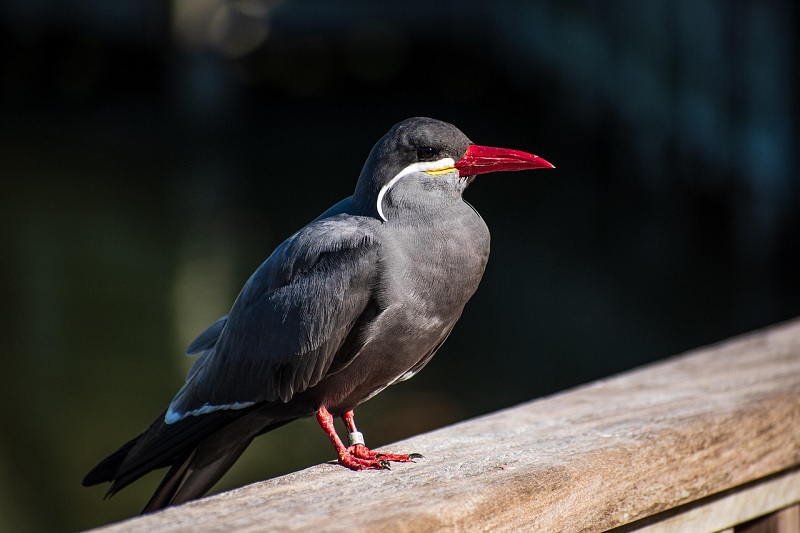
Many species of fowl have broad geographic distributions, with some thriving in temperate regions, while others are native to tropical or subtropical zones. Human activity has also influenced their distribution through domestication and habitat modification. Whether in dense forests, open fields, or watery landscapes, fowl birds play essential roles in their ecosystems, contributing to biodiversity and maintaining ecological balance.
Importance of Fowl Birds
Fowl birds hold significant value in various aspects of life, ranging from their ecological contributions to their economic and cultural roles. These birds, both wild and domestic, influence ecosystems, support livelihoods, and enrich cultural traditions around the world.
Ecological Role
Fowl birds play vital roles in maintaining healthy ecosystems. As ground feeders, many game birds like pheasants and quails help control insect populations by consuming pests that might otherwise damage crops or spread disease. Waterfowl such as ducks and geese contribute to nutrient cycling in aquatic environments through their feeding and nesting behaviors.
Additionally, fowl birds often act as prey for a variety of predators, supporting food webs. Their seed-eating habits aid in plant dispersal, promoting biodiversity and the regeneration of vegetation. These ecological interactions highlight the importance of fowl birds in sustaining balanced and functioning natural habitats.
Economic Importance
The economic value of fowl birds is immense, especially in agriculture and poultry farming. Domestic species like chickens, turkeys, ducks, and geese are primary sources of meat, eggs, and feathers, providing essential nutrition and income for millions worldwide. Poultry farming is one of the most accessible and scalable forms of livestock production, supporting small-scale farmers and large commercial enterprises alike.
Beyond food production, feathers from fowl birds are used in bedding, clothing, and decorations, adding further economic value. Wild fowl are also hunted in regulated game industries, contributing to local economies and conservation efforts through licensing and tourism.
Cultural Significance
Fowl birds have long held cultural and symbolic meanings across different societies. They appear in folklore, religious ceremonies, and traditional festivals, often representing themes like fertility, prosperity, and protection. The peacock, for example, is a national bird and symbol of beauty and pride in several cultures.
Chickens and other fowl often feature in rituals and superstitions, reflecting their close relationship with human communities. Additionally, culinary traditions around the world celebrate various fowl species, with dishes like roast turkey or duck confit becoming iconic meals. This deep cultural connection reinforces the importance of fowl birds beyond their practical uses.
Conservation Status of Various Fowl Birds
The conservation status of fowl birds varies widely across species, reflecting differences in habitat loss, hunting pressure, and environmental changes. While many domestic fowl populations remain stable due to human care and farming, several wildfowl species face significant threats. Habitat destruction, especially of wetlands and forests, has critically impacted waterfowl like certain duck and goose species, as well as game birds such as grouse and partridges.
Some wild fowl, including rare pheasants and wild turkeys, are listed as vulnerable or endangered due to shrinking habitats and overhunting. Conservation efforts such as habitat restoration, legal protection, and breeding programs are crucial to preserving these birds. Protecting fowl birds not only safeguards biodiversity but also helps maintain ecological balance and supports the cultural and economic benefits they provide. Continued awareness and action are essential to ensuring their survival for future generations.
Frequently Asked Questions
What Are The Main Types Of Fowl Birds?
Fowl birds are generally divided into two main groups: game birds and waterfowl. Game birds, like chickens, turkeys, pheasants, and quails, are typically land-dwelling birds that prefer forests, grasslands, or farmland. Waterfowl, including ducks, geese, and swans, are adapted to aquatic environments such as lakes, rivers, and wetlands. Each group has distinct physical traits and behaviors suited to their habitats. Understanding these groups helps you identify different fowl species and their roles in nature and agriculture.
How Do Domestic Fowl Differ From Wild Fowl Birds?
Domestic fowl, such as chickens, ducks, and turkeys, have been selectively bred by humans for traits like meat production, egg-laying, and temperament. They often rely on humans for food, shelter, and protection. In contrast, wild fowl live freely in natural habitats, relying on instinct for survival, finding food, and avoiding predators. Wild species like wild turkeys, grouse, and peafowl have more varied diets and behaviors shaped by their environment. Knowing these differences helps you appreciate how domestication affects bird behavior and ecology.
What Is The Ecological Importance Of Fowl Birds?
Fowl birds play a critical role in maintaining healthy ecosystems. They help control insect populations, disperse seeds, and serve as prey for larger animals, contributing to balanced food webs. Waterfowl, in particular, influence aquatic habitats by cycling nutrients through their feeding and movement.
By supporting plant growth and controlling pests, fowl birds help preserve biodiversity and ecosystem stability. If you care about environmental conservation, understanding the ecological roles of fowl is key to recognizing their importance beyond farming and hunting.
Which Types Of Fowl Birds Are Most Commonly Raised For Farming?
The most commonly farmed fowl birds include chickens, turkeys, ducks, geese, quails, and sometimes pheasants. Chickens dominate poultry farming worldwide due to their fast growth and high egg production. Turkeys and ducks are also widely raised for meat.
Geese are valued for meat and feathers, while quails offer delicately flavored eggs and meat. Pheasants, though less common, are often raised for game or ornamental purposes. If you’re interested in starting a small farm or backyard flock, these types of fowl offer varied options depending on your goals.
How Can You Identify Different Families Of Fowl Birds?
Fowl birds are classified into families based on physical features and behaviors. For example, the Phasianidae family includes pheasants, partridges, and domestic chickens, which generally have strong legs and are ground dwellers.
The Anatidae family contains ducks, geese, and swans, known for their webbed feet and aquatic habits. Families like Numididae include guineafowl, which have spotted plumage and distinctive calls. By observing traits like body shape, plumage patterns, habitat preference, and behavior, you can distinguish between different fowl families, enriching your understanding and enjoyment of birdwatching or farming.
Conclusion
Types of fowl birds encompass a diverse and fascinating group that plays important roles in both nature and human life. From the land-dwelling game birds like chickens, turkeys, and pheasants to the water-loving ducks and geese, each type has unique characteristics and ecological significance. Understanding these birds helps you appreciate their contributions to biodiversity, agriculture, and culture.
Whether raised on farms for food and feathers or observed in the wild for their natural behaviors, fowl birds continue to be valuable to ecosystems and communities worldwide. By recognizing the variety and importance of different types of fowl birds, you gain insight into how these birds support environmental balance and human livelihoods alike.