
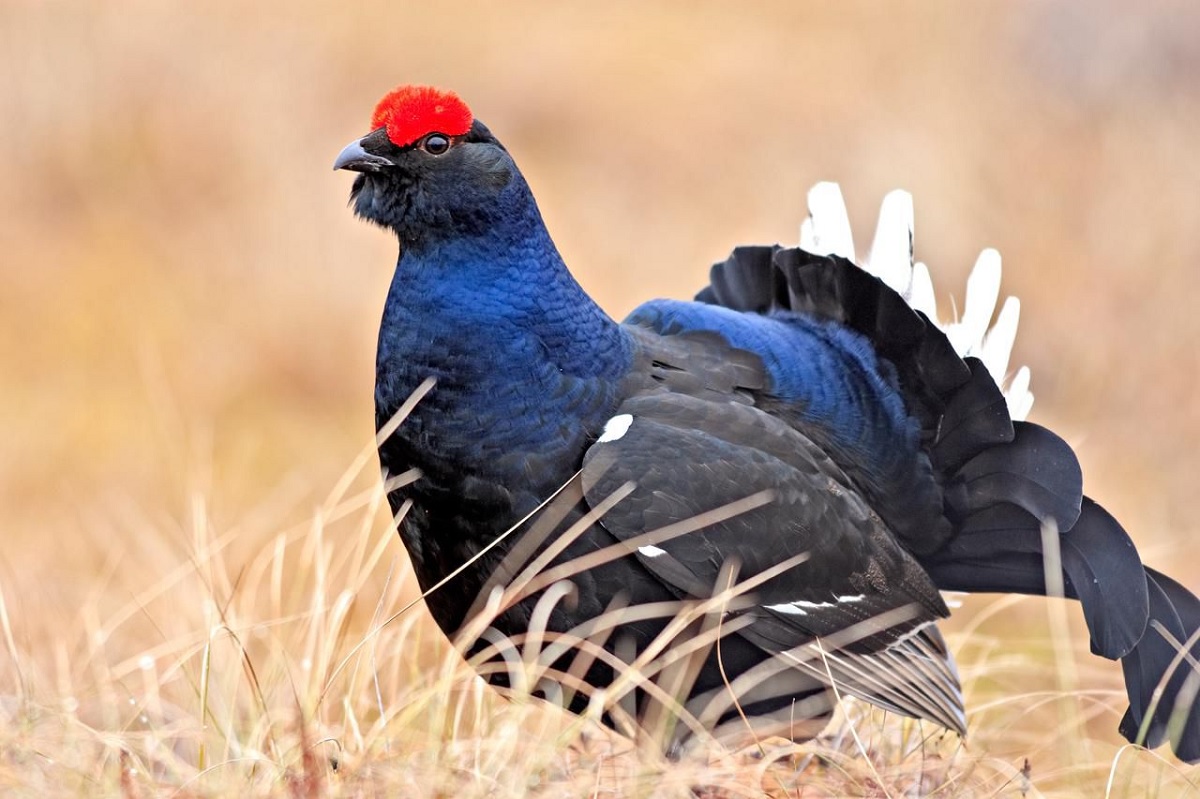
Game birds have long held a special place in outdoor traditions, whether for hunting, birdwatching, or conservation. Understanding the types of game birds is essential for anyone with an interest in wildlife, field sports, or sustainable land management. These birds, typically wild and often prized for their agility and speed, include species such as pheasants, quails, partridges, grouse, and even certain ducks and geese. Each type brings its own unique habitat, behavior, and appeal, making them both fascinating to study and challenging to hunt.
Whether you’re a seasoned hunter looking to sharpen your knowledge or a nature enthusiast curious about bird species in your region, learning about the various types of game birds offers valuable insight into their roles in ecosystems and outdoor heritage. In this guide, we’ll explore the key characteristics, environments, and distinctions of different game bird species to help you better appreciate these remarkable birds in the wild.
Upland Game Birds
Upland game birds are land-dwelling birds typically found in open fields, forests, and brushy landscapes. Unlike waterfowl, they don’t rely on aquatic habitats and are often hunted by walking through their natural cover with the help of trained dogs. These birds are fast, elusive, and provide both sport and table fare, making them a favorite among hunters and birdwatchers alike. Let’s explore the most common types of upland game birds and what makes each unique.
Pheasants
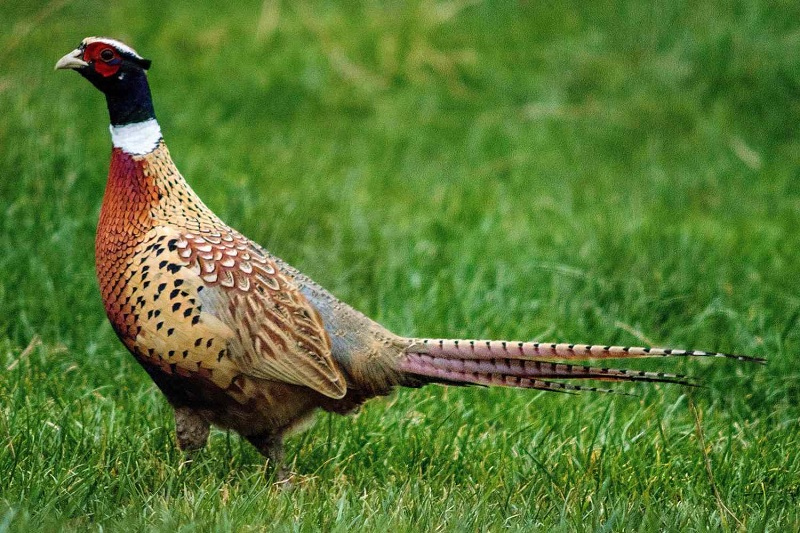
Pheasants are perhaps the most iconic upland game birds, especially the ring-necked pheasant. Known for their vivid plumage and long tail feathers, these birds prefer grasslands and agricultural fields. Originally from Asia, pheasants were introduced to North America in the 1800s and have since thrived in managed habitats. They flush loudly when disturbed, making for an exciting challenge in the field. Pheasant hunting is a tradition in many states, with South Dakota often considered the pheasant capital of the U.S.
Quail
Quail are small, plump birds that live in coveys and prefer shrubby cover, brushy edges, and fields. The most common species in North America include the bobwhite quail in the East and the scaled and Gambel’s quail in the Southwest. Quail are known for their fast, explosive flight, often surprising hunters as they burst from the underbrush. Their small size makes them agile and tough to hit, but they’re highly sought after for their flavor and the skill required to harvest them.
Partridge
Partridge species, such as the chukar and Hungarian (or gray) partridge, are upland birds typically found in rocky or open terrain. The chukar, native to Eurasia, has adapted well to the arid, rugged hills of the western U.S. They’re known for their uphill sprints and tendency to flush downhill, giving hunters a real workout. Hungarian partridges are more common in the northern plains and are often spotted in grain fields or grassy ditches. Both are prized for their gamey flavor and quick flight.
Grouse
Grouse are native to North America and are often divided into subtypes based on habitat and behavior. They prefer dense forests, brush, or tundra, depending on the species. Grouse are elusive birds that require patience and stealth to approach, making them a favorite among serious upland hunters.
Ruffed Grouse
The ruffed grouse is found in hardwood forests across the Northeast and Midwest. Known for their drumming display during mating season, they rely heavily on dense, young forest growth for cover. Ruffed grouse have unpredictable flight patterns and often flush at close range, making them a true test of a hunter’s reflexes and marksmanship.
Sage Grouse
The sage grouse, the largest of the grouse species, is native to the sagebrush plains of the western U.S. These birds are known for their elaborate mating dances and are closely tied to sagebrush ecosystems. Due to habitat loss, sage grouse populations have declined, leading to strict conservation efforts. Hunting is limited and highly regulated in areas where populations remain stable.
Spruce Grouse
Spruce grouse inhabit the boreal forests of Canada and the northern U.S., often in remote areas. They’re sometimes called “fool hens” due to their relative tameness around humans, but their camouflage and silent behavior still make them challenging to spot. These birds feed mainly on conifer needles in winter and are best hunted during fall when they’re more active.
Wild Turkey
Though often overlooked in upland discussions, the wild turkey is a significant upland game bird. Found across much of the U.S., they prefer forests interspersed with open fields. Turkeys are intelligent and cautious, making them one of the most challenging upland birds to hunt. Spring turkey hunting is especially popular, as males (toms) are more active and vocal during mating season. Their size, sharp eyesight, and wariness make for a rewarding hunt and excellent table fare.
Waterfowl Game Birds
Waterfowl game birds are a key part of the hunting and conservation tradition in North America. Unlike upland birds, waterfowl depend heavily on aquatic habitats such as marshes, lakes, rivers, and coastal wetlands. These birds include ducks, geese, and swans—species known not just for their beauty and migratory behavior, but also for the excitement and challenge they bring to hunters. Let’s explore the main categories of waterfowl game birds and their most well-known species.
Ducks
Ducks are the most diverse group of waterfowl game birds. From small, swift-flying teal to the larger mallards and pintails, they’re a favorite target for waterfowl hunters. Duck hunting usually involves decoy spreads, blinds, and calling techniques to draw birds within range.
Mallard
The mallard is the most recognized and widely distributed duck in North America. Males have a distinctive green head, while females sport mottled brown feathers. Mallards are adaptable and can be found in nearly any wetland environment, from small ponds to major river systems. Their loud quacks and strong flight make them a classic target for hunters.
Wood Duck
Wood ducks are known for their vibrant colors and preference for wooded swamps, creeks, and flooded timber. Males display an iridescent green head, red eyes, and chestnut breast, making them one of the most striking ducks in the wild. They’re also known for nesting in tree cavities, which is unique among ducks. Quick and agile in flight, wood ducks provide a fast-paced challenge in dense cover.
Teal
Teal are among the smallest ducks hunted in North America, with blue-winged and green-winged teal being the most common. They migrate early in the season and are typically found in shallow marshes and rice fields. Their rapid, darting flight patterns make them difficult targets, but many hunters enjoy the early teal season as a warm-up for the main waterfowl season.
Pintail
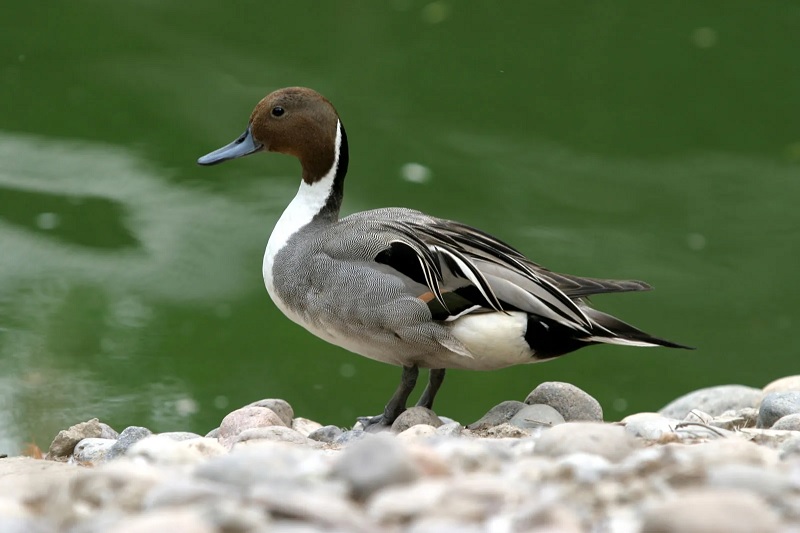
Northern pintails are elegant, long-necked ducks with a sleek appearance and graceful flight. Males have a chocolate-colored head, white neck, and a long, pointed tail feather. They favor shallow wetlands, flooded fields, and estuaries. Pintails are cautious and often approach decoy spreads warily, requiring patience and well-placed shots from hunters.
Geese
Larger than ducks and often seen in massive flocks, geese offer a different kind of waterfowl hunting experience. Their honking calls and impressive formations during migration are iconic sights in the fall and winter months.
Canada Goose
Canada geese are the most common and widely hunted goose species in North America. Recognizable by their black head and neck with a white chinstrap, they are found in both urban and rural settings. Hunting Canada geese often involves large decoy spreads, layout blinds, and calling. They provide a loud, dramatic approach and a sizeable reward for the successful hunter.
Snow Goose
Snow geese are mostly white with black wingtips and migrate in huge flocks numbering in the thousands. They travel great distances during migration, often passing through central flyways. Hunting snow geese is particularly challenging due to their sharp eyesight and tendency to avoid decoys that look unnatural. Conservation seasons for snow geese are often extended due to their rapidly expanding populations and impact on fragile tundra ecosystems.
Swans
Swans are the largest of all waterfowl and are rarely hunted, with tightly regulated seasons in only a few U.S. states. They are prized more for the experience than the meat, as they are powerful and graceful in flight.
Tundra swans are the most common game species, and successful hunts usually require permits through a lottery system. Their deep, echoing calls and large wingspans make them an unforgettable sight in migration. Because of their limited availability and the awe they inspire, swan hunting is considered a once-in-a-lifetime experience for many waterfowlers.
Shorebirds and Other Game Birds
While ducks, geese, and upland birds often steal the spotlight, several lesser-known game birds offer unique challenges and experiences for hunters. These include shorebirds and other small, elusive species like snipe, rails, doves, and woodcock. Often found in wetlands, thickets, or open fields, these birds require sharp reflexes, good dog work, and a deep understanding of their habitats. Let’s take a closer look at these fascinating game birds.
Snipe
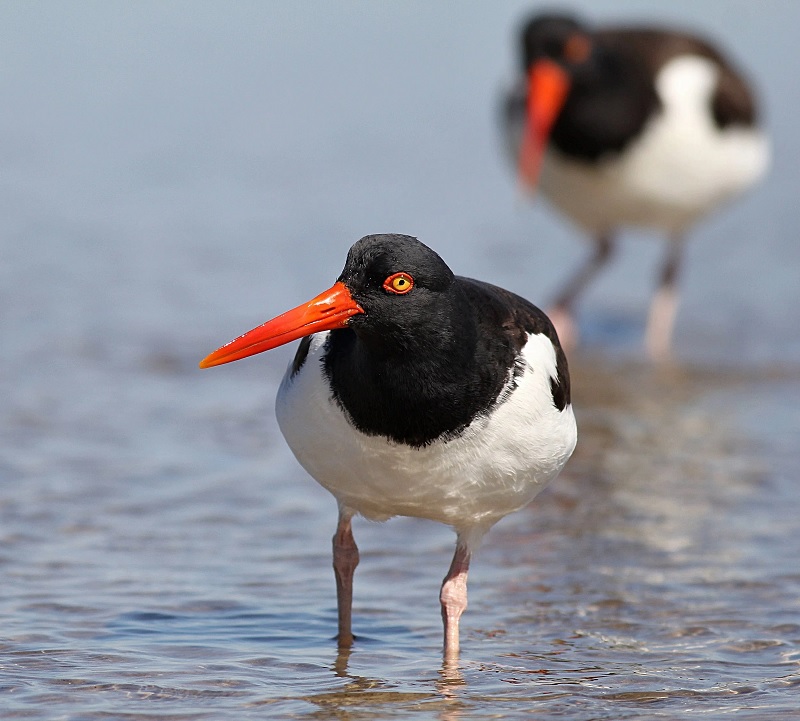
The common snipe is a small, slender shorebird often found in marshes, wet meadows, and bogs. Its long bill and camouflaged plumage help it blend into its surroundings. Snipe hunting is fast-paced and exciting—these birds flush quickly and fly in erratic, zigzag patterns, testing even the most skilled shooters. Despite being elusive, snipe are legal game in many states and offer a unique addition to any bird hunter’s season.
Rails
Rails are secretive wetland birds that thrive in thick, reedy environments. Species like the sora and Virginia rail are more commonly hunted, though they are often heard before they’re seen. They flush reluctantly and often run rather than fly, making them a challenge to locate and harvest. Hunting rails typically involves wading through marshes or poling a small boat through shallow waters, offering a distinct and adventurous pursuit.
Doves
Dove hunting is one of the most popular and social forms of bird hunting in North America. Mourning doves are the most commonly hunted species and are known for their swift, darting flight. Found in fields, agricultural lands, and open woods, doves respond well to feeding sites and decoy setups. Opening day of dove season is often treated as a tradition in many regions, kicking off the fall hunting season with fast shooting and friendly competition.
Woodcock
The American woodcock, also known as the “timberdoodle,” is a quirky, short-legged bird found in young forests and brushy cover. It feeds on earthworms and prefers damp soil, often migrating through the eastern and central U.S. during fall. Woodcock have a slow, spiraling flush and are prized by upland hunters for the quality dog work they inspire. Their unpredictable flight makes them a thrilling target and a favorite among those who enjoy hunting thick cover.
Regional Variations in Game Birds
Game bird species vary widely across the globe, influenced by geography, climate, and habitat diversity. From sprawling grasslands to dense forests and wetlands, each region supports its own unique mix of birds suited for hunting or conservation. Understanding these regional variations in game birds helps hunters, birdwatchers, and conservationists appreciate the rich diversity of species and the traditions tied to them. Here’s a look at how game bird populations differ across key regions.
North America
North America is home to a wide range of game birds, from iconic upland species to migratory waterfowl. The United States and Canada boast rich hunting traditions, supported by robust wildlife management practices.
In the upland category, popular species include pheasants in the Midwest, quail in the South, ruffed grouse in the Northeast, and chukar in the West. Waterfowl like mallards, Canada geese, and teal are widespread, with hunters taking advantage of the continent’s extensive flyways during migration season. The wild turkey, found in nearly every U.S. state, is a uniquely North American game bird that’s celebrated in both spring and fall hunting seasons.
Europe
Europe’s game bird traditions are steeped in history, with many practices dating back centuries. Driven shoots, where birds are flushed toward hunters by beaters, are especially popular in the United Kingdom and parts of continental Europe.
Common game birds include the red-legged partridge and common pheasant, both often raised on estates for managed hunts. Grouse—particularly the red grouse in the UK—are also iconic, especially on moorland estates. In southern Europe, wood pigeon and turtle dove are common quarry, while snipe and waterfowl are hunted in wetlands. European game bird management often blends traditional methods with modern conservation strategies.
Asia
Asia’s vast landscapes support a wide diversity of game birds, though hunting regulations vary greatly between countries. In Central and South Asia, species such as the chukar partridge and various types of quail are hunted in rocky or arid regions. The Himalayan snowcock, a high-altitude bird, is a prized challenge for mountain hunters.
In East and Southeast Asia, wetland areas attract waterfowl like teal, ducks, and geese during migration seasons. Cultural practices influence hunting methods, and in some countries, game bird hunting is tightly regulated or restricted to preserve declining populations. Falconry, especially in the Middle East and parts of Central Asia, remains a traditional method of hunting birds such as the houbara bustard.
Africa
Africa offers a wide array of game birds across its diverse ecosystems—from deserts to savannas and wetlands. In southern Africa, species like the helmeted guineafowl, francolin, and sandgrouse are common game birds. These birds thrive in open grasslands and bushveld habitats and are often hunted over pointing dogs.
Waterfowl such as the Egyptian goose and various duck species are found in wetland regions, while migratory birds also pass through North Africa during seasonal shifts. In many parts of Africa, hunting is a mix of sport, subsistence, and cultural tradition, with some regions offering regulated hunting safaris for international visitors.
Conservation and Legal Considerations
Game bird hunting is not just a sport or tradition—it plays a significant role in wildlife management and conservation. To ensure healthy populations and ecosystems, it’s essential to follow legal regulations, support conservation initiatives, and adopt sustainable hunting practices. These efforts help preserve game birds for future generations while maintaining ecological balance.
Hunting Seasons and Regulations
Hunting seasons and regulations are carefully designed to protect game bird populations during critical times such as breeding, nesting, and migration. Each species has specific rules regarding open seasons, daily bag limits, and hunting methods. These regulations are based on scientific data collected by wildlife agencies, which monitor bird numbers and habitat health.
Licenses, permits, and stamps (such as the Federal Duck Stamp in the U.S.) are often required for legal hunting. These fees support wildlife management programs and habitat restoration projects. Violating hunting laws not only harms bird populations but also carries serious legal penalties, including fines and hunting license suspension.
Conservation Efforts
Many conservation programs across the globe are funded or supported by hunters, birdwatchers, and environmental organizations. Initiatives like wetland preservation, forest management, and native grassland restoration directly benefit game birds and countless other wildlife species.
Groups such as Ducks Unlimited, Pheasants Forever, and The Ruffed Grouse Society work tirelessly to conserve habitats and educate the public. Government agencies also play a key role in regulating hunting and funding research to maintain bird populations at sustainable levels.
Importantly, international treaties like the Migratory Bird Treaty Act help protect species that cross borders, ensuring cooperation between countries on conservation priorities.
Sustainable Hunting Practices
Sustainable hunting goes beyond following the law—it means hunting with respect for nature and the future of the sport. This includes practicing ethical shot placement, harvesting only what you intend to use, and avoiding pressure on declining populations.
Hunters should also invest in habitat-friendly practices, such as planting native cover crops or supporting controlled burns that benefit upland species. Responsible dog training, proper decoy setups, and clean shooting help minimize disturbance to non-target species and habitats.
By combining ethical behavior with legal compliance and conservation support, hunters become key stewards of the land and wildlife. Ensuring that game bird populations thrive isn’t just a responsibility—it’s part of the heritage and future of the hunting community.
Frequently Asked Questions
What Are the Main Types of Game Birds?
Game birds are typically divided into three main categories: upland game birds, waterfowl, and other game birds like doves and woodcock. Upland game birds include species like pheasants, quail, grouse, and wild turkeys that live primarily on land in forests, fields, and grasslands. Waterfowl, such as ducks, geese, and swans, rely on aquatic environments like wetlands, lakes, and rivers. Some regions also include shorebirds like snipe and rails in their game bird listings. Each type has distinct behaviors, habitats, and hunting seasons.
How Can You Identify Different Upland Game Birds?
To identify upland game birds, you can look at their size, color, habitat, and behavior. For example, pheasants have long tails and colorful plumage, while quail are smaller, with plump bodies and distinctive calls. Grouse tend to be more elusive, and species like the ruffed grouse have feathered legs and mottled coloring that helps them blend into forest environments. Wild turkeys are much larger, often traveling in flocks and recognized by their gobbling and fan-shaped tails.
What Is the Difference Between Waterfowl and Upland Game Birds?
The main difference lies in their habitat and behavior. Waterfowl such as ducks and geese live in or near water and are strong fliers, often migrating long distances. They are typically hunted near lakes, marshes, and rivers using decoys and calls. In contrast, upland game birds live on dry land and are often hunted by walking fields or forests, sometimes with the help of trained bird dogs. Their flight patterns and flushing behavior also differ, requiring different hunting techniques.
Are All Game Birds Legal to Hunt?
Not all game birds are legal to hunt everywhere. Hunting regulations vary by country, state, and even species. Some birds, like sage grouse or certain migratory species, may be protected or have limited hunting seasons due to declining populations. Always check local regulations, including required licenses, bag limits, and open seasons, before hunting any game bird. Many regions also require special permits for species like swans or turkeys.
What Are Some Common Game Birds in North America?
In North America, you’ll commonly encounter game birds such as ring-necked pheasants, bobwhite quail, ruffed grouse, and wild turkeys in upland areas. For waterfowl, mallards, wood ducks, Canada geese, and snow geese are popular species during hunting season. Doves, snipe, and woodcock are also legally hunted in many regions and offer unique experiences with their quick, unpredictable flight patterns.
Why Is It Important to Know the Types of Game Birds?
Knowing the types of game birds helps you become a more ethical and successful hunter or birdwatcher. Different species require specific hunting techniques, equipment, and strategies. Understanding their behavior and habitat ensures you’re hunting responsibly and within the law. It also deepens your appreciation for wildlife and plays a vital role in supporting conservation efforts through informed, sustainable practices.
Conclusion
Understanding the types of game birds opens the door to a deeper appreciation of wildlife, habitat diversity, and outdoor traditions. From upland birds like pheasants and quail to waterfowl such as ducks and geese, each species offers unique characteristics and challenges for hunters and bird enthusiasts alike. Recognizing these differences not only enhances your experience but also promotes responsible and sustainable practices.
Whether you’re in the field, wetlands, or woods, knowing the habits, regulations, and conservation needs of game birds ensures you contribute positively to their preservation. As you explore the world of game birds, remember that knowledge, respect for nature, and ethical behavior go hand in hand in maintaining this rich outdoor heritage for future generations.