
Ocean birds are a fascinating group of creatures uniquely adapted to life at sea. When we talk about types of ocean birds, we refer to a diverse range of species that rely on the vast marine environment for food, shelter, and breeding grounds. From the graceful albatross, known for its impressive wingspan and long-distance flights, to the agile puffins that dive beneath the waves in search of fish, ocean birds display remarkable behaviors and physical traits.
These birds play a vital role in marine ecosystems, helping to maintain the balance between ocean life and coastal habitats. Exploring the different types of ocean birds not only reveals their incredible adaptability but also highlights the importance of conserving their natural habitats in the face of environmental changes. Understanding these birds gives us insight into the complex web of life in the oceans and underscores the beauty and diversity of nature’s seafarers.
Classification of Ocean Birds
Ocean birds can be classified in several ways, but two of the most important distinctions are between seabirds and shorebirds and between pelagic birds and coastal birds. These classifications help us understand how different species adapt to their unique environments and lifestyles.
Seabirds vs. Shorebirds
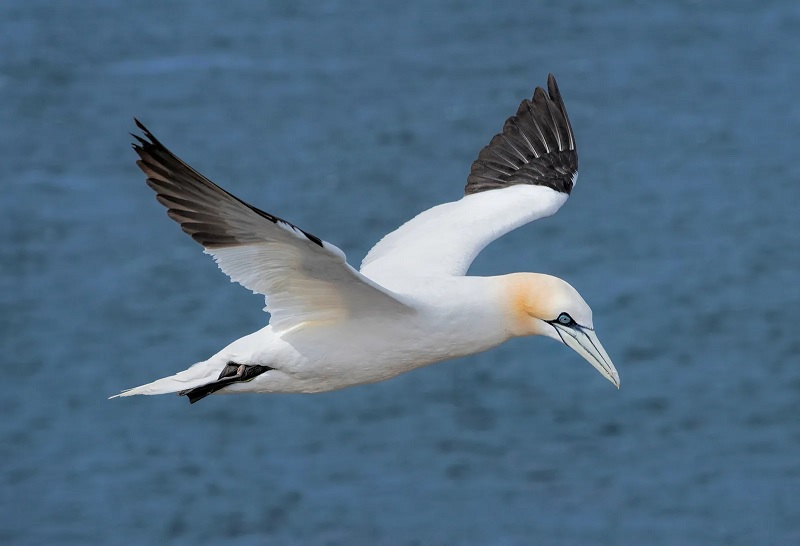
Seabirds are primarily ocean dwellers, spending the majority of their lives at sea and coming to land mostly to breed. Species such as albatrosses, petrels, and shearwaters are well-known examples. These birds have adapted to life over the open ocean with specialized wings designed for long-distance gliding and feathers that resist water. Their diet mainly consists of fish, squid, and other marine creatures, which they catch by diving beneath the surface or skimming over the water.
In contrast, shorebirds are typically found along the edges of oceans, bays, and estuaries. They prefer habitats like beaches, mudflats, and tidal zones, staying close to land rather than venturing far into open water. Shorebirds such as sandpipers, plovers, and oystercatchers feed differently from seabirds — often probing the sand for invertebrates or picking food off rocks. While many shorebirds undertake long migrations, their close connection to land and shallow waters clearly distinguishes them from true seabirds.
Pelagic Birds vs. Coastal Birds
Another important way to classify ocean birds is by how far they travel from land, dividing them into pelagic and coastal birds. Pelagic birds are the true ocean wanderers, spending almost their entire lives far out at sea and rarely returning to shore except to breed. Examples include albatrosses and some species of petrels. These birds are perfectly adapted to the challenges of the open ocean, where food can be scarce and conditions harsh.
Their remarkable ability to glide over vast distances helps them efficiently search for food across large areas. On the other hand, coastal birds stay close to shorelines and are frequently seen near bays, harbors, and coastal cliffs. Gulls, terns, and cormorants are common coastal birds. They tend to rely on the abundant food found near the shore, including fish, crustaceans, and even leftovers from human activity. Coastal birds are generally more accustomed to human presence and are often familiar sights in seaside towns.
Major Types of Ocean Birds
Ocean birds are a fascinating and diverse group, perfectly adapted to life in and around the world’s seas and coasts. These birds vary widely in their appearance, behaviors, and ecological roles, yet all are tied closely to marine environments. In this section, we’ll explore some of the major types of ocean birds, including albatrosses, petrels and shearwaters, gulls, terns, puffins, cormorants and shags, and pelicans. Each group has unique characteristics that make them well-suited for survival in their oceanic habitats.
Albatrosses
Physical Characteristics
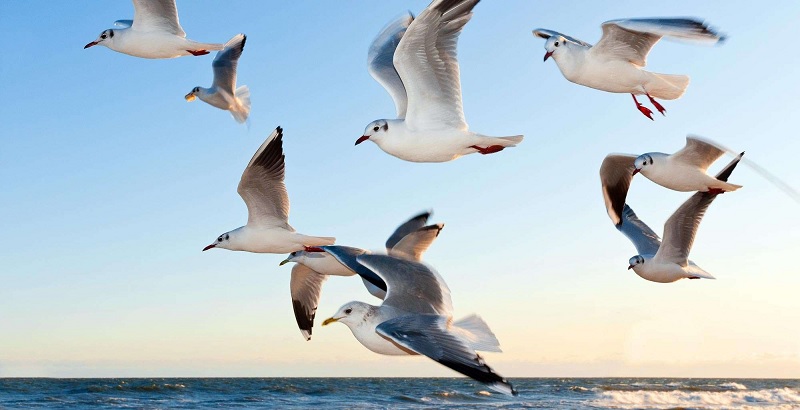
Albatrosses are among the largest flying birds, renowned for their impressive wingspans that can exceed 11 feet (3.4 meters). Their long, narrow wings are built for dynamic soaring, allowing them to glide effortlessly over the ocean for hours with minimal wing flapping. Their bodies are generally streamlined, with strong bills designed to catch slippery prey.
Habitat and Distribution
These majestic birds are primarily found in the Southern Ocean and North Pacific. They spend most of their lives flying over open water, often thousands of miles from land. Albatrosses return to isolated islands to breed, where they nest in colonies on cliffs or grassy slopes.
Behavior and Feeding
Albatrosses are skilled hunters and scavengers. They feed on fish, squid, and carrion, often snatching prey from the water’s surface or diving shallowly. Their ability to travel vast distances without tiring enables them to exploit widely scattered food resources in the open ocean.
Petrels and Shearwaters
Differences Between Petrels and Shearwaters
Petrels and shearwaters are closely related seabirds but have subtle differences. Petrels tend to have shorter wings and more rounded bodies, which allow for agile flight in turbulent weather. Shearwaters, by contrast, have longer wings and glide low over the waves with a characteristic “shearing” flight pattern.
Nesting Habits
Both groups typically nest in burrows or crevices on remote islands. They often return to the same nesting sites year after year and lay a single egg per breeding season.
Migration Patterns
Many petrels and shearwaters are remarkable long-distance migrants, traveling thousands of miles between breeding and feeding grounds. Some species cross entire oceans, linking continents in their annual journeys.
Gulls
Common Species
Gulls are familiar coastal birds found worldwide, with species like the herring gull, ring-billed gull, and black-headed gull among the most common. They vary in size and coloration but often share stout bodies, webbed feet, and strong, hooked bills.
Feeding and Diet
Gulls are opportunistic feeders, eating a wide range of food from fish and marine invertebrates to scraps and garbage left by humans. Their adaptability in diet has allowed them to thrive in various environments, including urban areas.
Interaction with Humans
Gulls are well-known for their boldness around people, often scavenging in seaside towns and beaches. While this behavior sometimes leads to conflict, it also highlights the gulls’ remarkable ability to adapt to human-altered landscapes.
Terns
Identification Features
Terns are smaller, slender seabirds with pointed wings and sharp, straight bills. Many species have distinctive black caps on their heads during the breeding season, and their graceful flight is characterized by quick wingbeats and sharp turns.
Breeding and Nesting
Terns often nest in large, dense colonies on sandy beaches or rocky islands. They typically lay eggs directly on the ground or in simple scrapes.
Feeding Techniques
Terns are expert plunge-divers, spotting fish from the air before diving headfirst into the water to catch their prey. Their feeding requires agility and precision, making them some of the most skilled hunters among ocean birds.
Puffins
Unique Adaptations
Puffins are charming seabirds with colorful beaks, especially during the breeding season. They have short wings adapted for “flying” underwater, using their wings to swim and chase fish, rather than long-distance gliding.
Breeding Colonies
Puffins breed in large colonies on coastal cliffs and islands, digging burrows or nesting in crevices. They are social birds, often seen in large groups during the breeding season.
Diet and Foraging
Puffins primarily feed on small fish such as sand eels and herring. Their ability to carry multiple fish at once in their beaks thanks to a specialized jaw structure is a fascinating adaptation that aids efficient feeding.
Cormorants and Shags
Physical Traits
Cormorants and shags are medium-sized seabirds with dark, glossy feathers and long necks. Unlike many other ocean birds, their feathers are less waterproof, which helps them dive more easily but requires drying after swimming.
Diving Abilities
These birds are excellent divers, plunging deep underwater to catch fish. Their powerful webbed feet and streamlined bodies make them agile hunters beneath the waves.
Habitat Preferences
Cormorants and shags prefer coastal waters, rocky shores, and estuaries. They often perch on rocks or posts to dry their wings after diving, a characteristic behavior that is frequently observed in these birds.
Pelicans
Distinctive Features
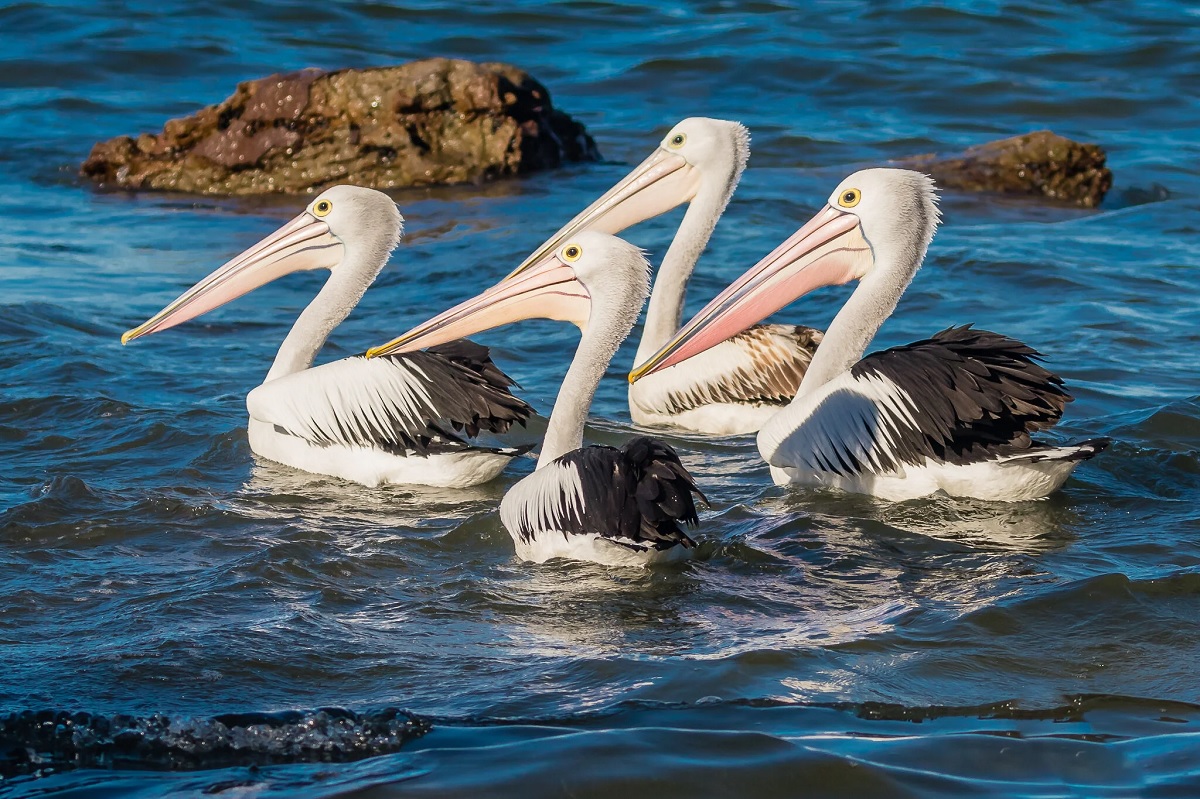
Pelicans are large birds known for their enormous throat pouches, which they use to scoop up fish from the water. Their broad wings and heavy bodies make them strong but less maneuverable fliers compared to other ocean birds.
Feeding Behavior
Pelicans employ cooperative feeding strategies, sometimes working in groups to herd fish into shallow waters for easier capture. Their feeding involves plunging or dipping their bills into the water to catch prey.
Distribution
Pelicans are found in warm coastal and inland waters worldwide, including estuaries, lagoons, and lakes. Their adaptability to different water bodies has allowed them to thrive in a variety of marine and freshwater habitats.
Adaptations of Ocean Birds to Marine Life
Ocean birds have evolved remarkable adaptations that allow them to thrive in the challenging marine environment. Living in and around saltwater demands specialized features to cope with harsh weather, salt intake, and the demands of flight over vast oceans. In this section, we’ll explore some of the key adaptations ocean birds have developed: the salt gland function, waterproof feathers, and unique flight adaptations.
Salt Gland Function
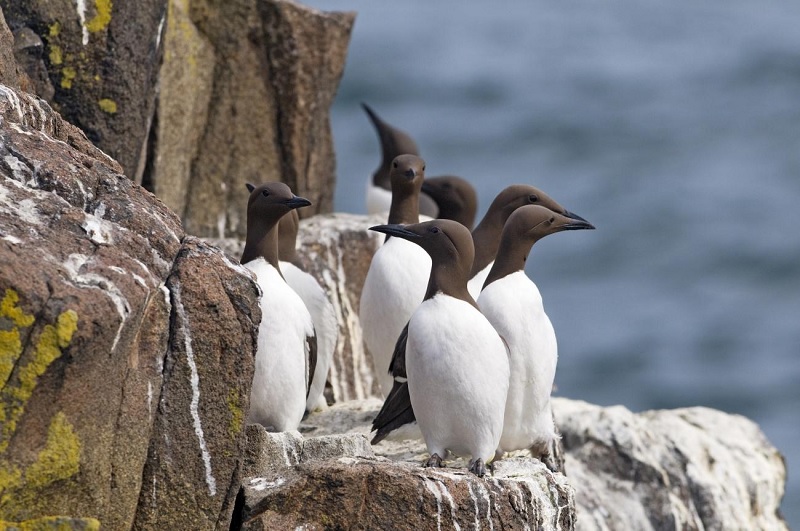
One of the most critical adaptations ocean birds possess is the ability to manage salt intake. Because these birds drink seawater and consume salty prey, their bodies must handle excess salt efficiently. This is where the salt glands come into play. Located just above the eyes, salt glands filter excess salt from the bloodstream and excrete it through a concentrated saline solution, usually through the nostrils.
This process allows ocean birds to maintain fluid balance and avoid dehydration despite their salty diet and environment. Without this specialized gland, drinking seawater would be fatal. This adaptation is common among seabirds like albatrosses, petrels, and gulls, enabling them to survive far from freshwater sources.
Waterproof Feathers
Ocean birds also rely heavily on their feathers’ waterproofing to stay dry and insulated. Their feathers are coated with special oils secreted from a gland near the base of the tail called the uropygial gland. By spreading this oil over their feathers, birds create a water-repellent barrier that prevents water from soaking in. This waterproofing is essential for birds that dive or spend extended periods on the ocean’s surface, such as cormorants, puffins, and pelicans. Maintaining dry feathers helps regulate body temperature and keeps the bird buoyant in water. Without this adaptation, cold ocean water would quickly sap their body heat and make survival difficult.
Flight Adaptations
Flight adaptations are crucial for ocean birds, many of which cover thousands of miles during migration or while searching for food. Ocean birds typically have long, narrow wings built for energy-efficient soaring and gliding. For example, albatrosses have wingspans that allow them to ride ocean winds with minimal effort, conserving energy over long flights.
Additionally, many seabirds exhibit dynamic soaring and slope soaring techniques, using air currents created by waves and wind gradients to stay aloft without constant flapping. Other species, like puffins and cormorants, have shorter, stronger wings adapted for underwater “flight” to chase fish. These diverse flight adaptations showcase how ocean birds are perfectly equipped for their specific feeding and migratory needs in a marine setting.
Threats to Ocean Birds
Ocean birds face numerous threats that jeopardize their survival and the delicate balance of marine ecosystems. Despite their incredible adaptations to life at sea, human activities and environmental changes pose serious challenges. In this section, we’ll explore some of the most pressing threats to ocean birds: pollution and plastic, overfishing and food scarcity, and the impacts of climate change.
Pollution and Plastic
Pollution, especially plastic waste, is one of the most visible and harmful threats to ocean birds. Millions of tons of plastic debris enter the oceans each year, breaking down into small particles called microplastics. Ocean birds often mistake plastic for food, ingesting pieces that can block their digestive tracts, cause internal injuries, or lead to starvation.
Additionally, discarded fishing gear, such as nets and lines, can entangle birds, preventing them from flying or feeding properly. Oil spills also pose a grave risk by coating feathers, reducing their waterproofing and insulation, which can lead to hypothermia or drowning. Pollution not only directly harms birds but also contaminates their food sources, making the entire marine environment less hospitable.
Overfishing and Food Scarcity
Overfishing has significantly impacted the availability of fish and other marine prey that ocean birds rely on for food. Many seabirds depend on specific fish species or squid to sustain their energy needs, especially during breeding seasons. When commercial fishing depletes these populations, birds struggle to find enough food, resulting in reduced breeding success and increased mortality. Some species may be forced to travel further or switch to less nutritious prey, which can affect their health and survival rates. The decline in fish stocks caused by overfishing disrupts the food chain, highlighting the interconnectedness of human activity and ocean bird populations.
Climate Change Effects
Climate change is altering ocean temperatures, currents, and weather patterns, creating new challenges for ocean birds. Rising sea levels threaten coastal nesting sites, flooding habitats where birds lay their eggs. Changes in ocean temperature can shift the distribution of fish and plankton, forcing seabirds to adapt their feeding strategies or face food shortages. More frequent and intense storms can destroy nests and make foraging more difficult.
Additionally, climate change can affect migration timing and breeding cycles, potentially leading to mismatches between the availability of food and the birds’ needs. These environmental shifts place ocean birds under increasing stress, reducing their resilience in already fragile ecosystems.
Conservation Efforts
Protecting ocean birds is vital for maintaining healthy marine ecosystems, and various conservation efforts have been put in place worldwide to address the challenges these birds face. From establishing protected areas to implementing rehabilitation programs and international treaties, these efforts aim to preserve ocean bird populations and their habitats.
Protected Areas
One of the most effective conservation strategies is the creation of protected areas such as marine reserves and bird sanctuaries. These designated zones restrict human activities like fishing, development, and tourism, allowing ocean birds to breed, feed, and rest in safer environments. For example, many islands serve as important breeding grounds for seabirds and are now protected from invasive species and human disturbance.
Marine protected areas also safeguard critical feeding habitats, ensuring food availability for birds. By preserving these key habitats, protected areas play a crucial role in reducing threats like habitat destruction and overfishing, giving ocean birds a better chance to thrive.
Rehabilitation Programs
Rehabilitation programs focus on rescuing and treating injured or sick ocean birds, often caused by pollution, oil spills, or entanglement in fishing gear. Specialized wildlife centers and organizations work to clean, treat, and eventually release these birds back into the wild. These programs also involve monitoring populations and conducting research to better understand threats and improve conservation methods.
Public awareness campaigns frequently accompany rehabilitation efforts to educate people about reducing pollution and responsible coastal behavior. Through these programs, many individual birds receive a second chance at life, contributing to the overall health of ocean bird populations.
International Treaties
Because ocean birds migrate across countries and continents, international treaties are essential to their protection. Agreements like the Migratory Bird Treaty Act, the Agreement on the Conservation of Albatrosses and Petrels (ACAP), and the Convention on Migratory Species (CMS) facilitate cooperation among nations to safeguard migratory routes, breeding sites, and feeding grounds.
These treaties promote coordinated actions to reduce bycatch in fisheries, control invasive species, and manage pollution. By fostering collaboration, international treaties help address threats that no single country can tackle alone, ensuring a more comprehensive approach to ocean bird conservation on a global scale.
Frequently Asked Questions
What Are the Main Types of Ocean Birds?
Ocean birds can be grouped into several main types based on their habitats and behaviors. The most common types include albatrosses, petrels, shearwaters, gulls, terns, puffins, cormorants, shags, and pelicans. Each of these birds is uniquely adapted to marine life. For instance, albatrosses are long-distance gliders, puffins are expert divers, and gulls are opportunistic feeders. Understanding these types helps you recognize how different species survive and interact with the ocean environment.
How Are Seabirds Different From Shorebirds?
Seabirds and shorebirds differ mainly in their habitats and feeding habits. Seabirds spend most of their lives at sea, coming to land only to breed. You’ll often find species like albatrosses, petrels, and shearwaters gliding over open oceans. Shorebirds, such as sandpipers and plovers, live closer to coastlines and tidal zones. They forage along the shore, probing sand or mud for small invertebrates. While both are tied to marine environments, seabirds are adapted for life over open water, and shorebirds thrive along the water’s edge.
What Is the Difference Between Pelagic and Coastal Birds?
The key difference lies in their location and foraging behavior. Pelagic birds, such as albatrosses and certain petrels, live far out at sea and are rarely seen near shore. They are built for long-distance travel and find food in the open ocean. In contrast, coastal birds like gulls, terns, and cormorants stay close to land and often forage in bays, estuaries, and nearshore waters. If you’re watching from the beach, you’re more likely to see coastal birds than pelagic ones.
How Do Ocean Birds Find Food in the Sea?
Ocean birds use a variety of strategies to locate food. Some, like terns and pelicans, dive into the water to catch fish near the surface. Others, such as albatrosses and shearwaters, rely on keen eyesight and smell to find schools of fish or squid while gliding over vast distances. Puffins and cormorants are known for diving deep and using their wings or feet to chase prey underwater. The technique each bird uses is suited to its physical adaptations and the part of the ocean it inhabits.
Why Are Puffins Considered Unique Among Ocean Birds?
Puffins stand out because of their bright, colorful beaks, especially during breeding season, and their impressive diving skills. Unlike many ocean birds that soar above water, puffins use their wings to “fly” underwater, chasing small fish with speed and agility. They also nest in burrows on coastal cliffs and islands, forming large breeding colonies. Their ability to carry multiple fish in their beaks at once, thanks to specialized tongue and jaw structures, makes them efficient providers for their chicks.
Are Ocean Birds Affected by Human Activity?
Yes, ocean birds are significantly impacted by human activity. Pollution, especially plastic waste, poses a major threat as birds often ingest debris or become entangled. Overfishing reduces the availability of their food sources, while climate change alters ocean temperatures and disrupts breeding and migration patterns. Coastal development can also destroy important nesting sites. Conservation efforts like marine protected areas, international agreements, and rehabilitation programs are essential to help ocean birds recover and thrive.
Conclusion
Understanding the different types of ocean birds offers a deeper appreciation for the diversity and complexity of marine life. From the soaring albatross to the diving puffin, each species has unique adaptations that allow it to thrive in ocean environments. These birds play vital roles in maintaining ecological balance, serving as indicators of ocean health. However, they also face significant threats from human activities and environmental changes.
By learning about their behaviors, habitats, and challenges, you can support efforts to protect them. Whether you’re a birdwatcher, nature lover, or simply curious, exploring the world of ocean birds is both fascinating and important for conservation and awareness of our shared natural world.