
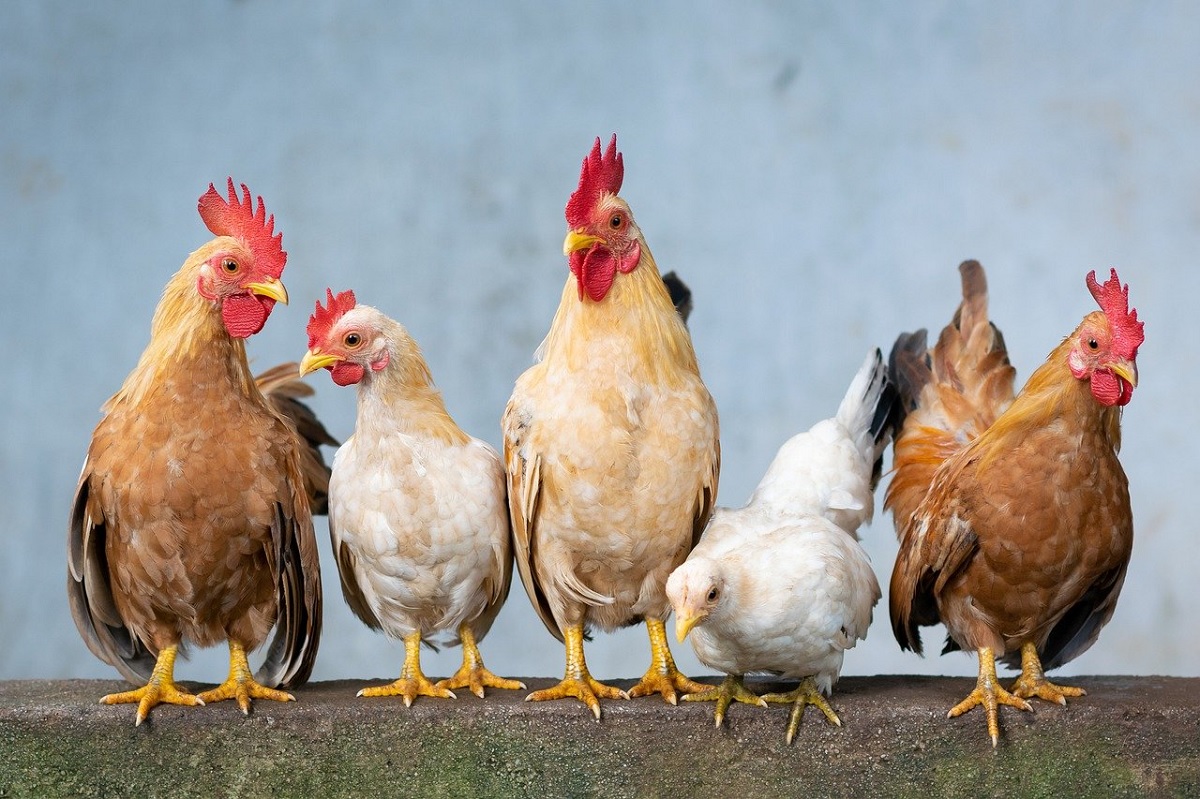
Poultry farming is a vital part of agriculture, providing a steady source of meat, eggs, and income for millions around the world. Understanding the different types of poultry birds is essential for anyone involved in this field, whether you’re a backyard farmer or running a large-scale operation. Each type of poultry bird has its own characteristics, benefits, and purpose—from meat production to egg-laying or even ornamental value.
Some birds are fast growers and preferred for their tender meat, while others are known for high egg yields and adaptability to various climates. Recognizing these differences helps in selecting the right breed for specific goals. The term types of poultry birds includes well-known categories like chickens, ducks, turkeys, geese, and quails, each offering unique contributions to the poultry industry. This guide explores the major types, helping you gain a clear understanding of their roles and how they fit into sustainable and profitable poultry farming.
Major Types of Poultry Birds
Poultry farming includes a wide variety of bird species, each raised for specific purposes such as meat, eggs, or ornamental use. Knowing the major types of poultry birds helps farmers choose the best breed to suit their production needs and environmental conditions. These birds differ in behavior, feed requirements, growth rate, and market demand. While chickens are the most common, there are several other birds that play a significant role in the global poultry industry.
Chickens
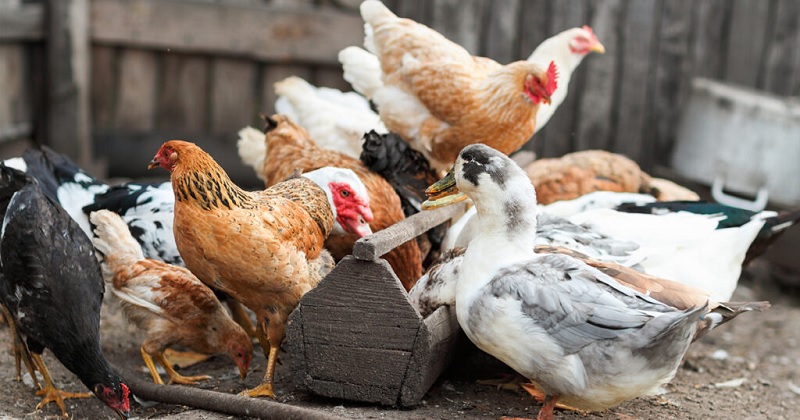
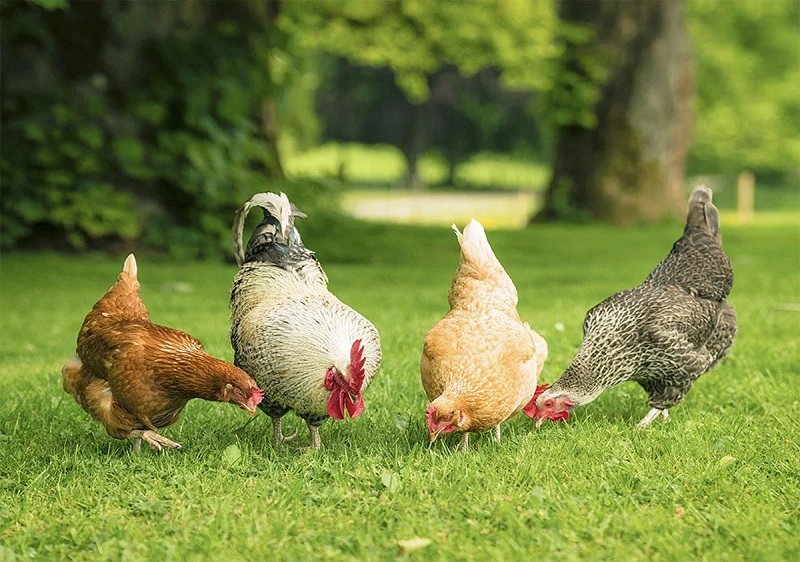
Chickens are the most widely raised poultry birds across the world. They are primarily divided into two categories: broilers and layers. Broilers are fast-growing breeds raised for meat, such as Cornish Cross and Cobb 500. Layers, like the White Leghorn and Rhode Island Red, are excellent egg producers and are commonly used in both commercial and backyard setups. Chickens are known for their adaptability and require relatively simple housing and feed.
Ducks
Ducks are another popular type of poultry bird, raised for both meat and eggs. They are especially valuable in areas with abundant water resources. Common meat-producing duck breeds include the Pekin and Muscovy, while the Khaki Campbell and Indian Runner are famous for their high egg production. Ducks are hardy, resistant to many diseases, and grow quickly, making them a suitable choice for many farmers.
Turkeys
Turkeys are mainly raised for meat and are especially popular during festive seasons like Thanksgiving. The Broad Breasted White is the most common commercial turkey breed due to its rapid growth and large breast size. Turkeys require more space and careful management compared to chickens or ducks. They also have a longer growth period but yield a high quantity of meat, making them economically significant.
Geese
Geese are large, hardy birds often raised for meat, feathers, and sometimes eggs. Breeds like the Embden and Toulouse are popular for their size and meat quality. Geese can graze on pasture, reducing feed costs, and are known for their natural foraging abilities. They are also useful as guard animals due to their alertness and loud calls, providing an additional benefit to small farms.
Quails
Quails are small, fast-growing birds that are mainly raised for eggs and sometimes meat. The Coturnix (Japanese) quail is the most commonly farmed breed due to its rapid maturity and high egg-laying capacity. Quail eggs are popular in gourmet cuisine and health food markets. These birds require less space and feed, making them an excellent option for small-scale or urban farming.
Guinea Fowls
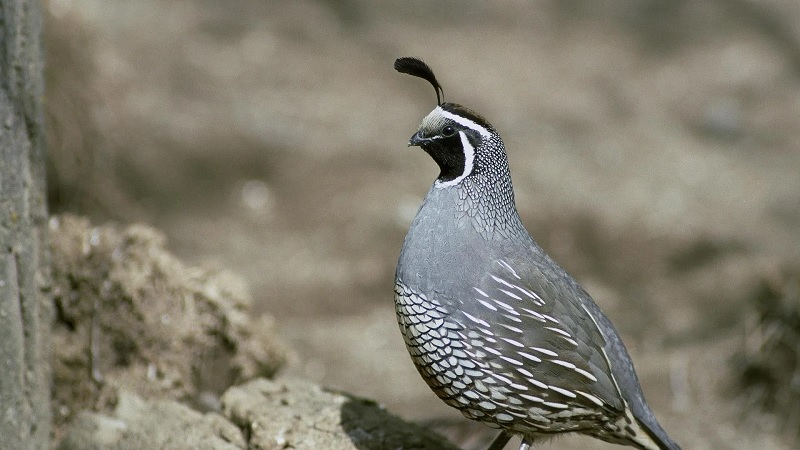
Guinea fowls are hardy birds that thrive in hot climates. They are raised for meat, pest control, and sometimes eggs. Their meat is lean and flavorful, and they are often left to free-range, where they help control ticks and insects. Guinea fowls are also valued for their strong immune system and ability to adapt to different environments.
Pigeons
Pigeons, particularly utility breeds like the King and Carneau, are raised for squab meat. They are low-maintenance birds and can be reared in pairs. Pigeons breed year-round and are known for their strong homing instincts. Though less common than other poultry birds, they have a niche market and can be profitable in the right setting.
Classification Based on Purpose
Poultry birds are commonly classified based on the specific purpose they serve in farming. This practical classification helps farmers select breeds that align with their goals, whether for meat, egg production, dual-purpose use, or ornamental appeal. Each category has unique characteristics and productivity standards that influence management techniques, feeding, and housing. Understanding the classification based on purpose enables efficient farm planning and better yield outcomes.
Meat-Producing Birds
Also known as broilers, these poultry birds are raised specifically for meat production. They grow rapidly and are usually ready for market within 6 to 8 weeks. Common meat-producing chicken breeds include Cornish Cross and Ross 308, known for their large body size and tender meat. Ducks like Pekin and turkeys such as the Broad Breasted White also fall under this category. Meat-producing birds require high-protein diets and well-ventilated housing to ensure fast, healthy growth.
Egg-Laying Birds
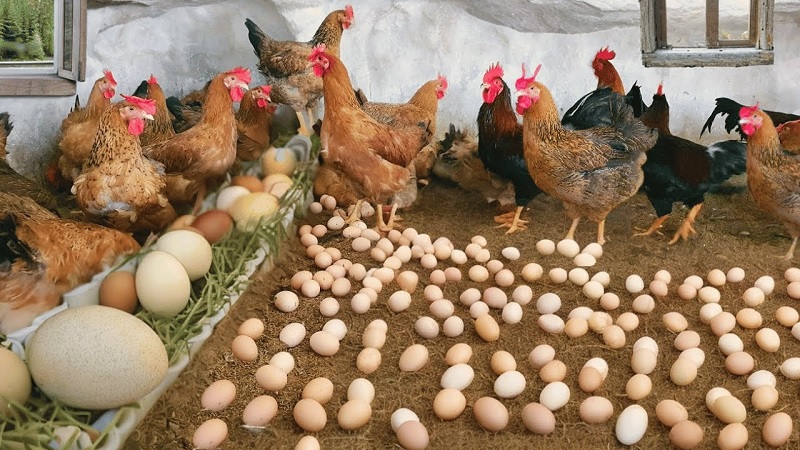
Birds raised for egg production are known as layers. These birds have a longer production lifespan and are selected for their ability to lay a high number of eggs consistently. Popular layer chicken breeds include White Leghorn, ISA Brown, and Rhode Island Red. Ducks like the Indian Runner and Khaki Campbell are also excellent egg layers. Layers require balanced nutrition, calcium-rich feed, and proper lighting to maintain steady egg production throughout the year.
Dual-Purpose Birds
Dual-purpose birds are breeds that are efficient in both egg and meat production. They are ideal for small farms and backyard poultry setups where space and resources are limited. These birds may not grow as fast as broilers or lay as many eggs as layers but offer a practical balance. Common dual-purpose chicken breeds include Plymouth Rock, Sussex, and Orpington. These birds are valued for their hardiness, moderate size, and decent egg-laying capacity, making them versatile and cost-effective.
Ornamental and Pet Birds
Some poultry birds are not raised for food production but are kept for their beauty, unique characteristics, or companionship. Ornamental breeds include chickens like the Silkie, Polish, and Sebright, known for their distinct plumage and colors. Fancy pigeons and some types of geese and ducks also fall under this category. These birds are often showcased in exhibitions, kept in aviaries, or used in educational and breeding programs. Though not commercially productive, they have cultural and aesthetic value.
Choosing the Right Poultry Bird for Farming
Selecting the most suitable poultry bird is a critical decision that directly affects farm productivity, sustainability, and profitability. With so many breeds and species available, making the right choice depends on several factors such as climate, farm size, available resources, and your production goals. Whether you’re focused on meat, eggs, or both, understanding the nature of different birds helps ensure long-term success in poultry farming.
Consider the Purpose
The first step is to define your farming objective—meat, eggs, dual-purpose, or ornamental. For meat production, broiler chickens like Cornish Cross or fast-growing ducks such as Pekin are excellent choices. If egg production is your goal, layers like White Leghorn or Khaki Campbell ducks are more suitable. Dual-purpose breeds like Plymouth Rock or Rhode Island Red offer a balance of both meat and eggs, ideal for small farms.
Evaluate Climate and Environment
Climate plays a vital role in poultry health and performance. Some breeds are more heat-tolerant, while others thrive in cooler regions. Hardy birds like guinea fowls and ducks adapt well to variable climates and are ideal for free-range systems. Chickens, on the other hand, may require more controlled housing in extreme weather conditions.
Consider Space and Resources
The size of your farm and available resources also influence your choice. Birds like quails and pigeons need less space and feed, making them perfect for urban or small-scale setups. Larger birds like turkeys and geese require more room to grow and move freely.
Check Market Demand
Understanding local market demand helps you choose a breed with good commercial value. Research what products are most in demand in your area—eggs, chicken meat, duck meat, or specialty birds—and align your choice accordingly to ensure better returns.
Frequently Asked Questions
What Are the Most Common Types of Poultry Birds Used in Farming?
The most common types of poultry birds used in farming include chickens, ducks, turkeys, geese, quails, guinea fowls, and pigeons. Chickens are the most popular due to their adaptability and dual-purpose use. Ducks are valued for both meat and eggs, while turkeys are mainly raised for meat. Geese offer meat, feathers, and guarding capabilities. Quails are small, fast-growing, and great for eggs. Guinea fowls help with pest control, and pigeons are raised for squab meat or ornamental purposes. Each bird type serves a specific role based on farming goals.
How Do You Choose the Right Poultry Bird for Your Farm?
To choose the right poultry bird for your farm, you need to consider your main purpose—whether it’s meat, eggs, or both. Also, evaluate your local climate, space, resources, and market demand. For example, broiler chickens are best for meat, while layer breeds are ideal for egg production. Dual-purpose breeds work well for small farms. If space is limited, quails or pigeons may be better suited. Matching your goals and conditions with the right bird type ensures better results and profitability.
What Is the Difference Between Broiler and Layer Birds?
Broiler birds are raised specifically for meat production. They grow rapidly and are ready for market within 6 to 8 weeks. Examples include Cornish Cross and Ross 308. Layer birds, on the other hand, are raised to produce eggs and have a longer productive lifespan. Breeds like White Leghorn and Rhode Island Red are popular for laying eggs. Broilers focus on body mass, while layers focus on egg yield, and their nutritional and housing needs also differ.
Are There Poultry Birds That Serve Both Meat and Egg Purposes?
Yes, there are dual-purpose poultry birds that are efficient in both meat and egg production. These birds are ideal for small farms or backyard setups where keeping separate flocks isn’t practical. Breeds like Plymouth Rock, Orpington, and Sussex are well-known dual-purpose chickens. They may not produce meat as quickly as broilers or eggs as frequently as layers, but they offer a balanced return in both areas. This makes them cost-effective and versatile for beginner farmers.
Can You Raise Poultry Birds in Small or Urban Spaces?
Absolutely. Certain poultry birds are well-suited for small or urban spaces. Quails are a great example—they require minimal space, mature quickly, and lay eggs consistently. Pigeons can also be kept in small lofts for meat production. Chickens can be raised in compact coops as long as they have enough ventilation and access to food and water. Choosing the right bird and providing proper care helps you manage a successful poultry setup even with limited space.
What Are the Benefits of Knowing Different Types of Poultry Birds?
Knowing the different types of poultry birds helps you make informed decisions about breed selection, farm management, and marketing. Each type of bird has its own growth rate, production potential, environmental needs, and economic value. Understanding these differences allows you to match the right bird to your farm’s size, climate, and goals. It also helps improve efficiency, reduce losses, and increase overall farm productivity. Whether you’re a beginner or experienced farmer, this knowledge is key to long-term success.
Conclusion
Understanding the types of poultry birds is essential for making informed decisions in farming, whether you’re raising birds for meat, eggs, or both. Each type—chickens, ducks, turkeys, geese, quails, and others—offers unique benefits and requires specific care.
By learning about their classifications based on purpose and choosing the right breed for your environment and goals, you can improve productivity and efficiency on your farm. From small-scale backyard poultry keepers to large commercial producers, knowing the strengths and needs of different poultry birds helps ensure success. With the right planning and breed selection, poultry farming can be both profitable and sustainable for the long term.