
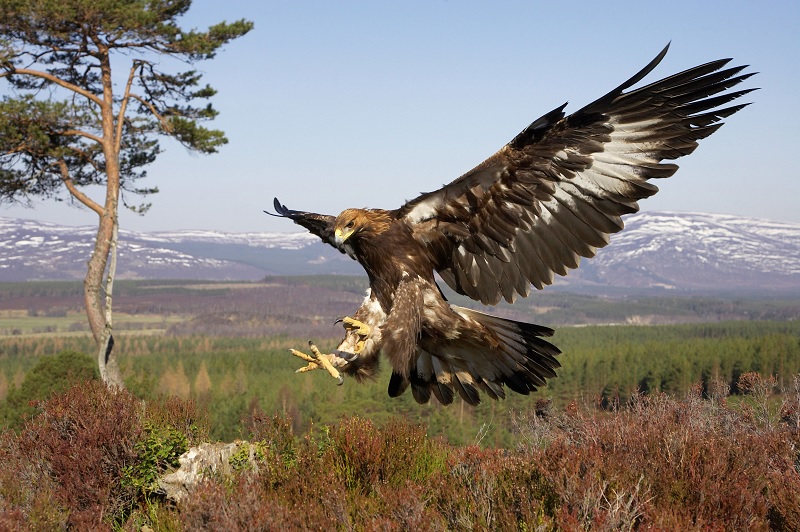
Predatory birds, also known as birds of prey, are among the most skilled and powerful hunters in the avian world. The keyword to understand these incredible creatures is adaptation—each species has evolved specialized traits that make it a master of survival. From sharp talons and hooked beaks to keen eyesight and swift flight, these birds are built for the hunt. Found across every continent, they play a crucial role in maintaining ecological balance by controlling rodent, insect, and small animal populations.
Predatory birds come in various types, each with unique habits and hunting techniques. While some soar high in the sky scanning for prey, others remain perched and strike silently with precision. From the silent owl to the swift falcon and the powerful eagle, every species has a story of strength and survival. This blog explores the different types of predatory birds, their behaviors, and what makes them such fascinating and vital parts of nature.
Classification of Predatory Birds
Predatory birds, also known as raptors, are a fascinating group of birds that rely on keen eyesight, strong talons, and sharp beaks to hunt and feed on other animals. These birds play a vital role in maintaining the balance of ecosystems by controlling populations of small mammals, birds, and insects. They are primarily classified based on their hunting methods, physical traits, and habitats. The main categories include hawks, eagles, falcons, vultures, and owls.
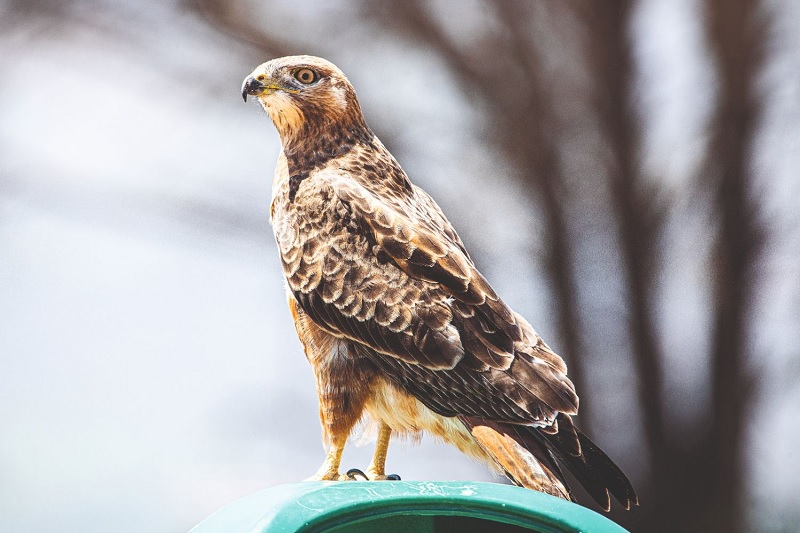
Hawks and Eagles
Hawks and eagles belong to the family Accipitridae. These birds are known for their powerful build, broad wings, and exceptional vision. Hawks, like the Red-tailed Hawk, often soar in wide circles searching for prey. Eagles, such as the Bald Eagle or Golden Eagle, are larger and more robust, capable of taking down bigger animals like fish or rabbits. Both types are diurnal and rely heavily on sight to spot movement from high in the sky.
Falcons
Falcons are part of the Falconidae family. They are generally smaller than hawks and eagles but are incredibly fast and agile. Species like the Peregrine Falcon are known for their breathtaking diving speeds when pursuing prey mid-air. Falcons have narrow, pointed wings and a unique notched beak that helps them quickly dispatch their catch.
Vultures
Vultures are scavengers, feeding mostly on carrion. They can be found in both the Accipitridae (Old World vultures) and Cathartidae (New World vultures) families. While not hunters in the traditional sense, vultures are essential in cleaning up the environment. They have bald heads adapted for hygiene and an excellent sense of smell in some species, such as the Turkey Vulture.
Owls
Owls, belonging to the order Strigiformes, are nocturnal raptors. They hunt mainly at night, using their acute hearing and silent flight to catch unsuspecting prey. With forward-facing eyes and facial disks that help funnel sound, owls like the Barn Owl or Great Horned Owl are expert nighttime hunters.
Birds of Prey – Major Types
Birds of prey are specialized hunters that play a vital role in the natural food chain. They are defined by their exceptional hunting abilities, including strong talons, hooked beaks, and precise eyesight. These birds are found across diverse habitats, from deserts to rainforests, and are divided into several main types beyond the commonly known species. Let’s explore some less commonly highlighted birds of prey.
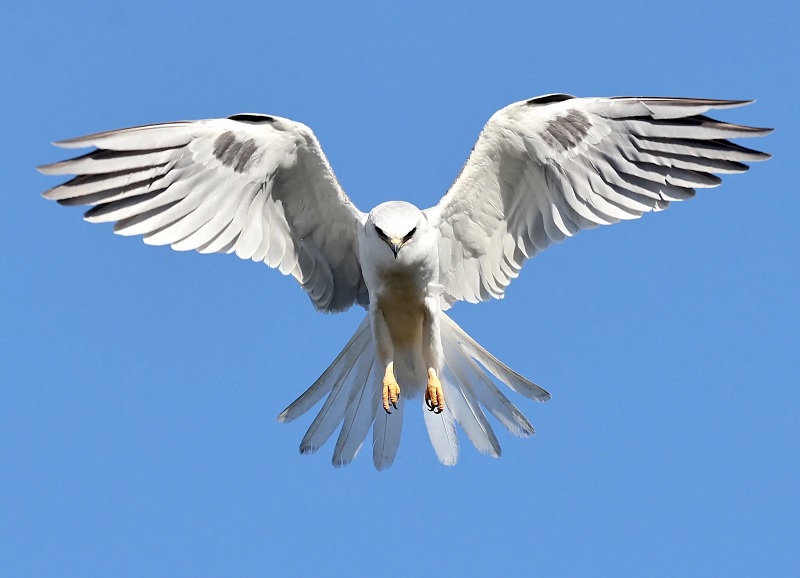
Harriers
Harriers are slim, long-winged raptors often seen gliding low over grasslands and marshes in search of small mammals and birds. The Northern Harrier, with its owl-like facial disk and graceful flight, is a distinct species found in North America.
Kites
Kites are elegant fliers, typically feeding on insects and small vertebrates. The Black Kite is widely distributed across Europe, Asia, and Australia and is known for its scavenging behavior around urban and rural areas.
Caracaras
Found primarily in Central and South America, caracaras are unusual raptors that often combine scavenging with opportunistic hunting. The Crested Caracara is notable for walking on the ground more than flying, feeding on carrion, reptiles, and insects.
Serpent Eagles
These raptors specialize in hunting snakes and reptiles. The Crested Serpent Eagle is a striking bird found in parts of Asia, often seen perched quietly before striking its prey with lightning speed.
Secretary Birds
Native to sub-Saharan Africa, the Secretary Bird is a unique bird of prey that hunts on foot. It has long legs and a crane-like appearance, using powerful kicks to subdue snakes and other ground prey.
Unique Hunting Techniques
Birds of prey have evolved remarkable hunting techniques that showcase their adaptability and specialized skills. These methods vary widely depending on the species, their physical traits, and the type of prey they target. Understanding these unique strategies offers insight into how these birds have become such effective predators.
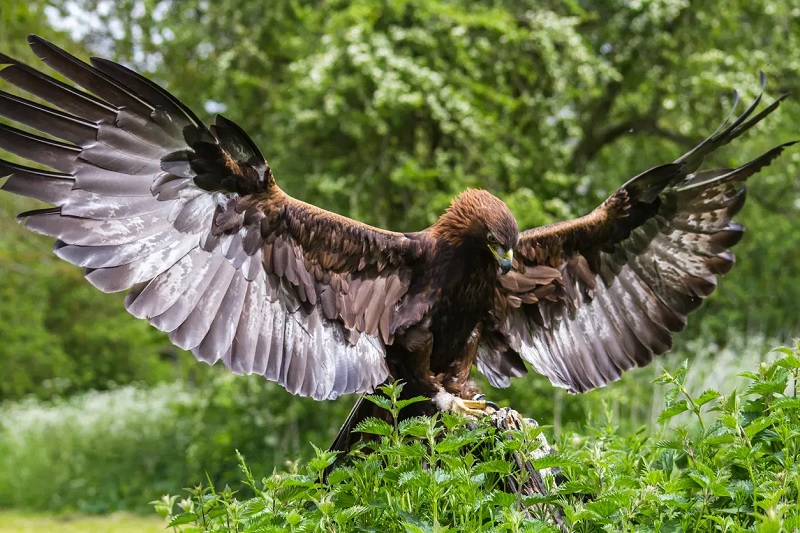
Soaring and Spotting from Above
Many raptors, such as eagles and hawks, use soaring flight as a primary hunting technique. They glide high in the sky, using their sharp vision to scan the ground for movement. Once prey is spotted, they execute a swift, powerful dive to capture it. This technique requires excellent eyesight and precision timing, allowing birds like the Golden Eagle to snatch rabbits or even young deer.
Ambush Hunting
Some birds of prey rely on stealth and surprise to catch their prey. Owls, for example, use their silent flight to approach animals undetected at night. Their soft feathers muffle sound, and their keen hearing helps them locate prey hidden in darkness. Barn Owls often hover silently before pouncing on rodents, making ambush an effective nighttime strategy.
Foot Pouncing and Running
The Secretary Bird, native to Africa, employs a hunting method quite different from most raptors. Instead of flying high, it hunts primarily on foot, stomping the ground with powerful kicks to stun or kill snakes and other prey. This terrestrial hunting style is highly specialized and enables it to tackle dangerous reptiles safely.
Mid-air Pursuit and High-Speed Dives
Falcons are masters of speed and aerial agility. The Peregrine Falcon uses high-speed stoops—diving from great heights at over 200 mph—to strike birds mid-flight. This rapid dive allows them to surprise and incapacitate fast-moving prey, making them one of the most efficient aerial hunters.
Cooperative Hunting
Some species, like Harris’s Hawks, hunt in groups. This cooperative strategy allows them to flush out prey or corner animals that might be too fast or strong for a single bird. Working as a team increases their hunting success and showcases complex social behavior among raptors.
Conservation Status of Predatory Birds
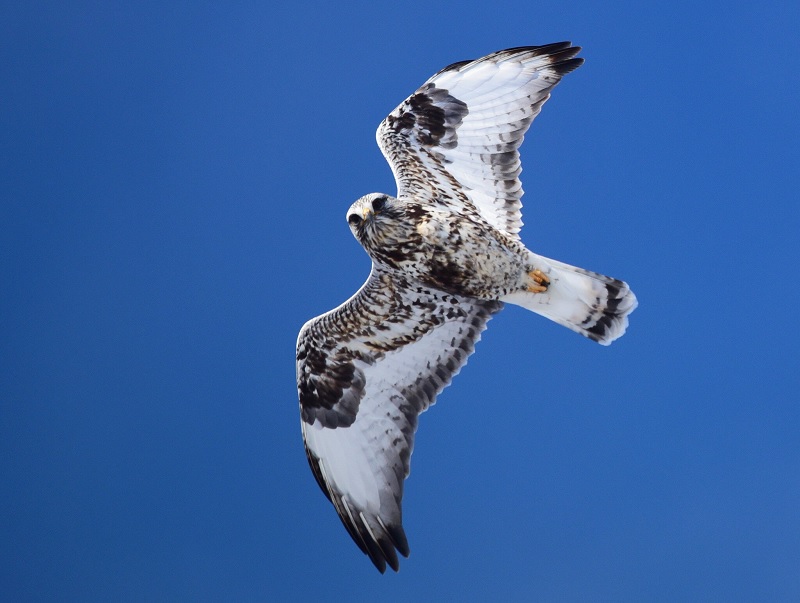
Predatory birds play a critical role in maintaining healthy ecosystems, but many species face significant threats that have led to declining populations worldwide. Their conservation status varies greatly depending on habitat loss, human activities, and environmental changes. Monitoring and protecting these birds is essential to preserve biodiversity.
Threats to Predatory Birds
Habitat destruction is one of the primary threats to birds of prey. Urban expansion, deforestation, and agricultural development reduce the availability of suitable nesting and hunting grounds. Additionally, pollution, such as pesticides and heavy metals, can poison birds directly or indirectly through their prey. Illegal hunting and trapping also contribute to population declines in some regions.
Endangered and Vulnerable Species
Several predatory birds are currently classified as endangered or vulnerable by the International Union for Conservation of Nature (IUCN). The Philippine Eagle, for example, is critically endangered due to extensive logging in its forest habitat. Similarly, the California Condor has faced near extinction, though conservation efforts have helped increase its numbers in recent years.
Conservation Efforts and Success Stories
Conservation programs worldwide focus on habitat protection, legal enforcement, captive breeding, and public education. Efforts such as banning harmful pesticides like DDT have helped recover populations of species like the Bald Eagle. Reintroduction projects and protected reserves offer safe environments for many raptors to thrive once again.
The Role of Legislation and Awareness
Laws protecting predatory birds from hunting and trade have been crucial in their conservation. International agreements like CITES regulate the movement of endangered species to prevent exploitation. Raising awareness about the ecological importance of raptors encourages community support and responsible coexistence.
Frequently Asked Questions
What Are Predatory Birds?
Predatory birds, also known as raptors, are birds that hunt and feed on other animals. They have sharp talons, strong beaks, and keen eyesight to catch and kill their prey.
What Are the Main Types of Predatory Birds?
The main types include eagles, hawks, falcons, owls, vultures, kites, harriers, and caracaras. Each type has unique hunting styles and habitats.
How Do Falcons Differ from Hawks?
Falcons are generally smaller and built for speed and agility, often diving at high speeds to catch prey mid-air. Hawks tend to have broader wings and rely on soaring and ambush hunting.
Are Owls Considered Predatory Birds?
Yes, owls are nocturnal birds of prey. They hunt mostly at night using silent flight and excellent hearing to catch rodents, insects, and small birds.
What Role Do Vultures Play Among Predatory Birds?
Unlike active hunters, vultures are scavengers. They feed mainly on carrion and help clean up dead animals, preventing disease spread in ecosystems.
Can Predatory Birds Hunt Cooperatively?
Yes, some species like Harris’s Hawks hunt in groups to increase their chances of capturing prey by working together to flush or corner animals.
Conclusion
Predatory birds are a diverse group of skilled hunters, each with unique traits and hunting methods that suit their environments. From the soaring strength of eagles and hawks to the high-speed dives of falcons and the silent, nocturnal hunting of owls, these birds play vital roles in ecosystems. They help control prey populations and maintain balance in the food chain.
Additionally, species like vultures contribute by cleaning up carrion, preventing disease spread. Understanding the different types of predatory birds reveals their ecological importance and the variety of ways they survive and thrive. Protecting these birds and their habitats is crucial for preserving biodiversity and the health of natural ecosystems worldwide.