
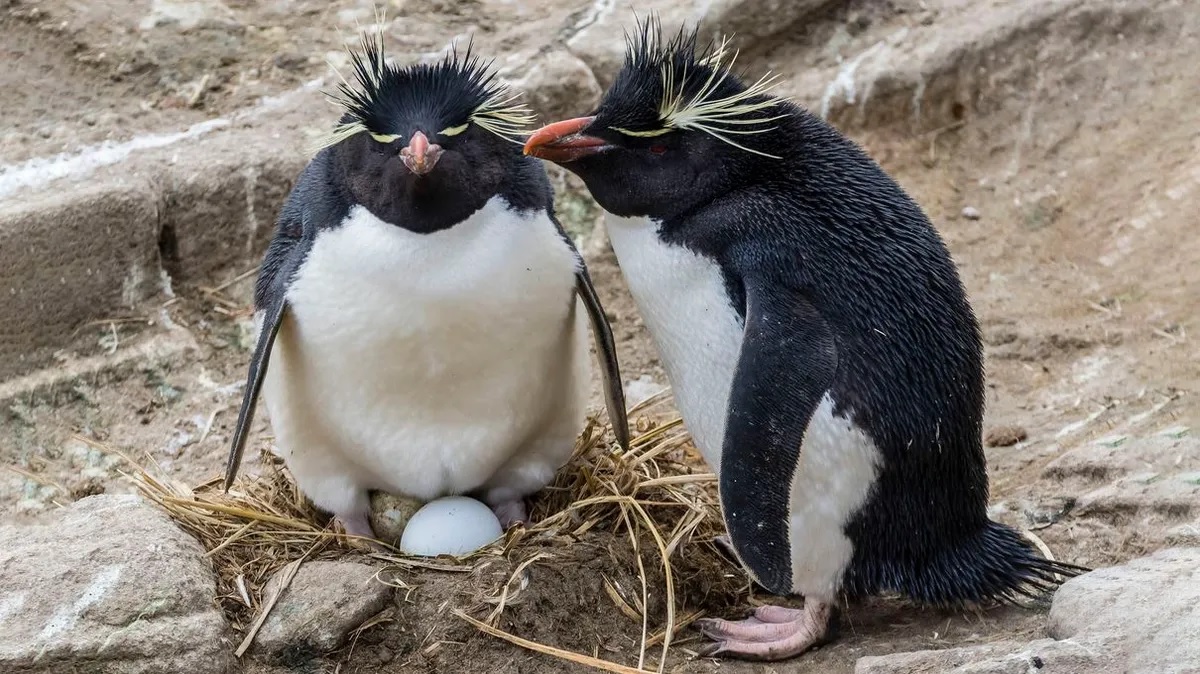
When we think about animals that lay eggs, birds usually come to mind first. However, there are many creatures beyond birds that also lay eggs. If you’re wondering what animal lays eggs and is not a bird, the answer spans a fascinating variety of species from different animal groups. Reptiles like turtles and snakes, amphibians such as frogs, and even some mammals like the platypus all lay eggs, despite not being birds.
Understanding which animals fall into this category broadens our perspective on reproduction in the animal kingdom. These egg-laying animals have unique adaptations and behaviors that help their offspring survive outside the mother’s body. Exploring what animal lays eggs and is not a bird reveals the incredible diversity of life and the different strategies nature has developed for continuing species across millions of years. This topic invites us to look beyond the usual bird examples and appreciate the wider world of egg-laying creatures.
Overview of Egg-Laying Animals
Egg-laying animals are a diverse group that reproduce by laying eggs, from which their young hatch outside the mother’s body. This reproductive strategy, known as oviparity, is common across many animal classes, including reptiles, amphibians, fish, insects, and even some mammals. While birds are the most familiar egg layers to most people, many other fascinating species also use this method to bring new life into the world.

Definition of Egg-Laying Animals
Egg-laying animals, scientifically called oviparous animals, reproduce by depositing eggs that contain embryos. These embryos develop and grow inside the egg until they are ready to hatch. The eggs provide protection and nourishment, often in the form of yolk, supporting the developing young. Unlike mammals that typically give birth to live young, egg-laying animals rely on external environments, such as nests, water, or soil, to incubate their eggs.
Egg-laying is an evolutionary strategy that offers several advantages. It allows animals to lay multiple eggs at once, increasing the chances that some offspring survive even in risky environments. The eggs can be left in safe places, freeing the parents from carrying developing young internally for long periods. This reproductive method is seen in a broad range of species, each adapting their eggs and incubation techniques to suit their habitat and lifestyle.
Difference Between Birds and Other Egg-Laying Animals
While birds are the most well-known egg layers, other animals lay eggs too, and there are important differences between them. Bird eggs typically have hard, calcium-rich shells, which provide sturdy protection and prevent water loss. Birds invest a lot of energy in building nests and often incubate their eggs through body heat, showing significant parental care.
In contrast, many reptiles and amphibians lay eggs with softer, leathery shells or even gelatinous coatings, which are more flexible and better suited for moist or aquatic environments. For example, frogs lay eggs in water, where the developing embryos are protected by jelly-like substances. Reptiles like snakes and turtles lay eggs in nests or buried in soil, relying more on environmental warmth than body heat for incubation.
Another key difference is in parental involvement. Many non-bird egg layers exhibit little to no parental care after laying eggs, leaving the eggs to develop independently. Insects like butterflies and many fish also lay eggs but have completely different egg structures and development processes compared to birds.
Mammals That Lay Eggs
When we think of mammals, we usually picture animals that give birth to live young and nurse them with milk. However, there is a unique group of mammals that breaks this mold—they lay eggs. These fascinating creatures belong to a small and ancient group called monotremes. Unlike most mammals, monotremes reproduce by laying eggs rather than giving birth to live offspring.
Monotremes
Monotremes are the only mammals known to lay eggs, and they represent some of the most primitive characteristics found in the mammalian lineage. The name “monotreme” means “single opening,” referring to the fact that these animals have one common exit for their digestive, urinary, and reproductive tracts, unlike other mammals. Despite their egg-laying ability, monotremes are true mammals—they produce milk and have fur.
There are only five living species of monotremes, all native to Australia and New Guinea. They include the platypus and four species of echidnas. These animals provide an intriguing glimpse into early mammalian evolution, blending reptilian and mammalian traits in a way no other creatures do.
Platypus
The platypus is perhaps the most famous monotreme and one of the most unusual animals in the world. It has a duck-like bill, webbed feet, and a beaver-like tail, making it look like a mix of several different animals. The female platypus lays eggs in a burrow and incubates them by curling her body around them. After about ten days, the eggs hatch into tiny, vulnerable babies called puggles.
What makes the platypus especially remarkable is that it produces milk but has no nipples; instead, milk is secreted through pores in the skin and pools on special grooved areas for the babies to lap up. This unique reproductive strategy highlights how monotremes blend traits from different evolutionary paths.
Echidnas
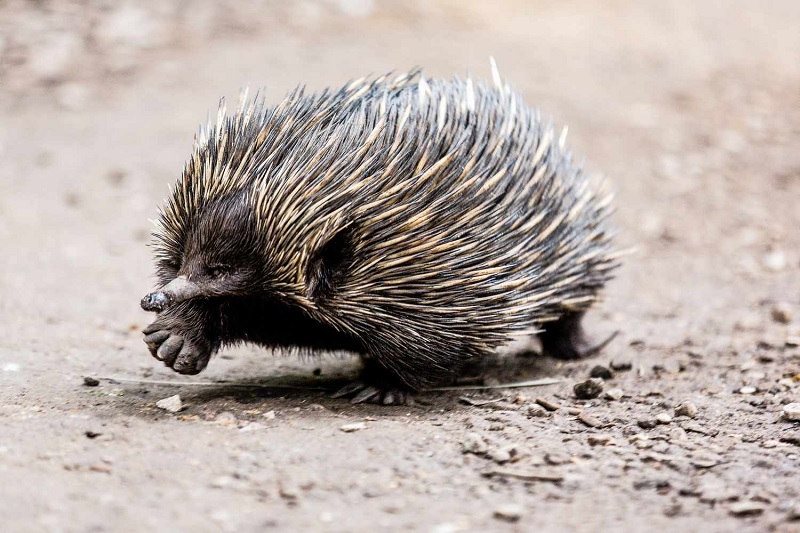
Echidnas, sometimes called spiny anteaters, are the other egg-laying mammals. These small, spiny creatures resemble hedgehogs or porcupines but are unrelated to either. Female echidnas lay a single leathery egg and place it in a pouch on their abdomen, where it incubates for about ten days. Once the egg hatches, the tiny echidna baby continues to develop in the pouch, feeding on its mother’s milk.
Echidnas are excellent diggers, using their strong claws to burrow and find ants and termites, their main food source. Their combination of egg-laying reproduction and specialized lifestyle makes echidnas a fascinating study in mammalian diversity.
Reptiles That Lay Eggs
Reptiles are one of the most diverse groups of egg-laying animals, with many species across different families relying on eggs to reproduce. Unlike mammals, most reptiles lay eggs that develop outside their bodies, often in carefully chosen environments that provide warmth and protection. These eggs are usually covered by leathery or hard shells, depending on the species, which help shield the developing embryos. Let’s explore some of the most well-known reptiles that lay eggs: turtles, crocodiles and alligators, lizards, and snakes.
Turtles
Turtles are perhaps the most recognizable egg-laying reptiles. They usually come ashore or seek sandy banks to dig nests where they deposit their eggs. The number of eggs in a turtle clutch can vary widely, from just a few to over a hundred, depending on the species. After laying, the mother covers the eggs with sand or soil to protect them from predators and temperature extremes.
Turtle eggs have a leathery shell that is flexible but still durable enough to shield the embryos. One fascinating aspect of turtle reproduction is temperature-dependent sex determination: the temperature at which eggs incubate influences whether the hatchlings will be male or female. This means the environment plays a critical role in the population balance of turtles.
Crocodiles and Alligators
Crocodiles and alligators are large, powerful reptiles that also lay eggs. They typically build nests from vegetation or dig holes in sandy or muddy banks to lay their eggs. Both crocodiles and alligators are known for their attentive parental care. Mothers fiercely guard their nests from predators and even help hatchlings reach the water once they emerge from their eggs.
Their eggs have a hard, protective shell, similar to birds but often thicker. The incubation period for crocodilians can last several weeks, during which the mother’s presence and environmental conditions are crucial to the survival of the young.
Lizards
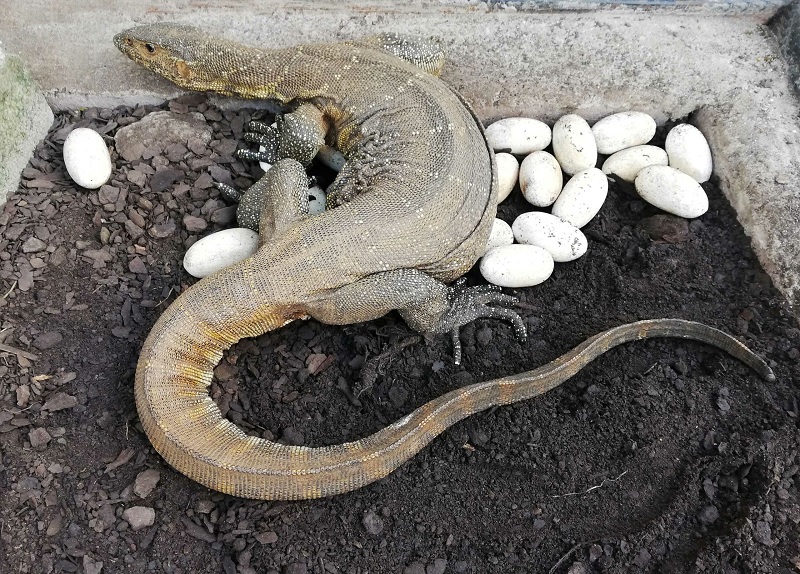
Lizards exhibit a wide range of egg-laying behaviors. Many species lay soft-shelled eggs in hidden places like under rocks, in leaf litter, or buried in soil. The number of eggs per clutch varies greatly among species, with some lizards laying just one or two eggs while others lay dozens.
Some lizards, such as geckos, have evolved special adaptations for egg-laying, including sticky eggs that adhere to surfaces, providing extra security. Most lizards do not provide parental care once the eggs are laid, so the eggs rely on camouflage and environmental conditions to survive.
Snakes
Most snakes are oviparous, meaning they lay eggs, though some species give birth to live young. Snakes typically find warm, concealed locations like under logs, in burrows, or compost heaps to lay their eggs. The eggs have soft, leathery shells, which allow for some flexibility and moisture exchange.
Some snake species coil around their eggs to protect and incubate them through body heat, demonstrating a surprising level of parental investment. The incubation period can range from several weeks to a few months, depending on the species and environmental conditions.
Amphibians That Lay Eggs
Amphibians are a unique group of animals that typically spend part of their lives in water and part on land. One of their key characteristics is their reproductive cycle, which involves laying eggs that usually develop in aquatic environments. Amphibians are oviparous, meaning they lay eggs that hatch outside the mother’s body. Among the most familiar amphibians that lay eggs are frogs and salamanders, each with fascinating adaptations for survival.
Frogs
Frogs are perhaps the most well-known amphibians when it comes to egg-laying. They usually lay their eggs in water, often in ponds, lakes, or slow-moving streams. Frog eggs are surrounded by a jelly-like substance that protects them from predators and keeps them moist. This jelly also helps attach the eggs to underwater plants or other surfaces.
Depending on the species, a female frog can lay hundreds to thousands of eggs at once. These eggs hatch into tadpoles, which are aquatic larvae that breathe through gills and later undergo a dramatic transformation, or metamorphosis, into adult frogs capable of living on land. This remarkable life cycle demonstrates how frogs are adapted to both aquatic and terrestrial environments.
Frog egg-laying habits vary widely; some species lay eggs in large clusters floating on the water’s surface, while others deposit them in hidden spots, like under leaves or in foam nests. This diversity helps ensure that at least some offspring survive despite predators and environmental challenges.
Salamanders
Salamanders, another important group of amphibians, also lay eggs, usually in water or moist environments. Unlike frogs, salamander eggs are often laid individually or in small clusters attached to underwater plants, rocks, or debris. Their eggs have a gelatinous coating that protects them but is generally less bulky than frog egg masses.
Salamander eggs develop into larvae that closely resemble miniature adult salamanders, complete with external gills for underwater breathing. These larvae gradually grow and develop limbs, lungs, and other adult features as they transition from aquatic to terrestrial life.
Some salamanders, like the axolotl, retain their larval form throughout their lives, a phenomenon known as neoteny, but most undergo metamorphosis. In addition to water-based egg laying, some salamander species lay eggs on land in moist, protected locations, demonstrating adaptability to different environments.
Fish That Lay Eggs
Fish are among the most diverse groups of animals on Earth, with thousands of species inhabiting a wide range of aquatic environments. A large portion of fish reproduce by laying eggs, making them an important category of egg-laying animals. Fish that lay eggs can be broadly divided into two groups based on their skeletal structure: bony fish and cartilaginous fish. Both groups have unique reproductive strategies that reflect their evolutionary adaptations and ecological niches.
Bony Fish
Bony fish, or osteichthyans, make up the majority of fish species and are characterized by their rigid skeletons made of bone. Most bony fish are oviparous, meaning they lay eggs that develop and hatch outside the mother’s body. These eggs are often released into the water in large numbers, sometimes reaching thousands at once.
The eggs of bony fish are typically small and covered with a protective jelly-like coating that helps keep them safe from predators and fungal infections. Depending on the species, bony fish may scatter their eggs across open water, attach them to plants or rocks, or even build nests to protect them. For example, salmon swim upstream to carefully deposit their eggs in gravel nests called redds, where the current provides oxygen and protection.
Parental care among bony fish varies widely. Some species, like cichlids and certain catfish, guard their eggs and young fiercely, while others abandon their eggs immediately after laying. This diversity in reproductive behavior reflects adaptations to different environments and survival strategies.
Cartilaginous Fish
Cartilaginous fish, which include sharks, rays, and skates, have skeletons made of cartilage rather than bone. While many sharks give birth to live young, some cartilaginous fish species reproduce by laying eggs. These eggs are often enclosed in tough, leathery cases commonly called “mermaid’s purses.”
The egg cases protect the developing embryos and are usually attached to underwater structures like seaweed, coral, or rocks. Inside the egg case, the embryo feeds on a yolk sac until it is ready to hatch. These egg cases vary in size and shape depending on the species, making them easily identifiable on beaches where they sometimes wash ashore.
Unlike many bony fish, cartilaginous fish that lay eggs often provide little to no parental care after laying. The embryos develop independently until they hatch fully formed and capable of survival.
Invertebrates That Lay Eggs
Invertebrates, animals without a backbone, represent the largest and most diverse group in the animal kingdom. Many of these creatures reproduce by laying eggs, showcasing an incredible variety of reproductive strategies and adaptations. Among the most notable egg-laying invertebrates are insects, arachnids, and mollusks. Each of these groups has evolved unique ways to ensure the survival of their offspring through egg-laying.
Insects
Insects are the most numerous and varied invertebrates on Earth, and most reproduce by laying eggs. Depending on the species, an insect can lay just a few eggs or thousands at a time. Insects have developed a wide range of egg-laying behaviors to protect their young.
For example, butterflies and moths often lay their eggs on the leaves of plants that will serve as food for their larvae after hatching. Some insects, like certain ants and bees, live in colonies where eggs are carefully cared for by workers. Others, such as grasshoppers and crickets, lay eggs in soil or plant stems, where they are hidden from predators.
Insect eggs vary greatly in shape, size, and texture. Some have hard protective shells, while others are soft and gelatinous. This diversity reflects the wide range of environments insects inhabit and their various survival strategies.
Arachnids
Arachnids, which include spiders, scorpions, and ticks, also lay eggs but have different reproductive behaviors compared to insects. Most spiders produce silk egg sacs to enclose and protect their eggs. These sacs can be attached to leaves, hidden under rocks, or carried by the mother in some species, providing added safety.
Scorpions lay fewer eggs than many insects and usually give birth to live young, but their early development still involves egg-laying stages in the wild. Ticks lay eggs in protected environments like soil or leaf litter, where the larvae can hatch and find hosts to feed on.
The protective egg sacs and careful placement of eggs help arachnids maximize the chances that their offspring survive in often harsh environments.
Mollusks
Mollusks, including snails, clams, and octopuses, are another diverse group of invertebrates that lay eggs. Snails often lay clusters of gelatinous eggs in moist soil or under leaves, protecting them from drying out. Clams and other bivalves release eggs and sperm into the water for external fertilization, with eggs developing as free-swimming larvae.
Octopuses are known for their remarkable parental care. A female octopus lays thousands of eggs and guards them diligently in her den, continuously aerating them until they hatch. During this period, the mother typically does not eat, showing an extraordinary commitment to her offspring.
Unique Adaptations in Non-Bird Egg-Laying Animals
Egg-laying animals beyond birds have evolved a fascinating array of adaptations to protect their eggs and ensure successful development. Since these animals do not rely on the constant warmth of a parent’s body like most birds, they have developed creative ways to shield their eggs from predators, harsh environmental conditions, and other threats. Two key areas where these adaptations stand out are egg protection mechanisms and incubation strategies.
Egg Protection Mechanisms
Non-bird egg-laying animals use a variety of physical and behavioral tactics to safeguard their eggs. One common adaptation is the development of specialized egg coverings. For example, many reptiles such as turtles and snakes lay eggs with leathery or tough shells that provide physical protection while allowing gas exchange. Cartilaginous fish like sharks lay eggs inside durable, leathery cases often called “mermaid’s purses,” which help anchor the eggs to underwater vegetation and protect them from damage.
Invertebrates have evolved unique egg protection strategies as well. Spiders create silk egg sacs to enclose their eggs, shielding them from predators and environmental hazards. Some insects lay their eggs inside plant tissue or other concealed places to avoid detection. Amphibians like frogs produce jelly-coated eggs that retain moisture and create a slippery barrier against potential predators.
Beyond physical protection, some species use behavioral strategies. For example, crocodiles guard their nests aggressively, while octopus mothers vigilantly tend their eggs until hatching. These behaviors significantly increase the eggs’ chances of survival in the wild.
Incubation Strategies
Incubation—the process of keeping eggs at the right temperature and conditions for development—is another area where non-bird egg-laying animals show remarkable diversity. Unlike birds, which typically use body heat to incubate eggs, many reptiles rely on the environment to provide warmth. For instance, sea turtles bury their eggs in warm sand, where the natural heat incubates the developing embryos. Interestingly, the temperature of the nest can even determine the sex of the hatchlings in some turtle species, a phenomenon called temperature-dependent sex determination.
Amphibians usually lay eggs in water or moist environments, where the surrounding temperature and humidity are crucial for successful development. Some frogs lay their eggs in foam nests or attach them to leaves above water, offering protection while keeping them moist.
Certain reptiles, like some snakes and pythons, exhibit a unique incubation behavior called “shivering thermogenesis,” where the female coils around her eggs and vibrates muscles to generate heat, helping regulate temperature in cooler climates.
Frequently Asked Questions
What Animal Lays Eggs And Is Not A Bird?
If you’re curious about animals that lay eggs but aren’t birds, you’ll find many fascinating examples across different animal groups. Reptiles like turtles, snakes, and lizards lay eggs, often burying them in soil or sand. Amphibians such as frogs and salamanders also lay eggs, usually in water or moist environments. Additionally, some mammals called monotremes, like the platypus and echidnas, uniquely lay eggs despite being mammals. Even certain fish and invertebrates reproduce by laying eggs. These animals have evolved a variety of egg types and nesting behaviors suited to their environments, showing how diverse egg-laying is beyond just birds.
How Do Reptiles Protect Their Eggs?
Reptiles have developed several ways to protect their eggs from predators and harsh environmental conditions. Many reptiles, such as turtles and snakes, lay eggs with tough, leathery shells that shield the developing embryos. They often bury these eggs underground or in sand, helping to conceal them from threats and regulate temperature and moisture. Some reptiles, like crocodiles and alligators, go further by guarding their nests actively and sometimes even assisting hatchlings to reach water. These protective behaviors improve the chances that the eggs survive until hatching.
Are There Mammals That Lay Eggs?
Yes, there are mammals that lay eggs, but they are very rare and belong to a special group called monotremes. The most well-known monotremes are the platypus and echidnas. Unlike most mammals that give birth to live young, these unique animals lay eggs with leathery shells. After laying, the mother incubates the eggs by keeping them warm and, once hatched, nurses the babies with milk. This reproductive strategy combines traits from both reptiles and mammals, making monotremes a remarkable example of evolutionary diversity.
What Kind Of Eggs Do Amphibians Lay?
Amphibians typically lay soft, gelatinous eggs, which are quite different from the hard shells of bird eggs. Frog eggs, for example, are surrounded by a jelly-like coating that protects them and keeps them moist, usually laid in water or damp environments. Salamanders lay similar eggs but often attach them individually to plants or underwater surfaces. These jelly coatings help prevent the eggs from drying out and offer some protection against predators and fungal infections. Amphibian eggs rely heavily on their moist surroundings for successful development.
How Do Fish Lay Eggs And Care For Them?
Many fish reproduce by laying eggs, but their methods vary greatly. Bony fish often release large numbers of eggs into the water, either scattering them freely or attaching them to plants and rocks. Some species build nests and guard their eggs closely, like certain cichlids. Cartilaginous fish such as sharks and rays lay eggs enclosed in tough, leathery cases called “mermaid’s purses” that protect the embryos until they hatch. While some fish provide parental care by guarding or aerating the eggs, others leave the eggs to develop independently, relying on sheer numbers to ensure enough hatchlings survive.
Final Words
Many animals lay eggs and are not birds, showcasing the incredible diversity of life on Earth. From reptiles like turtles and snakes to amphibians such as frogs and salamanders, egg-laying is a common reproductive strategy beyond the avian world. Even some mammals, like the unique monotremes—the platypus and echidnas—lay eggs, challenging our typical understanding of mammalian reproduction.
Fish and various invertebrates also contribute to this fascinating group of egg layers. Each of these animals has evolved special adaptations to protect and incubate their eggs, ensuring the survival of their young in different environments. Understanding these diverse egg-laying animals deepens our appreciation for nature’s complexity and the many ways life continues to thrive.