

Wondering what are baby birds called? It’s a simple question but one that sparks curiosity for many people. Baby birds go through different stages of growth, and their names change depending on how old they are and their species. Generally, a newly hatched bird is called a chick, but some species have unique names for their young ones.
Understanding these terms not only helps you talk about birds more accurately but also deepens your appreciation for the fascinating life cycle of these creatures. Whether you’re a birdwatcher, a student, or just curious, learning what baby birds are called gives you insight into the natural world and the care these tiny animals need in their early days. In this introduction, you’ll discover clear and easy-to-understand answers about what baby birds are called and why these names matter.
Common Terms for Baby Birds
When learning about birds, it’s helpful to know the common terms used to describe their young at different stages of development. These terms give a clearer picture of a baby bird’s growth and what to expect during each phase. The three main terms you’ll often hear are hatchlings, nestlings, and fledglings. Each describes a distinct stage in the life of a baby bird.
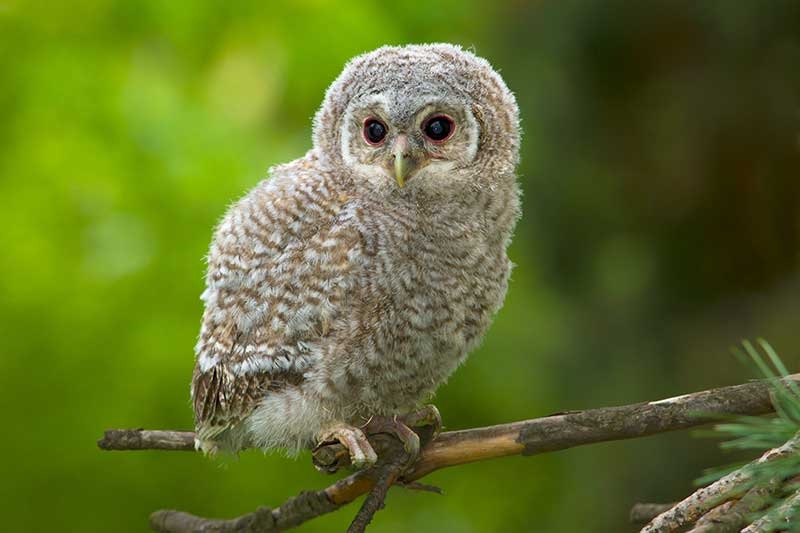
Hatchlings
Hatchlings are baby birds that have just emerged from their eggs. At this stage, they are usually very small, fragile, and often completely helpless. Hatchlings typically have little to no feathers and are unable to regulate their body temperature, which is why they rely heavily on their parents for warmth and food.
Because of their vulnerability, hatchlings usually remain in the nest, where their parents constantly care for them by feeding and protecting them from predators. This is the earliest stage of a baby bird’s life and is crucial for survival, as they need proper nourishment and shelter to grow strong.
Nestlings
Once hatchlings begin to grow feathers and become more active, they are called nestlings. Nestlings still depend on their parents for food and protection, but they are more developed than hatchlings. At this stage, baby birds can often open their eyes and show more movement, sometimes even stretching their wings. However, they are still not ready to leave the nest. The term “nestling” highlights their close connection to the nest as they continue to develop and prepare for the next phase in life. Parents keep feeding them regularly, helping them gain strength and learn basic survival skills.
Fledglings
The term fledglings refers to young birds that have grown enough feathers and strength to leave the nest but are not yet fully independent. Fledglings are in the transitional phase between being nest-bound and learning to fly. They may be seen hopping around near the nest or making short flights while still relying on their parents for food and guidance. This stage is vital for building confidence and practicing flying skills. Fledglings are often vulnerable to predators as they navigate this new level of freedom. Over time, as fledglings improve their flying and foraging abilities, they gradually become more independent and ready to survive on their own.
Different Names Based on Bird Species
When exploring the world of birds, it’s interesting to learn that baby birds don’t always share the same name. Different species have unique terms that reflect their distinct characteristics and histories. Knowing these specific names helps you identify and talk about baby birds more accurately. Here’s a closer look at some common bird species and the names their young go by.
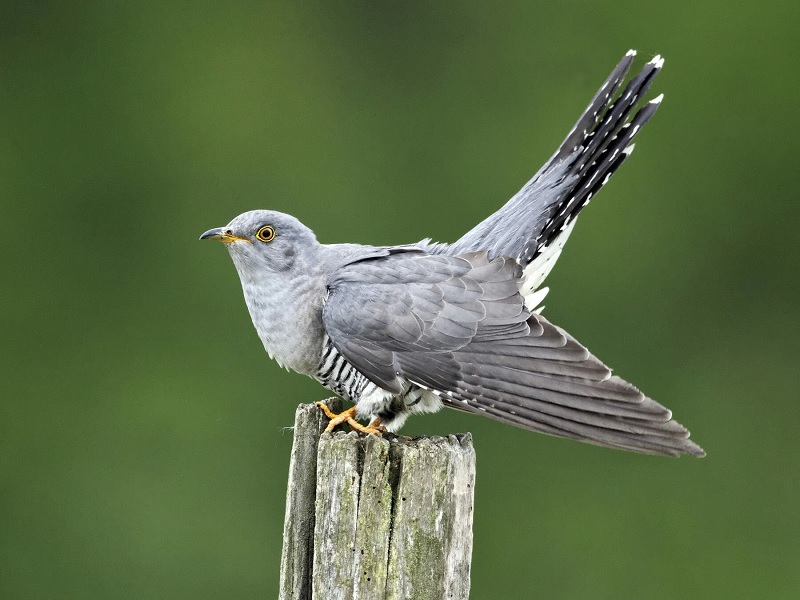
Baby Chickens – Chicks
The term chick is most commonly associated with baby chickens. When a chicken egg hatches, the tiny bird that emerges is called a chick. Chicks are covered in soft down feathers and rely entirely on their mother or a caretaker for warmth and food. This term is widely recognized and often used more generally for baby birds, but specifically, it applies to young chickens. As chicks grow, they develop their adult feathers and begin exploring their environment, but “chick” remains the standard name until they mature further.
Baby Ducks – Ducklings
For baby ducks, the term duckling is used. Ducklings are known for their adorable fluffy yellow feathers, although some species may have different colors. From the moment they hatch, ducklings are surprisingly active and can swim shortly after birth, thanks to their waterproof down feathers.
Their parents are usually very protective, leading their young to food and teaching them survival skills. The name “duckling” perfectly captures the youthful and playful nature of these birds during their early life.
Baby Geese – Goslings
Young geese are called goslings. Goslings typically hatch with soft, fluffy feathers and quickly bond with their parents and siblings. These baby geese are often seen following their parents in neat lines, learning how to forage and stay safe.
The word “gosling” comes from older English origins and is unique to geese. As they grow, goslings gradually replace their down with stronger feathers, preparing for flight and independence. Watching goslings in nature provides a glimpse into the nurturing behavior of geese families.
Baby Swans – Cygnets
Swans have a special name for their young: cygnets. These baby swans hatch covered in soft gray or white down, depending on the species. Cygnets are well known for their graceful appearance even at a young age. Unlike ducklings or goslings, cygnets tend to stay close to their parents and siblings for extended periods, learning the delicate balance of life on and around water. The name “cygnet” is derived from old French and Latin roots, reflecting the swan’s elegant and majestic nature, even from an early stage.
Baby Eagles – Eaglets
The young of eagles are called eaglets. Eaglets are born in large nests called eyries, often high up in trees or cliffs. At birth, eaglets are covered with sparse down and are completely dependent on their parents for food and protection. Over time, eaglets grow strong, develop sharp beaks and talons, and practice flying under their parents’ watchful eyes. The term “eaglet” emphasizes the baby eagle’s potential to become a powerful and skilled bird of prey. Observing eaglets growing up offers a fascinating look at the early life of these majestic hunters.
Stages of Development in Baby Birds
The journey from a tiny egg to a fully grown bird is fascinating and full of important milestones. Baby birds go through several distinct stages of development, each with unique challenges and growth. Understanding these stages helps us appreciate how much care and effort birds put into raising their young. Here’s a breakdown of the main stages baby birds pass through: the egg stage, hatchling stage, nestling stage, and fledgling stage.
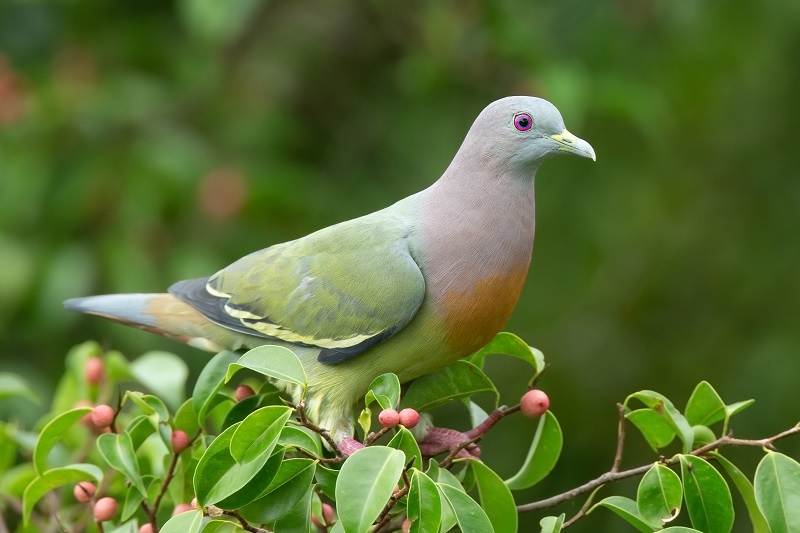
Egg Stage
The very beginning of a bird’s life starts inside an egg. During the egg stage, the embryo develops protected by the eggshell. This stage varies in length depending on the species, lasting anywhere from about 10 days to over a month. Inside the egg, the embryo grows steadily, receiving nourishment from the yolk. The parent birds often keep the eggs warm through incubation, maintaining the right temperature for development. This stage is crucial because any disturbance can affect whether the embryo survives to hatch.
Hatchling Stage
Once the baby bird breaks out of the egg, it enters the hatchling stage. Hatchlings are newborn birds that are often featherless or covered in very soft down feathers. They are highly vulnerable at this point—unable to move much, regulate their body temperature, or feed themselves. They rely completely on their parents for warmth and food. Parents feed them frequently, sometimes every few minutes, to ensure they get enough nutrients to grow quickly during this fragile stage.
Nestling Stage
As hatchlings grow, they transition into the nestling stage. Nestlings begin to develop more feathers and become more active inside the nest. Their eyes open, and they start to respond to sounds and movements around them. Despite this growth, nestlings remain confined to the nest and continue to depend on their parents for feeding and protection. This is a critical period for building strength and coordination before they attempt life outside the nest.
Fledgling Stage
The fledgling stage marks a significant step toward independence. Fledglings have developed enough feathers and strength to leave the nest and begin practicing flying. Although they start exploring their surroundings, fledglings still rely on their parents for food and safety as they learn to navigate and forage. This stage can be risky, as young birds are vulnerable to predators and other dangers. Over time, fledglings improve their flying skills and begin to feed themselves, eventually becoming fully independent.
Importance of Knowing Baby Bird Names
Knowing the names of baby birds is more than just a fun fact—it helps deepen our understanding of bird life and behavior. Recognizing terms like hatchling, nestling, chick, or fledgling allows you to accurately describe the different stages of a bird’s development. This knowledge is especially useful for bird watchers, educators, and anyone interested in nature, as it improves communication and fosters a greater appreciation for the challenges baby birds face.
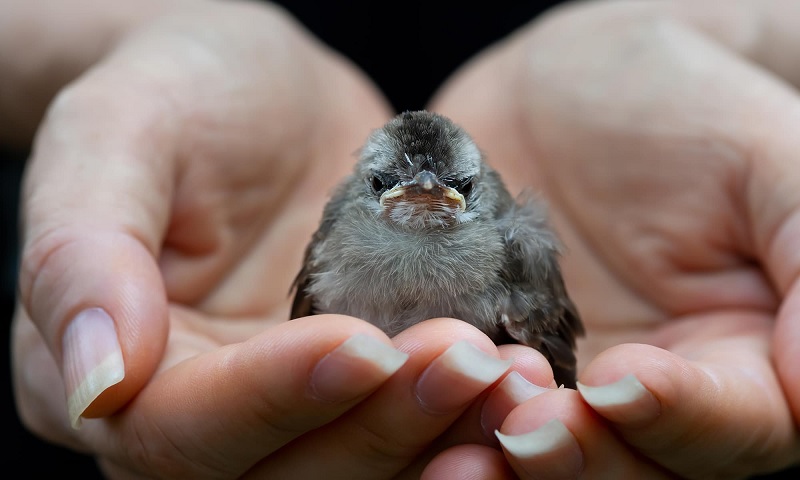
Additionally, understanding these names can aid in wildlife rescue or care by helping identify what kind of support a young bird might need. Overall, knowing baby bird names connects us closer to the natural world, making it easier to observe, protect, and respect these fascinating creatures during their vulnerable early stages.
Frequently Asked Questions
What Are Baby Birds Called In General?
Baby birds are generally called chicks, especially when referring to young chickens. However, the name can vary widely depending on the species and the bird’s stage of growth. For instance, a newly hatched bird is called a hatchling, while a slightly older baby bird still in the nest is known as a nestling. When the bird starts to leave the nest and learns to fly, it’s called a fledgling. Knowing these general terms helps you identify and understand the development stages of most baby birds across different species.
What Is The Difference Between A Hatchling And A Nestling?
A hatchling is a baby bird that has just broken out of its egg. Hatchlings are usually featherless, blind, and completely dependent on their parents for warmth and food. In contrast, a nestling is a baby bird that has grown some feathers, opened its eyes, and can move around a bit but still lives inside the nest. Nestlings rely heavily on their parents for feeding and protection until they are ready to leave the nest and become fledglings.
What Are Baby Chickens Called?
Baby chickens are called chicks. When they hatch, chicks are covered with soft down feathers and are very vulnerable, relying on their mother or caretaker to provide warmth and food. Chicks grow rapidly, developing their adult feathers as they mature. This term is most commonly associated with domestic chickens but can also be loosely used for the young of other bird species, although it specifically refers to chickens.
What Are Baby Ducks Called?
Baby ducks are called ducklings. These young birds are covered with soft, fluffy down feathers and are often yellow or brown in color depending on the breed. Ducklings are unique because they can swim shortly after hatching, guided closely by their mother. They rely on their parents for protection and food as they grow stronger and develop adult feathers before becoming independent ducks.
What Are Baby Geese Called?
Baby geese are called goslings. Goslings hatch covered in soft down and quickly form close bonds with their parents. They follow their parents closely in groups, learning essential survival skills such as finding food and avoiding predators. The name “gosling” is specific to young geese and is used to distinguish them from other baby birds, highlighting their unique family behaviors and early life stages.
What Are Baby Swans Called?
Baby swans are known as cygnets. Cygnets hatch covered in soft gray or white down and stay close to their parents for protection and care. They take longer than many other birds to become fully independent, often remaining with their family through several months. The term “cygnet” comes from old European languages and reflects the swan’s graceful and majestic nature, even from a young age.
What Are Baby Eagles Called?
Baby eagles are called eaglets. Eaglets hatch in nests high up in trees or cliffs and are cared for intensively by their parents. At first, they are covered in sparse down and rely entirely on adults for food and warmth. As eaglets grow, they develop strong feathers, sharp beaks, and talons, and begin learning to fly under parental supervision before becoming independent.
Why Is It Important To Know The Different Names For Baby Birds?
Knowing the different names for baby birds helps you understand the specific stages of a bird’s growth and behavior. It improves your ability to communicate clearly about birds, whether you are a birdwatcher, educator, or wildlife rescuer. These names provide insight into the care and needs each stage requires, making it easier to protect and support baby birds. This knowledge fosters a deeper connection to nature and highlights the unique qualities of various bird species.
Conclusion
Understanding what baby birds are called enriches your knowledge of the avian world and helps you appreciate the fascinating stages of their growth. From hatchlings to fledglings, each name reflects a critical phase in a bird’s early life, highlighting their development and increasing independence.
Recognizing specific names like chicks, ducklings, goslings, cygnets, and eaglets allows you to connect more deeply with different bird species and their unique behaviors. This awareness not only improves communication and education but also fosters greater respect and care for these vulnerable creatures. Whether you’re a nature enthusiast, student, or wildlife helper, knowing the terms for baby birds offers valuable insight into their journey from fragile newborns to confident adults.