
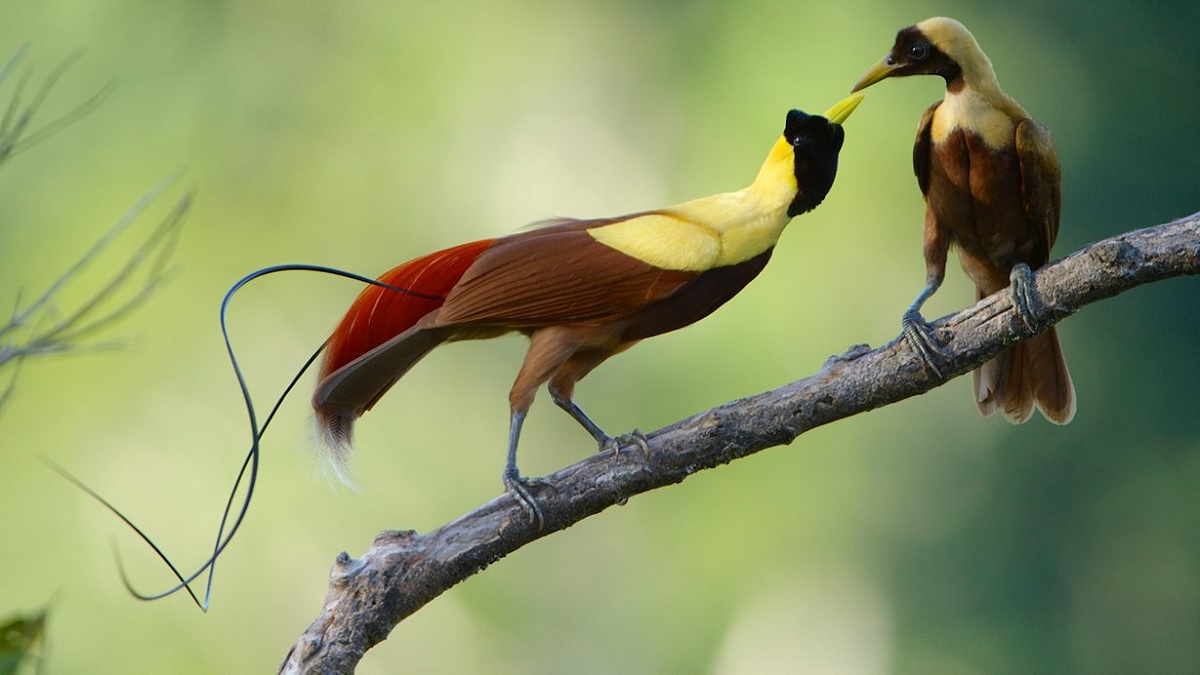
When people observe birds, they often get curious about the differences between males and females. One common question that comes up is: what are female birds called? Unlike many other animals, the names for female birds can vary widely depending on the species. In some cases, the female bird shares the same name as the male, while in others, there are specific terms used to describe them.
Understanding what female birds are called not only helps in identifying these beautiful creatures but also gives insight into their behavior and roles in nature. This topic might seem simple at first, but it opens up a fascinating look at the diversity in the bird world. In this introduction, we’ll explore some examples of female bird names and explain why these distinctions matter, helping you appreciate the natural world a little more.
Introduction
Birdwatching often sparks curiosity about the differences between male and female birds, leading many to wonder: what are female birds called? Unlike mammals, where male and female animals often share the same name, birds sometimes have distinct terms for females. In some species, the female carries a unique name, while in others, the name remains the same regardless of gender.

Knowing these names can enhance our understanding of bird behavior, mating habits, and roles within their communities. This knowledge adds a new layer to appreciating the diversity of bird species around us. In this section, we’ll introduce the topic and set the stage for exploring the interesting variety of names used to identify female birds, helping to clear up some common questions and deepen your connection to the avian world.
Understanding Bird Gender Terminology
Birds are fascinating creatures with a wide variety of names and behaviors, and understanding the terminology used for their genders helps us appreciate their diversity even more. When it comes to naming male and female birds, there are both general terms and species-specific names that can sometimes be confusing but are important for clarity.
General Terms for Male and Female Birds
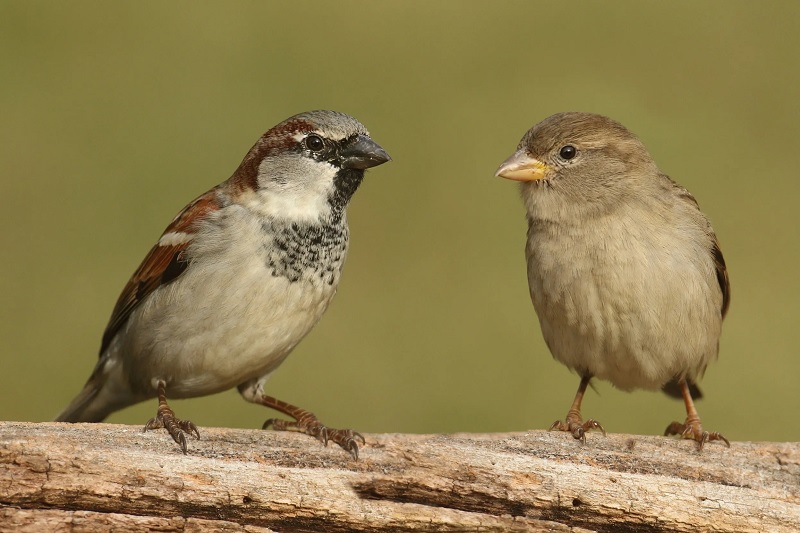
In many cases, the simplest way to distinguish between genders in birds is by using “male” and “female” as adjectives, such as “male robin” or “female sparrow.” This approach is straightforward and widely understood, especially when no special names exist. For many bird species, these general terms are enough, and they help avoid confusion. However, some birds have unique names for males and females, reflecting differences in appearance, behavior, or roles during breeding.
Why Specific Names Matter
Certain bird species have distinct names for females that are not just linguistic quirks but reflect important biological or cultural observations. For example, a male swan is called a “cob,” while the female is known as a “pen.” In other cases, such as with chickens, the male is a “rooster” and the female a “hen.” These specific terms help birdwatchers, researchers, and enthusiasts communicate clearly about which bird they are discussing.
Beyond clarity, these names often carry significance about the birds’ roles in their environment. In many species, females may take on nesting or caregiving duties, while males may display colorful plumage to attract mates. Knowing the correct terminology can deepen our understanding of these behaviors and how birds interact within their ecosystems.
Understanding Bird Gender Terminology
Birds are fascinating creatures with a wide variety of names and behaviors, and understanding the terminology used for their genders helps us appreciate their diversity even more. When it comes to naming male and female birds, there are both general terms and species-specific names that can sometimes be confusing but are important for clarity.
General Terms for Male and Female Birds
In many cases, the simplest way to distinguish between genders in birds is by using “male” and “female” as adjectives, such as “male robin” or “female sparrow.” This approach is straightforward and widely understood, especially when no special names exist. For many bird species, these general terms are enough, and they help avoid confusion. However, some birds have unique names for males and females, reflecting differences in appearance, behavior, or roles during breeding.
Why Specific Names Matter
Certain bird species have distinct names for females that are not just linguistic quirks but reflect important biological or cultural observations. For example, a male swan is called a “cob,” while the female is known as a “pen.” In other cases, such as with chickens, the male is a “rooster” and the female a “hen.” These specific terms help birdwatchers, researchers, and enthusiasts communicate clearly about which bird they are discussing.
Beyond clarity, these names often carry significance about the birds’ roles in their environment. In many species, females may take on nesting or caregiving duties, while males may display colorful plumage to attract mates. Knowing the correct terminology can deepen our understanding of these behaviors and how birds interact within their ecosystems.
Common Names for Female Birds
When exploring the world of birds, one interesting aspect is the variety of names used specifically for female birds. Unlike many animals where male and female share the same general name, birds often have unique terms for females that can vary widely depending on the species. These names are not only useful for identification but also reflect cultural and biological traits associated with each bird.

Examples of Female Bird Names
Many female bird names are rooted in tradition and have been passed down for centuries. Some are widely recognized, while others are more specialized, used mainly by bird enthusiasts or hunters.
Hens (e.g., chickens, turkeys)
One of the most familiar terms for a female bird is hen. This word is commonly used for female chickens and turkeys. Hens play a vital role in the reproductive cycle by laying eggs and often caring for the young. The term “hen” is so well-known that it is often used colloquially to describe female birds in general, though it technically applies to certain species.
Does (e.g., ducks)
In the world of waterfowl, the female duck is called a doe. This term is also used for female deer, but when it comes to birds, it specifically refers to female ducks in some regions. Knowing this can help birdwatchers and hunters distinguish between males and females, especially since male ducks, or drakes, tend to have much brighter plumage.
Jennies (e.g., certain types of birds like wild turkeys)
Another less common but interesting term is jenny, which is used for female wild turkeys and some other bird species. This name is less widely known but important for accurate communication among those familiar with wild turkey hunting or bird biology. The male wild turkey is called a tom, making the distinction between genders quite clear.
Other Unique Female Bird Names
Besides hens, does, and jennies, several other female bird names exist that are species-specific. For example, a female swan is called a pen, and a female goose is simply known as a goose, with the male called a gander. In pheasants, females are often called hens as well, similar to chickens. These specific names help enthusiasts and researchers talk precisely about the birds they study or observe.
Species-Specific Female Bird Names
Birds are incredibly diverse, and so are the names given to their female members. Many species have unique terms for females that reflect their characteristics or roles within their group. Understanding these species-specific female bird names helps bird enthusiasts and researchers communicate more precisely.
Songbirds
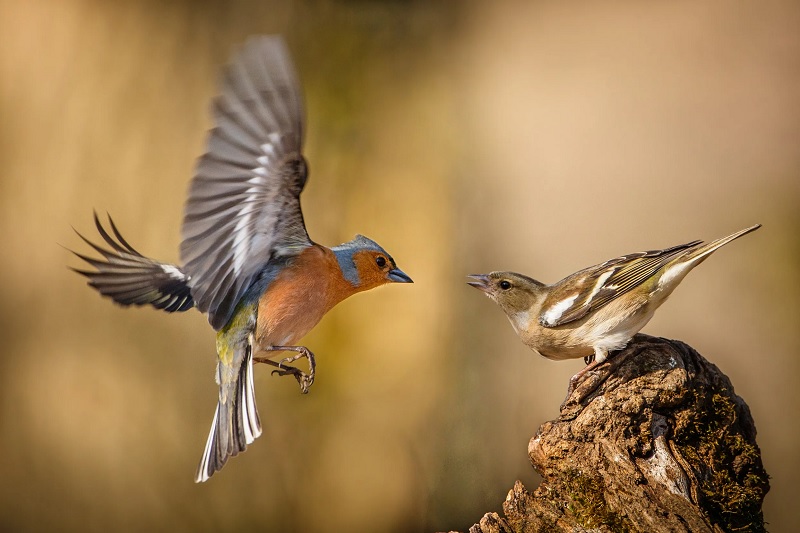
In the world of songbirds, female birds usually don’t have special names different from males. Instead, they are often simply called “female” followed by the species name, such as “female robin” or “female cardinal.”
This is because, in many songbird species, males and females share similar names, even though they may look quite different. For example, male cardinals are bright red, while females are more muted in color, but both are just called cardinals with the female specified by adding “female.” This naming pattern keeps things simple but still allows for clear identification.
Birds of Prey
Birds of prey, like hawks, eagles, and owls, also tend to use straightforward gender descriptors such as “female hawk” or “female eagle.” However, one interesting fact is that females in many raptor species are larger than males, which is opposite to what is seen in most animals. While there are no widely recognized unique female names for these birds, knowing their gender is important for studying their hunting behavior and nesting roles.
Waterfowl
Waterfowl often have specific names for females. For example, female ducks are called does, while males are known as drakes. Female geese are simply called geese, with males known as ganders. In swans, females are referred to as pens, whereas males are called cobs. These unique names help hunters, birdwatchers, and researchers differentiate between genders easily, especially since male waterfowl often have brighter, more elaborate plumage compared to females.
Game Birds
Game birds, such as turkeys, pheasants, and quail, frequently have distinct female names. Female turkeys are called jennies, while males are known as toms. Similarly, female pheasants are called hens, just like chickens. Female quail are also called hens. These terms are particularly useful in hunting and wildlife management, helping people accurately refer to the birds during various activities.
When Female Birds Share the Same Name as Males
In the diverse world of birds, not all females have distinct names separate from their male counterparts. In many species, male and female birds share the same name, which can sometimes cause confusion but also reflects interesting aspects of bird biology and language.
Gender-Neutral Bird Names
Many birds are simply referred to by their species name regardless of gender. For example, birds like robins, sparrows, and crows don’t have separate male or female names; both are just called robins or sparrows. In such cases, when specifying gender is necessary, people usually add “male” or “female” before the bird’s name—like “female robin” or “male sparrow.” This gender-neutral naming approach is common among songbirds and many other species where males and females look similar or don’t have dramatically different roles.
This practice helps keep things simple, especially for casual birdwatchers or when the bird’s gender isn’t immediately obvious. It also reflects the fact that in many species, the behavior and roles of males and females overlap, making separate names less relevant.
Reasons for Shared Naming
There are several reasons why some birds share the same name for both males and females. One major factor is physical similarity. When males and females look alike, there is less need for distinct names. For instance, in many species of pigeons or doves, both sexes have similar plumage and size, so using the same name for both genders makes sense.
Another reason relates to the bird’s role in nature. In species where males and females share responsibilities equally—like nesting, feeding chicks, or defending territory—there’s less emphasis on distinguishing between them in everyday language.
Additionally, cultural and linguistic traditions influence naming conventions. In some regions and languages, separate names for male and female birds simply never developed for certain species. Instead, the species name became a universal term for both.
Cultural and Regional Variations in Naming Female Birds
The names given to female birds can vary widely depending on cultural traditions and regional language habits. These differences highlight how human history and geography shape the way we talk about nature, including the birds we see every day.
Historical Influences
Many of the terms used for female birds have deep historical roots. For example, the word “hen” has been used for centuries in English to describe female chickens and, by extension, females of other bird species like turkeys and pheasants. These terms often originated in agricultural societies where distinguishing between male and female birds was important for farming and hunting.
Historical events such as migration, colonization, and trade also influenced bird names. As people moved and settled in new areas, they brought their language and naming traditions with them. This is why some bird names remain consistent across regions, while others have developed unique local variations.
Common Usage in Different English-Speaking Regions
English-speaking regions around the world sometimes use different terms for female birds, reflecting their own cultural backgrounds and local wildlife. In the United States, for example, female wild turkeys are commonly called “jennies,” while in the United Kingdom, the term is less commonly used, and people may simply say “female turkey.”
Similarly, the names for waterfowl can vary. In parts of Canada and the northern U.S., “doe” is a familiar term for a female duck, while in other English-speaking countries, people may just say “female duck.” The term “pen” for a female swan is widely used in Britain but less so in some other English-speaking regions.
These variations can sometimes cause confusion but also add richness to birdwatching and wildlife discussions. Knowing regional differences can help bird enthusiasts communicate better, especially when sharing observations across borders.
Frequently Asked Questions
What Are Female Birds Called In General?
Female birds are usually referred to by their species name, with “female” added for clarity, like “female robin” or “female sparrow.” However, many species have specific names for females. For example, female chickens are called “hens,” female ducks are “does,” and female turkeys are “jennies.” These specific names often relate to differences in appearance or behavior between males and females, and help birdwatchers, hunters, and researchers identify and discuss birds more accurately. Using the correct terms enhances your understanding of bird species and their roles in nature.
Why Do Some Female Birds Have Different Names Than Males?
Female birds sometimes have distinct names because males and females often look different or play different roles. For example, a male turkey is called a “tom,” while a female is a “jenny.” These names make it easier to communicate about specific birds and their behaviors. The difference in naming can reflect physical differences, like size or color, or biological roles, such as nesting and caring for young. Knowing these names helps you better appreciate bird diversity and makes identification more precise in birdwatching or hunting.
What Are Female Chickens Called?
Female chickens are called “hens.” Hens are well-known for their role in laying eggs and nurturing chicks. The male chicken, commonly known as a “rooster” or “cock,” typically has more vibrant plumage and is more vocal. The term “hen” has become a general reference for female birds in some cases but specifically applies to chickens and similar poultry.
Recognizing this term can help you understand farming practices, bird breeding, and the social behavior of domestic birds, making it easier to talk about chickens in both casual and professional settings.
Are Female Ducks Called Does?
Yes, female ducks are often called “does,” especially in hunting and wildlife contexts. The male duck is called a “drake.” This naming helps clearly distinguish between the sexes, as male ducks often have brighter, more colorful plumage, while females are usually more camouflaged. Knowing these terms helps when identifying ducks in the wild or during hunting seasons. The term “doe” is borrowed from mammal terminology, showing how language can cross species in naming conventions, making it easier for enthusiasts to communicate about ducks.
What Is The Female Name For A Swan?
A female swan is called a “pen,” while the male is called a “ cob.” These specific names are useful during mating season or when observing swan behavior, especially because males and females have similar appearances. The terms help birdwatchers and researchers identify gender more easily. Knowing that female swans are pens allows you to better understand swan family dynamics and their roles in nesting and raising cygnets. Using these distinct names enriches your birdwatching vocabulary and appreciation for these elegant waterfowl.
Do All Birds Have Specific Names For Females?
No, many bird species use the same name for both males and females. For example, robins, sparrows, and crows don’t have separate female names; instead, people say “female robin” or “male crow” to specify gender. This is common among songbirds and species where males and females look similar. However, some species, particularly game birds and waterfowl, have unique female names. Understanding which birds have specific female terms and which don’t helps you communicate clearly and identify birds more accurately in different settings.
How Can Knowing Female Bird Names Help You?
Knowing the specific names of female birds enhances your birdwatching skills by allowing precise identification and understanding of bird behavior. It also improves communication with other bird enthusiasts, researchers, or hunters. For example, knowing that a female turkey is a “jenny” can help you follow discussions about wildlife management or hunting regulations. Additionally, recognizing these names reveals insights into birds’ roles, such as nesting or caregiving, which deepens your connection with nature and appreciation for biodiversity.
Are There Regional Differences In Naming Female Birds?
Yes, regional and cultural differences influence the names for female birds. For example, “jenny” is commonly used for female turkeys in the United States but is less familiar in the UK, where people may simply say “female turkey.”
The term “doe” for female ducks is more popular in North America compared to other English-speaking regions. These variations reflect local traditions and wildlife practices. Being aware of these differences helps you understand bird-related conversations better, especially when sharing observations with people from different regions or countries.
Conclusion
Understanding what female birds are called reveals a fascinating layer of bird biology and language. While many female birds share the same name as males, others have unique names like hen, doe, or jenny, reflecting differences in appearance, behavior, or cultural traditions. These specific terms help birdwatchers, hunters, and researchers communicate clearly and deepen their appreciation of avian diversity.
Regional and historical influences also shape how female birds are named, adding richness to the way we talk about nature. Knowing these names not only improves your ability to identify birds but also connects you more closely to the natural world, making every bird watching experience more meaningful and enjoyable.