
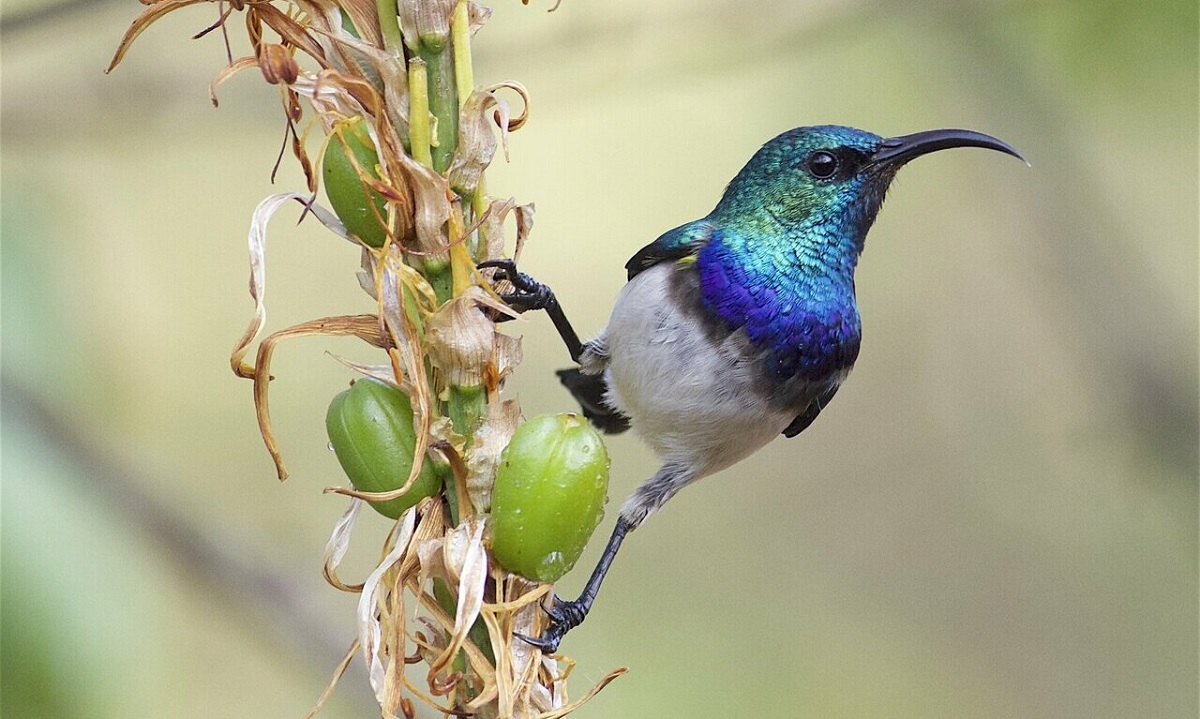
If you’ve ever paused to admire a songbird resting gracefully on a tree branch or your backyard fence, you’ve likely seen a perching bird in action. But what are perching birds, exactly? These birds, also known as passerines, make up the largest group of birds in the world. They are distinguished by their unique foot structure—three toes pointing forward and one backward—designed to grip branches tightly, even while they sleep. This ability makes them expert perchers and gives them their name.
You’ve probably encountered many of them already, including sparrows, robins, finches, and crows. What’s fascinating about perching birds isn’t just their physical traits, but also their behavior, vocal abilities, and adaptability to diverse environments—from forests and mountains to urban neighborhoods. Understanding what are perching birds opens a window into a vast and diverse segment of birdlife that plays a critical role in ecosystems around the globe.
What Are Perching Birds?
Perching birds are some of the most familiar and widespread birds in the world. Whether you’re walking through a forest, relaxing in your backyard, or taking a stroll through the city, chances are you’ve seen one perched on a wire, branch, or fence. But what are perching birds, really? These birds, scientifically known as Passeriformes, make up more than half of all bird species—an astonishing variety that includes over 6,000 species worldwide.
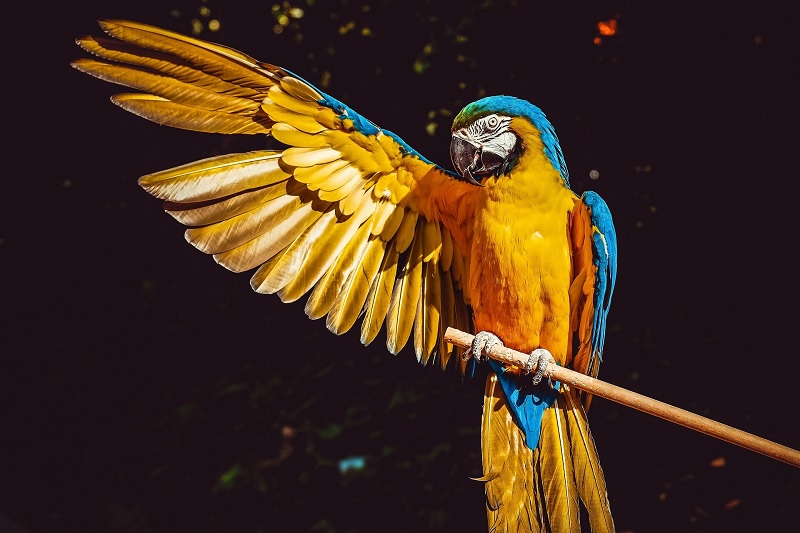
Their most defining feature is their specially adapted feet. Perching birds have three toes pointing forward and one toe pointing backward, forming a strong grip that allows them to grasp branches tightly. This adaptation makes it easy for them to balance and even sleep while perched. Because of this unique feature, they’re often referred to as “songbirds,” although not all perching birds sing.
Definition and Overview
Perching birds, or passerines, are known for their ability to perch effortlessly on narrow surfaces like twigs, wires, or plant stems. Most species are relatively small, with lightweight bodies, strong legs, and well-developed voices. In fact, many of the birds we associate with singing—like robins, sparrows, and nightingales—are perching birds.
While many people think of perching birds as forest dwellers, they’re incredibly adaptable and live in almost every environment, from woodlands and deserts to wetlands and cities. Their diet is just as diverse and can include insects, seeds, fruits, and nectar, depending on the species.
The perching ability isn’t just a convenience—it’s a survival trait. The unique foot structure locks automatically when a bird squats, preventing it from falling even while sleeping. This helps them rest safely away from many ground-based predators.
Scientific Classification
Perching birds belong to the order Passeriformes, which is divided into two main suborders: Suboscines (Tyranni) and Oscines (Passeri). Suboscines, such as flycatchers and antbirds, have less complex vocal organs and typically produce simpler, more mechanical calls. They are often found in Central and South America and are known more for their unique behaviors than their songs.
On the other hand, Oscines—often referred to as the “true songbirds”—possess highly developed vocal muscles, allowing them to sing rich, intricate songs. This group includes well-known birds like finches, thrushes, and warblers, many of which are celebrated for their vocal performances. Their advanced voice box, or syrinx, is what sets them apart and enables a wide range of sound variation.
Within these two broad suborders, there are dozens of families, each with a wide variety of species differing in size, color, habitat, and behavior. Yet, despite this incredible diversity, all passerines share the same perching adaptation—a unique toe arrangement that enables them to grasp branches securely. This key feature not only defines the group but also provides a significant evolutionary advantage, making perching birds some of the most successful avian species on the planet.
Key Characteristics of Perching Birds
Perching birds, or passerines, stand out not just because of their vast numbers but due to several unique physical and behavioral traits. These characteristics help them thrive in diverse environments and distinguish them from other bird groups. Let’s explore some of the key features that define perching birds.
Foot Structure (Anisodactyl Arrangement)
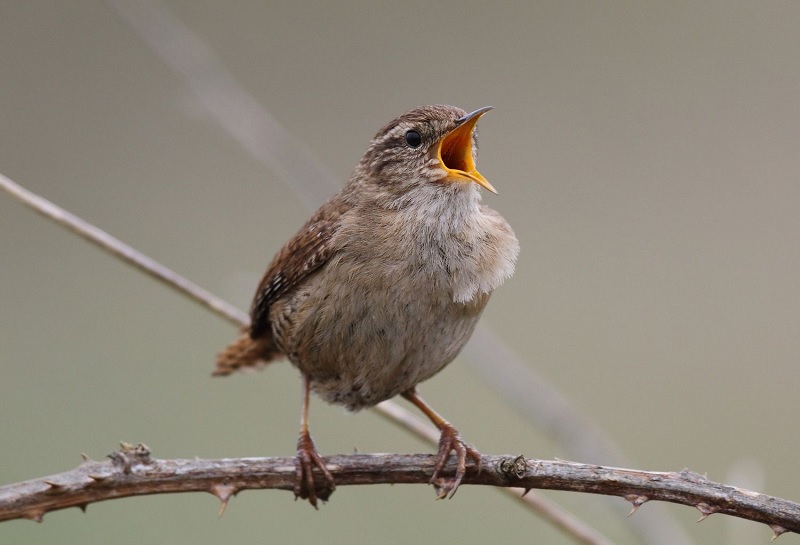
One of the most important and defining traits of perching birds is their foot structure, known as the anisodactyl arrangement. This means they have three toes pointing forward and one toe pointing backward. This toe arrangement provides an excellent grip, allowing these birds to perch securely on branches, wires, or other narrow surfaces. Interestingly, this grip is so strong that many perching birds can sleep while perched without falling. The backward-pointing toe acts almost like a locking mechanism, helping them cling tightly even during rest. This adaptation is fundamental to their survival, especially in forested and urban environments where perching is essential.
Vocal Abilities
Perching birds are often referred to as songbirds, and their vocal abilities are a major reason why. Many species have highly developed vocal organs that allow them to produce complex, melodious songs and calls. These vocalizations play vital roles in communication—attracting mates, defending territory, and signaling alarm. Oscines, the true songbirds, have a specialized voice box called the syrinx that gives them control over a wide range of sounds. From the soothing melodies of nightingales to the sharp chirps of sparrows, vocal ability is a hallmark of many perching birds.
Size and Body Shape
Perching birds vary widely in size but are generally small to medium-sized. Most have lightweight, agile bodies that aid in quick movements and precise flight maneuvers. Their legs and feet tend to be slender but strong, perfectly suited for gripping and hopping along branches. The streamlined body shapes also contribute to their agility, making it easier to navigate through dense foliage or open spaces. This combination of size and body shape allows perching birds to exploit a variety of habitats, from thick forests to urban gardens.
Plumage and Coloration
The plumage of perching birds is incredibly diverse, ranging from drab browns and greys that provide camouflage to bright, vivid colors used for attracting mates or signaling dominance. Some species, like cardinals and blue jays, are known for their brilliant reds and blues, while others, such as sparrows and wrens, tend to have more muted tones. This wide range of coloration helps perching birds adapt to their environments, whether to blend in or stand out. In many species, males and females have different plumage, a trait called sexual dimorphism, which often plays a role in mating rituals.
Types of Perching Birds
Perching birds, or passerines, represent a vast and diverse group that includes many species you might recognize. While the majority of them are known as songbirds, not all perching birds fall neatly into this category. Let’s take a closer look at the main types of perching birds and explore some common examples.

Songbirds (Passerines)
When people think of perching birds, the first group that often comes to mind is the songbirds, scientifically known as passerines. These birds are renowned for their vocal abilities and complex songs. Songbirds make up the largest subgroup of perching birds, with thousands of species found worldwide.
Passerines have highly developed vocal organs that enable them to produce a wide variety of sounds, from melodic tunes to simple calls. Their songs serve many purposes, such as attracting mates, marking territory, or warning others of danger. Besides their remarkable vocal skills, songbirds usually have slender bodies, sharp beaks suited for eating seeds or insects, and the characteristic anisodactyl foot arrangement that helps them perch securely.
Examples of Common Songbirds
There are many familiar songbirds that you might see in your own neighborhood or local park. Some of the most common examples include sparrows, which are small and often brown or grey; these birds are highly adaptable and found almost everywhere. Finches, known for their bright colors and cheerful songs, such as the American goldfinch, are also popular among bird watchers. Robins, famous for their orange-red breast, are a common sight in gardens and woodlands.
Warblers are small, active birds with beautiful, intricate songs and are often seen flitting through trees during migration. Thrushes, including species like the wood thrush and the hermit thrush, are known for their clear, flute-like songs. These birds are not only appreciated for their vocalizations but also play essential roles in their ecosystems by controlling insect populations and dispersing seeds.
Non-Song Perching Birds
While many perching birds are songbirds, some species within the order Passeriformes do not sing or have limited vocal abilities. These are often called non-song perching birds, and this group includes some suboscines, which have simpler calls. Examples of non-song perching birds include flycatchers, which tend to have straightforward calls rather than elaborate songs. They’re skilled hunters of flying insects and often perch silently as they watch for prey.
Antbirds, mostly found in tropical forests, communicate with short calls and rely more on stealth than on song. Crows and ravens, although not traditionally known for melodious songs, are highly intelligent birds with a wide range of vocalizations used for communication. Despite their quieter presence, non-song perching birds share the same foot structure and perching habits, making them an important part of the perching bird family.
Habitats and Distribution
Perching birds, or passerines, are among the most widespread and adaptable birds on the planet. Their incredible diversity is matched by the variety of environments they inhabit. Understanding where perching birds live and thrive reveals much about their evolutionary success and ecological importance.
Global Distribution
Perching birds have a truly global presence, found on every continent except Antarctica. Their ability to adapt to different climates and ecosystems has allowed them to colonize a wide range of geographical regions—from tropical rainforests to arctic tundra. Tropical areas, particularly in Central and South America, Africa, and Southeast Asia, are home to the highest diversity of perching bird species. These regions provide rich food sources and varied habitats, supporting thousands of species with specialized lifestyles.
In temperate and even colder zones, perching birds continue to thrive. Many species migrate seasonally, traveling great distances to take advantage of seasonal resources and breeding opportunities. For example, warblers breed in North America during the summer but migrate to Central and South America for the winter. This extensive range and migratory behavior demonstrate the adaptability and resilience of perching birds.
Preferred Habitats
While perching birds occupy many different environments, some habitat types are especially favored due to the availability of food, shelter, and nesting sites. Forests—both tropical and temperate—are among the most common habitats. The dense canopy and diverse plant life offer abundant perches, insects, fruits, and nesting spots.
Grasslands, shrublands, and wetlands also support numerous perching bird species. For example, sparrows and finches are often found in open fields and meadows where seeds are plentiful, while some species of warblers and flycatchers prefer the edges of wetlands and riparian zones.
Urban areas have become increasingly important habitats for certain adaptable perching birds like pigeons, house sparrows, and starlings. These birds have learned to exploit human-made environments, nesting in buildings and feeding on scraps or planted gardens. This flexibility helps them survive in places where natural habitats have been altered or reduced.
Behavior and Adaptations
Perching birds have evolved a range of behaviors and adaptations that enable them to survive and thrive in diverse environments. From how they find food to the ways they reproduce and migrate, these behaviors are key to their success.
Feeding Habits
Perching birds display a remarkable variety of feeding habits tailored to their environment and physical adaptations. Many passerines are insectivores, feeding on insects and other small invertebrates they catch on the wing or glean from leaves and bark. For example, flycatchers are skilled aerial hunters, while warblers pick insects from foliage.
Other perching birds primarily eat seeds, fruits, or nectar. Finches have strong, conical beaks designed for cracking seeds, while hummingbirds use their long, slender bills to feed on nectar from flowers. Some species are opportunistic feeders, consuming a mixed diet that changes seasonally. This dietary flexibility helps perching birds adapt to shifting food availability throughout the year.
Nesting and Reproduction
Nesting behaviors among perching birds vary widely but typically involve building intricate nests that offer protection from predators and harsh weather. Most passerines construct cup-shaped nests from twigs, grasses, and feathers, usually placed in trees or shrubs. Some species, like swallows, build mud nests attached to cliffs or buildings.
Reproduction strategies also differ among species. Many perching birds are monogamous during the breeding season, with both parents involved in incubating eggs and feeding chicks. In some species, males sing complex songs to attract mates and defend territories. Others engage in elaborate courtship displays to impress females.
The ability to reproduce successfully often depends on timing, and many perching birds synchronize their breeding with periods of abundant food to maximize chick survival.
Migration Patterns
Migration is a critical behavior for many perching birds, especially those living in temperate and colder regions. Seasonal migration allows them to exploit resources in different parts of the world and avoid harsh winters. For example, numerous songbirds breed in North America during the summer and travel thousands of miles to wintering grounds in Central and South America.
Migration routes and distances vary widely among species. Some make nonstop long-distance flights, while others stop frequently to rest and refuel. These journeys require incredible endurance and navigation skills, often guided by environmental cues such as the sun, stars, and Earth’s magnetic field.
Not all perching birds migrate—many tropical species remain in their habitats year-round where food is available continuously. Nevertheless, migration remains one of the most impressive adaptations of perching birds, showcasing their resilience and ability to respond to environmental challenges.
Importance in Ecosystems
Perching birds play vital roles in maintaining the health and balance of ecosystems around the world. Their behaviors and interactions contribute significantly to food chains and plant reproduction, making them key players in many environments.
Role in Food Chains
Perching birds occupy important positions in food chains as both predators and prey. Many species feed on insects, helping control populations of pests that could otherwise damage crops, forests, and gardens. For instance, flycatchers, warblers, and chickadees consume large numbers of caterpillars, beetles, and other insects, providing natural pest management that benefits agriculture and forestry.
In addition to insect control, some perching birds feed on seeds and fruits, influencing plant growth and survival. At the same time, perching birds themselves serve as prey for larger predators such as hawks, owls, and snakes. This dual role maintains a delicate balance within ecosystems, supporting biodiversity and the stability of food webs.
Pollination and Seed Dispersal
Beyond their role in food chains, perching birds contribute to pollination and seed dispersal, two essential processes for plant reproduction and ecosystem renewal. While hummingbirds are the most famous avian pollinators, other passerines also assist in transferring pollen as they move between flowers searching for nectar or insects.
Seed dispersal is another critical service performed by many perching birds. By eating fruits and berries, birds like thrushes and tanagers consume seeds that later pass through their digestive systems and are deposited in new locations. This helps plants spread and colonize new areas, promoting genetic diversity and healthy plant communities.
In forests and woodlands, seed dispersal by birds supports forest regeneration after disturbances like fires or storms. Similarly, in urban and suburban areas, birds help maintain green spaces by spreading native plant species. This ecological role benefits not only plants but also the many other organisms that depend on healthy vegetation for food and shelter.
Human Interaction with Perching Birds
Perching birds have long captured human interest, not only because of their beauty and songs but also due to their cultural significance and the role they play in conservation efforts. Their presence enriches human experiences in nature, while ongoing efforts aim to protect these birds and their habitats.
Birdwatching and Cultural Significance
Birdwatching is one of the most popular ways humans interact with perching birds. Millions of people worldwide enjoy observing and identifying these birds in their natural habitats. Songbirds, with their vibrant colors and melodious tunes, are often the stars of birdwatching adventures. This activity encourages appreciation for nature and fosters a connection between people and wildlife.
Perching birds have also held cultural significance throughout history. Many cultures feature songbirds in folklore, art, and symbolism. For example, the nightingale’s song is celebrated in poetry as a symbol of beauty and inspiration, while the robin is often associated with the arrival of spring. These birds frequently appear in music and literature, highlighting their deep impact on human creativity and tradition.
Moreover, in some regions, perching birds play roles in local economies through ecotourism, attracting visitors eager to see rare or colorful species. This creates incentives to preserve bird habitats and promotes environmental awareness.
Conservation Efforts
Despite their widespread presence, many perching bird species face threats from habitat loss, pollution, climate change, and invasive species. Urban development and deforestation reduce the natural spaces these birds depend on for feeding, nesting, and migration. Additionally, pesticides and other pollutants can harm bird populations directly or by depleting their insect prey.
Conservation efforts focus on protecting and restoring habitats, implementing sustainable land use practices, and raising public awareness. Bird sanctuaries, protected reserves, and urban green spaces provide safe havens for perching birds. Citizen science projects, such as bird counts and monitoring programs, involve communities in tracking bird populations and identifying areas needing protection.
Legislation like the Migratory Bird Treaty Act in North America offers legal protection for many species, prohibiting hunting or harming birds without permits. Conservation organizations also work globally to address threats from climate change by advocating for policies that preserve critical habitats and reduce carbon emissions.
Through education, research, and active conservation, humans can help ensure that perching birds continue to thrive, enriching ecosystems and human lives alike.
Frequently Asked Questions
How Can You Identify Perching Birds?
You can identify perching birds by their anisodactyl foot arrangement, which is perfectly adapted for gripping branches. Additionally, many have slender bodies, sharp beaks suited for their specific diets, and complex vocal abilities. Their behavior of frequently resting or feeding while perched on trees, shrubs, or wires is another key identifying trait. Observing their songs or calls can also help you recognize them, as many passerines have distinctive melodies.
What Is The Scientific Classification Of Perching Birds?
Perching birds belong to the order Passeriformes, which is split into two main suborders: suboscines and oscines. Suboscines, like flycatchers and antbirds, tend to have simpler vocal organs and calls. Oscines, often called “true songbirds,” possess highly developed vocal muscles that enable them to produce intricate and melodious songs. This order contains numerous families with diverse sizes, colors, and behaviors, but all share the common trait of perching.
What Are The Common Habitats Of Perching Birds?
Perching birds inhabit a wide range of environments worldwide, from dense tropical rainforests to open grasslands and urban areas. They prefer habitats that offer abundant food sources, perching spots, and nesting opportunities. Forests, wetlands, and shrublands are especially favored, but many species have adapted to city parks and gardens. Their flexibility in habitat choice contributes to their global distribution.
How Do Perching Birds Communicate?
Many perching birds communicate through complex songs and calls, which serve various purposes like attracting mates, defending territories, or signaling danger. The oscines, or true songbirds, are particularly known for their melodious and varied vocalizations, thanks to their specialized vocal organs. Other perching birds, like suboscines, use simpler calls but still effectively communicate within their groups.
Why Are Perching Birds Important To Ecosystems?
Perching birds play crucial roles in ecosystems as insect controllers, seed dispersers, and pollinators. By feeding on insects, they help keep pest populations in check, benefiting agriculture and natural plant communities. Many also consume fruits and berries, spreading seeds through their droppings, which aids in plant regeneration and forest health. Some, like hummingbirds, pollinate flowers while feeding on nectar, supporting plant reproduction and biodiversity.
Conclusion
Perching birds, or passerines, are an incredibly diverse and widespread group that plays a vital role in nature. Their unique foot structure allows them to grip branches securely, while their remarkable vocal abilities add melody to our environment. Found across nearly every habitat worldwide, from dense forests to urban gardens, these birds adapt well to changing conditions.
Whether through controlling insect populations, dispersing seeds, or simply inspiring us with their songs, perching birds contribute significantly to ecosystem health. Understanding what perching birds are helps us appreciate their importance and encourages efforts to protect their habitats. By learning about these fascinating birds, you deepen your connection to the natural world and the delicate balance it maintains.