
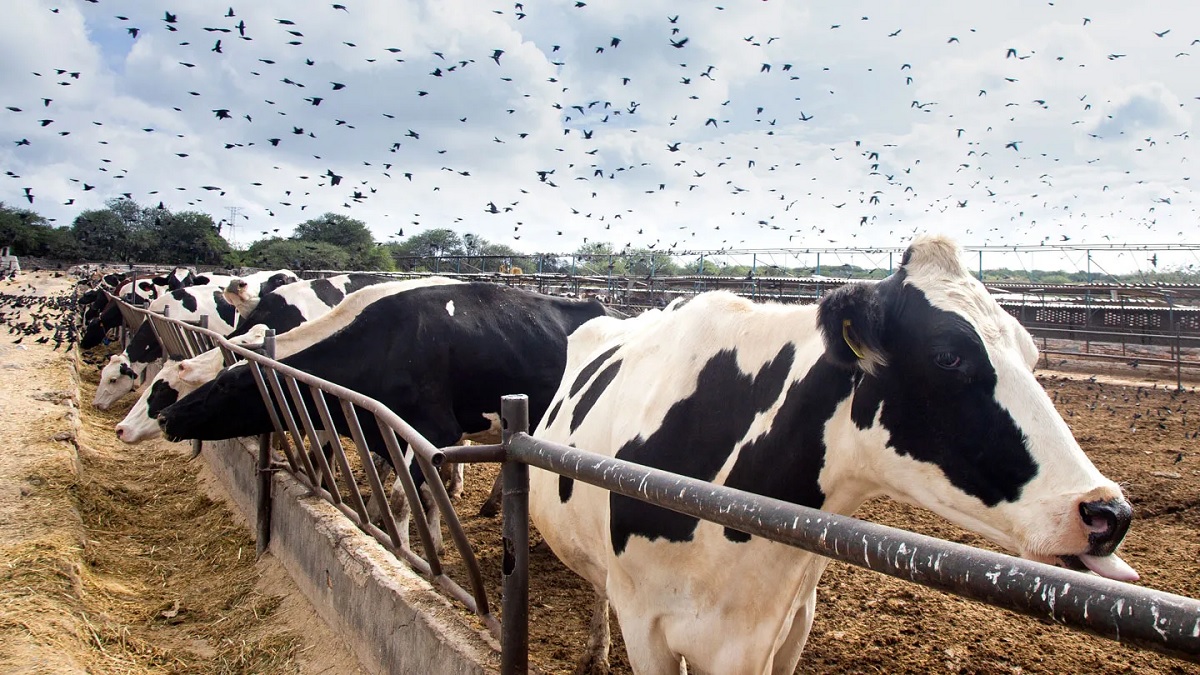
Wondering what are the white birds that hang around cows? These birds are commonly seen in pastures, fields, and farms, often perching on or near cattle. Their presence might make you curious about why they choose to stick close to these large animals. These white birds are usually cattle egrets, a species known for their close relationship with grazing animals. They benefit from this association by feeding on insects disturbed by the cows as they move through grass and soil.
This natural partnership is fascinating because it helps both species—the birds find food easily, and the cows get some relief from pests. Understanding what are the white birds that hang around cows gives insight into how nature creates balanced ecosystems where different animals coexist and support one another. Next time you spot these white birds near cows, you’ll know more about their unique and useful connection.
Common Species of White Birds Around Cows
White birds frequently seen around cows have caught the attention of many nature lovers and farmers alike. These birds often share a symbiotic relationship with grazing animals, benefiting from the insects stirred up by the cows while providing some pest control in return. Among the various species, some are more common around cattle than others. Here’s a closer look at the main white birds that tend to hang around cows.
Cattle Egret
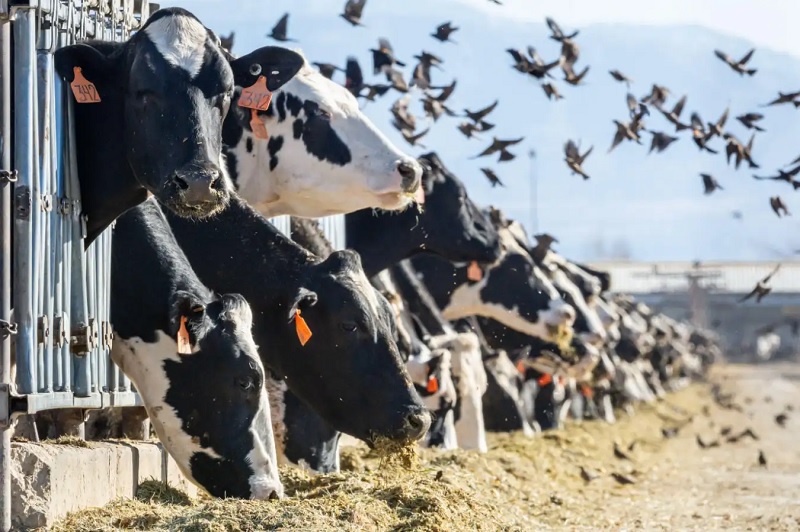
The cattle egret is the most well-known white bird commonly seen near cows. Easily recognizable by its pure white plumage and sturdy yellow bill, this bird has adapted to live in close association with grazing mammals. Native to parts of Asia, Africa, and Europe, cattle egrets have also spread to the Americas and Australia.
They follow livestock such as cows, buffalo, and horses, feeding on insects like flies, grasshoppers, and ticks that get disturbed when the animals move through grass and soil. This behavior benefits both parties: the birds get a steady food supply, while the cows experience fewer irritating pests. Cattle egrets are also known for their patience, often standing still for long periods to spot prey, making them fascinating to observe.
Little Egret
The little egret is another white bird that sometimes appears around cows, especially in wetland or marshy areas near pastures. Smaller than the cattle egret, the little egret has slender black legs and a black bill with a yellow base. It is a graceful bird known for its elegant hunting style, usually found wading in shallow waters hunting fish and amphibians.
Though the little egret’s primary diet differs slightly from that of the cattle egret, it can occasionally be spotted foraging near livestock in areas where both habitats overlap. This bird’s striking white feathers and distinct hunting techniques make it stand out among other white birds found in rural landscapes.
Other Similar White Birds
Besides cattle and little egrets, several other white bird species might be seen around cows, depending on the region. Great egrets, snowy egrets, and some types of herons also share similar habitats and occasionally appear near grazing animals. While these birds often prefer wetlands, ponds, or riverbanks, their occasional proximity to cattle highlights the diversity of birdlife interacting with farm animals.
Each species has unique traits and feeding habits, but their white plumage often leads to confusion among casual observers. Learning to identify key features like bill color, leg color, and size can help distinguish one species from another. Understanding these white birds around cows enriches appreciation for the interconnectedness of farm ecosystems and the wildlife they support.
Behavior and Relationship with Cows
The sight of white birds closely following cows is a common and intriguing part of many rural landscapes. Their behavior and relationship with these large grazing animals reveal a fascinating example of nature’s partnerships. Understanding why these birds stick around cows and how both benefit from this interaction offers insight into a balanced ecosystem where different species coexist harmoniously.
Why These Birds Follow Cows
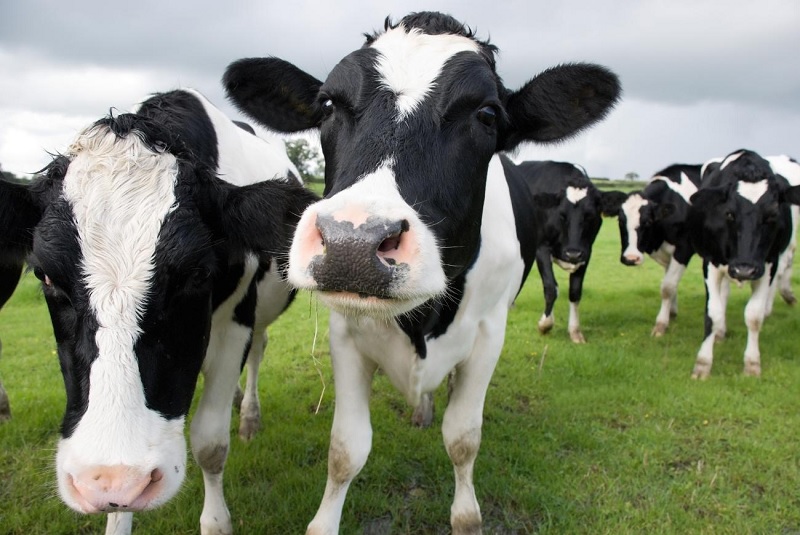
White birds like cattle egrets and other similar species follow cows primarily because these large animals disturb insects and other small creatures as they move through pastures. When cows graze or walk, they stir up grasshoppers, flies, ticks, and other insects hiding in the grass or soil. This disturbance provides the birds with easy access to a reliable food source.
These birds have adapted to take advantage of this opportunity. Instead of wasting energy hunting for prey in less predictable ways, they simply follow the cows and catch the insects that try to escape. This behavior helps the birds conserve energy and increases their feeding efficiency. Additionally, by staying close to cows, the birds gain protection from predators, since their large companions can act as deterrents against threats.
Mutual Benefits for Birds and Cows
The relationship between these white birds and cows goes beyond simple proximity; it is mutually beneficial. For the birds, cows serve as walking insect farms, continuously flushing out food. This dependable food source helps the birds thrive in environments where insects might otherwise be hard to find.
For the cows, the presence of birds brings a valuable service — pest control. Insects like ticks and flies can cause irritation, discomfort, and even transmit diseases to livestock. By eating these pests, the birds reduce the number of parasites bothering the cows, helping to improve their overall health and comfort.
This mutualistic relationship exemplifies how species can support each other’s survival. The birds get an easy meal, while cows experience fewer pests and the associated stresses. Farmers and ranchers often appreciate this natural pest management, as it can reduce the need for chemical interventions.
Habitat and Distribution
White birds that commonly hang around cows are found in diverse regions and environments across the globe. Their habitat preferences and geographical distribution reflect their adaptability and the close relationship they maintain with grazing animals and suitable feeding grounds. Understanding where these birds are commonly found and the types of environments they favor helps in appreciating their ecological roles and behaviors.

Regions Where These Birds Are Common
Many white birds associated with cows, such as the cattle egret, have a widespread distribution. Originally native to parts of Africa, Asia, and Europe, cattle egrets have expanded their range over the past century to include the Americas and Australia, making them one of the most widely distributed bird species linked to livestock.
Little egrets, another species seen near cows, are primarily found across Europe, Africa, and parts of Asia. Other similar white birds, such as great egrets and snowy egrets, are native to regions including North and South America, Africa, and Asia. The expansion of agricultural practices and livestock farming has played a role in the spread of these birds, as they closely follow grazing animals in search of food.
This global distribution means that these white birds are a familiar sight on farms and pastures in many countries, from tropical to temperate zones. Their ability to thrive in a variety of climates and regions makes them resilient and successful at adapting to human-altered landscapes.
Preferred Environments
White birds that follow cows typically prefer open habitats where grazing animals are present. These environments include grasslands, savannas, farmland, and pastures. Such open areas provide ample space for both livestock and birds to coexist comfortably.
Wetlands and marshy areas near grazing lands can also be important habitats, especially for species like the little egret and great egret, which often feed in shallow water. These birds may move between wetland habitats and pasturelands depending on food availability and seasonal changes.
The presence of livestock like cows, buffalo, or horses is a key factor influencing their habitat preference. These animals disturb insects and other small prey as they graze, creating feeding opportunities for the birds. Additionally, the birds often choose habitats where insect populations are abundant, ensuring a reliable food source.
Identifying Features of White Birds Around Cows
White birds commonly seen around cows are often mistaken for one another due to their similar coloration. However, each species has distinct features that help in accurate identification. Learning about their physical characteristics and the subtle differences between species enhances birdwatching experiences and helps farmers and enthusiasts better understand these fascinating birds.
Physical Characteristics
Most white birds that hang around cows share a striking white plumage, which makes them highly visible in pastures and fields. Their feathers are generally smooth and clean-looking, helping them stand out against the green and brown backgrounds of grazing lands.
Cattle egrets, the most common species seen with cows, typically have a compact body with a short neck compared to other egrets. Their legs are yellowish to gray, and their bill is sturdy and yellow, sometimes turning orange during the breeding season. They often display a slight puff of feathers on their heads and necks when in breeding plumage, adding to their distinct look.
Little egrets, on the other hand, are more slender and graceful. They have black legs with yellow feet, which are often visible when they stand in shallow water or on grass. Their bill is long, slender, and black, contrasting with their white feathers. During breeding seasons, little egrets develop delicate plumes on their heads and backs, making them appear even more elegant.
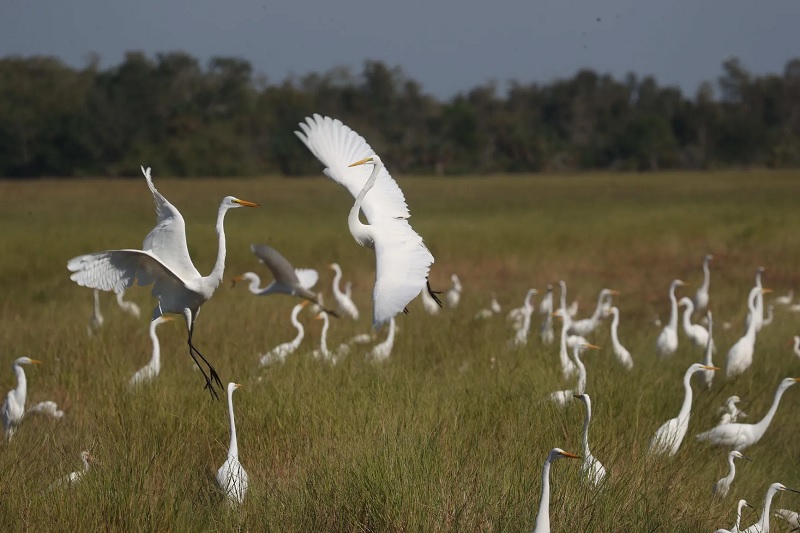
Other white birds around cows, such as great egrets, tend to be larger with longer necks and legs. Great egrets have yellow bills and black legs, and they often hold their necks in a distinctive S-shape while flying or standing.
Differences Between Species
Distinguishing between these white birds requires attention to size, bill color, leg color, and overall posture. Cattle egrets are smaller and stockier compared to the slender and longer-legged little and great egrets. The bill color difference—yellow in cattle and great egrets versus black in little egrets—is a helpful clue.
Leg color is also a key identifier: cattle egrets have yellowish to gray legs, little egrets have black legs with bright yellow feet, and great egrets have black legs without the yellow feet.
Behavior can also provide hints. Cattle egrets often stay very close to grazing animals, following them closely, while little and great egrets may spend more time near water or moving independently.
Ecological Importance of These Birds
White birds that frequently hang around cows play a vital role in maintaining the health of agricultural ecosystems. By feeding on insects such as ticks, flies, and grasshoppers disturbed by grazing animals, they naturally help control pest populations that can harm livestock. This reduces the need for chemical pesticides, promoting a healthier environment for both animals and humans.
Additionally, these birds contribute to biodiversity by supporting balanced food webs and providing benefits to multiple species within their habitats. Their presence indicates a functioning ecosystem where different organisms interact and support one another. Beyond pest control, these birds also help in seed dispersal and nutrient cycling through their feeding and movement patterns. Overall, their ecological role underscores the importance of preserving natural habitats and encouraging sustainable farming practices that allow wildlife and livestock to coexist harmoniously.
How to Observe These Birds Responsibly
Observing white birds around cows offers a wonderful opportunity to connect with nature, but it’s important to do so respectfully and responsibly. Keeping a safe distance ensures that the birds and the livestock remain undisturbed and comfortable in their natural behaviors. Using binoculars or zoom lenses can help you get a closer look without causing stress. Avoid sudden movements or loud noises, which can scare the birds away or disrupt their feeding.
Refrain from feeding the birds or interfering with their environment, as this can negatively affect their natural habits and health. When visiting farms or private lands, always seek permission from the owners and follow any guidelines they provide. By observing these birds thoughtfully, you contribute to their protection and enjoy a more authentic wildlife experience while supporting the balance of the ecosystem they inhabit.
Frequently Asked Questions
What Are The White Birds That Hang Around Cows?
The white birds you often see around cows are mainly cattle egrets. These birds have adapted to live closely with grazing animals, following them to feed on insects disturbed by the cows. Their white feathers, yellowish legs, and stout yellow bills make them easy to recognize. Other similar species like little egrets or great egrets may also be seen near cows, especially in wetter areas.
Why Do These White Birds Follow Cows?
These birds follow cows because grazing animals stir up insects such as flies, ticks, and grasshoppers from the grass. The birds take advantage of this by feeding on these insects, which are easier to catch when disturbed. This behavior helps the birds conserve energy while giving them a steady food source.
Are These Birds Harmful To Cows?
No, these white birds are not harmful to cows. In fact, they provide a benefit by eating parasites like ticks and flies that bother the cows. This natural pest control reduces irritation for the animals and can even help prevent some diseases transmitted by insects.
Where Are These White Birds Usually Found?
You can find these white birds in many regions around the world, especially where livestock grazing is common. Cattle egrets are widespread, inhabiting parts of Asia, Africa, Europe, and the Americas. They prefer open pastures, grasslands, and farmland, often near wetlands or water bodies where similar egret species live.
How Can You Identify Different White Birds Around Cows?
To identify these birds, look at their size, bill, and leg color. Cattle egrets are smaller with yellow bills and legs that range from yellow to gray. Little egrets are more slender with black bills, black legs, and yellow feet. Great egrets are larger with long necks, yellow bills, and black legs. Observing these details helps distinguish the species you see around cows.
Conclusion
White birds commonly seen around cows, especially cattle egrets, play an important role in rural ecosystems. Their close relationship with grazing animals allows them to easily find food by feeding on insects disturbed by the cows. This mutually beneficial partnership helps control pests, improving the comfort and health of livestock. While cattle egrets are the most familiar species, other white birds like little egrets and great egrets can also appear near cows depending on the region.
Understanding what are the white birds that hang around cows deepens appreciation for nature’s interconnectedness and highlights the balance between wildlife and agriculture. Next time you see these striking white birds following cows, you’ll recognize their unique behaviors and ecological importance in supporting healthy farming environments.