
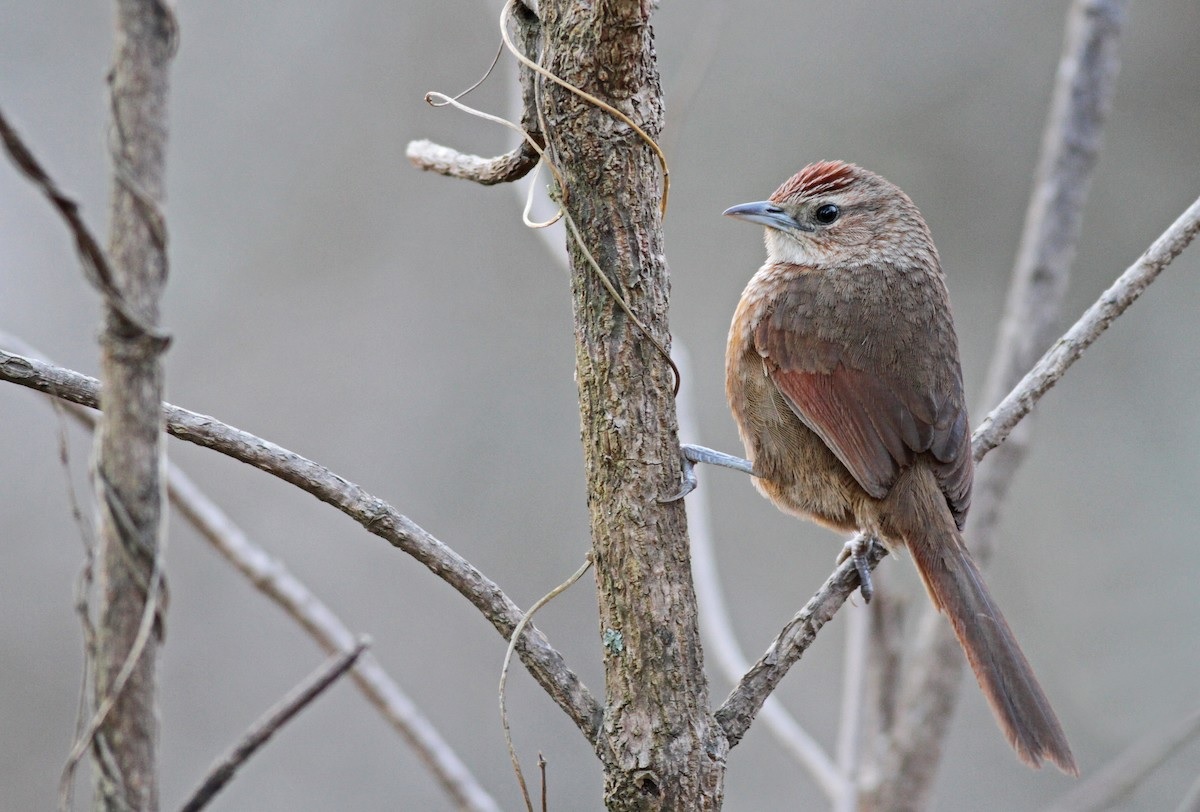
What are thorn birds? This question often comes up when people hear the name for the first time, as it’s not a common term in everyday conversation. Thorn birds are fascinating creatures found primarily in Australia and parts of New Guinea. Known scientifically as Orthonychidae, these birds have a unique and somewhat mysterious reputation. The name “thorn bird” might evoke images of something sharp or prickly, but it actually refers to their behavior of using thorny branches or dense shrubs as part of their nesting process.
These birds are medium-sized, with striking plumage and distinctive calls that add to the charm of the wild landscapes they inhabit. Understanding what are thorn birds means diving into their habits, environment, and role in the ecosystem. They hold a special place in local folklore and birdwatching circles, making them a subject of curiosity for many nature enthusiasts.
What Are Thorn Birds?
What are thorn birds? Thorn birds are a group of birds native mainly to Australia and nearby regions. They get their name from their habit of nesting in thorny shrubs or branches, which helps protect their young from predators. These birds belong to the family Orthonychidae and are known for their melodious songs and striking appearance. Thorn birds are medium-sized, with sturdy bodies and sharp beaks that assist in foraging insects and small invertebrates.
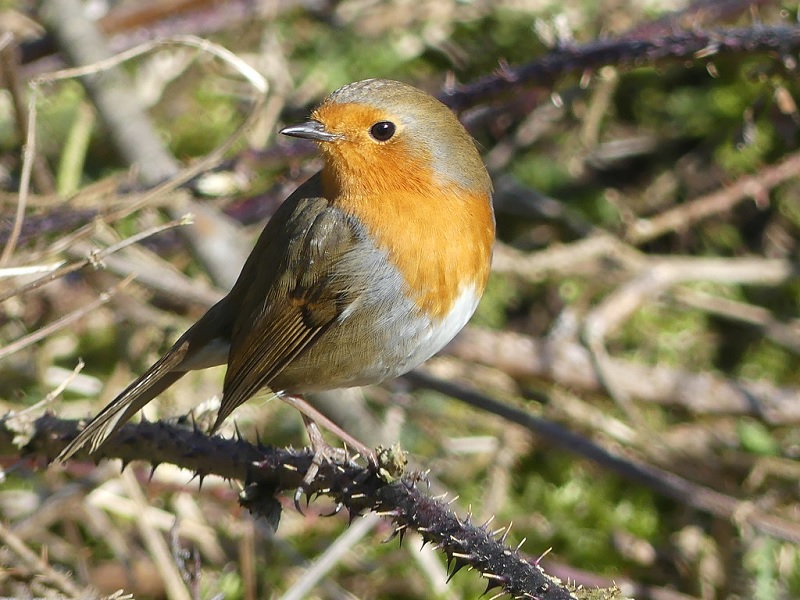
Their unique behavior and habitat preferences make them an interesting subject for bird lovers and researchers alike. Beyond their physical traits, thorn birds play an important role in maintaining the balance of their ecosystems by controlling insect populations. Learning about thorn birds reveals much about the diversity and complexity of wildlife in Australia and surrounding areas.
Origin and Habitat
Thorn birds originate mainly from Australia and parts of New Guinea, where they are well adapted to local environments. They prefer habitats with dense, thorny shrubs and woodlands that provide safety for nesting and abundant insect prey. These thorny plants offer protection from predators, making them ideal for raising their young. Their presence in these specific regions highlights their specialization in living within rugged, insect-rich landscapes.
Geographic Distribution
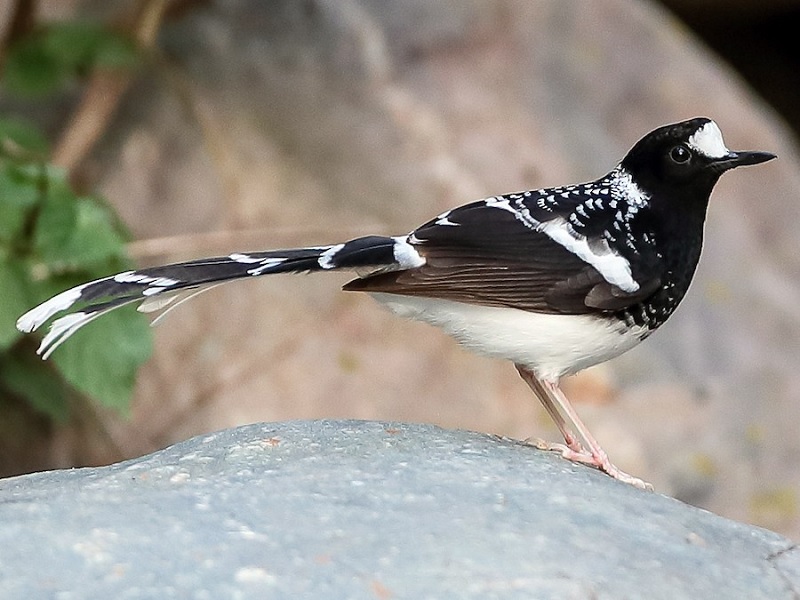
Thorn birds are primarily native to Australia, where they are most commonly found across the eastern and northern regions. These birds also inhabit parts of New Guinea and some nearby islands, making their presence known in a variety of Australasian landscapes.
Their distribution is influenced by the availability of suitable habitats and the climate conditions of these areas. Thorn birds tend to favor regions that provide a good balance of shelter and food sources. While not migratory, they may move locally depending on seasonal changes and resource availability. This geographic spread highlights their adaptability within the ecosystems of these diverse environments.
Preferred Environment
Thorn birds thrive in habitats that offer dense, thorny vegetation, such as scrublands, woodlands, and dry forests. The presence of thorny bushes and shrubs is crucial because these plants offer protection from predators and a secure place to build their nests. This natural barrier helps keep their eggs and chicks safe during the breeding season. Thorn birds often choose areas with abundant insect life, which forms the bulk of their diet.
Open spaces adjacent to dense vegetation allow them to forage effectively while retreating quickly to safety when threatened. They prefer environments that balance cover and open space, which supports their feeding and nesting behaviors. This preference for thorny, protective environments has shaped not only their nesting habits but also their role in the local ecosystem, contributing to insect control and plant health.
Physical Characteristics
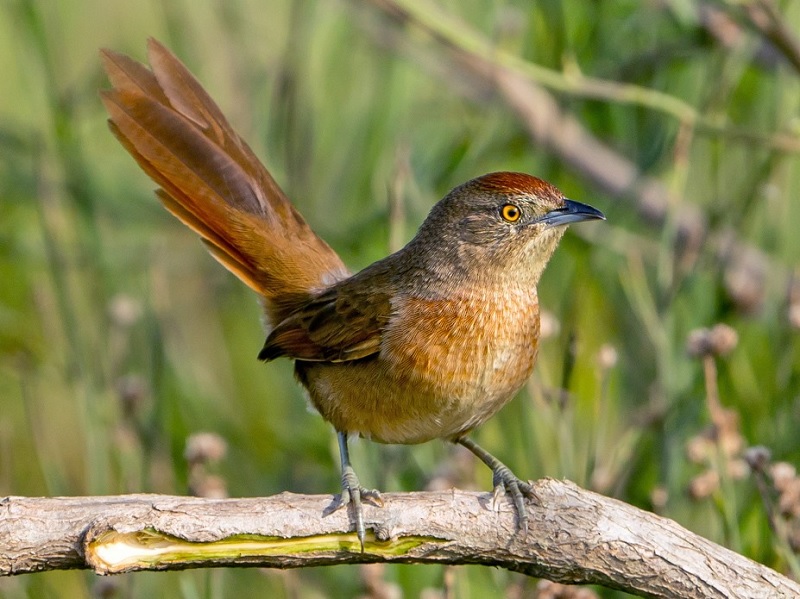
Thorn birds are medium-sized with earthy-toned plumage that helps them blend into thorny shrubs and woodlands. Their sharp, slightly curved beaks are ideal for picking insects from tight spaces. Strong legs and claws allow them to grip thorny branches securely as they move. Known for their melodic calls, thorn birds use vocalizations to communicate and defend territory. These physical traits perfectly suit their environment, aiding in feeding, protection, and social interaction.
Size and Appearance
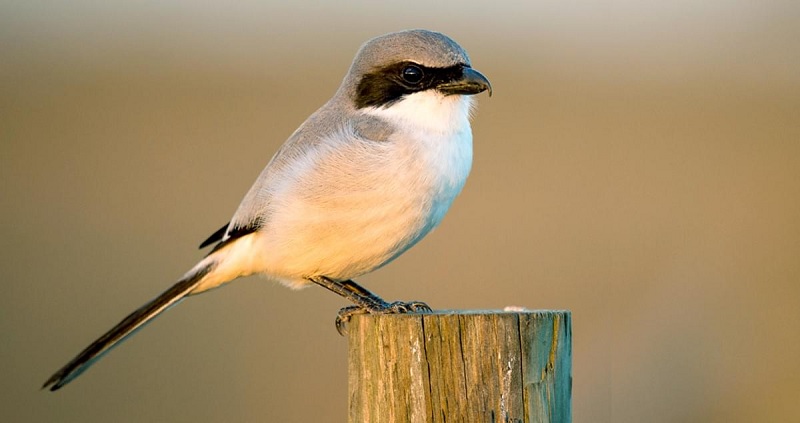
Thorn birds are medium-sized birds, typically measuring between 20 to 30 centimeters in length, depending on the species. Their bodies are compact and sturdy, designed for agility and quick movement through dense vegetation. The plumage of thorn birds often features earthy tones like browns, grays, and muted yellows, which provide excellent camouflage among the thorny bushes and dry woodlands they inhabit.
Some species exhibit subtle patterns or markings on their wings and chest, helping them blend seamlessly into their surroundings. Their eyes are sharp and alert, aiding in spotting insects and other small prey. Overall, thorn birds present a balanced combination of size and coloring that suits their environment perfectly, allowing them to navigate through thick, thorny plants with ease.
Unique Features
One of the most distinctive characteristics of thorn birds is their sharp, slightly curved beak, which is perfectly adapted for foraging. This beak shape allows them to pick insects from crevices and thorny branches efficiently. Another unique feature is their strong legs and feet, which provide a firm grip as they move through dense shrubs and thorny thickets. Their feet often have sharp claws that assist in clinging to rough surfaces.
Additionally, thorn birds are known for their melodious and varied calls, which serve both to communicate with mates and to defend territory. These vocalizations can range from soft whistles to complex trills, making thorn birds recognizable even when hidden from view. Their vocal abilities not only add to their charm but also play a critical role in their social behavior and survival.
Behavior and Diet
Thorn birds mainly feed on insects, using their sharp beaks to forage among thorny branches and leaves. They hunt mostly during early mornings and late afternoons when insects are active, occasionally eating small fruits or seeds. Socially, thorn birds are often territorial, with males singing to defend their area and attract mates. They form monogamous pairs during breeding, working together to raise their young, while outside breeding season, they may be solitary or in small family groups.
Feeding Habits
Thorn birds are primarily insectivorous, meaning their diet mainly consists of insects and other small invertebrates. They use their sharp, curved beaks to carefully pick insects from thorny branches, leaves, and bark. Their feeding habits are highly adapted to their environment; they forage both on the ground and within dense shrubs, making use of their agility and keen eyesight to locate prey.
Thorn birds tend to hunt during the early morning and late afternoon when insects are most active. Occasionally, they may supplement their diet with small fruits or seeds, especially when insect availability is low. This varied diet helps thorn birds survive seasonal changes and fluctuating food supplies in their natural habitats.
Social Behavior
Thorn birds exhibit interesting social behaviors that are key to their survival. Many species are territorial, with males often singing from prominent perches to defend their area and attract mates. Their vocalizations range from soft whistles to complex trills, serving as communication signals between individuals. During breeding season, thorn birds become particularly protective of their nesting sites, which are usually hidden deep within thorny bushes.
Some species form monogamous pairs that work together to build nests and raise their young. Outside of breeding, thorn birds may be seen alone or in small family groups, showing a balance between solitary and social lifestyles. Their ability to communicate and cooperate contributes to their success in challenging environments, where protection and resource defense are vital.
Cultural Significance
Thorn birds hold a special place in culture, symbolizing endurance and resilience. They gained fame through Colleen McCullough’s novel The Thorn Birds, where they represent longing and sacrifice. In Indigenous Australian mythology, thorn birds are seen as protectors and messengers, connected to nature’s balance. Their association with thorny plants highlights themes of survival and protection, making them powerful symbols of overcoming hardship and navigating difficult environments.
In Literature and Media
Thorn birds have captured the imagination of many, largely thanks to their evocative name and mysterious nature. One of the most famous cultural references is the novel The Thorn Birds by Colleen McCullough, which brought widespread attention to these birds outside their natural habitat. Although the novel uses the bird metaphorically rather than focusing on the actual species, it helped embed thorn birds in popular culture as symbols of longing, sacrifice, and unfulfilled desires.
Beyond literature, thorn birds have appeared in various forms of media, including documentaries and wildlife programs that showcase their unique behaviors and habitats. Their presence in storytelling often emphasizes themes of endurance and the harsh beauty of the Australian landscape, making thorn birds an emblematic part of regional identity.
Symbolism and Mythology
In Indigenous Australian cultures, thorn birds hold special symbolic meanings connected to nature and survival. Their association with thorny plants often represents protection and resilience, as these birds are seen as masters of navigating difficult environments safely. Some Aboriginal stories depict thorn birds as messengers or guardians, linking them to spiritual realms and the balance of the natural world.
The bird’s distinctive call is sometimes interpreted as a form of communication between the earthly and the spiritual, deepening its mystical significance. In a broader symbolic sense, thorn birds embody the idea of perseverance through hardship—thriving despite obstacles, much like the thorny bushes they inhabit. This symbolism resonates not only within local cultures but also with anyone familiar with the challenges of survival in tough environments.
Conservation Status
Thorn birds face threats mainly from habitat loss due to land clearing, urban development, and invasive predators like feral cats. Climate change also affects their environment and food sources. Conservation efforts focus on protecting and restoring thorny habitats, controlling invasive species, and monitoring populations. Public awareness and research play key roles in these efforts, aiming to ensure thorn birds continue to thrive in their natural ecosystems despite growing environmental challenges.
Threats to Thorn Birds
Thorn birds, like many native species, face a variety of threats that impact their populations and habitats. One of the most significant challenges is habitat loss due to land clearing for agriculture, urban development, and mining activities. The destruction of thorny shrubs and woodlands reduces the safe nesting sites and food sources essential for their survival.
Additionally, invasive species such as feral cats and foxes pose a direct threat by preying on thorn birds, especially during the breeding season when eggs and chicks are vulnerable. Climate change also contributes to habitat alteration, with increased temperatures and changing rainfall patterns affecting the availability of insects and suitable vegetation. These combined pressures can lead to population declines, making it critical to monitor thorn birds and their environments closely.
Conservation Efforts
Efforts to conserve thorn birds focus primarily on habitat protection and restoration. Preserving natural thorny vegetation through the establishment of reserves and protected areas helps maintain the essential environment these birds rely on. Reforestation projects that include native thorny plants aim to rebuild lost habitats, providing shelter and food for thorn birds and other wildlife. Controlling invasive predators through trapping and removal programs reduces the risks to eggs and young birds, improving breeding success rates.
Conservation organizations also emphasize the importance of research and monitoring to understand population trends and ecological needs better. Public education campaigns raise awareness about thorn birds’ ecological roles and encourage community involvement in conservation activities. Together, these efforts strive to create a sustainable future for thorn birds, balancing human development with the preservation of Australia’s unique biodiversity.
Interesting Facts About Thorn Birds
Thorn birds are fascinating creatures with several unique traits that make them stand out in the bird world. One interesting fact is that their name comes from their preference for nesting in thorny shrubs, which helps protect their eggs and chicks from predators. Despite this defensive strategy, thorn birds are known for their gentle and melodic songs, which can often be heard echoing through Australian woodlands. Another surprising fact is their adaptability; thorn birds can thrive in a range of environments, from dry scrublands to wetter forests.
They are also highly skilled hunters, using their sharp beaks to pick insects from tight spots among thorns and branches. Additionally, thorn birds are known to be territorial, with males often singing loudly to mark their space and attract mates. These behaviors and adaptations highlight how thorn birds have evolved to survive and flourish in challenging habitats.
Frequently Asked Questions
What Are Thorn Birds And Where Are They Found?
Thorn birds are medium-sized birds native primarily to Australia and parts of New Guinea. You’ll often find them in thorny shrubs and dense woodlands, where they build nests protected by sharp branches. These birds have adapted to live in environments that offer both shelter and abundant insect prey. Their natural habitat ranges from dry scrublands to wetter forests, making them well-suited to various Australian and nearby landscapes.
What Do Thorn Birds Look Like?
Thorn birds typically have earthy-toned plumage, with colors like browns, grays, and muted yellows that help them blend into their thorny surroundings. They are medium-sized, usually around 20 to 30 centimeters long, with sturdy bodies. Their sharp, slightly curved beaks are specially designed for picking insects from tight spaces. You’ll also notice their strong legs and claws, which help them grip thorny branches as they move through dense vegetation.
What Do Thorn Birds Eat?
Thorn birds mainly feed on insects, such as beetles, ants, and caterpillars, which they skillfully forage from thorny branches and leaves. They hunt mostly during early mornings and late afternoons when insects are most active. Occasionally, they supplement their diet with small fruits or seeds, especially when insects are scarce. This diet helps them stay nourished across different seasons and varying food availability.
How Do Thorn Birds Behave Socially?
You’ll find thorn birds often display territorial behavior, especially during breeding seasons. Males sing from high perches to defend their territory and attract mates, using melodious and varied calls. They generally form monogamous pairs that work together to build nests and raise their young. Outside of breeding, thorn birds can be solitary or found in small family groups, balancing social interaction with individual survival strategies.
Are Thorn Birds Threatened Or Endangered?
While thorn birds are not currently listed as endangered, they face threats mainly due to habitat loss from land clearing, urbanization, and invasive predators like feral cats. Climate change also impacts their habitat and food sources. Conservation efforts focus on protecting their thorny shrub habitats, controlling invasive species, and raising public awareness. These initiatives help ensure thorn birds continue to thrive in their natural environments.
Conclusion
Thorn birds are remarkable creatures uniquely adapted to thrive in the rugged landscapes of Australia and New Guinea. Known for their distinctive habit of nesting in thorny shrubs, these birds combine clever survival strategies with striking physical traits like sharp beaks and melodic calls. Their insect-based diet and territorial behaviors reveal a species finely tuned to its environment.
Beyond their ecological role, thorn birds hold cultural significance through literature and Indigenous mythology, symbolizing resilience and protection. While they face challenges from habitat loss and invasive predators, ongoing conservation efforts offer hope for their future. Understanding what thorn birds are helps us appreciate not only their natural beauty but also the delicate balance they maintain within their ecosystems, reminding us of the importance of preserving wildlife and their habitats.