
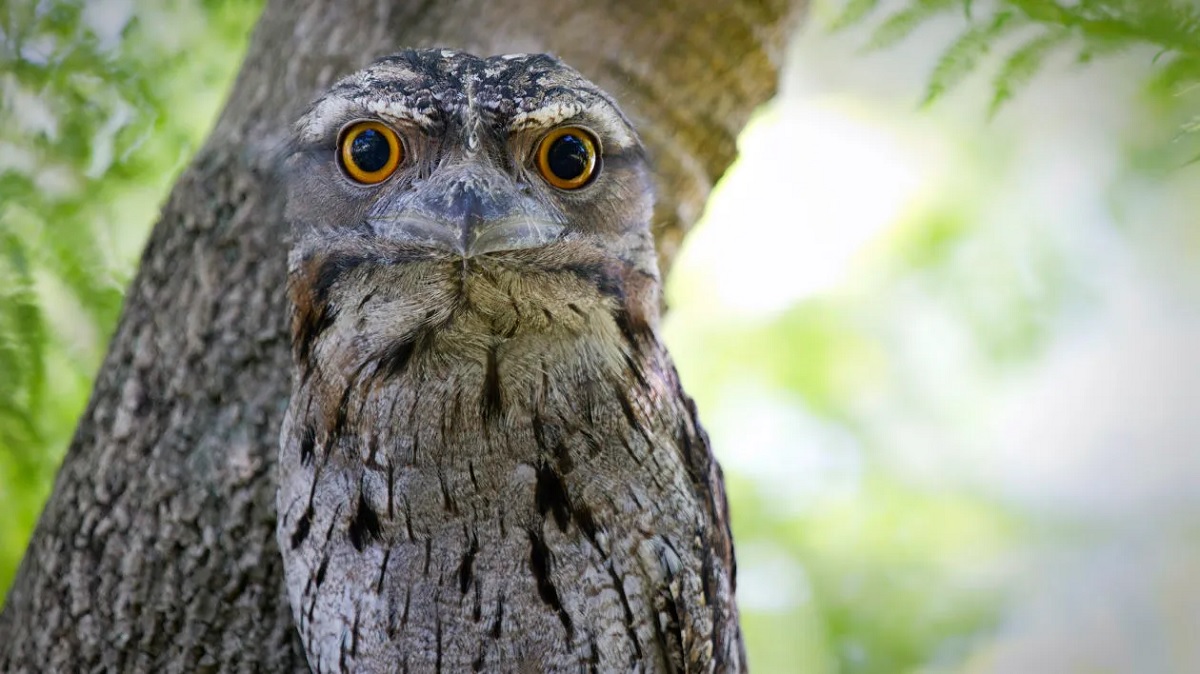
When it comes to the animal kingdom, birds have some fascinating adaptations, especially when it comes to their vision. You might be surprised to learn that what bird can’t move its eyeballs is actually a well-known question among bird enthusiasts and scientists alike. Unlike humans, most birds have fixed eyeballs that don’t move within their sockets. Instead of moving their eyes, they turn their entire head to look around, giving them a wide range of vision without moving their eyeballs at all.
One famous example is the owl, which is often asked about in the context of this question. Understanding which birds can’t move their eyeballs helps us appreciate the unique ways these creatures have evolved to survive and hunt. This introduction will explore the specific bird species that can’t move their eyeballs, why this trait exists, and how it impacts their behavior and survival in the wild.
Which Bird Can’t Move Its Eyeballs?
When it comes to birds and their vision, one of the most intriguing questions is: which bird can’t move its eyeballs? The answer might surprise you. Most birds actually have eyes that are fixed firmly in their sockets, meaning they cannot move their eyeballs independently like humans can. Instead, birds rely on moving their entire head to change their field of vision. Among these birds, owls are perhaps the most famous example known for their immobile eyeballs. This unique adaptation plays a crucial role in how they hunt and navigate their environment, but to fully understand why, we need to dive into the anatomy of their eyes.
Anatomy of the Bird’s Eye
Birds have some of the most specialized eyes in the animal kingdom. Their eyes are generally large relative to their head size, allowing for excellent vision, which is essential for spotting prey or navigating complex environments. Unlike humans, who have spherical eyeballs that can rotate within their sockets, bird eyes tend to be more tubular or elongated. This shape fits tightly within the skull, leaving little room for eyeball movement.
Inside the eye, birds have a highly developed retina with more photoreceptor cells, which enhances their ability to see fine details and detect motion. Additionally, birds have a structure called the sclerotic ring—a bony support around the eye—that helps maintain the shape of the eyeball but also limits its movement. This rigid structure is part of why birds can’t roll or shift their eyes independently.
Why Some Birds Have Immobile Eyeballs
The inability of certain birds to move their eyeballs is actually an evolutionary trade-off. Birds like owls, hawks, and other raptors need extremely sharp, focused vision for hunting. Their tubular eyes provide a narrow, binocular field of view with incredible depth perception. However, because their eyes are so specialized and securely fixed, they must compensate by moving their heads instead.
Owls, in particular, have evolved the ability to rotate their heads up to 270 degrees. This extraordinary neck flexibility allows them to scan their surroundings without moving their bodies or shifting their gaze with their eyes. It’s a perfect example of how evolution finds different ways to solve a problem—in this case, maximizing vision while maintaining a fixed eyeball position for better focus and protection.
The Woodpecker: A Prime Example
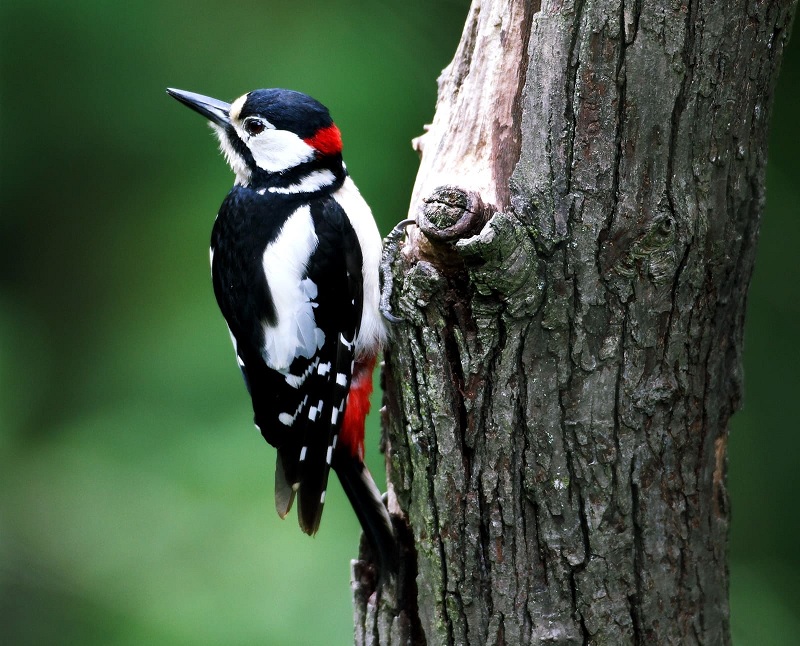
Woodpeckers are some of the most fascinating birds in the animal kingdom, especially when it comes to their unique visual adaptations. They serve as a prime example of birds that can’t move their eyeballs within their sockets. This immobility might seem like a limitation, but woodpeckers have evolved remarkable ways to overcome this challenge and thrive in their environment. Understanding the woodpecker’s eye structure and the adaptations it has developed sheds light on how this bird manages precise and quick movements while pecking at trees.
Eye Structure and Adaptations
Like many other birds with immobile eyeballs, woodpeckers have eyes that are firmly set in their skulls. Their eyeballs are somewhat tubular and surrounded by a strong bony ring called the sclerotic ring, which provides structural support but restricts eye movement. This anatomical feature prevents the woodpecker from rotating or shifting its eyes inside the socket, meaning it must rely on other strategies to see effectively.
Additionally, woodpeckers have evolved exceptional visual acuity and depth perception to support their lifestyle. Their eyes are positioned on the sides of their heads, giving them a wide field of view to detect predators and navigate through dense forests. Despite the lateral placement, their brains process the input to create a clear, three-dimensional image necessary for accurately targeting insects beneath tree bark.
How Woodpeckers Compensate for Immobile Eyeballs
Because woodpeckers can’t move their eyes independently, they have developed other ways to adjust their vision. One key adaptation is the ability to move their heads with great precision and speed. By turning or tilting their heads, woodpeckers can scan their environment and focus on specific spots without needing to move their eyeballs.
Moreover, woodpeckers have incredibly strong neck muscles that allow rapid head movements while maintaining stability during pecking. This stability is crucial because their fixed eyes must remain steady to avoid blurry vision caused by constant jolting. To support this, their brains are highly adept at processing rapid visual information and filtering out motion disturbances.
Another fascinating adaptation involves the woodpecker’s nictitating membrane—a translucent third eyelid—that protects the eye during the forceful impacts of pecking. This membrane helps shield the eye from debris and keeps the vision clear without requiring eyeball movement.
Other Birds with Limited Eye Movement
While the woodpecker is a great example of a bird with immobile eyeballs, it’s far from the only one. Several other bird species, especially among raptors and nocturnal hunters, also have limited or no eye movement. Understanding these birds helps illustrate the diversity of eye adaptations in the avian world and how different species have evolved to cope with the challenges of fixed eyeballs.
Owls
Owls are perhaps the most famous birds known for their inability to move their eyeballs. Their eyes are large and tubular, fixed firmly in their skulls to provide exceptional binocular vision and depth perception—critical for hunting in low light conditions. Since their eyes can’t rotate, owls compensate by having an extraordinary range of head rotation, capable of turning up to 270 degrees. This unique neck flexibility allows owls to scan their surroundings without moving their bodies, making them stealthy and efficient predators at night.
The fixed position of their eyeballs enhances their focus and sharpness of vision, especially in dim environments, but it also means owls rely heavily on their ability to swivel their heads rapidly and precisely.
Hawks and Eagles
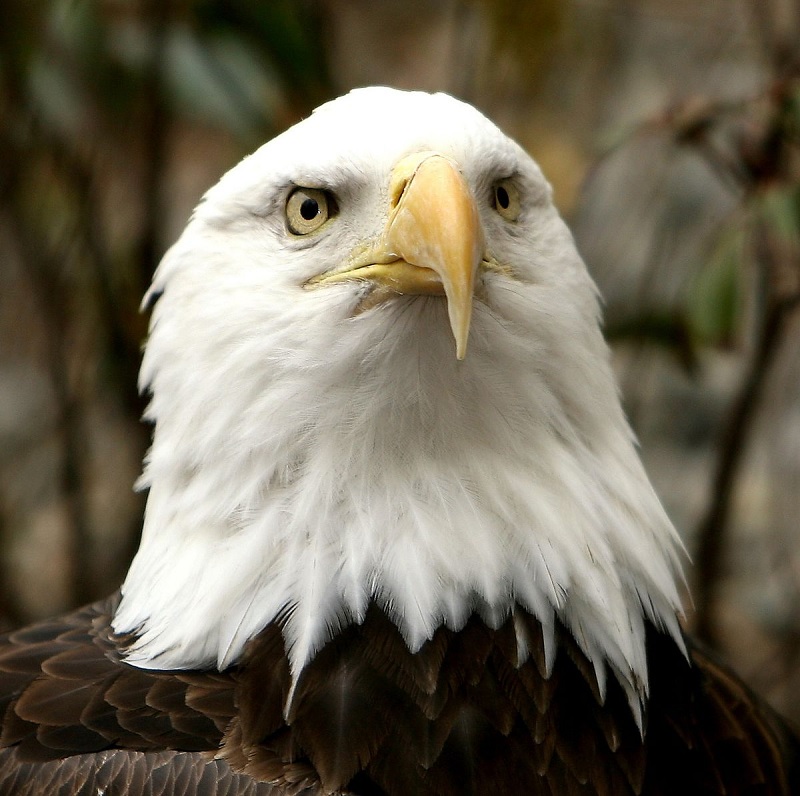
Like owls, hawks and eagles possess eyes that are generally immobile within the sockets. These powerful raptors have forward-facing eyes that provide excellent depth perception—essential for spotting prey from great distances during flight. Their eyeballs are protected and supported by a rigid bony structure, which limits eye movement but enhances visual stability.
To compensate, hawks and eagles move their heads to adjust their view and track prey. Their keen eyesight combined with head mobility allows them to be highly effective hunters. Unlike owls, these diurnal birds rely on bright daylight and long-distance vision, but the underlying eye immobility principle remains the same.
Comparisons with Birds that Have Mobile Eyeballs
Not all birds have fixed eyes; some species can move their eyeballs to varying degrees. For instance, many songbirds and pigeons have more flexible eye muscles, allowing them to shift their gaze without moving their heads. This ability can be useful for quick scanning of the environment, especially in open habitats where head movement might give away their position.
However, birds with mobile eyeballs often trade off the intense visual focus and protection that fixed, tubular eyes provide. For raptors and birds like owls and woodpeckers, immobile eyeballs combined with specialized head movements result in superior hunting precision and visual clarity.
Evolutionary Reasons for Eyeball Immobility in Birds
Birds have evolved a remarkable variety of eye structures and vision adaptations to survive in diverse environments. One such adaptation is the immobility of their eyeballs—a trait that might seem limiting at first but actually offers several evolutionary benefits. Understanding why many birds have fixed eyes involves exploring the need for protection, visual stability, and hunting efficiency, all crucial for survival in the wild.
Protection and Stability
One of the primary reasons for eyeball immobility in birds is protection. Many birds, especially those that peck, hunt, or fly at high speeds, are exposed to physical impacts and rapid movements that could potentially damage delicate eye tissues. By having their eyeballs fixed securely within the skull, supported by a bony structure called the sclerotic ring, birds protect their eyes from injury.
This rigidity also provides visual stability. When birds perform rapid head movements—like woodpeckers hammering into tree trunks or hawks diving at prey—the immobile eyeballs remain stable inside the socket. This stability prevents the blurring of vision that would otherwise occur if the eyes moved freely with every motion. In other words, fixed eyeballs help maintain a clear and focused image despite fast and often violent movements.
Hunting and Feeding Advantages
The evolutionary pressure to develop immobile eyeballs is especially strong among predatory birds. For hunters like owls, hawks, and eagles, sharp vision and precise depth perception are critical. Their tubular, fixed eyes allow for enhanced binocular vision, which is essential for judging distances accurately when swooping down on prey.
Because the eyes are immobile, the shape and structure can be optimized for focused, high-resolution vision. This means the retina and other internal components are arranged to maximize light intake and image clarity, giving these birds an edge in spotting even the smallest movements from far away.
Instead of moving their eyes, these birds have evolved exceptional neck flexibility and head mobility, allowing them to scan their environment without compromising the integrity of their specialized eyes. This evolutionary trade-off ensures that while the eyeballs remain fixed and protected, the bird can still look around efficiently and react quickly.
How Birds Compensate for Lack of Eyeball Movement
Many bird species cannot move their eyeballs independently, which might seem like a disadvantage at first glance. However, birds have developed remarkable strategies to overcome this limitation. Through specialized head movements, flexible necks, and unique vision adaptations, birds maintain their ability to scan their environment effectively and hunt or navigate with precision.
Head Movement and Neck Flexibility
Since their eyeballs are fixed in place, birds rely heavily on moving their heads to shift their gaze. This means turning, tilting, or rotating the entire head to look around. Birds like owls and woodpeckers demonstrate extraordinary neck flexibility, allowing them to compensate for their immobile eyeballs.
Owls, in particular, are famous for their ability to rotate their heads up to 270 degrees. This extensive range of motion is possible because of their unique vertebral structure, which includes extra neck bones and large blood vessels that allow for safe and smooth rotation without cutting off blood flow to the brain. This head mobility lets owls scan their surroundings thoroughly while staying almost motionless, an advantage when hunting prey stealthily.
Similarly, woodpeckers have strong neck muscles and precise head movements that help them maintain visual focus while rapidly pecking at tree bark. By moving their heads instead of their eyes, they can accurately target insects hiding beneath the surface.
Vision Adaptations
Beyond head and neck movement, birds with immobile eyeballs have evolved special vision adaptations to enhance their ability to see clearly and react quickly. Many of these birds have large, tubular-shaped eyes that maximize the amount of light entering the eye, improving visual acuity and depth perception.
Additionally, birds like hawks and eagles have forward-facing eyes that provide excellent binocular vision, allowing for precise distance judging—critical for catching fast-moving prey. Their brains process visual information rapidly, helping them react to movement with remarkable speed.
Some birds also have a protective nictitating membrane, a translucent third eyelid that shields the eye during intense activities like pecking or flying at high speeds. This membrane keeps their vision clear while offering additional protection since their eyeballs cannot move to avoid damage.
Frequently Asked Questions
What Bird Can’t Move Its Eyeballs?
You might be surprised to learn that many birds can’t move their eyeballs independently. Birds like owls, woodpeckers, hawks, and eagles have fixed eyeballs firmly set within their skulls. Instead of moving their eyes, these birds compensate by moving their heads. For example, owls can rotate their heads up to 270 degrees to scan their surroundings because their eyes are tubular and immobile. This adaptation helps them maintain sharp, focused vision necessary for hunting and survival.
Why Can’t Some Birds Move Their Eyeballs?
The primary reason some birds can’t move their eyeballs is due to the shape and structure of their eyes. Many birds have tubular or elongated eyes supported by a rigid bony ring called the sclerotic ring. This ring helps protect the eye and maintain its shape but restricts movement inside the socket. This immobility provides stability and sharp focus, especially important for predatory birds that need excellent depth perception and visual clarity.
How Do Birds With Immobile Eyeballs See Around Without Moving Their Eyes?
Since these birds cannot shift their eyeballs, they rely heavily on moving their heads and necks. Birds like owls and woodpeckers have incredibly flexible necks that allow them to turn or tilt their heads in various directions. This head mobility lets them scan the environment thoroughly without moving their eyeballs. This way, they can maintain visual focus while still keeping an eye on their surroundings.
Do All Birds Have Immobile Eyeballs?
No, not all birds have immobile eyeballs. While many raptors and certain species like woodpeckers have fixed eyes, other birds—such as songbirds and pigeons—can move their eyeballs to some degree. Birds with more mobile eyes usually live in open environments where subtle eye movements help them scan for predators or food without the need for large head movements.
What Are The Advantages Of Having Immobile Eyeballs For Birds?
Having immobile eyeballs offers birds several advantages, especially for hunting and protection. The rigid structure keeps the eye stable during rapid or forceful movements, like pecking or diving after prey, preventing vision blur. It also allows for a specialized eye shape that enhances visual acuity and depth perception, critical for predators like owls and hawks. Additionally, fixed eyes are better protected against injury during physical impacts.
How Do Birds Protect Their Eyes If They Can’t Move Them?
Birds with immobile eyeballs have evolved protective features to safeguard their vision. One important adaptation is the nictitating membrane, a translucent third eyelid that sweeps across the eye to clear debris and provide protection during activities like pecking or flying through dense foliage. The strong bony support around their eyes also helps shield the eyeball from damage, ensuring that their fixed eyes remain functional and sharp.
Conclusion
Many birds—including owls, woodpeckers, hawks, and eagles—can’t move their eyeballs due to their unique eye anatomy. Their fixed, tubular eyes are supported by strong bony structures that provide stability and protect their vision, especially during rapid or forceful movements. Instead of moving their eyes, these birds rely on remarkable head and neck flexibility to scan their surroundings effectively.
This adaptation enhances their hunting precision and helps them navigate their environment safely. Understanding which birds can’t move their eyeballs reveals the incredible ways nature has tailored vision to meet specific survival needs. So, while it may seem like a limitation, immobile eyeballs are actually a powerful evolutionary advantage for many bird species.