
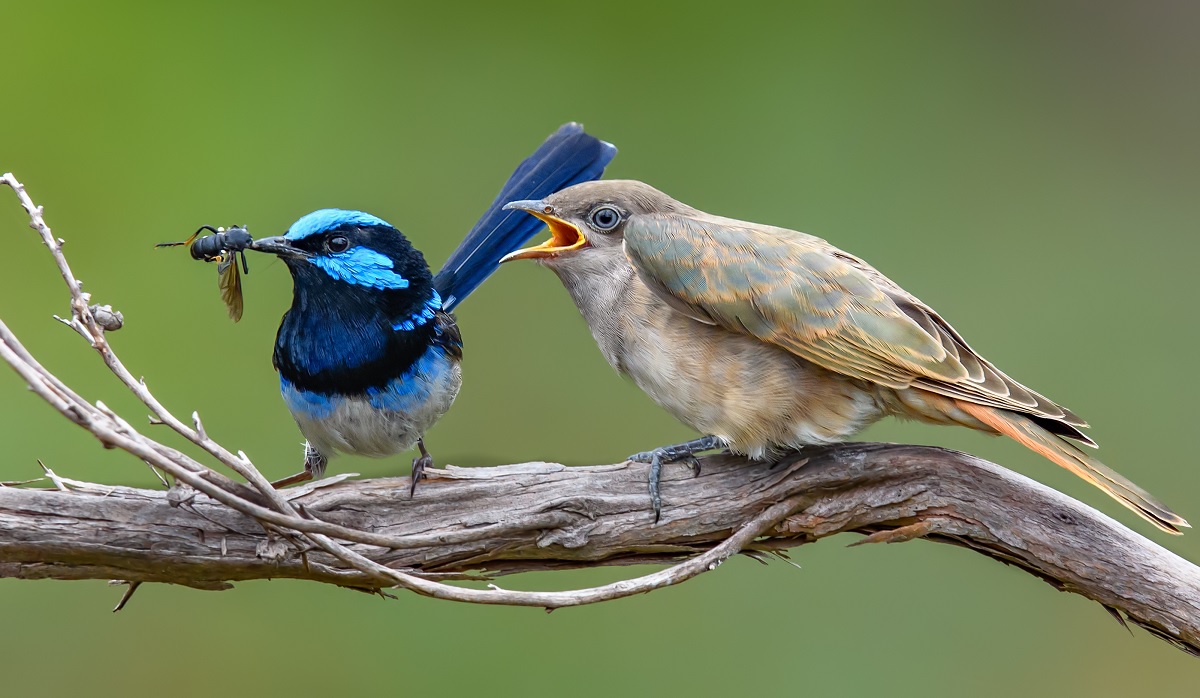
When we think about birds, one of the first things that comes to mind is that they lay eggs. However, the question, “what bird doesn’t lay eggs?” might surprise many people because laying eggs is a defining characteristic of birds. In reality, all birds lay eggs as part of their reproductive process—this is fundamental to their biology. So, the answer to what bird doesn’t lay eggs is actually none; every bird species lays eggs.
However, some creatures are often mistaken for birds and don’t lay eggs, which leads to confusion. For example, male seahorses carry babies, but they are not birds. This topic often raises curiosity because it challenges what we assume about birds and reproduction. In this introduction, we’ll explore this idea, clear up common misunderstandings, and explain why every bird, without exception, lays eggs as part of its life cycle.
Understanding Bird Reproduction
Bird reproduction is a fascinating and essential aspect of avian biology. Like all animals, birds have evolved reproductive strategies that ensure the survival of their species. The most distinctive feature of bird reproduction is their egg-laying process, which plays a crucial role in nurturing the next generation. Understanding how birds reproduce not only reveals interesting details about their life cycle but also helps clarify common questions—such as what bird doesn’t lay eggs—which often cause confusion.
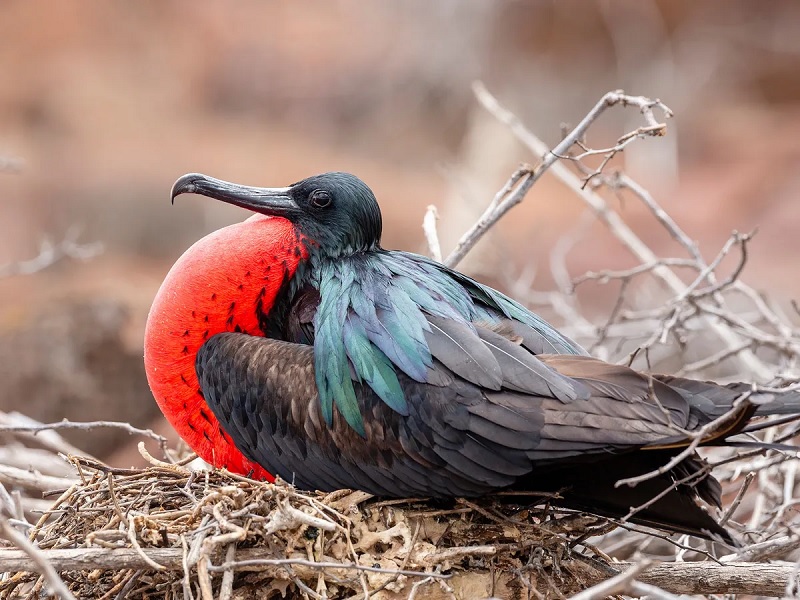
The Egg-Laying Process in Birds
All bird species reproduce by laying eggs. This process begins internally, where female birds produce eggs within their ovaries. The egg consists of several parts: the yolk, which provides nutrition; the albumen, or egg white, which cushions and protects the yolk; and the shell, which offers a hard protective barrier. Once the egg is fully formed, it travels through the oviduct, where layers of albumen and shell are added.
The female bird then lays the egg in a nest or safe environment, depending on the species. After laying, incubation begins, either by the mother, the father, or both parents, depending on the bird’s habits. Incubation is critical for maintaining the egg’s temperature and ensuring proper development of the embryo inside. The duration of incubation varies widely—from about 10 days in small songbirds to over 80 days in some large birds like albatrosses.
This egg-laying and incubation process is vital because it allows birds to reproduce in diverse environments, from deserts to rainforests. The eggs themselves are adapted to these environments, with variations in size, shape, and shell thickness.
Exceptions in Bird Reproduction
While the egg-laying process is universal among birds, there are a few interesting exceptions and unique reproductive behaviors worth noting. For example, some bird species like the kiwi lay remarkably large eggs relative to their body size—up to 20% of their body weight! This makes the reproductive process physically demanding but ensures well-developed chicks at hatching.
Another unique case involves brood parasitism, where species such as the cuckoo lay their eggs in the nests of other birds, relying on the host to incubate and raise their young. Although the cuckoo itself lays eggs, its reproductive strategy is quite different from typical bird parenting.
Importantly, despite all these variations, no bird species bypasses egg-laying altogether. This means the answer to what bird doesn’t lay eggs remains consistent: all birds lay eggs. Unlike mammals, which give birth to live young, birds’ reproduction revolves around the egg, making it one of the defining characteristics of the class Aves.
Birds That Don’t Lay Eggs
The question of birds that don’t lay eggs often puzzles many, as laying eggs is a fundamental trait of all birds. In reality, every bird species does lay eggs, but when we look deeper into reproductive roles, especially regarding male birds, there are fascinating exceptions and unique behaviors worth exploring. While no bird entirely skips egg-laying, understanding male birds’ roles and some exceptional cases highlights the diversity of avian reproduction.

Male Birds and Reproduction
In the bird world, it’s always the female that lays eggs—this is an essential part of their biology. Male birds, on the other hand, do not produce eggs but play critical roles in courtship, mating, and often in caring for the eggs and chicks. Male birds might build nests, protect the territory, or incubate the eggs to help ensure their offspring survive.
The idea of birds that don’t lay eggs often comes from focusing on these male behaviors. Since males don’t lay eggs, it’s easy to mistakenly think some birds don’t lay eggs at all. However, this confusion fades once we remember that egg production is strictly a female function. The fascinating roles males take on in raising young highlight the cooperative nature of bird reproduction.
The Case of the Male Emperor Penguin
One of the most remarkable examples of male involvement in reproduction is the emperor penguin. Unlike most birds, male emperor penguins take on the critical job of incubating the egg during the harsh Antarctic winter. After the female lays a single large egg, she transfers it to the male, who carefully balances it on his feet and covers it with a feathered skin fold called a brood pouch.
For about two months, the male fasts and endures freezing temperatures while keeping the egg warm and safe. This incredible commitment allows the female to return to the ocean to feed and regain strength. Although male emperor penguins do not lay eggs, their role is vital to the survival of their chick, making their reproductive contribution unique among birds.
Other Unique Bird Reproductive Behaviors
Beyond the emperor penguin, many bird species display unusual reproductive behaviors. For example, some male jacanas are responsible for incubating eggs and caring for hatchlings, while females compete for mates. In the brood parasitic cuckoo species, the female lays eggs in the nests of other birds, leaving the responsibility of incubation and feeding to the unsuspecting hosts.
Despite these variations, no bird species completely avoids egg-laying. The egg remains the universal reproductive link for all birds, reinforcing that while males do not lay eggs, their roles in nurturing and protecting offspring are often extraordinary.
Birds with Alternative Reproductive Strategies
Birds have evolved a variety of reproductive strategies to increase the chances of their offspring surviving and thriving. While most birds follow the traditional route of building nests, laying eggs, and raising their chicks, some species have developed alternative strategies that challenge our understanding of avian reproduction. One of the most fascinating and well-known alternative reproductive behaviors is brood parasitism. This strategy allows certain birds to avoid the responsibilities of raising their young by exploiting the parental care of other bird species.
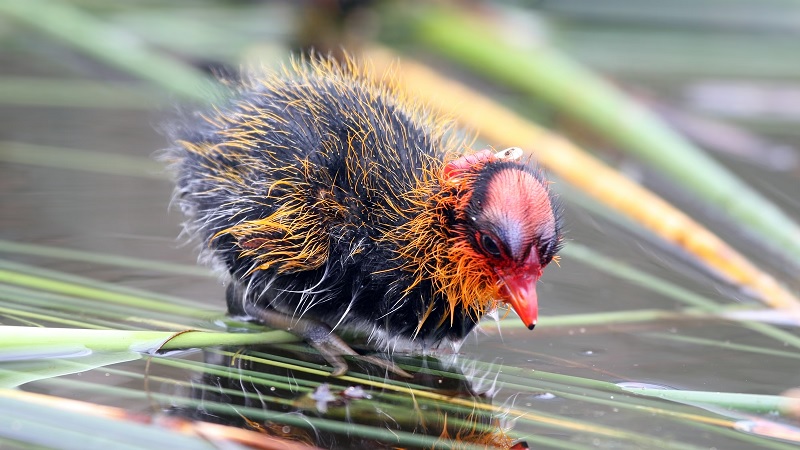
Brood Parasitism Explained
Brood parasitism is a reproductive tactic where a bird lays its eggs in the nests of other bird species, leaving the host birds to incubate the eggs and raise the parasitic chicks. This means the parasitic bird bypasses the energy and time-consuming tasks of nest-building, incubation, and chick-rearing.
This strategy has clear advantages for the parasitic species—it frees up resources to lay more eggs or focus on other survival tasks. However, it poses significant challenges for the host birds, who often end up investing in offspring that are not their own. Many brood parasites have evolved remarkable adaptations, such as eggs that mimic the appearance of their host’s eggs to avoid detection and rejection.
Examples of Birds Involved in Brood Parasitism
Perhaps the most famous brood parasite is the common cuckoo. The female cuckoo carefully chooses the nests of smaller songbirds and lays her eggs there. Once hatched, cuckoo chicks often push the host’s eggs or chicks out of the nest, monopolizing parental care. This ruthless behavior increases the cuckoo chick’s survival chances at the expense of the host’s own young.
Another example includes cowbirds, native to the Americas. Brown-headed cowbirds lay their eggs in the nests of a wide variety of other birds. Unlike cuckoos, cowbird chicks typically do not evict other nestlings but still compete aggressively for food, often outcompeting the host’s chicks.
Even within brood parasitism, there are differences in how species manage this strategy. Some parasitic birds, like the black-headed duck of South America, lay eggs in the nests of waterfowl. Interestingly, their chicks are relatively independent after hatching and do not require feeding from the host, which reduces the cost to the host species.
While brood parasitism is a fascinating alternative reproductive strategy, it’s important to note that these parasitic birds still lay eggs—just not in their own nests. This confirms that, despite the variety of reproductive behaviors, all birds lay eggs, whether in their own nests or others’.
Why All Female Birds Lay Eggs
Birds are among the most diverse and fascinating creatures on Earth, yet one fact remains universal across all species: all female birds lay eggs. This essential characteristic defines them as members of the class Aves and plays a critical role in their reproduction and survival. Understanding why egg-laying is a biological necessity for female birds helps clarify many questions about their life cycles and evolutionary history.
Biological Necessity of Egg-Laying
Egg-laying is fundamental to bird reproduction because it provides a safe and nutrient-rich environment for the developing embryo outside the mother’s body. Unlike mammals, which give birth to live young, birds rely on eggs to protect and nourish their offspring during the crucial early stages of development.
Inside each egg, the yolk supplies essential nutrients, while the albumen (egg white) cushions and protects the embryo. The hard shell serves as a barrier against physical damage and microbial invasion but still allows gas exchange, which is vital for the embryo’s respiration. This unique combination enables embryos to develop in a controlled environment, even in habitats that might otherwise be hostile.
For female birds, producing eggs is energetically demanding but necessary for species survival. The process ensures the embryo has everything needed to grow until it is ready to hatch. Because this mechanism is so effective, it remains unchanged across millions of years of avian evolution.
Evolutionary Perspective
From an evolutionary perspective, egg-laying is an ancient trait that dates back to the earliest ancestors of modern birds. Birds evolved from reptiles, which also reproduce by laying eggs. This evolutionary continuity highlights the efficiency of egg-laying as a reproductive strategy.
Over millions of years, natural selection has refined the egg-laying process to maximize the survival of offspring. For example, variations in egg size, shape, and shell thickness have adapted to different environmental conditions and nesting habits. These adaptations increase the chances that chicks hatch healthy and ready to thrive.
Moreover, the evolutionary success of egg-laying birds is evident in their incredible diversity—more than 10,000 species today all share this trait. This widespread success confirms that egg-laying is not just a quirk but a deeply ingrained biological necessity.
Myths and Misconceptions
Birds and their reproductive habits have fascinated humans for centuries, but with that fascination comes a fair share of myths and misconceptions. These misunderstandings often lead to confusion about basic facts—especially regarding what bird doesn’t lay eggs. In reality, all birds lay eggs, but several myths have distorted public perception over time. Let’s clear up some of the most common misunderstandings about birds and eggs.
Common Misunderstandings About Birds and Eggs
One of the most widespread myths is the idea that some birds don’t lay eggs at all. This confusion often arises from observing male birds, which obviously don’t lay eggs, or from mixing up birds with other animals that give birth to live young. Unlike mammals, which carry their young internally and give birth to live offspring, all bird species reproduce by laying eggs. So, the simple truth is: no bird skips this vital step in their reproductive cycle.
Another misconception involves the belief that birds can lay eggs without mating. While some bird species are capable of parthenogenesis—a rare form of asexual reproduction where females produce offspring without fertilization—this is extremely uncommon and mostly documented in captive populations of certain birds like turkeys or finches. In natural settings, mating is required for viable eggs.
Many people also misunderstand the role of male birds in reproduction. Since males do not lay eggs, it’s sometimes wrongly assumed that the males are not involved in the reproductive process. In truth, male birds often play crucial roles in courtship, nest building, defending territory, and incubating eggs. The emperor penguin, for example, famously relies on males to incubate eggs under harsh Antarctic conditions.
There’s also confusion about the size and number of eggs birds lay. Some believe larger birds always lay more eggs, but this isn’t the case. In fact, larger birds like eagles or albatrosses tend to lay fewer eggs—often just one or two per breeding season—while smaller birds can lay several eggs in a single clutch. This balance helps optimize survival chances depending on the species’ lifestyle and environment.
Finally, some myths claim certain birds lay “magic” or “special” eggs with unique properties. While bird eggs come in various colors, shapes, and sizes adapted to their environment, they don’t have any supernatural qualities—just fascinating biological adaptations.
Frequently Asked Questions
What Bird Doesn’t Lay Eggs?
No bird species exists that doesn’t lay eggs. Every bird, whether it’s a small hummingbird or a large ostrich, reproduces by laying eggs. It’s a defining trait of all birds. However, male birds do not lay eggs, which can sometimes cause confusion. While they play important roles in reproduction—like guarding nests or incubating eggs—they are not physically capable of laying them.
Can Any Bird Give Birth Instead of Laying Eggs?
No, birds cannot give birth to live young. Unlike mammals, birds do not have the biological systems needed for internal gestation. All birds reproduce by laying eggs, and the developing embryo grows inside the egg until it hatches. This is a universal trait across all bird species, with no known exceptions.
Why Do Some People Think Certain Birds Don’t Lay Eggs?
The misconception often comes from observing male birds or hearing about birds that lay eggs in other birds’ nests, like cuckoos. Since the egg-laying process is only done by females and some species have unusual reproductive behaviors, it can lead people to wrongly assume that some birds don’t lay eggs at all.
Are There Birds That Lay Eggs in Other Birds’ Nests?
Yes, certain birds, like the cuckoo and cowbird, practice brood parasitism. These birds lay their eggs in the nests of other bird species and rely on the host birds to raise their young. Even though they don’t raise their own chicks, they still lay eggs, which confirms that all birds—regardless of behavior—reproduce through egg-laying.
Do Male Birds Ever Lay Eggs?
No, male birds do not lay eggs. Only female birds have the necessary reproductive organs to produce and lay eggs. However, in many species, males play an active role in reproduction by protecting the nest, incubating the eggs, or feeding the chicks after hatching. One well-known example is the male emperor penguin, which incubates the egg while the female returns to the sea to feed.
Are There Any Exceptions in Bird Reproduction?
While all birds lay eggs, there are a few exceptions in reproductive strategies—not in the laying itself, but in how the eggs are cared for. For example, some birds like megapodes bury their eggs in warm sand or compost to incubate them, rather than sitting on them. Others, like certain ducks, practice nest-sharing or leave eggs in other nests. Despite these variations, every bird species lays eggs as part of its life cycle.
Conclusion
The answer to what bird doesn’t lay eggs is simple: all birds lay eggs. Egg-laying is a fundamental characteristic of every bird species, with no known exceptions. While male birds do not lay eggs and some species, like cuckoos, use unique strategies such as brood parasitism, the egg remains central to avian reproduction.
Misunderstandings may arise from unusual behaviors or lack of knowledge, but biology confirms that egg-laying defines birds across the globe. Whether it’s a penguin in Antarctica or a sparrow in your backyard, every bird begins life inside an egg. Understanding this universal trait helps deepen our appreciation for the diversity and complexity of bird life.