

If you’ve ever wondered what bird feathers are illegal to own, you’re not alone. Many people collect feathers for crafts, decoration, or even as keepsakes, but it’s important to know that not all feathers can be legally possessed. Various laws protect certain bird species, making it illegal to own their feathers without proper permits. These regulations are in place to help conserve wildlife and prevent the illegal trade of protected birds.
Understanding what bird feathers are illegal to own can save you from unintentional legal trouble and support efforts to protect vulnerable bird populations. This guide will clarify which feathers you need to avoid and explain why these laws exist, helping you stay informed and responsible while enjoying the beauty of nature.
Overview of Feather Ownership Laws
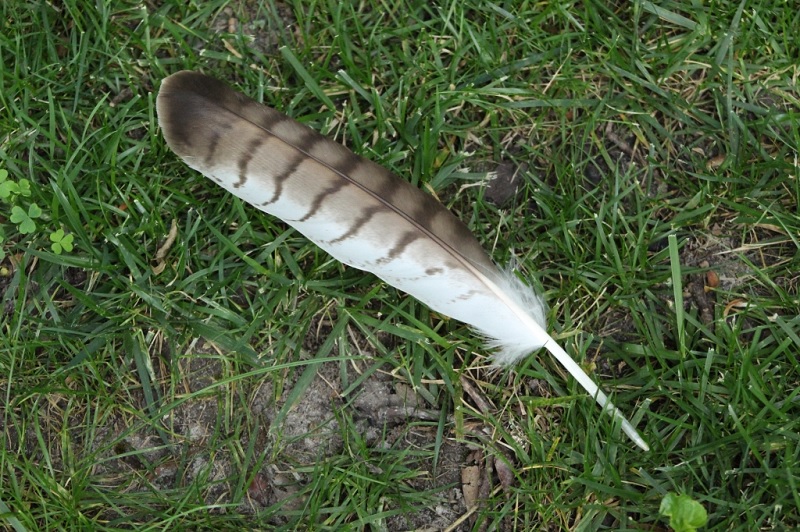
Feathers are fascinating natural objects, often collected for their beauty, cultural significance, or use in crafts. However, owning certain bird feathers isn’t as simple as picking them up during a hike. Various laws at international, national, and regional levels regulate feather ownership to protect bird species from exploitation and extinction. Understanding these laws is essential for anyone interested in collecting feathers legally and ethically.
International Laws and Treaties
On a global scale, feather ownership is governed primarily by international treaties designed to protect wildlife across borders. The most significant of these is the Convention on International Trade in Endangered Species of Wild Fauna and Flora (CITES). CITES regulates the trade of feathers from species listed under its appendices, which include many birds protected due to their endangered or threatened status. This means that feathers from certain birds cannot be legally bought, sold, or transported internationally without special permits.
Another important international agreement is the Migratory Bird Treaty Act (MBTA) between the United States, Canada, Mexico, Japan, and Russia. It protects migratory birds, many of which are covered under this treaty, by prohibiting the possession or trade of their feathers without proper authorization. These agreements highlight the global effort to conserve bird populations and prevent illegal feather trade from harming ecosystems worldwide.
National and Regional Regulations
While international treaties set the foundation, individual countries implement their own laws that often go beyond global agreements. In the United States, for example, the Migratory Bird Treaty Act strictly prohibits possessing feathers, nests, or eggs from most native bird species unless you have a federal permit. This law makes it illegal to own feathers from many common birds such as hawks, eagles, and songbirds, even if the feathers were found naturally on the ground.
Other countries have similar or even stricter regulations. In the United Kingdom, the Wildlife and Countryside Act protects native birds, banning the collection or possession of their feathers. Meanwhile, Australia’s laws protect feathers from their unique native birds like cockatoos and parrots under the Environment Protection and Biodiversity Conservation Act.
Additionally, some regions or states may have their own specific rules that either complement or add to national laws. For instance, certain states in the U.S. require permits for owning feathers of protected species or enforce additional penalties for illegal possession.
Protected Bird Species and Their Feathers
Bird feathers are often admired for their beauty and symbolic significance, but it’s important to recognize that many bird species are protected by law, making it illegal to own or trade their feathers. These protections help safeguard vulnerable populations from exploitation and preserve biodiversity. Here, we’ll explore key categories of protected birds and explain why their feathers are off-limits for collectors.
Migratory Birds
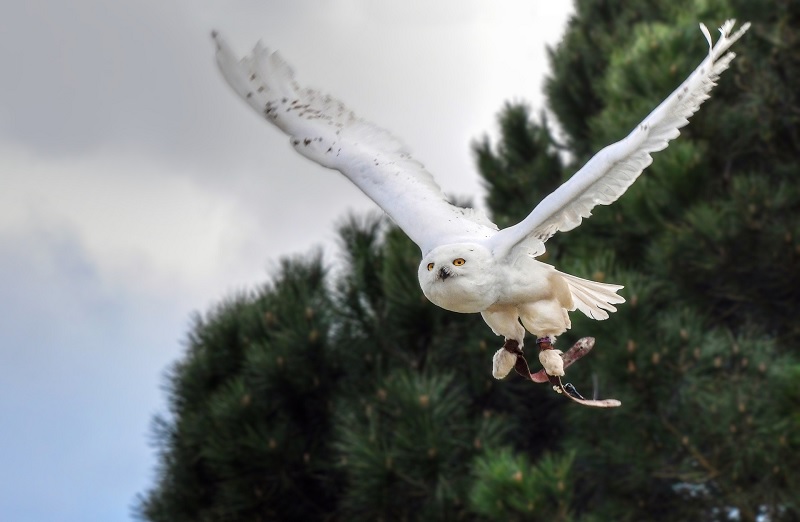
Migratory birds are species that travel long distances between breeding and wintering grounds, crossing multiple countries and continents. Because of their extensive movements, these birds face numerous threats such as habitat loss, hunting, and climate change. To address these challenges, many countries have enacted strict protections for migratory birds and their feathers.
In the United States, the Migratory Bird Treaty Act (MBTA) prohibits the possession, sale, or transport of feathers from most migratory bird species without a permit. This includes common birds like warblers, ducks, geese, and shorebirds. Even if you find a feather naturally shed on the ground, owning it may still be illegal if the species is protected under the MBTA. Similar laws exist in Canada and other countries, reflecting international cooperation to protect these far-ranging birds.
Raptors (Birds of Prey)
Raptors, or birds of prey, include species like eagles, hawks, falcons, and owls. These powerful predators play a vital role in ecosystems by controlling populations of smaller animals and maintaining balance. Due to their ecological importance and often slow reproductive rates, many raptor species are legally protected.
The feathers of raptors are especially sought after for cultural and ceremonial uses by some Indigenous communities, but even then, ownership is regulated. In the U.S., the Bald and Golden Eagle Protection Act specifically safeguards eagle feathers, prohibiting possession without a special permit issued to recognized Native American groups. Additionally, raptors are covered under the MBTA, making their feathers illegal to own for most people. This level of protection helps prevent illegal poaching and trade that could further threaten these majestic birds.
Endangered and Threatened Species
Birds classified as endangered or threatened face the highest risk of extinction. Their feathers are often strictly off-limits to collectors, as any removal or trade can harm recovery efforts. Species such as the California condor, whooping crane, and various tropical parrots fall into this category.
International agreements like CITES regulate the trade of feathers from endangered species, requiring permits for any legal transactions. National laws also mirror these protections, enforcing harsh penalties for illegal possession or trafficking of feathers from at-risk birds. These measures are crucial for supporting breeding programs, habitat restoration, and long-term survival of vulnerable species.
Specific Feathers Illegal to Own
When it comes to owning bird feathers, not all are created equal—some are strictly off-limits due to legal protections. Various laws at national and international levels regulate the possession of specific feathers to protect vulnerable and culturally significant bird species. Below, we break down some of the most commonly restricted feathers that you should never own without proper authorization.

Bald Eagle Feathers
Bald eagle feathers are among the most protected in the United States. The Bald and Golden Eagle Protection Act makes it illegal to possess, sell, or transport bald eagle feathers without a federal permit. This law was established to help conserve the bald eagle population, which faced severe declines in the past due to habitat loss and pesticide use.
Because bald eagles hold immense cultural and spiritual significance—especially for many Native American tribes—permits to own their feathers are only issued to federally recognized Native Americans for religious and ceremonial purposes. For anyone else, simply possessing bald eagle feathers can result in heavy fines and legal consequences. Even if you find feathers naturally shed in the wild, taking or keeping them is prohibited under this law.
Golden Eagle Feathers
Similar to bald eagles, golden eagle feathers are also highly protected under the same Bald and Golden Eagle Protection Act. Golden eagles are respected both ecologically and culturally, and their feathers cannot be owned or traded without special permits.
Golden eagle feathers often have significance in Indigenous rituals and ceremonies, and special provisions exist for Native Americans to legally obtain and use these feathers. For the general public, however, possession remains illegal, reinforcing the importance of respecting these laws and supporting conservation efforts.
Hawk and Owl Feathers
Hawks and owls, both classified as raptors, are protected under the Migratory Bird Treaty Act (MBTA). This federal law makes it unlawful to possess feathers from most hawks and owls without a permit. These birds play important roles as predators in maintaining balanced ecosystems, and their populations benefit from strict protections.
Examples include red-tailed hawks, Cooper’s hawks, great horned owls, and barred owls. Even if you find a feather on your property or in nature, keeping it without authorization is illegal. These regulations help prevent illegal hunting and trade that could threaten these birds’ survival.
Certain Waterfowl Feathers
Many waterfowl species, including ducks, geese, and swans, are also protected under the MBTA. Feathers from popular species such as mallards, Canada geese, and tundra swans are illegal to own without proper permits.
Waterfowl are often targeted for their feathers due to their vibrant colors and use in fly fishing lures, fashion, and crafts. However, regulations exist to ensure these birds are not harmed or exploited. Possessing their feathers without authorization risks fines and legal action.
Exceptions and Permits
While many bird feathers are illegal to own due to protective laws, there are important exceptions that recognize cultural, scientific, and educational needs. Understanding these exceptions and the permit process is key to navigating feather ownership legally and ethically.
Tribal and Indigenous Rights
One of the most significant exceptions involves tribal and Indigenous rights. Many Native American tribes and Indigenous communities hold feathers—especially from eagles and other protected birds—as sacred items integral to their spiritual and cultural practices. Laws such as the Bald and Golden Eagle Protection Act acknowledge this by allowing federally recognized tribes to legally possess eagle feathers for religious and ceremonial purposes.
Tribes must apply for and receive permits through the U.S. Fish and Wildlife Service’s National Eagle Repository, which distributes eagle parts, including feathers, to qualified Native Americans. This system helps balance cultural preservation with species protection, ensuring that eagle feathers are used respectfully and legally. Outside of Indigenous communities, possession of these feathers remains strictly regulated.
Scientific and Educational Use Permits
Permits also exist for scientific and educational purposes. Researchers studying bird populations, behavior, or conservation efforts may need to handle or temporarily possess feathers from protected species. Similarly, museums, universities, and educational institutions may require feathers for teaching or display.
Such permits are issued under strict conditions by governmental wildlife agencies to ensure that feather use does not harm bird populations. They usually involve detailed applications, demonstrating the purpose and how the feathers will be handled or stored. These permits ensure that scientific progress and public education can proceed without compromising bird welfare.
Legal Possession of Feathers
Legal possession of feathers generally depends on the species, origin, and whether a permit has been issued. Feathers from common, non-protected birds are usually legal to own if collected ethically, such as naturally shed feathers found on private property. However, feathers from protected species—like eagles, hawks, owls, or migratory birds—require proper authorization.
Permits are key to distinguishing legal from illegal possession. Without one, owning feathers from protected birds can result in fines, confiscation, or even criminal charges. It’s important to research and obtain necessary permits before acquiring or keeping such feathers.
In addition to permits, some exceptions may apply to feathers obtained before certain laws took effect, but these situations often require proof of acquisition and legal consultation.
How to Identify Illegal Feathers
Knowing how to identify illegal feathers is essential for anyone interested in collecting feathers, whether for crafting, decoration, or educational purposes. Because many bird species are protected by law, owning certain feathers can lead to legal trouble if you don’t recognize them. This section will guide you through practical tips for identifying illegal feathers and when to seek expert advice.
Visual Identification Tips
One of the first steps in identifying whether a feather is legal to own is to carefully examine its appearance. While it’s not always easy to determine the exact bird species from a single feather, there are visual clues that can help narrow it down. For instance, size and shape matter: large feathers with broad surfaces often come from birds of prey like eagles, hawks, and owls—species commonly protected by law.
A large, curved feather with strong, sturdy barbs might be a hawk’s flight feather. Color patterns also offer hints; bald eagle feathers tend to be dark brown with white tips in adults, while juvenile eagles display more mottled brown feathers. Owls, on the other hand, usually have soft, muted tones with subtle patterns that help with camouflage.
Additionally, the type of feather is important—flight feathers and tail feathers are more likely to be regulated than smaller body feathers because they are more distinctive and valuable. However, many feathers look quite similar, especially among migratory birds and waterfowl, so relying solely on visual cues can be risky. Misidentifying feathers may lead to unknowingly possessing protected species.
Consulting Experts and Authorities
Since feather identification can be complex, it’s highly recommended to consult experts or official authorities if you suspect a feather might be illegal to own. National and regional wildlife agencies often provide resources or contacts to help with feather identification. For example, the U.S. Fish and Wildlife Service offers guidance related to the Migratory Bird Treaty Act and protected species. Additionally, ornithologists and bird experts—such as professionals or members of local birdwatching groups—can often assist with identifying feathers.
Their extensive knowledge of bird species allows them to recognize feathers from protected birds more accurately. If you plan to own feathers for legal reasons, contacting the appropriate permitting office, such as the National Eagle Repository for eagle feathers, is a wise step. These offices can confirm whether a feather is legal to possess and advise you on the documentation or permits needed.
Taking these precautions not only helps you avoid legal penalties but also supports bird conservation efforts. It’s always best to err on the side of caution when encountering feathers, especially those that are large or unusual.
Consequences of Owning Illegal Feathers
Owning feathers from protected bird species might seem harmless at first, but the consequences can be serious—both legally and environmentally. Laws regulating feather possession are in place to protect vulnerable birds, and breaking these laws can lead to significant penalties. Beyond legal risks, owning illegal feathers also contributes to broader conservation challenges. Let’s explore these consequences in more detail.
Legal Penalties and Fines
One of the most immediate consequences of possessing illegal feathers is facing legal penalties. Many countries enforce strict laws—such as the Migratory Bird Treaty Act in the United States—that make it unlawful to own, sell, or transport feathers from protected species without proper permits. If caught, individuals can face hefty fines, confiscation of the feathers, and even criminal charges in severe cases.
For example, penalties for violating the Migratory Bird Treaty Act can include fines of up to $15,000 and up to six months in jail for each offense. The Bald and Golden Eagle Protection Act carries even stiffer penalties due to the eagle’s cultural and ecological importance. These laws apply regardless of whether the feathers were collected accidentally or intentionally, emphasizing the importance of understanding and respecting regulations.
Additionally, businesses or sellers caught dealing in illegal feathers may face higher fines, license revocations, and damage to their reputation. The strict enforcement of these laws highlights the seriousness of protecting bird species from illegal trade and possession.
Conservation Impact
Beyond legal troubles, owning illegal feathers has a broader impact on wildlife conservation. Many bird species protected by law are already threatened or endangered, struggling to survive due to habitat loss, climate change, and human interference. Illegal feather collection often involves poaching or disturbing birds, further endangering their populations.
Removing feathers from nests, killing birds for their feathers, or disrupting breeding behaviors can have devastating effects on bird survival. Feathers are crucial for insulation, flight, and mating displays, so their removal can weaken individual birds and reduce reproductive success.
Where to Legally Obtain Bird Feathers
For bird enthusiasts, artists, and crafters, obtaining feathers legally is crucial to avoid legal trouble and support wildlife conservation. Because many bird species and their feathers are protected by law, it’s important to know where you can source feathers responsibly and legally. This section covers trusted options like licensed suppliers and ethical alternatives to help you enjoy feathers without compromising on legality or ethics.
Licensed Suppliers
One of the safest ways to obtain bird feathers legally is through licensed suppliers who comply with wildlife regulations. These suppliers source feathers from birds that are not protected or from birds raised in captivity specifically for feather collection. Licensed suppliers typically follow strict guidelines to ensure that their feathers do not come from endangered or migratory species protected by laws such as the Migratory Bird Treaty Act or the Bald and Golden Eagle Protection Act.
In the United States, for example, some companies specialize in providing feathers that are fully legal to own and trade. They may supply feathers from domesticated birds like chickens, turkeys, or peacocks, which are not covered under strict wildlife laws. Purchasing from these reputable vendors guarantees you’re not contributing to illegal wildlife trade or poaching.
If you are interested in feathers from protected species for cultural, scientific, or educational purposes, licensed suppliers can also guide you through obtaining the necessary permits. This ensures that any acquisition aligns with federal or regional laws and supports conservation efforts.
Ethical Alternatives
Beyond licensed suppliers, ethical alternatives provide additional ways to enjoy bird feathers without legal concerns or harm to wildlife. One popular option is collecting naturally shed feathers, which birds lose during molting seasons. However, even naturally shed feathers can be illegal to possess if they come from protected species, so it’s important to verify the bird’s status before keeping such feathers.
Craft stores and online marketplaces also offer synthetic feathers or feather replicas made from materials like fabric, plastic, or paper. These alternatives mimic the look and feel of real feathers without any ethical or legal issues. Using synthetic feathers is especially recommended for projects that require large quantities or specific colors and patterns.
Some conservation groups and bird sanctuaries also offer educational programs where you can obtain feathers legally through organized events or donations. Supporting these organizations helps fund bird protection while allowing you to access feathers responsibly.
FAQs
Can You Keep a Feather You Find in the Wild?
While it may seem harmless to pick up a feather you find outdoors, in many cases, it is illegal. If the feather comes from a bird protected under the MBTA, even naturally shed feathers are off-limits without a permit. Authorities can still issue fines or confiscate the feather, even if you found it and did not harm the bird. The safest approach is to admire feathers in nature but leave them where they are.
Are Peacock Feathers Legal to Own?
Yes, you can legally own peacock feathers. Peafowl are not native to North America and are not protected under the MBTA or similar wildlife laws. Because peacocks are often kept domestically or on farms, their feathers are widely sold and used in crafts, décor, and ceremonies without legal issues. These make a safe and beautiful alternative to protected bird feathers.
Who Can Legally Own Eagle Feathers?
Only members of federally recognized Native American tribes can legally own and use eagle feathers in the United States. These feathers are often used in religious and cultural ceremonies, and special permits are issued through the National Eagle Repository. Anyone else found in possession of eagle feathers, even if they were naturally found, may face serious penalties, including fines and potential jail time.
Are There Permits Available for Owning Protected Feathers?
Yes, but permits are typically limited to specific purposes like scientific research, education, or Indigenous cultural use. Wildlife agencies issue these permits under strict conditions. If you want to legally possess protected feathers, you must apply for a permit through the proper federal or state agency, providing justification for your need and proof of compliance with conservation laws.
What Are Safe Alternatives to Protected Bird Feathers?
You can use feathers from non-protected species like chickens, ducks (farm-raised), turkeys, pheasants, and peacocks. Additionally, synthetic feathers or faux feathers made from fabric or plastic are excellent options for crafting and décor. These alternatives are fully legal and help prevent harm to wild bird populations, making them both ethical and safe for personal or commercial use.
Conclusion
Understanding what bird feathers are illegal to own is essential for staying on the right side of the law and supporting bird conservation. Many feathers—especially from eagles, hawks, owls, and migratory birds—are protected by strict regulations, even if found naturally. Possessing them without proper permits can lead to serious legal consequences.
However, safe and legal options do exist, including feathers from domestic birds, licensed sources, and synthetic alternatives. Whether you’re a collector, artist, or nature enthusiast, being informed helps you make responsible choices that respect wildlife and the law. When in doubt, always check local regulations or consult with wildlife authorities before keeping any feather you find or purchase.