
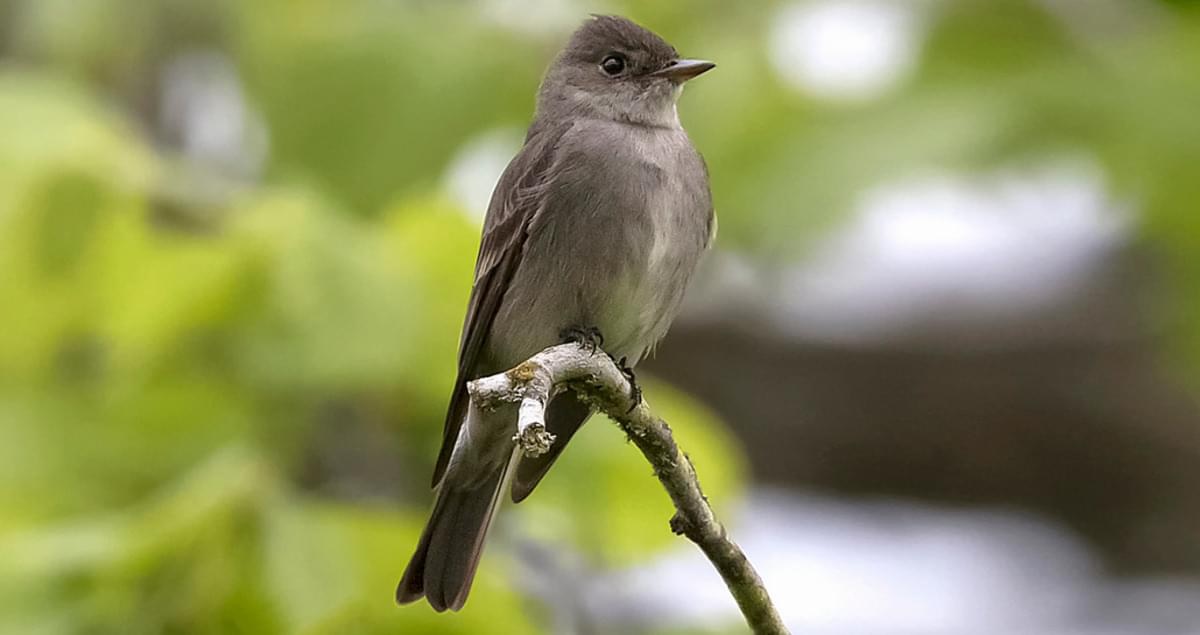
Wondering what bird goes who who who is a question many people ask when they hear that distinctive sound echoing through the trees or across the quiet evening. That familiar “who who who” call often sparks curiosity and a desire to know more about the bird behind the noise. It’s a gentle, repetitive hooting that is both soothing and mysterious, making people pause and listen closely.
This introduction will explore which bird makes that unique call, diving into its habits, habitat, and reasons for the sound. Understanding what bird goes who who who can help connect us with nature on a deeper level and appreciate the role these birds play in their environment. Whether you’re an avid birdwatcher or just someone who enjoys a peaceful night outdoors, uncovering the source of this “who who who” is a small but rewarding discovery in the world of birds.
Understanding Bird Calls
Bird calls are one of the most fascinating ways birds communicate with each other and their environment. These sounds can tell us a lot about a bird’s behavior, mood, and even the species itself. Understanding bird calls helps birdwatchers, scientists, and nature lovers connect more deeply with the natural world.
Importance of Bird Calls
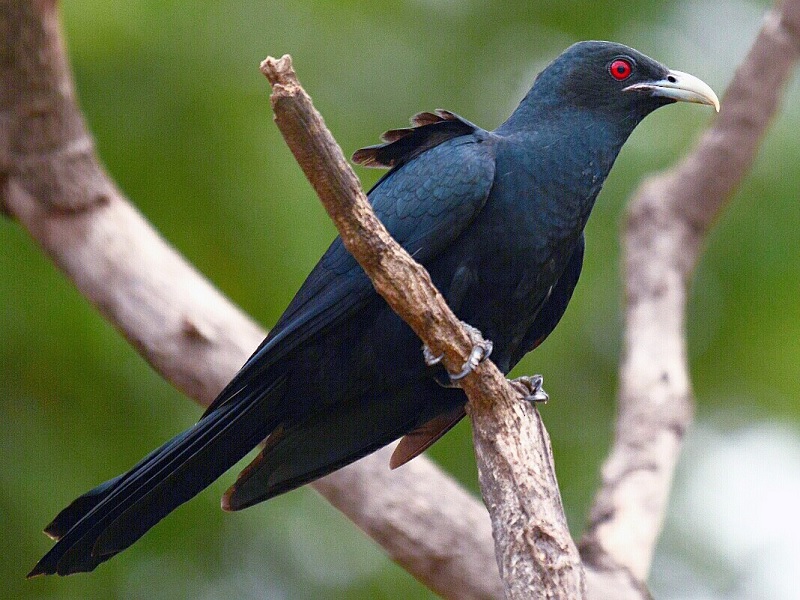
Bird calls serve many vital purposes in the avian world. They are essential for attracting mates, defending territories, signaling danger, and maintaining social bonds within flocks. Without these vocalizations, birds would struggle to survive and reproduce effectively. For humans, recognizing bird calls enhances outdoor experiences and helps with identifying different species without always needing to see them. In many cases, birds rely on their unique calls to distinguish themselves from others, making these sounds an important part of their identity.
How Birds Use Vocalizations
Birds have a wide range of vocal abilities, from simple chirps to complex songs. Each type of call serves a specific function. For example, alarm calls warn others of predators nearby, while mating calls attract potential partners.
Some birds use calls to keep their group together during flight or while foraging. Interestingly, some species even have regional “dialects” where their calls differ slightly depending on their location. This variation shows how adaptable and intelligent birds are when it comes to communication.
Birds That Make the “Who Who Who” Sound
The mysterious “who who who” sound often heard in forests and quiet countryside at night is instantly recognizable and deeply connected to the world of owls. This classic call carries an aura of mystery and calm, sparking curiosity about which birds create it. While owls are the primary source of this haunting hoot, some other nocturnal birds can produce similar sounds that occasionally confuse listeners. Let’s dive into the main bird species behind the “who who who” calls and explore why these vocalizations are so distinctive.
Owls
Owls are the most famous birds associated with the “who who who” call. These nocturnal hunters use their vocalizations primarily for communication, territorial claims, and attracting mates. Their calls vary between species, but many feature the repetitive “who who who” pattern that has become synonymous with nighttime in many parts of the world.
Common Owls That Say “Who Who Who”
Several owl species are known for producing the iconic “who who who” hoots, each with its own unique tone and rhythm.
Barred Owl
The Barred Owl is perhaps the most well-known for its distinctive “who who who who” call. This owl’s vocalization has a clear, rhythmic pattern that sounds like “who cooks for you, who cooks for you all.” Found mainly in eastern North America, the Barred Owl uses its call to mark territory and communicate with its mate. The sound is often heard at night but can also occur during the day, especially in quiet forest areas.
Great Horned Owl
Another famous hooter is the Great Horned Owl, which has a deeper and more resonant “who who who” call compared to the Barred Owl. This owl’s hoot is often slower and more deliberate, giving it a powerful presence in the forest soundscape. Great Horned Owls are widespread across the Americas and use their hoots to establish dominance and signal breeding readiness.
Eastern Screech Owl
Though smaller and less deep-voiced than the Barred and Great Horned Owls, the Eastern Screech Owl also produces a “who who who” type sound, though it often mixes this with trills and whinnies. This owl’s call can sometimes be mistaken for other sounds, but its presence adds variety to the nighttime chorus. Eastern Screech Owls inhabit wooded areas throughout eastern North America and are known for their adaptability to suburban environments.
Other Birds That Might Sound Similar
While owls are the primary source of the “who who who” calls, some other nocturnal birds produce similar vocalizations that might confuse casual listeners.
Some Nightjars
Nightjars are a family of nocturnal birds that can make a variety of sounds, including low, repetitive calls that sometimes resemble the “who who who” pattern. Their calls tend to be more mechanical or buzzing, but in certain habitats, their sounds might be mistaken for owl hoots. Nightjars are generally found in open woodlands and grasslands and are known for their excellent camouflage and silent flight.
Other Nocturnal Birds
Aside from owls and nightjars, some other nocturnal birds occasionally produce sounds that mimic the “who who who” pattern. These include certain species of nighthawks and frogs, which sometimes add to the nighttime soundscape and create layers of similar-sounding calls. However, these are less common and usually more subtle compared to the clear hoots of owls.
Identifying the “Who Who Who” Call in the Wild
Hearing the “who who who” call in the wild is a memorable experience that connects us to the natural world in a unique way. Identifying which bird is making that haunting sound can deepen your appreciation for wildlife and improve your birdwatching skills. Knowing when and where to listen, along with tips to differentiate similar calls, will help you recognize the source of that classic call more confidently.
When and Where to Listen
The “who who who” call is most commonly heard at night, especially during the early evening and just before dawn. Owls, the main birds behind this sound, are primarily nocturnal, so their vocalizations tend to peak after sunset and before sunrise. In some cases, you might hear these calls during the day, especially in quiet, secluded forests, but nighttime is the prime time to catch them.
Certain habitats are also hotspots for these calls. Look for dense woodlands, forests, and areas near water, as many owl species prefer these environments. Barred Owls, for example, thrive in mature forests with plenty of large trees and nearby streams. Great Horned Owls are adaptable and can be found in forests, deserts, and even suburban areas. Being in the right place at the right time increases your chances of hearing—and identifying—the “who who who” call in its natural setting.
Tips for Differentiating Similar Calls
Distinguishing the “who who who” call from other similar sounds can be tricky, especially for those new to bird calls. One helpful approach is to listen closely for rhythm and repetition. For example, Barred Owls have a clear, rhythmic “who cooks for you” pattern that they often repeat several times, while Great Horned Owls produce slower, deeper hoots with fewer repetitions. Paying attention to these subtle differences can help narrow down the species you’re hearing.
Tone and pitch also play a key role in identifying the bird. Barred Owls tend to have smoother, more melodic calls, whereas Great Horned Owls emit a booming, resonant hoot. Eastern Screech Owls add variety by mixing their hoots with trills, making their vocalizations more complex.
The environment around you can provide additional clues. Some birds, like nightjars, or even frogs, produce sounds that might resemble the “who who who” call but have different patterns or qualities. Nightjars often create mechanical or buzzing noises instead of true hoots, and frogs’ calls are generally wetter and more croaking.
Using technology can also be a great aid in identification. Recording the calls you hear and comparing them with trusted audio libraries or bird identification apps offers extra confirmation. By focusing on when and where you listen and sharpening your ability to notice differences in rhythm, tone, and environment, you’ll grow more confident in identifying the “who who who” calls in the wild. This skill not only enriches your outdoor experiences but also strengthens your connection to the fascinating world of birds.
Why Do Birds Make the “Who Who Who” Sound?
The eerie yet captivating “who who who” sound heard in forests and quiet areas at night is more than just a mysterious noise—it serves important purposes in the lives of birds, especially owls. Understanding why birds make this distinct call reveals how vital vocal communication is for their survival and social behavior.
Communication Purposes
Birds rely heavily on vocalizations to communicate with each other. The “who who who” call is a clear example of this. Unlike many other bird sounds that might be brief chirps or songs, this repetitive hoot carries meaning across distances, allowing birds to send messages without being seen.
Owls, which are the primary birds producing this sound, use these calls to convey various signals depending on the context. It could be a way to stay in touch with a mate, warn others of danger, or even coordinate activities like hunting. The call’s rhythm and tone make it easy to identify and distinguish from other nighttime noises, making it an effective communication tool in the darkness.
Territory and Mating Calls
Two of the main reasons birds make the “who who who” sound are to defend territory and attract mates. In the competitive world of wildlife, owning a territory rich with resources is crucial for survival. Owls use their hoots to mark boundaries and warn rival birds to stay away. This helps reduce physical confrontations and maintains peace between neighbors.
At the same time, the call plays a big role in the breeding season. Male owls often hoot to attract females, showcasing their strength and suitability as a partner. The quality, frequency, and volume of the hoot can signal a bird’s health and vitality. Once a pair bonds, they may continue to call to each other, strengthening their connection and coordinating nesting activities.
Fun Facts About “Who Who Who” Birds
Birds that make the classic “who who who” sound, especially owls, are full of fascinating traits that make them truly unique. For instance, the Barred Owl’s call is so distinctive it’s often described as sounding like “who cooks for you,” a phrase many bird lovers use to remember it. Owls have exceptional night vision and silent flight, which help them hunt quietly under the cover of darkness.
Great Horned Owls are known for their adaptability, thriving in diverse habitats from forests to deserts and even suburban areas. Despite their intimidating hoots, many owls are quite shy and avoid human contact. Interestingly, some owls can turn their heads almost all the way around—up to 270 degrees—without harming themselves. These “who who who” birds are not only vocal masters of the night but also remarkable creatures with incredible adaptations that help them survive and thrive.
Frequently Asked Questions
What Bird Goes Who Who Who?
The bird that most famously makes the “who who who” sound is the owl, particularly species like the Barred Owl and Great Horned Owl. These owls use this distinctive hooting call mainly to communicate with mates and mark their territory. The “who who who” sound is a rhythmic, repetitive hoot that travels well through forests at night, making it an effective way for owls to stay in contact and ward off rivals. If you hear this sound at night, especially in wooded areas, it’s very likely you’re listening to an owl.
Why Do Owls Make the Who Who Who Sound?
Owls make the “who who who” call primarily for communication purposes. They use these vocalizations to establish territory, attract mates, and sometimes to warn other owls of potential threats. The sound carries well in the dark, allowing owls to communicate over long distances when visibility is low. For example, male owls often hoot to demonstrate their presence and fitness to females, while territorial calls help reduce aggressive encounters with other owls.
Are There Birds Other Than Owls That Make Similar Who Who Who Sounds?
Yes, while owls are the main birds associated with the “who who who” sound, some other nocturnal birds like nightjars and nighthawks may produce calls that sound somewhat similar. However, their vocalizations tend to be less rhythmic and more mechanical or buzzing in nature compared to the clear, melodic hoots of owls. Frogs and other wildlife can also occasionally mimic or create sounds that might be confused with owl calls, especially at night.
When Is the Best Time to Hear the Who Who Who Call?
The best time to hear the “who who who” call is during the evening and nighttime hours, particularly around dusk and before dawn. Owls are mostly nocturnal, so their hooting peaks after sunset when they become more active. Depending on the species and location, you might also hear these calls during the day, but it’s much less common. Quiet, wooded areas near water sources tend to be ideal spots for hearing these calls clearly.
How Can I Differentiate Between Different Owls That Say Who Who Who?
You can differentiate owls that make the “who who who” call by paying attention to the rhythm, pitch, and tone of their hoots. For instance, the Barred Owl’s call is often described as a clear, rhythmic “who cooks for you” repeated several times, while the Great Horned Owl has a deeper, slower, and more booming hoot. The Eastern Screech Owl’s call is more varied, combining hoots with trills and whistles. Listening carefully to these subtle differences, along with noting the owl’s habitat and time of night, can help you identify which species is calling.
Conclusion
The question “What bird goes who who who” is most often answered by pointing to owls, especially species like the Barred Owl and Great Horned Owl. These birds use their distinctive hoots to communicate, defend territory, and attract mates, making their calls an essential part of their behavior. Hearing the “who who who” sound connects us to the natural world in a special way, reminding us of the quiet rhythms of the night.
By learning to recognize these calls, you can deepen your appreciation for wildlife and enjoy more meaningful experiences outdoors. Next time you hear that familiar hoot, you’ll know it’s likely an owl speaking its unique language, adding a touch of mystery and wonder to your surroundings.