

Wondering what bird has a forked tail? This unique tail shape is a fascinating feature found in several bird species, often helping them with agility and flight control. Birds with forked tails tend to have a distinctive silhouette that stands out in the sky. The forked tail can provide extra maneuverability, making it easier for these birds to change direction quickly or glide smoothly. Among the most well-known birds with forked tails are swallows and certain types of terns.
Their tail shape isn’t just for show — it plays an important role in their daily activities, like hunting insects mid-air or performing aerial acrobatics. Understanding which bird has a forked tail opens up a small window into the world of bird adaptations and behaviors. Whether you’re a birdwatcher or just curious, learning about this trait adds another layer of appreciation for the amazing variety found in nature.
Characteristics of Birds with Forked Tails
Birds with forked tails have a distinctive feature that sets them apart from many other bird species. This unique tail shape not only affects their appearance but also plays a crucial role in their flight capabilities and behavior. Understanding the characteristics of birds with forked tails offers insight into how these birds have adapted to their environments and the advantages this tail design provides.
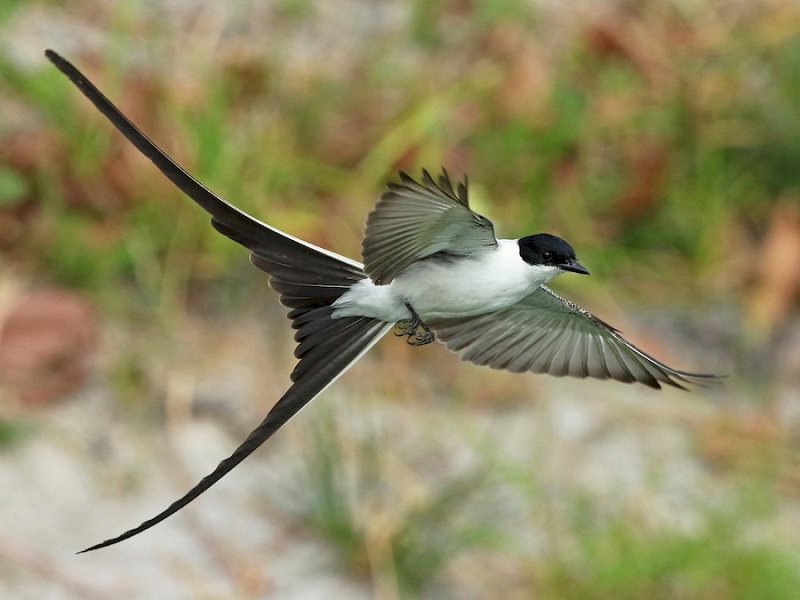
Tail Shape and Function
The forked tail is easily recognizable by its two pointed, often elongated, tail feathers that create a noticeable split or “fork” at the end. This tail shape isn’t just an aesthetic trait; it serves several important functions. The forked tail acts like a rudder, providing excellent control during flight. It helps the bird steer and balance, especially during quick turns and sudden changes in direction.
This tail design is especially common in birds that require high maneuverability. The split tail allows for more precise movements, which is vital when navigating through complex environments such as dense forests or while chasing agile prey like insects. For example, swallows, famous for their forked tails, rely on this shape to perform impressive aerial acrobatics during hunting. Their tail feathers can spread or contract, adjusting the surface area to control speed and direction effectively.
Moreover, the forked tail can also assist in communication and mating displays. In some species, a deeply forked tail is a sign of health and fitness, used to attract potential mates. The size and symmetry of the tail can indicate the bird’s strength, playing a role in sexual selection.
Adaptations for Flight
Birds with forked tails are often built for speed and agility. The tail works in harmony with their wing shape and body structure to maximize aerodynamic efficiency. Many of these birds have long, pointed wings that complement the forked tail, allowing them to cut through the air with minimal resistance.
The tail’s ability to change shape mid-flight gives these birds an edge when catching fast-moving prey or avoiding predators. By adjusting their tail feathers, they can brake suddenly, make tight turns, or glide smoothly over long distances. This adaptability is particularly important for migratory species that travel thousands of miles, requiring energy-efficient flight mechanics.
In addition to aiding in flight control, the forked tail helps maintain stability when hovering or perching. Birds like terns use their tails to stay balanced while scanning the water for fish. This versatility makes the forked tail a remarkable evolutionary adaptation that supports a wide range of behaviors and habitats.
Common Birds with Forked Tails
Several bird species are well-known for their striking forked tails. This tail shape not only defines their appearance but also enhances their flight abilities. Below is a look at some of the most common birds featuring forked tails, highlighting their unique traits and behaviors.
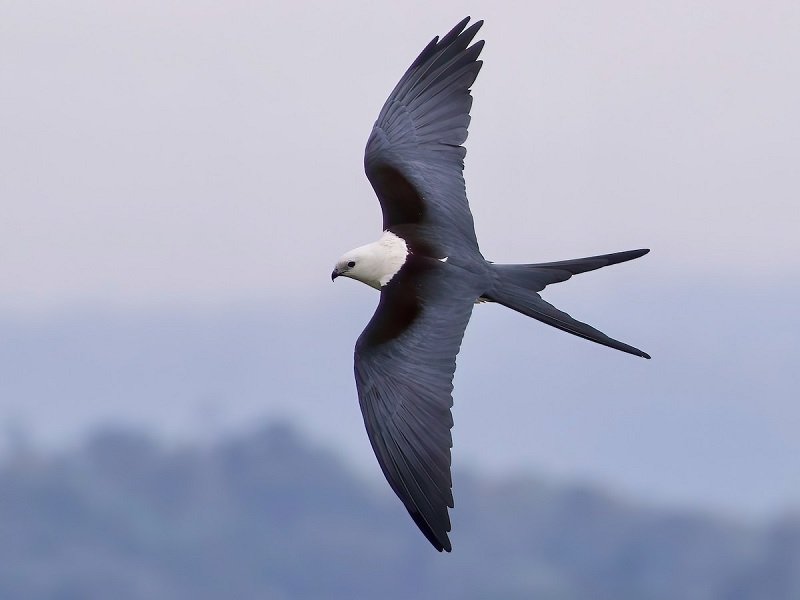
Swallows
Swallows are perhaps the most iconic birds with forked tails. Their graceful flight and agile movements make them a favorite among birdwatchers.
Barn Swallow
The Barn Swallow is easily recognizable by its deeply forked tail, which often has elongated outer feathers called streamers. This tail design helps Barn Swallows execute sharp turns and rapid dives as they hunt flying insects. They are widespread across many continents and often nest in barns, bridges, and other human structures, making them familiar sights in both rural and urban areas. Their forked tails also play a role in courtship displays, where males show off their tail streamers to attract mates.
Cliff Swallow
Cliff Swallows share the forked tail feature but typically have a less pronounced fork compared to Barn Swallows. These birds prefer to build gourd-shaped mud nests on vertical surfaces such as cliffs and buildings. Their tail aids in maneuvering around their nesting sites and through the air as they catch insects. Cliff Swallows tend to fly in large, noisy flocks, often swooping and darting together in coordinated patterns.
Swifts
Swifts are close relatives of swallows and are also known for their forked tails, though often less deeply forked. These birds are some of the fastest flyers in the bird world, spending most of their time airborne. The forked tail contributes to their incredible aerial agility, allowing them to navigate tight spaces while catching insects mid-flight. Swifts often nest in caves or under roof eaves and have a distinctive screaming call heard during their swift, acrobatic flights.
Terns
Terns are elegant seabirds with forked tails that assist in their graceful flight over water. Their forked tails help them hover and dive with precision when hunting fish. Unlike swallows and swifts, terns are more commonly found near coasts, lakes, and rivers. Their tail shape also plays a part in balancing while perched on rocks or floating on the water. The Common Tern, Arctic Tern, and Forster’s Tern are some species known for their forked tails and striking flight patterns.
Other Notable Species
Apart from these well-known groups, some other birds also exhibit forked tails. Certain types of kingfishers and flycatchers may display this tail shape to varying degrees, helping with balance and maneuverability. While not as prominently forked as swallows or terns, these tails still contribute to their ability to hunt and navigate through complex environments.
Identification Tips
Recognizing birds with forked tails involves more than just spotting their distinctive tail shape. Paying attention to other visual features, as well as understanding their typical habitats and behaviors, can help you accurately identify these birds in the wild.

Visual Features Beyond Tail Shape
While the forked tail is an important clue, it’s helpful to observe other physical characteristics to narrow down the species. Size, coloration, and wing shape are key factors to consider.
Many birds with forked tails tend to have streamlined bodies and long, pointed wings that aid their fast and agile flight. For example, Barn Swallows have a sleek, dark blue upper body with a rusty-red throat and forehead, combined with a deeply forked tail featuring elongated outer feathers. In contrast, Cliff Swallows are stockier with a pale, buff-colored face and a more modestly forked tail.
Swifts, though similar in flight style to swallows, have shorter tails with a slight fork and often appear more uniformly dark in color, sometimes with a glossy sheen. Terns typically have lighter plumage, often white or gray, with black markings on the head and a sharp, pointed beak designed for fishing.
Focusing on these visual differences—such as plumage colors, body size, and beak shape—can help distinguish between birds that share a forked tail but belong to different groups.
Habitat and Behavior
Understanding where these birds live and how they behave can also offer valuable identification clues. Birds with forked tails often occupy specific habitats that support their feeding and nesting habits.
Swallows, for example, prefer open areas near water bodies like rivers, lakes, and wetlands, where flying insects are abundant. They often nest on man-made structures such as barns, bridges, and eaves. Observing their rapid, swooping flight pattern as they catch insects mid-air is a clear behavioral indicator.
Swifts are almost always seen in the air, rarely perching except during nesting. They prefer cliffs, tall buildings, or caves as nesting sites and are often spotted in urban areas or near large water bodies. Their fast, continuous flight and high-pitched calls distinguish them from other birds.
Terns favor coastal and inland waterways, including beaches, estuaries, and lakes. Their graceful hovering and plunge-diving behavior while fishing is a unique trait. Watching a bird hover over water before diving sharply to catch fish can help identify it as a tern.
Importance of Forked Tails in Birds
The forked tail is more than just a unique physical trait—it’s a vital adaptation that plays a significant role in a bird’s survival and reproduction. From enhancing flight performance to influencing mating success, forked tails contribute to several key aspects of a bird’s life.

Aerodynamics and Maneuverability
One of the primary reasons birds have forked tails is to improve their aerodynamics and maneuverability. The split shape of the tail allows birds to steer and balance with greater precision during flight. Acting like a natural rudder, the forked tail helps birds make sharp turns, quick stops, and sudden dives.
This level of control is especially crucial for species that hunt flying insects or navigate complex environments. For example, swallows use their deeply forked tails to execute agile aerial acrobatics while chasing prey mid-air. The tail’s ability to spread or contract provides fine-tuned adjustments to air resistance, enabling smoother glides and efficient energy use over long distances.
Beyond agility, forked tails also aid in stability. When birds hover, perch, or prepare to land, their tails help maintain balance and posture. This versatility in function makes the forked tail a key evolutionary advantage that supports survival in various habitats.
Role in Mating Displays
Forked tails also have an important role in attracting mates. In many bird species, tail shape and size serve as indicators of fitness and health. A well-formed, symmetrical forked tail often signals a strong, genetically fit individual capable of thriving in challenging environments.
During courtship, males frequently display their tails prominently to impress females. For example, male Barn Swallows show off their long tail streamers by performing aerial displays or fluttering their tails while perched. These displays highlight the length and condition of the tail feathers, helping females assess potential mates.
In some cases, the forked tail may even influence reproductive success. Studies suggest that birds with longer or more symmetrical forked tails tend to have higher chances of attracting mates and producing offspring. This selective pressure helps maintain the characteristic tail shape across generations.
Frequently Asked Questions
What Bird Has A Forked Tail?
Several birds have forked tails, but the most commonly recognized ones are swallows, swifts, and terns. Swallows, especially the Barn Swallow, are famous for their deeply forked tails with elongated outer feathers. This tail shape helps them maneuver swiftly while catching insects mid-air.
Swifts also have forked tails, though less pronounced, which aid their fast, agile flight. Terns use their forked tails to help with precision when hovering and diving for fish. Observing these birds’ flight patterns alongside their distinctive tail shapes makes identifying them easier.
Why Do Some Birds Have Forked Tails?
Birds develop forked tails mainly to improve their flight control and agility. The forked shape acts like a rudder, allowing birds to steer and balance more precisely during flight. This adaptation is especially important for species that catch flying insects or need quick, sharp turns. The split tail also helps in gliding and reducing drag, making long-distance flying more energy efficient. Beyond flight, forked tails sometimes serve as a visual signal in mating rituals.
How Can I Identify A Bird With A Forked Tail?
Besides looking for the forked tail itself, you should observe other features such as size, color, and flight behavior. For example, Barn Swallows have a deep blue upper body, rusty red throat, and long tail streamers. Swifts often appear darker and spend most of their time flying high. Terns usually have lighter plumage and are found near water, where they hover before diving for fish. Watching where the bird lives and how it flies helps you confirm its identity.
Are Forked Tails Related To Bird Mating?
Yes, forked tails often play a significant role in mating displays. In many species, males with longer or more symmetrical forked tails are considered healthier and more attractive to females. For example, male Barn Swallows use their tail streamers in courtship flights to impress potential mates. The tail’s condition and size can signal fitness, which influences mate selection and reproductive success.
Do All Birds With Forked Tails Fly The Same Way?
Not exactly. While the forked tail helps with maneuverability, different species use it based on their lifestyle and habitat. Swallows and swifts are agile aerial hunters, performing quick turns and fast chases. Terns use their tails for precise hovering and diving to catch fish in water. The extent and shape of the forked tail vary, adapting to each bird’s specific flight needs and environment. Observing these differences can reveal a lot about the bird’s habits and skills.
Conclusion
Birds with forked tails are truly fascinating creatures, combining unique physical features with remarkable flight abilities. From the agile Barn Swallow to the speedy swift and graceful tern, the forked tail plays a vital role in their maneuverability, stability, and even mating displays. Recognizing what bird has a forked tail goes beyond just noticing the tail shape—it involves understanding their behaviors, habitats, and other identifying features.
This tail adaptation not only helps these birds survive and thrive but also adds to the beauty and diversity of the avian world. Whether you’re a casual observer or an avid birdwatcher, learning about forked tails enriches your appreciation for how nature designs birds for both function and flair.