
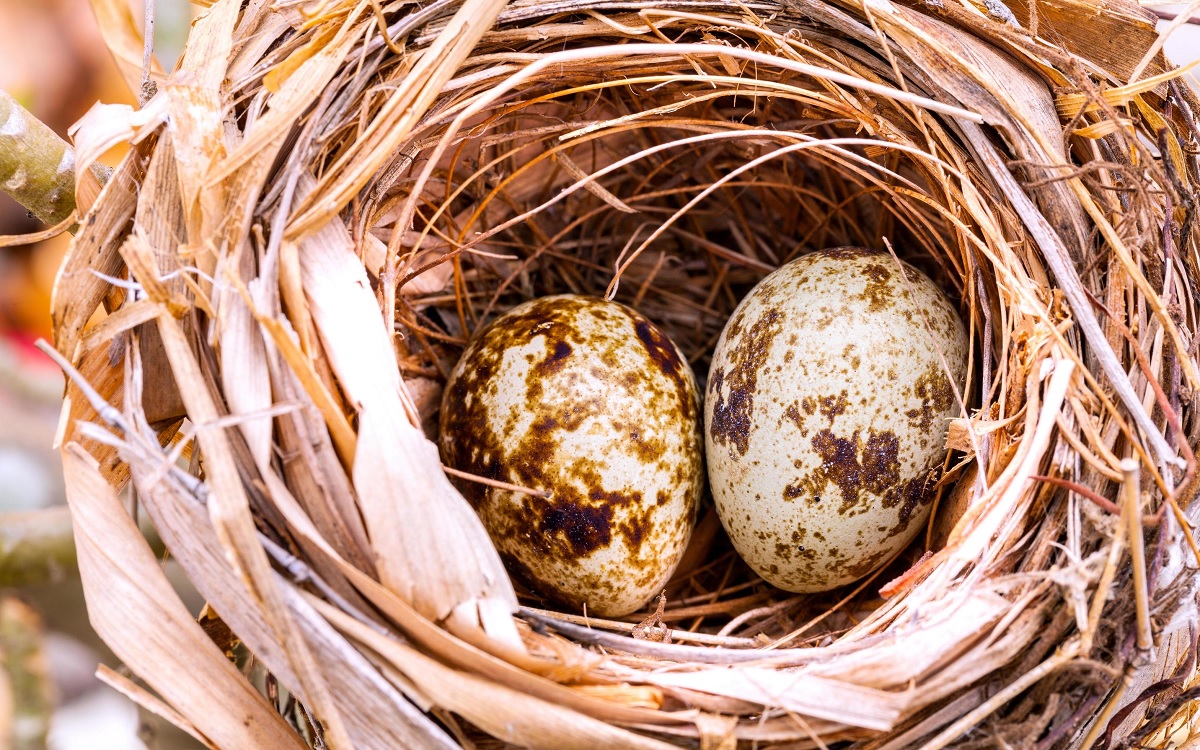
Wondering what bird has brown speckled eggs is a common question for bird watchers and nature lovers alike. Brown speckled eggs are fascinating because their unique patterns help protect them by blending into natural surroundings, making them harder for predators to spot. Many bird species lay eggs with brown speckles, but identifying which bird laid a particular egg can be tricky without some knowledge about the birds in your area.
These eggs often belong to ground-nesting birds or those that need extra camouflage. Knowing more about what bird has brown speckled eggs can deepen your appreciation for the natural world and help you recognize different species during your outdoor adventures. This introduction will guide you through some of the most common birds associated with these distinct eggs, offering insight into their habits and environments.
Introduction to Brown Speckled Eggs
Bird eggs come in a fascinating variety of colors and patterns, ranging from pure white to vibrant blues and greens. Among these, brown speckled eggs stand out for their distinctive look and functional design. Understanding why some birds lay brown speckled eggs offers interesting insights into bird behavior, evolution, and survival strategies. This section introduces you to the basics of brown speckled eggs and explains their purpose in the natural world.
Overview of Egg Coloration in Birds
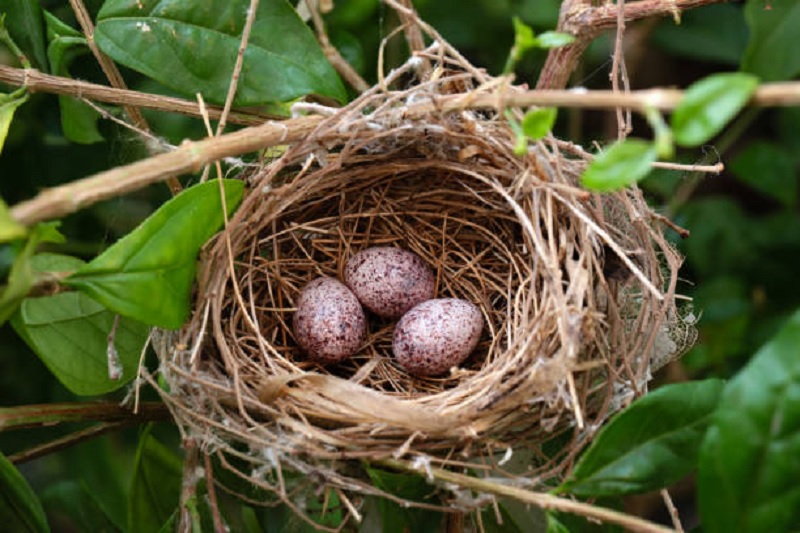
Bird eggshell colors vary widely among species and are influenced by factors such as genetics, environment, and nesting habits. Egg coloration can serve multiple purposes, including camouflage, species recognition, and temperature regulation. While some birds lay plain white eggs, others produce eggs with intricate patterns—spots, blotches, or speckles—that help conceal them from predators.
Brown speckles on eggshells result from pigments deposited during egg formation. These pigments create patterns that break up the egg’s outline, making them less visible in the natural nesting environment. The color intensity and pattern vary depending on the bird species and their specific habitat needs.
Purpose of Brown Speckles on Eggs
The brown speckles found on many bird eggs serve primarily as camouflage. Birds that nest on the ground or in open areas are especially vulnerable to predators, so their eggs need to blend into the surrounding environment. The speckles mimic shadows, dirt, and natural debris, making the eggs harder to detect.
In addition to camouflage, these speckles may help strengthen the eggshell. Research suggests that pigment deposits can reinforce thinner areas of the shell, reducing the risk of breakage during incubation. This functional aspect of speckling adds an extra layer of protection for the developing embryo inside.
Brown speckled eggs also assist parent birds in recognizing their own eggs among others in colonies or crowded nesting sites. The unique pattern acts like a fingerprint, preventing confusion or accidental rejection of their own offspring.
Common Birds With Brown Speckled Eggs
Brown speckled eggs are found across a variety of bird species, each adapted to their unique environments and nesting habits. These speckled patterns help provide camouflage and protection for the eggs, especially for birds nesting in vulnerable locations. Below, we explore some common groups of birds known for laying brown speckled eggs, focusing on songbirds, ground-nesting birds, and waterfowl.

Songbirds
Many songbirds lay brown speckled eggs that blend seamlessly with the natural surroundings of their nests. Species like the American Robin, House Finch, and Song Thrush produce eggs with varying shades of brown spots and speckles. These small to medium-sized birds usually build their nests in shrubs, trees, or even on buildings, where the speckled eggs help break up the outline of the eggs against leaves, bark, or nesting material.
The speckles on songbird eggs can range from fine dots to larger blotches, depending on the species. These patterns provide visual cues that help the parent birds identify their own eggs. For example, the Song Thrush is particularly known for its heavily speckled brown eggs, which stand out against its mossy nest lining, making it easier for the parent to keep track during incubation.
Ground-Nesting Birds
Ground-nesting birds face higher risks from predators because their eggs are laid in open or concealed spots on or near the ground. For this reason, their eggs often have dense brown speckles or blotches that mimic the texture and colors of soil, leaves, and stones.
Species such as the Northern Bobwhite Quail, Killdeer, and Plover are excellent examples of birds that lay brown speckled eggs on the ground. Their nests are usually simple scrapes lined with grasses or small debris. The heavy speckling and brown tones provide essential camouflage, helping to prevent detection by predators like snakes, raccoons, or birds of prey.
In addition to camouflage, the coloration can also help protect eggs from the sun’s harsh rays, reducing overheating and improving embryo survival in exposed environments.
Waterfowl
Some waterfowl species also lay brown speckled eggs, especially those nesting on the ground near water bodies where vegetation provides natural cover. Ducks such as the Mallard and Wood Duck produce eggs with subtle brown spotting to blend into their nests, which are often made of reeds, grasses, and down feathers.
Waterfowl eggs tend to have more muted speckles compared to ground-nesting birds, reflecting their need for camouflage in moist, leafy environments. These speckled eggs not only help hide the clutch but also add strength to the eggshells, important for withstanding wet conditions.
Detailed Profiles of Birds With Brown Speckled Eggs
Brown speckled eggs are a fascinating natural phenomenon seen in a wide variety of bird species. These patterns not only provide camouflage but also reflect the unique behaviors and habitats of the birds that lay them. Below is a detailed look at some common birds with brown speckled eggs, categorized by songbirds, ground-nesting birds, and waterfowl.
Songbirds With Brown Speckled Eggs
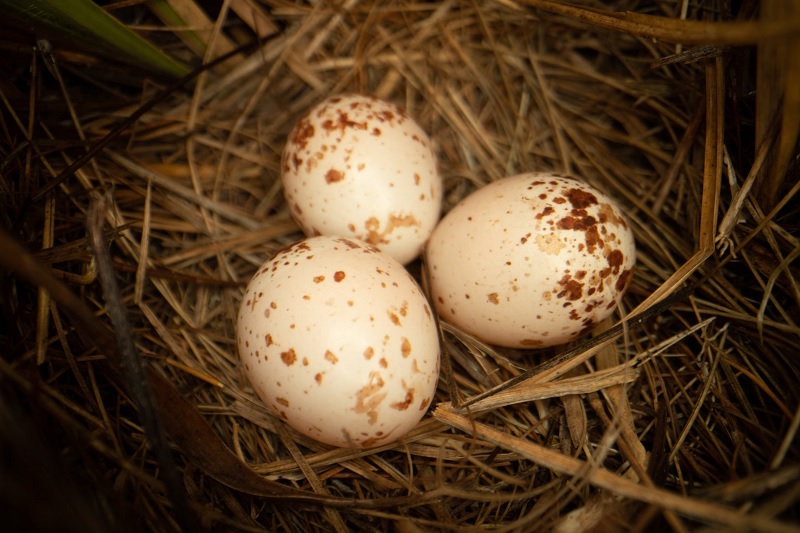
Many songbirds lay brown speckled eggs that provide excellent camouflage within their nests. Species like the House Sparrow, Song Thrush, and Dunnock produce eggs with varying patterns of brown spots and speckles. These markings help break up the egg’s outline against leaves, twigs, and nesting materials, protecting them from predators. Beyond camouflage, the speckles also assist parent birds in recognizing their own eggs, especially in areas where multiple nests are close together.
House Sparrow
The House Sparrow is one of the most familiar birds found in urban and suburban areas worldwide. These adaptable birds typically lay eggs that are pale white or light gray with fine brown speckles. The speckles are scattered rather lightly, helping the eggs blend in with the nesting materials such as twigs, grasses, and man-made debris. House Sparrows build nests in cavities, eaves of buildings, or nest boxes, where their speckled eggs are less vulnerable to predators but still benefit from some camouflage. The speckling also aids parents in quickly recognizing their own eggs in crowded nesting sites.
Song Thrush
The Song Thrush is widely known for its richly speckled eggs, which are a defining feature of this species. Their eggs have a creamy or pale base color heavily marked with dark brown or black speckles and blotches. These striking patterns break up the egg’s shape, providing excellent camouflage in nests built from moss, leaves, and twigs, often placed in dense shrubs or trees. Song Thrushes are ground feeders, and their nest placement close to the ground makes egg camouflage especially important to protect against predators such as crows and squirrels.
Dunnock
The Dunnock, also called the hedge sparrow, lays small, pale eggs covered with fine brown speckles, often concentrated at one end of the egg. These subtle markings work well in their preferred habitats of hedgerows and dense shrubbery. Dunnocks build relatively low nests, and their eggs’ coloration helps them blend into the leafy background and nesting materials. The speckling also plays a role in helping the birds differentiate their eggs in areas where multiple females may nest nearby.
Ground-Nesting Birds With Brown Speckled Eggs
Ground-nesting birds often lay brown speckled eggs to blend seamlessly with their surroundings and avoid predators. Birds like the Killdeer, Northern Lapwing, and various Plover species produce eggs covered with dense brown spots and blotches. These patterns mimic the texture of soil, rocks, and leaves, providing essential camouflage in exposed nesting sites. This natural adaptation is vital for protecting the eggs since ground nests are more vulnerable to threats from animals and harsh environmental conditions.
Killdeer
The Killdeer is a well-known ground-nesting bird native to North America. Killdeer eggs are sandy beige to light brown with dark brown speckles and blotches, making them incredibly difficult to spot on gravel or dirt ground. Their nests are simple scrapes in the earth, sometimes lined with small stones or bits of shell, so the speckled eggs perfectly mimic the natural environment. The dense speckling also helps break up the egg’s outline, which is vital for avoiding detection by predators like raccoons, snakes, and crows.
Northern Lapwing
The Northern Lapwing is another ground nester found across Europe and parts of Asia. Its eggs are typically olive to brown with darker speckles and spots, varying greatly in size and density. Lapwings lay their eggs directly on open ground, often in farmland or grassland areas. The camouflage provided by their brown speckles is essential in these exposed environments. Lapwings also use distraction displays to lure predators away from their nests, but the eggs’ natural concealment remains the first line of defense.
Plover Species
Various Plover species, including the Common Plover and Semipalmated Plover, also lay brown speckled eggs. These shorebirds typically nest on sandy or rocky ground near water. Their eggs are sandy or cream-colored with dense dark brown speckles that blend with pebbles and sand. This camouflage is crucial because Plovers leave their nests unattended for extended periods while foraging. The speckled pattern helps eggs stay hidden from gulls, foxes, and other predators common in coastal habitats.
Waterfowl and Other Birds
Waterfowl such as Mallard ducks and some gull species also lay brown speckled eggs that help conceal their nests in natural habitats. Mallard eggs feature subtle brown speckles on pale backgrounds, blending well with reeds and grasses near water. Similarly, gull eggs often have concentrated speckles that match rocky or sandy nesting sites. These patterns provide camouflage against predators, ensuring better protection for the eggs in open or coastal environments where waterfowl commonly nest.
Mallard Ducks
The Mallard Duck is one of the most widespread and recognizable waterfowl species. Mallard eggs are usually pale green or buff with light brown speckles, though the speckling tends to be subtle and less dense than ground-nesting birds. The eggs are laid in nests built close to water, often hidden in reeds or tall grasses. This moderate speckling helps the eggs blend into the mixed textures and shadows of their nesting environment. Additionally, Mallards produce relatively large clutches, so camouflage helps reduce losses due to predation.
Some Gull Species
Certain Gull species, such as the Herring Gull and Black-headed Gull, also lay brown speckled eggs. These birds nest in colonies on rocky cliffs, beaches, or islands. Their eggs are usually pale with brown, gray, or black speckles concentrated toward the larger end. This speckling helps conceal the eggs against the mixed backgrounds of rocks, sand, and shells. Gulls are aggressive parents and defenders of their nests, but egg camouflage is still crucial, especially in large colonies where nests are close together.
Why Do Birds Lay Brown Speckled Eggs?
The variety of colors and patterns on bird eggs serves important purposes beyond just aesthetics. Brown speckled eggs are especially common among many species, and understanding why birds lay these eggs reveals fascinating adaptations related to survival and environmental interaction. This section explores the main reasons behind the presence of brown speckles on eggs, focusing on camouflage, protection, and environmental influences.
Camouflage and Protection
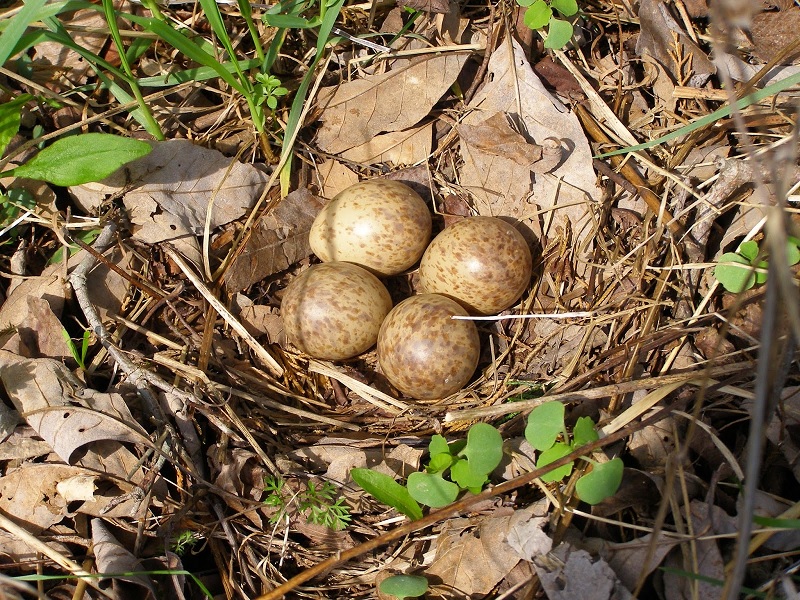
One of the primary reasons birds lay brown speckled eggs is for camouflage. The speckles and spots help break up the egg’s outline, making it much harder for predators to detect the eggs in their natural nesting environments. This is especially critical for birds that nest in exposed or vulnerable places such as on the ground, in low shrubs, or open nests.
The brown coloration and irregular speckling patterns mimic natural elements like soil, leaves, twigs, and shadows. This blending effect effectively conceals the eggs from predators such as snakes, raccoons, birds of prey, and even other birds. For example, ground-nesting birds like Killdeer and Plovers rely heavily on this camouflage to protect their vulnerable clutches from being spotted and eaten.
Beyond visual concealment, speckles may also strengthen the eggshell. Studies suggest that the pigments responsible for the brown speckles, primarily protoporphyrins, can reinforce thinner areas of the shell. This added structural support reduces the risk of cracks or breaks during incubation or accidental impacts, increasing the chances of embryo survival.
Environmental Influences
Environmental factors also play a significant role in the development of brown speckled eggs. The intensity and pattern of speckling often correlate with the bird’s habitat and nesting conditions. Birds nesting in open, exposed environments tend to have more heavily speckled eggs to maximize camouflage, while species nesting in safer, concealed places may have lighter or fewer speckles.
Climate and habitat characteristics influence eggshell pigmentation. For example, birds living in regions with higher sunlight exposure may develop darker speckles to protect the embryo from ultraviolet radiation. Similarly, species nesting in areas with rough terrain or dense foliage produce speckled eggs that blend with specific textures and colors found in their environment.
Genetics also determine the degree of speckling and coloration, but natural selection favors patterns that enhance survival based on habitat risks. Over generations, birds with eggs better camouflaged for their surroundings tend to have higher reproductive success, gradually shaping the characteristic brown speckled eggs seen in many species today.
Identifying Brown Speckled Eggs in the Wild
Spotting brown speckled eggs in the wild can be a rewarding experience for bird enthusiasts and nature lovers. However, identifying these eggs accurately requires understanding subtle differences in their size, shape, and the nesting habits of the birds that lay them. This section explores key features that help distinguish brown speckled eggs in their natural settings.
Size and Shape Variations
Brown speckled eggs vary widely in size and shape depending on the bird species. Small songbirds like the Dunnock lay eggs that are typically tiny and oval, with delicate, fine speckles concentrated near the larger end. In contrast, larger ground-nesting birds such as the Killdeer produce bigger eggs with more robust shapes and dense speckling patterns.
Egg size can range from under 2 centimeters to over 5 centimeters in length, and shapes can be rounded, oval, or slightly elongated. Speckle patterns also differ; some eggs feature small, evenly distributed spots, while others display large blotches or concentrated clusters of pigmentation. Observing these characteristics helps narrow down potential species and provides clues about the bird’s size and nesting environment.
Color tones beneath the speckles can also vary from creamy white, pale green, buff, to olive, depending on the bird. Paying attention to these base colors alongside the speckling pattern is vital for accurate identification.
Nesting Habits
Understanding the nesting habits of birds that lay brown speckled eggs is equally important in identification. Many ground-nesting birds place their eggs directly on bare earth, gravel, or sparse vegetation, relying heavily on camouflage provided by dense speckles. For example, Killdeer and Plovers create shallow scrapes where their eggs blend into the surroundings almost perfectly.
On the other hand, songbirds such as the Song Thrush or House Sparrow build nests in shrubs, trees, or man-made structures. Their brown speckled eggs are often nestled among leaves, moss, or twigs, where the speckles help break up the egg outline amid the textured nesting material.
Waterfowl, including Mallards, tend to nest near water bodies with dense vegetation. Their eggs, often pale with subtle speckles, are hidden within reeds or grass, relying on both the pattern and nesting location for protection.
By observing the nest’s location, construction, and surrounding environment, you can often link the egg to a specific bird species. Additionally, timing during breeding seasons can help, as many species lay eggs during distinct months.
FAQs
Why Do Some Birds Lay Brown Speckled Eggs Instead Of Plain Eggs?
Birds lay brown speckled eggs mainly for camouflage and protection. The speckles break up the outline of the egg, helping it blend into the surroundings like soil, leaves, or rocks. This makes the eggs less visible to predators. Additionally, the pigments creating these speckles can strengthen the eggshell, reducing the chance of damage during incubation.
How Can I Identify Brown Speckled Eggs In The Wild?
You can identify brown speckled eggs by looking at their size, shape, and the pattern of speckles. Smaller eggs with fine speckles often belong to songbirds, while larger eggs with dense blotches are usually from ground-nesting birds. Also, consider the nesting environment—whether the eggs are in trees, shrubs, or on the ground—to help pinpoint the species.
Do All Birds That Lay Brown Speckled Eggs Nest On The Ground?
Not all birds that lay brown speckled eggs nest on the ground. While many ground-nesting birds, like Killdeer and Plovers, rely on speckled eggs for camouflage, some songbirds such as House Sparrows and Song Thrushes build nests in trees or shrubs and also lay speckled eggs. The speckles provide camouflage relative to the specific nesting materials and surroundings.
Are Brown Speckled Eggs Stronger Than Plain-Colored Eggs?
Yes, brown speckled eggs are often stronger than plain-colored eggs. The pigments responsible for the brown speckles, especially protoporphyrins, may help reinforce thinner areas of the eggshell. This additional strength reduces the likelihood of cracks or breaks, offering better protection for the developing embryo inside.
Can The Pattern Of Brown Speckles Help Birds Recognize Their Own Eggs?
Yes, the unique pattern of brown speckles can help parent birds recognize their own eggs, particularly in species where multiple birds nest close together. These patterns act like fingerprints, allowing birds to distinguish their eggs from others and avoid accidentally abandoning or rejecting their own offspring.
Conclusion
Brown speckled eggs are a remarkable adaptation found in many bird species, from songbirds like the House Sparrow and Song Thrush to ground nesters such as Killdeer and Plovers, and even waterfowl like Mallards. These distinctive speckles serve vital purposes, primarily camouflage and protection, helping eggs blend seamlessly into their natural environments and reducing the risk of predation.
The variety in size, shape, and speckle patterns reflects the diverse habitats and nesting behaviors of these birds. Understanding what bird has brown speckled eggs not only deepens your appreciation for bird life but also highlights nature’s clever strategies to ensure the survival of future generations. Observing these eggs offers a fascinating glimpse into the intricate balance between form, function, and environment in the avian world.