
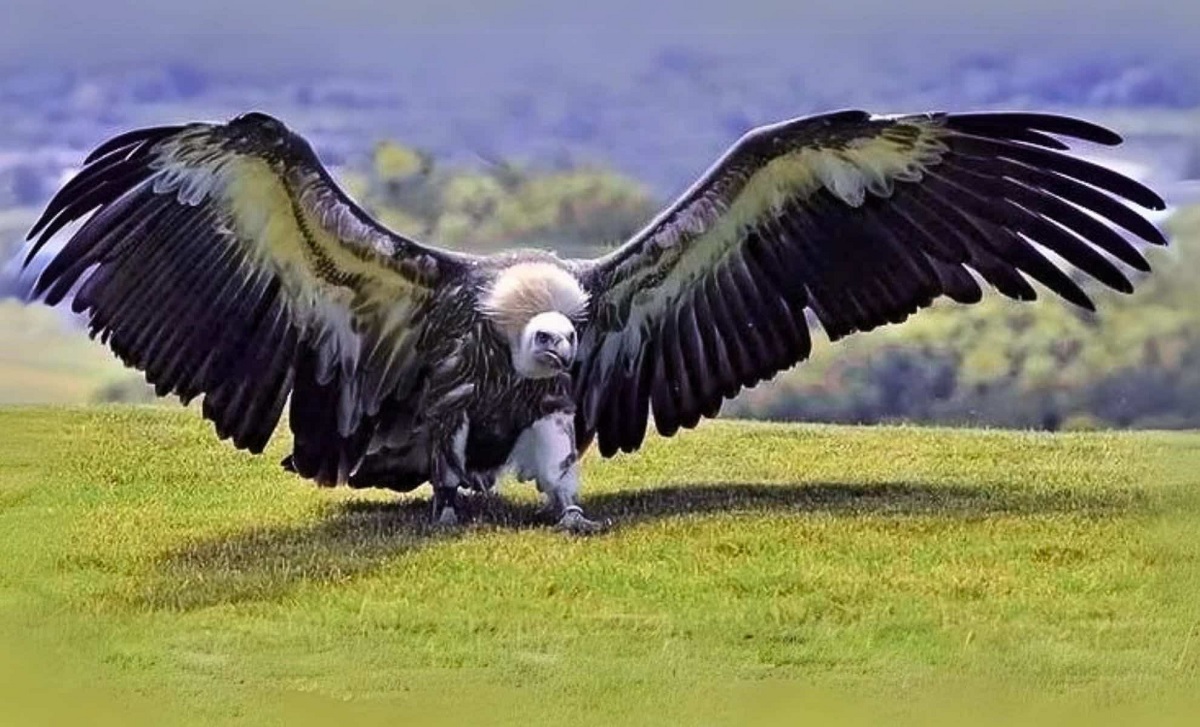
Have you ever looked up and wondered what bird has the largest wing span soaring across the sky? This fascinating question draws the curiosity of bird lovers, wildlife photographers, and nature enthusiasts alike. Wing span plays a major role in how birds fly, migrate, and hunt, especially in species that travel vast distances or glide effortlessly over oceans. When people search for the keyword “what bird has the largest wing span,” they’re often amazed to discover just how wide those wings can stretch.
Some birds use their massive wings to ride air currents for hours without flapping, conserving energy over long journeys. Others rely on their size to dominate the skies in search of food. In this article, you’ll explore the remarkable species that holds the title for the world’s widest wings, learn what gives it this aerodynamic advantage, and discover other large-winged birds that come close. Nature’s design truly knows no limits.
Introduction of What Bird Has the Largest Wingspan
Birds are some of nature’s most remarkable flyers, each with unique adaptations that allow them to survive in different environments. Among the many fascinating features of birds, wingspan stands out as one of the most awe-inspiring. It determines how a bird moves through the air, how far it can travel, and how efficiently it can soar.
When people ask, what bird has the largest wingspan, they’re tapping into a deep interest in flight, size, and the limits of nature’s design. The answer isn’t just a name—it’s a glimpse into how extraordinary avian life can be. This question leads us to one of the world’s most iconic and graceful seabirds, whose wings are longer than most people are tall.
A Glimpse into the World of Majestic Wings
When you think about birds, one of the most striking features that comes to mind is their wings. From tiny hummingbirds to mighty albatrosses, wings define how birds move, survive, and thrive. Among all flying creatures, the question often asked is: what bird has the largest wingspan? This topic not only fascinates birdwatchers but also captures the interest of nature lovers and scientists alike.
Why Wingspan Matters in the Avian World
Wingspan plays a crucial role in a bird’s ability to glide, soar, and travel great distances. Birds with wide wingspans are often built for endurance and long flights, especially over open oceans or vast landscapes. Their wing structure allows them to catch thermals and wind currents, helping them stay aloft with minimal effort. The largest-winged birds don’t just look impressive—they are aerodynamic wonders of evolution, designed for power, precision, and distance.
The Bird With the Largest Wingspan
When it comes to sheer wing size, no bird in the world surpasses the wandering albatross. Known for its graceful glides over the open ocean, this bird holds the record for the largest wingspan of any living bird on Earth. With wings stretching up to 12 feet (3.6 meters) from tip to tip, the wandering albatross is a true marvel of the avian world. This massive wingspan gives it an unmatched ability to travel vast distances with minimal effort, often flying thousands of miles without ever touching land.
Meet the Wandering Albatross
The wandering albatross (Diomedea exulans) is a seabird that spends most of its life soaring above the Southern Ocean. It nests on remote islands near Antarctica and can live for over 50 years. These birds are known for their strong pair bonds, elaborate courtship dances, and slow breeding cycles—laying only one egg every two years. What sets them apart most, though, is how effortlessly they move through the air, riding wind currents with barely a flap of their wings.
How Its Wings Work So Efficiently
The albatross’s wings are uniquely shaped for dynamic soaring. This technique allows them to gain lift from wind differences above the ocean’s surface and then glide for hours. With specially locked shoulder joints and long, narrow wings, the bird can conserve energy while covering enormous distances. Its flight efficiency is so high that it’s capable of flying up to 10,000 kilometers (over 6,000 miles) on a single foraging trip.
Why Size Matters in Open Skies
In open ocean environments, where thermals and updrafts are weaker than over land, a larger wingspan offers a major advantage. The wandering albatross’s enormous wings let it float over the waves with minimal drag, turning the sky into an endless highway. This aerodynamic design is not just impressive—it’s essential to the bird’s survival in one of the most demanding habitats on the planet.
Other Birds With Impressive Wingspans
While the wandering albatross tops the list, several other birds showcase wingspans that are nothing short of extraordinary. These species may not hold the world record, but their impressive wings help them thrive in diverse habitats—from rugged mountain ranges to tropical coastlines. Understanding these birds gives you a deeper appreciation for how wingspan influences flight, behavior, and survival in the avian world.
Southern Royal Albatross
Closely related to the wandering albatross, the Southern royal albatross has a wingspan reaching up to 11 feet (3.3 meters). Found mostly in the southern oceans, it uses the same dynamic soaring techniques to travel long distances over open water. These birds breed on sub-Antarctic islands and have a similar slow breeding cycle, laying a single egg every two years. Their wings are long, slender, and built for endurance rather than speed.
Great White Pelican
The great white pelican may not be a sea-glider like the albatross, but it holds its own with an impressive wingspan of up to 11 feet (3.3 meters). Native to parts of Africa, Europe, and Asia, this bird uses thermal currents to stay aloft while traveling between lakes and wetlands. Its broad wings allow it to migrate in flocks, often covering long distances without needing to land. The pelican’s wings are also essential during fishing, helping it stay balanced while scooping up prey with its large bill.
Andean Condor
The Andean condor boasts the largest wingspan of any land bird, measuring nearly 10.5 feet (3.2 meters). Native to the Andes Mountains and nearby coasts, this massive scavenger is an expert glider. Its wings are broad and fingered, helping it ride strong mountain updrafts for hours without flapping. These powerful birds use their incredible wings not only for travel but also to command territory and search wide areas for food.
Why Large Wingspans Matter
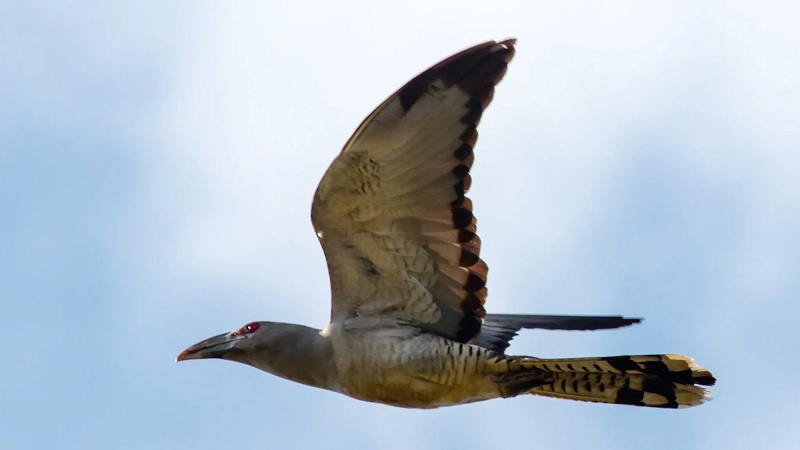
Large wingspans are more than just a visual marvel—they are critical adaptations that allow certain birds to thrive in specific environments. Whether soaring across oceans, gliding over mountain peaks, or covering vast distances during migration, a long wingspan plays a key role in a bird’s survival. The structure, length, and shape of wings directly influence how efficiently a bird can fly, conserve energy, and navigate its surroundings.
Energy Efficiency and Long-Distance Travel
Birds with wide wingspans are often built for endurance rather than speed. Their long wings allow them to glide for hours without flapping, reducing the energy they expend in flight. This is especially important for seabirds like albatrosses, which can fly for thousands of miles over the ocean in search of food. By riding wind currents and thermals, they maintain altitude and cover large distances with minimal effort, making long wings a key factor in energy conservation.
Flight Stability and Maneuvering
In addition to helping birds travel far, large wings provide greater flight stability in windy or turbulent conditions. Birds like the Andean condor use their broad wings to maneuver across mountainous terrain, catching updrafts that help them soar gracefully. A wide wingspan gives birds better control, especially during gliding or circling motions, which is useful when scanning large areas for prey or food.
Survival in Harsh Environments
For many species, having a large wingspan means they can explore wider ranges, reach isolated nesting sites, and avoid predators more easily. This physical trait can be a matter of survival in harsh or remote habitats, where food and shelter may be far apart. From ocean wanderers to mountain gliders, birds with long wings are built to survive where others might struggle.
Record Holders and Fun Facts
Birds with massive wingspans often hold more than just flight records—they’re full of fascinating surprises that highlight how diverse and remarkable the avian world can be. From astonishing flight distances to unique behaviors, these birds are more than just large-winged wonders. Their physical traits are matched by their endurance, intelligence, and sometimes even quirks that make them stand out.
Longest Wingspan Ever Recorded
The wandering albatross holds the official record for the longest wingspan of any living bird, with some individuals reaching up to 12 feet (3.6 meters). These wings allow them to glide effortlessly for hours and travel across entire ocean basins. Scientists have tracked some of these birds flying over 75,000 miles in a single year, making them some of the most well-traveled animals on the planet.
Ancient Giants of the Sky
While modern birds are impressive, prehistoric species were even more extraordinary. The extinct bird Pelagornis sandersi, believed to have lived 25 million years ago, had an estimated wingspan of 20 to 24 feet, making it the largest flying bird ever discovered. Its bones were lightweight and hollow, much like modern seabirds, allowing it to soar over ancient oceans.
Surprising Gliding Champions
The frigatebird, with a wingspan of about 7.5 feet, may not be the widest, but it can stay aloft for weeks without landing. These tropical birds sleep while gliding and use air currents to their full advantage. Their lightweight bodies and high aspect-ratio wings make them some of the most efficient gliders in the animal kingdom.
FAQs
What Bird Has the Largest Wingspan in the World?
The bird with the largest wingspan in the world is the wandering albatross. You can recognize it by its enormous wings, which can stretch up to 12 feet (3.6 meters) from tip to tip. This wingspan allows the bird to glide effortlessly for long periods over the ocean without needing to flap. It uses a technique called dynamic soaring, riding wind currents and ocean breezes to conserve energy while covering great distances.
Why Does the Wandering Albatross Need Such a Large Wingspan?
The wandering albatross travels thousands of miles across open oceans, and its large wingspan helps it glide efficiently over long distances. The wide wings allow the bird to use minimal energy by catching wind currents and avoiding the need for constant flapping. This adaptation is vital for survival, especially since the bird often goes days or weeks without landing while searching for food.
How Long Can the Wandering Albatross Stay in the Air?
Thanks to its massive wingspan and gliding ability, the wandering albatross can stay in the air for hours or even days at a time without landing. It’s known to travel over 500 miles in a single day and has been recorded covering over 75,000 miles in one year. Its flight patterns make it one of the most far-traveling creatures on Earth.
Are There Other Birds With Similar Wingspans?
Yes, other birds like the Southern royal albatross and the great white pelican also have wingspans reaching up to 11 feet (3.3 meters). While they don’t surpass the wandering albatross, they are still among the largest flying birds and share similar gliding and soaring capabilities.
Where Can You See the Wandering Albatross in the Wild?
You can spot the wandering albatross in the Southern Ocean, especially around sub-Antarctic islands like South Georgia, Macquarie Island, and the Crozet Islands. These birds spend most of their lives at sea and only return to land for breeding. Observing one in flight is a rare and unforgettable experience due to its size and elegance.
What Makes Wingspan So Important for Birds?
A bird’s wingspan affects how it flies, conserves energy, and navigates its environment. Large wingspans are perfect for soaring and gliding, especially over oceans or high terrains. For the wandering albatross, the wide wings mean it can travel long distances efficiently, stay airborne for longer periods, and access feeding grounds that smaller birds can’t easily reach.
Conclusion
The bird with the largest wingspan is the wandering albatross, known for its incredible wingspan that can stretch up to 11 feet or more. This remarkable adaptation allows the albatross to glide effortlessly over vast ocean distances, conserving energy during long flights. Its impressive wingspan not only highlights the incredible diversity among bird species but also showcases how evolution has shaped birds to thrive in their environments.
Understanding the wandering albatross and other large-winged birds offers insight into the fascinating world of avian flight and survival. Whether soaring over open seas or mountainous regions, birds with large wingspans demonstrate nature’s incredible engineering and the importance of wingspan in their ability to navigate the skies efficiently.