
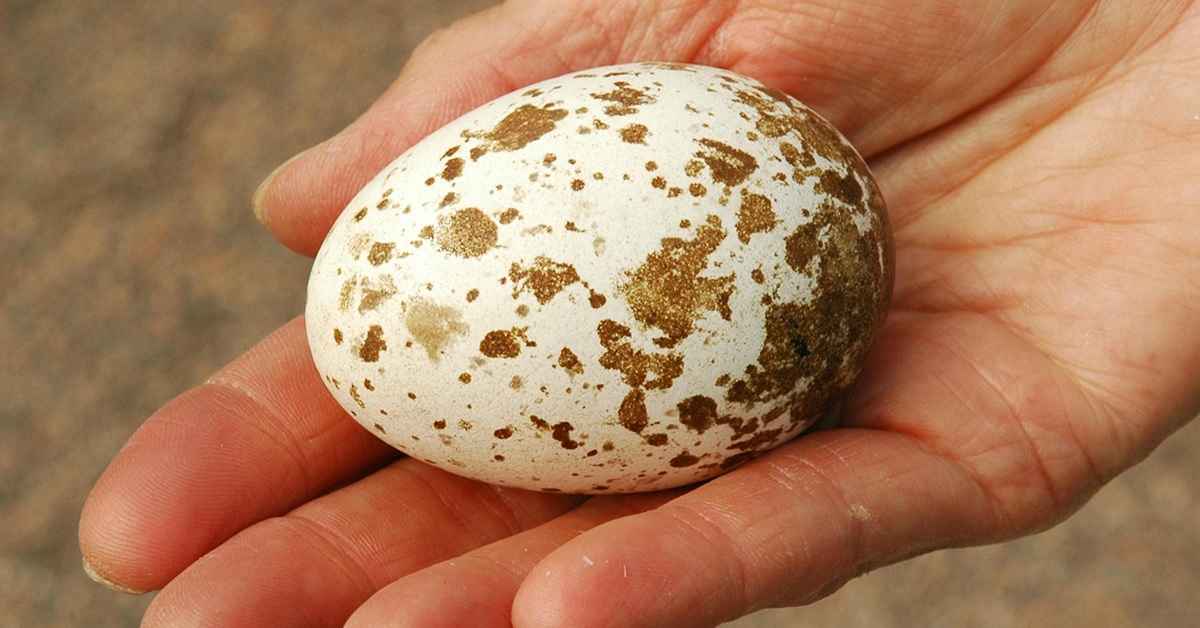
Wondering what bird has white eggs? Many bird species lay white eggs, each with unique reasons and fascinating traits. White eggs are common among birds that nest in dark or hidden places, where camouflage isn’t as crucial. These eggs can be seen in birds like pigeons, some owls, and certain seabirds. The plain white color often helps the parents spot the eggs easily in dim environments.
Understanding what bird has white eggs opens a window into the natural world’s diversity and how different species adapt their nesting habits. Whether you’re a birdwatcher, a student, or just curious about nature, knowing which birds lay white eggs adds depth to your knowledge of wildlife. This introduction will guide you through the key examples and interesting facts about birds with white eggs, revealing why this simple color choice is so important for survival and reproduction.
Introduction
Bird eggs come in a stunning variety of colors and patterns, ranging from plain white to speckled blues, greens, and browns. Understanding the coloration of bird eggs is more than just a curiosity—it plays a crucial role in how birds protect their offspring and how birdwatchers and researchers identify different species. This section offers an overview of bird egg coloration and explains why egg color matters in bird identification.
Overview of Bird Egg Coloration
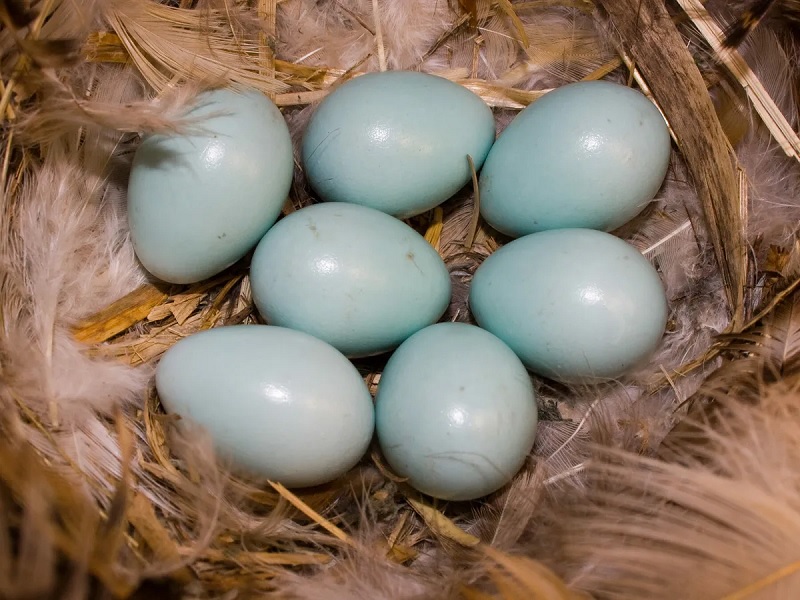
Bird egg coloration varies widely across species, influenced by genetics, environmental factors, and evolutionary adaptations. Some birds lay pure white eggs, while others produce eggs with intricate spots, blotches, or a range of subtle hues like pale blue or green. The pigments responsible for these colors typically come from two main sources: biliverdin, which creates blue and green shades, and protoporphyrin, responsible for reddish and brown tones.
The color and pattern of eggs often serve a functional purpose. For example, birds that nest in open areas tend to lay speckled or camouflaged eggs, blending with their surroundings to avoid predators. In contrast, species nesting in dark cavities or dense foliage often lay plain white eggs because camouflage is less necessary where the eggs are hidden from view.
The diversity in egg coloration reflects the wide range of nesting environments and survival strategies that birds have developed over millions of years. This variety can also be influenced by factors such as parental behavior, predation risk, and habitat type.
Importance of Egg Color in Bird Identification
Egg color is a valuable tool for bird identification, especially when observing nests or studying breeding behaviors. Since many adult birds can be elusive or active at different times of day, recognizing eggs can provide key clues about which species are present in an area.
For birdwatchers, researchers, and conservationists, knowing what bird has white eggs or colored eggs helps narrow down potential species when direct sightings are rare. For example, the presence of white eggs might indicate cavity-nesting birds like some owls or pigeons, while speckled eggs could suggest ground-nesting birds such as plovers or sparrows.
Egg coloration can also assist in monitoring bird populations and health. Changes in egg appearance might signal environmental stress or pollution affecting local bird species. Furthermore, understanding egg color patterns helps protect vulnerable nests from accidental disturbance, ensuring better success for breeding birds.
Common Birds That Lay White Eggs
Egg color varies widely across bird species, but white eggs are quite common among both domestic and wild birds. The pure white appearance of these eggs often relates to the bird’s nesting habits or evolutionary traits. This section explores some of the most common birds that lay white eggs, dividing them into domestic and wild categories to give you a clearer understanding.

Domestic Birds
Domestic birds are familiar to many because of their close relationship with humans. Their white eggs are widely recognized and often part of everyday life, especially in kitchens around the world.
Chickens
Among domestic birds, chickens are perhaps the most well-known egg layers. While chicken eggs can come in various shades, including brown and speckled, many popular breeds lay pure white eggs. Breeds such as the White Leghorn are famous for consistently producing white eggs. These eggs are generally medium to large in size and are prized for their clean, bright shells. The white shell color is linked to the breed’s genetics, and it does not affect the nutritional value or taste of the egg.
White eggs from chickens are common in commercial egg production because the shell color is often associated with cleanliness and quality in some markets. Despite the shell color, inside the egg, the nutritional content remains the same across different breeds.
Ducks
Ducks also lay white eggs, though these eggs tend to be larger and thicker-shelled compared to chicken eggs. Domestic duck breeds such as the Pekin duck are known to lay white eggs. Duck eggs are often favored for baking due to their richer flavor and higher fat content. The white coloration of duck eggshells is similarly a result of genetics and breeding.
White duck eggs are less common in everyday grocery stores but are popular among specialty food markets and in regions where duck farming is prevalent.
Wild Birds
In the wild, several bird species lay white eggs, often linked to their nesting habits. Birds that nest in hidden or sheltered locations tend to produce white eggs, as camouflage through coloration is less critical in these protected environments.
Seagulls
Seagulls, common along coastlines and near bodies of water, often lay eggs that are pale to pure white with occasional faint markings or spots. These eggs tend to be relatively large and robust to withstand the outdoor nesting conditions. Seagulls typically nest on rocky cliffs or flat surfaces, where their eggs may be somewhat exposed but benefit from the adults’ aggressive protection.
The white or lightly marked eggs help seagulls quickly identify their own clutch, especially in colonies where many nests are close together.
Doves and Pigeons
Doves and pigeons are well-known for their smooth, glossy white eggs. These birds typically nest in sheltered areas like tree branches, ledges, or urban structures. Because their nests are often hidden from predators, the eggs do not require camouflage and therefore remain a clean white color.
The white eggs of doves and pigeons are usually small and oval-shaped, reflecting the bird’s size. These eggs are often laid in pairs and incubated by both parents, making them a familiar sight in many urban and rural areas worldwide.
Herons and Egrets
Herons and egrets are large wading birds frequently found near wetlands, rivers, and marshes. These birds lay smooth, white eggs that are medium to large in size. Their nests are often built high in trees or shrubs, sometimes in large colonies called rookeries.
The white eggs of herons and egrets stand out in their nesting sites but remain protected by the height and density of the colony. The clean white coloration helps adults quickly spot the eggs and maintain the nest.
Characteristics of White Bird Eggs
White bird eggs possess distinct characteristics that reflect the diverse ways birds have adapted their reproductive strategies. These traits—ranging from size and shape to nesting behavior—offer insight into how white eggs function within the bird world. This section explores the key features of white bird eggs and what they reveal about the birds that lay them.

Size and Shape Variations
White bird eggs come in a wide range of sizes and shapes depending on the species. For example, domestic chicken eggs tend to be medium-sized and oval-shaped, while duck eggs are generally larger with a similar oval form but thicker shells. Wild birds like doves produce smaller, smooth white eggs, whereas herons lay larger, elongated eggs to match their body size.
Shape variations often relate to the bird’s nesting environment and incubation habits. Eggs laid in nests on cliffs or ledges may be more pointed on one end to prevent rolling, while those in secure cavities can afford to be rounder or less tapered. Despite the uniform white coloration, the diversity in size and shape demonstrates how different species optimize their eggs for safety and successful hatching.
Nesting Habits Linked to White Eggs
White eggs are commonly associated with birds that nest in concealed or protected locations. Species that build nests in dark cavities, tree hollows, or dense foliage often lay white eggs because the need for camouflage is minimal. The lack of pigmentation saves energy and may also make it easier for parents to detect their eggs in low-light environments.
For example, many owls and pigeons lay white eggs inside enclosed nests where predators have limited access. Similarly, some seabirds that nest in hidden crevices lay white or lightly marked eggs. In contrast, ground-nesting birds tend to produce speckled or camouflaged eggs to blend with their surroundings, reducing the risk of predation.
Camouflage and Predation Considerations
The coloration of bird eggs is closely tied to the risk of predation. White eggs are more vulnerable to predators if left exposed in open nests, which explains why white eggs are often found in hidden or sheltered nesting sites. When eggs are visible, natural selection favors patterns and colors that help eggs blend into the environment, such as browns, greens, and speckles.
In species that lay white eggs, parents typically rely on the nest’s location and their own protective behaviors to keep eggs safe. This strategy reduces the evolutionary pressure to develop pigmented shells for camouflage. White eggs can also be easier for parent birds to spot and monitor during incubation, especially in dimly lit nests.
Birds with Pure White vs. Off-White Eggs
Bird eggs come in a variety of shades, and even within the category of white eggs, subtle differences exist. Understanding the distinction between pure white and off-white eggs can provide deeper insights into bird species and their nesting habits. This section explores these differences and highlights examples of birds that lay eggs in each category.
Differences Between Pure White and Creamy/Ivory Eggs
Pure white eggs have a clean, bright white shell without any noticeable tint or coloration. These eggs often appear smooth and glossy, reflecting a stark whiteness that stands out clearly against most backgrounds. The absence of pigmentation in pure white eggs is usually linked to birds that nest in dark, sheltered places such as cavities or dense foliage. Since these eggs are hidden from potential predators, there is little evolutionary pressure for them to develop camouflage through coloration.
In contrast, off-white eggs display a subtle cream, ivory, or pale beige tint. These slight color variations are caused by small amounts of pigmentation deposited on the shell during egg formation. The off-white hues can offer slight camouflage benefits, helping eggs blend more softly with the natural materials in the nest like twigs, leaves, or mud. Birds that lay off-white eggs often nest in semi-exposed environments where a little concealment is advantageous, but full camouflage isn’t essential.
Examples of Species with Subtle Egg Color Variations
Several bird species exhibit a subtle range of egg colors, varying between pure white and off-white shades, which reflect adaptations to their specific nesting environments. For example, many pigeons lay pure white eggs, particularly those that nest in sheltered spots like tree hollows or building ledges. In contrast, some dove species produce eggs with a faint creamy or ivory tint, allowing the eggs to blend softly into their natural nesting materials.
Herons and egrets, large wading birds often found near wetlands and rivers, typically lay eggs that range from pure white to off-white with a slight creamy cast. Their nests, usually built high in trees using sticks and leaves, may influence the shell color to offer minimal camouflage while still maintaining visibility for the parents.
Seagull eggs also display variation, ranging from bright white to pale off-white with occasional light spotting. Since seagulls nest in colonies on open ground or rocky cliffs, these subtle color differences help the eggs blend just enough with their surroundings without compromising the parents’ ability to locate and care for them.
Geographic Distribution of Birds with White Eggs
Birds that lay white eggs are found across a wide range of geographic regions, spanning different continents and climates. The distribution of these species is closely linked to their habitat preferences and nesting strategies, which influence the presence of white eggs. This section explores where white-egg-laying birds are commonly found and the types of environments they favor.

Regions Where White-Egg-Laying Birds Are Common
White eggs appear in birds inhabiting many parts of the world, from temperate zones to tropical areas. In North America and Europe, species such as pigeons, doves, and cavity-nesting owls are widespread and known for their white eggs. These birds thrive in both urban and rural environments, adapting well to human presence.
Coastal regions and wetlands across the globe also host numerous white-egg-laying species, including herons, egrets, and various seabirds like gulls. These birds tend to nest in colonies along shorelines, islands, and riverbanks. Tropical and subtropical regions, such as parts of Asia, Africa, and South America, support a rich diversity of white-egg-laying birds, often in dense forests or mangrove swamps.
Domestic birds like chickens and ducks, which often lay white eggs, have a nearly global distribution due to human farming and domestication, appearing in almost every country.
Habitat Preferences
White-egg-laying birds typically prefer habitats that offer secure or concealed nesting sites. Many of these species choose tree cavities, dense foliage, or sheltered ledges for their nests, where white eggs can be safely incubated without the need for camouflage. For instance, pigeons and doves often nest in urban structures or natural hollows, while owls favor secluded tree cavities.
Wetland and coastal habitats provide ideal conditions for wading birds such as herons and egrets. These birds build nests high in trees or shrubs near water, where their white eggs remain protected from ground predators. Seabirds, like gulls, nest on rocky cliffs or isolated islands, taking advantage of the natural protection these sites provide.
Interesting Facts About White Bird Eggs
White bird eggs hold more than just biological importance—they carry fascinating evolutionary stories and cultural meanings as well. Exploring these aspects reveals why white eggs are common in nature and how humans have valued them throughout history.
Evolutionary Reasons for White Eggs
The white coloration of bird eggs is primarily an evolutionary adaptation linked to nesting habits. Birds that lay white eggs often choose protected or concealed nesting sites such as tree cavities, dense foliage, or sheltered ledges. In these environments, the need for camouflage is minimal, allowing eggs to remain plain white without increasing the risk of predation.
Producing white eggs requires less energy because the shell lacks pigments like protoporphyrin or biliverdin that color other eggs. This efficiency can be advantageous for species where hiding the eggs is ensured by the nest’s location rather than shell coloration. Additionally, the bright white color can make it easier for parent birds to spot and tend to their eggs, especially in dimly lit nests.
Some studies suggest that white eggshells might be stronger or have properties that protect embryos from harmful UV radiation, though these benefits can vary between species. Overall, white eggs reflect a successful evolutionary balance between protection, energy efficiency, and reproductive success.
Cultural Significance of White Bird Eggs
Beyond biology, white bird eggs have held symbolic and cultural significance in many societies. Throughout history, white eggs have been associated with purity, fertility, and new beginnings. In various cultures, white eggs are used in rituals, celebrations, and as offerings symbolizing life and renewal.
For example, in some traditional Easter customs, white eggs are decorated and gifted as symbols of rebirth and hope. White eggs are also often preferred in culinary traditions, valued for their appearance and perceived cleanliness.
In art and literature, white eggs sometimes represent innocence and fragility, inspiring countless metaphors about life’s beginnings and the delicate balance of nature. Their simple yet striking appearance has made white eggs a universal symbol across cultures and contexts.
How to Identify Bird Eggs
Identifying bird eggs can be a rewarding experience, especially for birdwatchers and nature enthusiasts. White eggs, while common among many species, often require careful observation to distinguish them from eggs of other colors and patterns. This section offers practical tips for recognizing white bird eggs and highlights important safety and ethical guidelines for handling them.
Tips for Distinguishing White Eggs from Others
The first step in identifying white bird eggs is to pay close attention to their size, shape, and texture. White eggs can range from small and round, like those of pigeons and doves, to larger and more elongated, such as those laid by herons or ducks. Noting these physical characteristics helps narrow down possible species.
Next, consider the nesting environment. Birds that lay white eggs often nest in concealed or sheltered spots like tree cavities, ledges, or dense vegetation. Observing the nest’s location can provide crucial clues about the egg’s origin. Additionally, some white eggs may have subtle markings or a glossy sheen, which can further aid identification.
Using a field guide or a bird identification app with egg images can be helpful to compare eggs and nests with documented species. Photographs and notes about the habitat and surrounding wildlife will also support accurate identification.
Safety and Ethical Considerations in Egg Handling
Handling bird eggs requires caution and respect for wildlife. Many bird species are protected by law, and disturbing nests or eggs can lead to legal penalties and harm to the birds. It’s important to observe nests from a distance without touching or moving the eggs.
If you encounter eggs in the wild, avoid handling them unless absolutely necessary and only if permitted by local wildlife regulations. Eggs are sensitive to temperature changes and human scent, which can disrupt incubation or attract predators.
For those studying bird eggs, using binoculars or cameras to document eggs without direct contact is the safest approach. When research or conservation work requires egg handling, it should be done by trained professionals following ethical guidelines to minimize disturbance.
Frequently Asked Questions
What Bird Has White Eggs Most Commonly?
Many birds lay white eggs, but some of the most common ones include pigeons, doves, certain owls, and seabirds like gulls. Domestic birds such as chickens and ducks also often lay white eggs, especially breeds like the White Leghorn chicken. These birds tend to lay white eggs because they nest in sheltered or hidden places where camouflage is less critical.
Why Do Some Birds Lay White Eggs Instead Of Colored Ones?
Birds that lay white eggs typically nest in protected environments such as tree cavities, dense foliage, or ledges where predators are less likely to spot their eggs. Since the eggs are hidden, these birds don’t need the camouflage that colored or speckled eggs provide. Producing white eggs requires less energy as the shell contains no pigments, which can be an evolutionary advantage.
How Can You Identify Which Bird Laid A White Egg?
Identifying the bird that laid a white egg involves observing the egg’s size, shape, and the nesting location. For example, small, round white eggs found in tree hollows might belong to pigeons or doves, while larger, elongated eggs in wetland trees could be from herons or egrets. Using a bird guide or app can help match the egg to its species based on these characteristics.
Do White Bird Eggs Have Different Nutritional Value?
The color of a bird’s eggshell, whether white or colored, does not affect the nutritional content of the egg inside. The nutritional value depends more on the bird’s diet and health rather than eggshell pigmentation. So, a white egg from a chicken has the same nutrients as a brown egg from another breed.
Are White Bird Eggs More Vulnerable To Predators?
White eggs can be more visible to predators if laid in open nests. However, birds that lay white eggs usually choose well-hidden or protected nesting sites to reduce this risk. In these environments, the lack of camouflage is not a disadvantage. Instead, the white color may help parents locate their eggs quickly in dim or dark nesting areas.
Conclusion
White eggs are a fascinating part of the bird world, laid by a variety of species ranging from common domestic chickens and ducks to wild birds like pigeons, doves, herons, and gulls. The presence of white eggs is closely tied to nesting habits, with many white-egg-laying birds choosing sheltered or hidden nests where camouflage is less necessary.
Understanding what bird has white eggs helps deepen your knowledge of bird behavior and ecology, offering insights into how different species adapt to protect their young. Whether you’re a casual birdwatcher or an avid nature enthusiast, recognizing these eggs opens a window into the diverse strategies birds use to thrive in their environments, making the study of white bird eggs both intriguing and rewarding.