
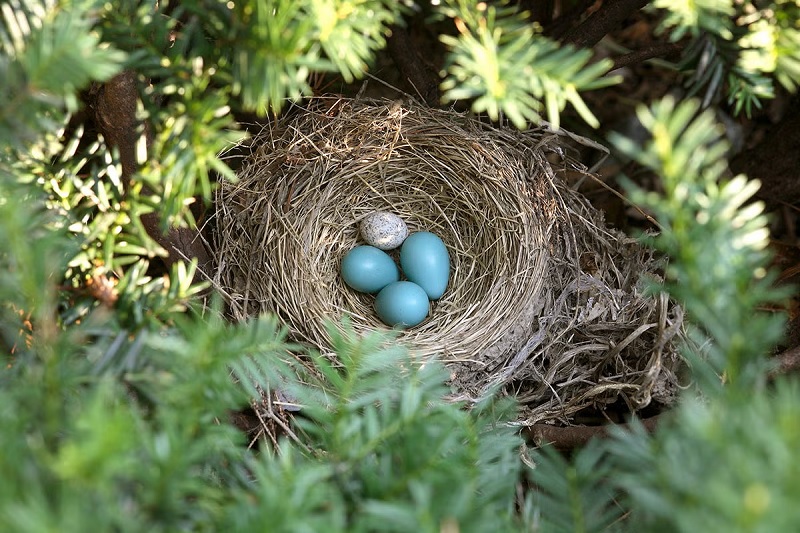
If you’ve ever wondered what bird lays eggs in other birds nest, you’re tapping into one of nature’s most fascinating and unusual behaviors. Some bird species don’t build their own nests or raise their own young—instead, they lay their eggs in the nests of other birds. This strategy, known as brood parasitism, allows them to avoid the effort of parenting while relying on unsuspecting host birds to incubate and raise their chicks.
The most famous example is the cuckoo, which is often cited when discussing this behavior. But there are other species that practice this as well. Understanding what bird lays eggs in other birds nest sheds light on the complex survival tactics in the avian world and reveals how these birds have adapted their reproductive strategies to thrive. It’s a remarkable reminder that in nature, survival often involves unexpected and clever twists.
Brood Parasitism
Brood parasitism is a fascinating reproductive strategy used by certain bird species where they lay their eggs in the nests of other birds, leaving the unsuspecting hosts to incubate and raise their chicks. This behavior allows parasitic birds to conserve energy and resources that would otherwise be spent on building nests, incubating eggs, and feeding young. The most well-known brood parasite is the common cuckoo, which has evolved remarkable adaptations to increase the chances of its eggs being accepted by host birds.
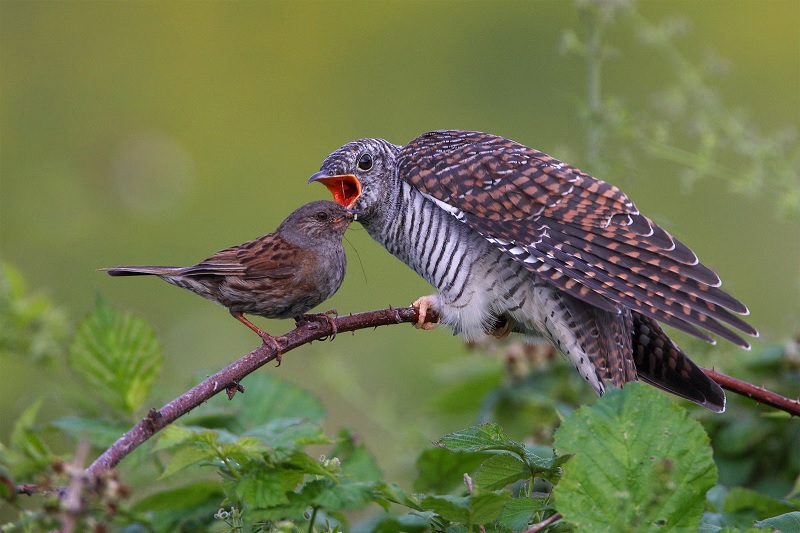
For instance, cuckoo eggs often mimic the color and pattern of the host’s eggs, reducing the likelihood that they will be rejected. Brood parasitism, however, can have significant impacts on the host species, as the parasitic chick often grows faster and demands more food, sometimes at the expense of the host’s own offspring.
While this survival tactic may seem unfair, it highlights the diverse and complex strategies that birds use to reproduce successfully in the wild. Understanding brood parasitism gives us insight into the evolutionary arms race between parasites and their hosts, illustrating nature’s constant push and pull for survival.
Common Birds That Lay Eggs in Other Birds’ Nests
Brood parasitism is a unique reproductive strategy, and several bird species are well-known for laying their eggs in the nests of other birds. Let’s take a closer look at some of the most common brood parasites and how they carry out this intriguing behavior.
Brown-headed Cowbird
The brown-headed cowbird is one of the most widespread brood parasites in North America. Unlike some parasitic birds that specialize in particular host species, cowbirds are generalists, laying their eggs in the nests of over 200 different bird species. This wide range of hosts is partly why cowbirds have been so successful, but it also causes significant challenges for many songbirds, which may end up raising cowbird chicks at the expense of their own. Cowbird eggs hatch quickly, and their chicks often grow faster and demand more food than the host’s young, sometimes leading to the starvation of the host’s offspring.
Common Cuckoo
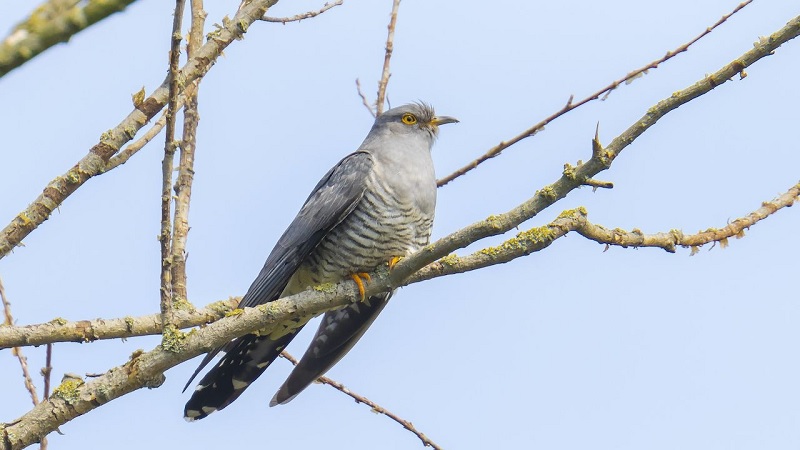
Perhaps the most famous brood parasite, the common cuckoo is native to Europe and Asia and is renowned for its sophisticated parasitic behavior. The female cuckoo carefully selects nests of specific host species and lays eggs that closely resemble the host’s eggs in color and pattern, greatly reducing the chance of rejection. Once the cuckoo chick hatches, it often pushes the host’s eggs or chicks out of the nest to monopolize the care and food provided by the foster parents. This ruthless strategy maximizes the cuckoo chick’s chances of survival but can be devastating for the host species.
Shiny Cowbird
The shiny cowbird, found mostly in South America and parts of the Caribbean, is another brood parasite similar to the brown-headed cowbird. It targets a variety of small to medium-sized passerine birds and is known to parasitize more than 200 species. The shiny cowbird’s eggs do not always mimic those of the host, so hosts sometimes recognize and reject the foreign eggs. However, the cowbird’s ability to lay multiple eggs in different nests increases the chances that at least some of its offspring will survive. Like other brood parasites, the shiny cowbird chick grows quickly and demands much care, often to the detriment of the host’s own chicks.
Other Brood Parasitic Species
Beyond these well-known birds, there are several other brood parasitic species around the world. For example, the parasitic weaver birds in Africa and some species of honeyguides use brood parasitism as well. Each has its own unique adaptations and preferred host species, contributing to the diversity of this reproductive strategy. While brood parasitism is relatively rare compared to traditional nesting, it highlights the fascinating ways evolution shapes survival tactics in the avian world.
How Brood Parasitism Works
Brood parasitism is a remarkable reproductive strategy where certain bird species rely on others to raise their young. This process involves a series of specialized behaviors and adaptations that ensure the parasitic bird’s eggs are accepted and cared for by the host. Let’s explore the key aspects of how brood parasitism works, including egg laying behavior, host nest selection, and egg mimicry.

Egg Laying Behavior
The process of brood parasitism begins with the parasitic bird laying its eggs in the nest of another bird species. Unlike most birds, which carefully build and defend their own nests, brood parasites save energy by outsourcing parental care. The parasitic female typically lays her egg quickly—sometimes in just a few seconds—when the host bird is away. Timing is critical; the parasite often waits until the host has laid some of its own eggs, ensuring that the host will incubate and care for the new addition. Some brood parasites even remove one of the host’s eggs to keep the total clutch size consistent, reducing suspicion. This swift and often sneaky egg-laying behavior is essential for the parasite’s success.
Host Nest Selection
Choosing the right host nest is a vital step for the parasitic bird. Many brood parasites specialize in particular host species whose nesting habits, incubation periods, and feeding behaviors align well with the parasite’s needs. For example, the common cuckoo targets specific species whose nests match the size and environment the cuckoo chick requires. The female parasitic bird scouts multiple nests to find one with the ideal conditions—usually a nest with eggs at the right stage of development and a host that is known to be a good caregiver. The host’s likelihood of accepting and raising the parasitic chick heavily influences the parasite’s chances of reproductive success.
Egg Mimicry and Adaptation
One of the most fascinating aspects of brood parasitism is the way parasitic birds adapt their eggs to resemble those of their host. Egg mimicry helps reduce the chances of the host bird recognizing and rejecting the foreign egg. For instance, the common cuckoo’s eggs closely match the color, size, and speckling patterns of their chosen host species. This evolutionary adaptation is the result of a long “arms race” between parasites and hosts—while hosts develop better ways to detect impostor eggs, parasites improve their mimicry. In some cases, parasitic eggs even hatch faster, allowing the chick to gain an advantage by outcompeting the host’s own offspring.
Impact on Host Birds
Brood parasitism doesn’t just affect the parasitic bird; it has significant consequences for the host species as well. When a parasitic bird lays its eggs in a host’s nest, it can disrupt the host’s reproductive success and trigger a range of behavioral and evolutionary responses. Understanding the impact on host birds reveals the complex dynamics between these species.
Effects on Host Offspring
One of the most direct impacts of brood parasitism is on the host’s own offspring. Parasitic chicks often hatch earlier and grow faster than the host’s young, allowing them to monopolize food and parental attention. In many cases, parasitic chicks actively push host eggs or chicks out of the nest, reducing or eliminating competition.
This behavior leads to lower survival rates for the host’s biological chicks. Even when host offspring survive alongside the parasite, they frequently receive less food and care, which can stunt their growth and development. As a result, brood parasitism can dramatically reduce the host bird’s reproductive success and affect population dynamics over time.
Behavioral Responses of Host Birds
Host birds are not passive victims; many have evolved a variety of behavioral defenses to combat brood parasitism. One common response is egg recognition—host birds may identify and reject eggs that look different from their own by either pushing them out of the nest or abandoning the nest altogether.
Some species increase nest vigilance, spending more time guarding their nests to prevent parasitic females from sneaking in. Others build new nests on top of parasitized ones or start over in a new location. These defensive behaviors, however, vary widely among species and are often only partially effective, as brood parasites continuously evolve strategies to bypass these defenses.
Evolutionary Arms Race Between Parasites and Hosts
The ongoing interaction between brood parasites and their hosts has led to a fascinating evolutionary arms race. As hosts develop better methods to detect and reject parasitic eggs, parasites respond with improved egg mimicry, quicker laying, or more secretive behaviors. This constant cycle of adaptation drives rapid evolutionary changes in both parties.
For example, the common cuckoo’s egg patterns closely mimic those of their specific host species, a direct result of this arms race. In turn, some hosts evolve even more refined egg recognition skills. This dynamic highlights how brood parasitism is not just a one-sided exploitation but a complex interaction shaping the evolution of multiple species over time.
Identification of Parasitic Eggs
For many bird species, detecting parasitic eggs in their nests is a crucial skill for protecting their reproductive success. Parasitic birds rely on stealth and mimicry to trick hosts into raising their offspring, but hosts have evolved ways to identify these foreign eggs. Understanding how parasitic eggs are identified involves looking at both visual differences and behavioral cues from the host birds.
Visual Differences in Eggs
One of the primary ways hosts detect parasitic eggs is through visual inspection. Many host birds have a remarkable ability to recognize subtle differences in color, size, shape, and pattern between their own eggs and those laid by parasites. For example, parasitic eggs may have slightly different hues or speckling patterns that stand out to an experienced host.
However, brood parasites like the common cuckoo have evolved highly sophisticated egg mimicry, producing eggs that closely resemble those of their chosen host species to avoid detection. This mimicry can be so precise that it takes keen observation to spot an imposter egg. In some cases, the texture or glossiness of the egg’s surface might differ, providing additional clues. Despite these efforts, mismatches in egg appearance remain one of the main reasons hosts reject parasitic eggs.
Behavioral Signs in Host Birds
Besides visual cues, host birds often exhibit behavioral signs that help indicate the presence of a parasitic egg. For instance, increased nest vigilance is a common response, where hosts spend more time guarding their nests or frequently checking their eggs. If a parasitic egg is detected, the host might peck at or remove the foreign egg from the nest.
In more extreme cases, some birds abandon the entire nest to start fresh elsewhere, avoiding the burden of raising an unrelated chick. Host birds might also react differently during incubation or feeding if a parasite’s chick hatches, such as feeding the parasite less or rejecting it outright, although this is less common. These behaviors not only help protect the host’s reproductive investment but also drive the evolutionary “arms race” between parasites and hosts.
Interesting Facts About Brood Parasitism
Brood parasitism is full of surprising and fascinating details that highlight the cleverness of nature. For instance, some parasitic birds like the common cuckoo have evolved to lay eggs that mimic the appearance of their host’s eggs so closely that it’s nearly impossible to tell them apart. Another intriguing fact is that cuckoo chicks often hatch earlier than the host’s eggs and will actively push the host’s eggs or chicks out of the nest to eliminate competition.
Interestingly, not all brood parasites rely on mimicry—some, like the brown-headed cowbird, are less selective and lay eggs in a wide variety of host nests without matching egg appearance. In some cases, host birds have developed the ability to recognize and reject parasitic eggs, leading to an ongoing evolutionary “arms race” between parasites and hosts. This dynamic interaction showcases the remarkable adaptations both sides have developed to survive and reproduce.
Frequently Asked Questions
Why Do Some Birds Lay Eggs In Other Birds’ Nests?
Some birds lay eggs in other birds’ nests to avoid the energy costs and risks associated with raising chicks. This behavior, called brood parasitism, lets them invest less in parenting while still ensuring their offspring survive. By tricking other birds into incubating their eggs and feeding their chicks, parasitic birds can focus more on reproduction rather than childcare, which increases their chances of passing on their genes.
How Do Parasitic Birds Choose Which Nest To Lay Their Eggs In?
Parasitic birds select nests based on several factors, including the species of the host, nest accessibility, and the stage of egg development. They often prefer nests where the host bird’s eggs match their own in size and appearance or where the host is less likely to reject foreign eggs. Parasitic females observe and scout multiple nests to find the ideal one with the right conditions to maximize their egg’s chances of survival.
How Can You Identify Parasitic Eggs In A Nest?
Parasitic eggs can sometimes be identified by subtle differences in color, size, or pattern compared to the host’s eggs. Some host birds are very skilled at spotting these differences and may reject the foreign egg by pushing it out or abandoning the nest. However, many parasitic birds, like cuckoos, lay eggs that closely mimic the host’s eggs, making detection very difficult without close inspection.
What Happens To The Host Birds’ Own Chicks When They Are Parasitized?
In many cases, parasitic chicks outcompete or even actively remove the host’s own chicks from the nest. For example, cuckoo chicks often hatch earlier and may push host eggs or chicks out of the nest to monopolize food and parental care. This means the host’s biological offspring may starve or fail to develop properly, reducing the host bird’s reproductive success dramatically.
Are There Birds That Can Defend Themselves Against Brood Parasitism?
Yes, some host bird species have developed behavioral defenses against brood parasitism. These include recognizing and rejecting foreign eggs, increased nest guarding, and abandoning parasitized nests to build new ones elsewhere. However, these defenses are not foolproof and vary widely depending on the host species and the sophistication of the parasitic bird’s mimicry.
Which Other Birds Besides Cuckoos Practice Brood Parasitism?
Besides cuckoos, several other birds practice brood parasitism. Brown-headed cowbirds and shiny cowbirds in the Americas are well-known examples. These cowbirds lay eggs in the nests of many different species, often without closely mimicking the host’s eggs. Other examples include honeyguides in Africa and parasitic weaver birds, each with their own unique methods for exploiting host species.
Does Brood Parasitism Affect Bird Populations?
Brood parasitism can significantly impact host bird populations, especially when parasitic birds lay many eggs in the same host species. It reduces the host’s reproductive success and may cause population declines if the parasitism rate is high. However, host species and parasites often reach an evolutionary balance where both can coexist, driven by ongoing adaptations and counter-adaptations between them.
Conclusion
The fascinating behavior of birds that lay eggs in other birds’ nests, such as the common cuckoo and brown-headed cowbird, showcases nature’s incredible strategies for survival. By relying on other species to raise their young, these parasitic birds save energy and increase their chances of reproduction, but this comes at a cost to the host birds.
The complex interactions between parasites and hosts, including egg mimicry and host defenses, highlight an ongoing evolutionary arms race that shapes the lives of both. Understanding what bird lays eggs in other birds’ nests gives us insight into these unique survival tactics and reminds us of the diverse and sometimes surprising ways animals adapt to thrive in the wild.