
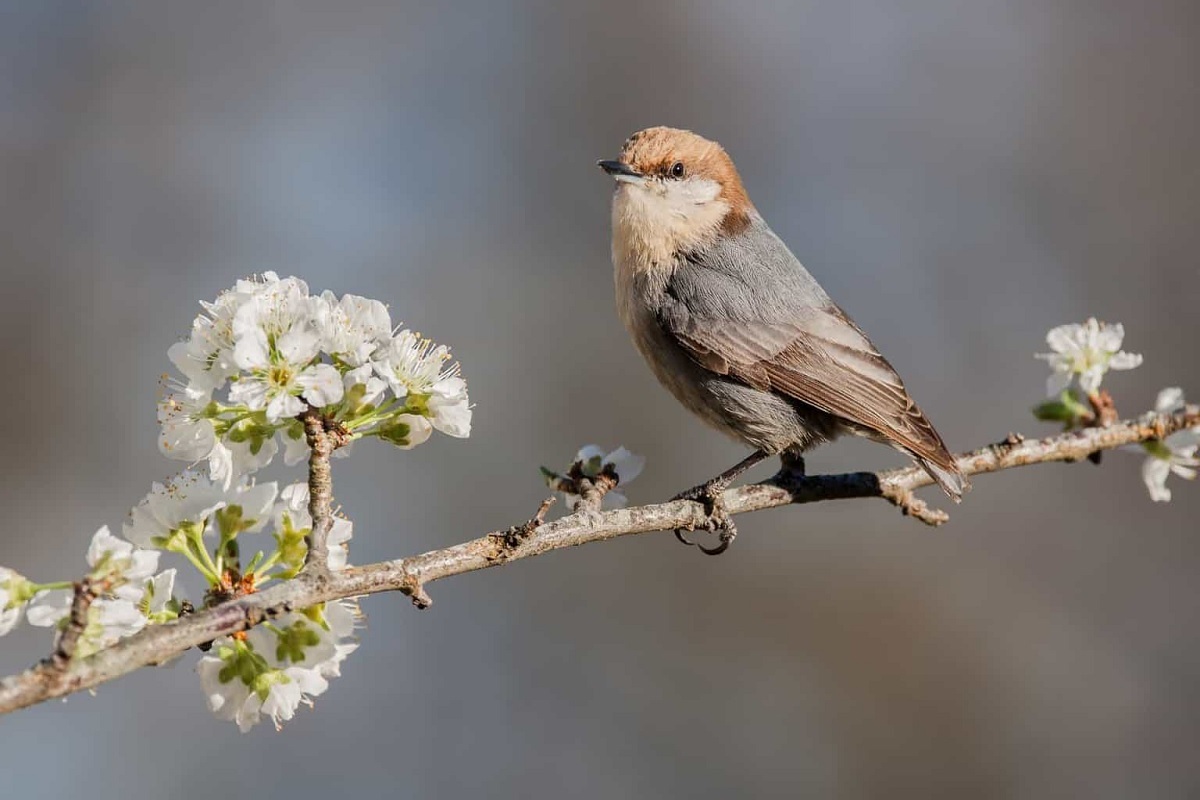
Wondering what bird sounds like a squeaky toy? It’s a question that often surprises people because bird calls are usually melodic or natural, but some birds really do produce sounds that resemble a high-pitched, repetitive squeak—almost like a toy. These unique calls catch attention quickly and can be both amusing and puzzling. Many bird enthusiasts and curious listeners have noticed these odd noises in gardens, parks, or forests and want to identify the source.
Understanding which bird creates these distinctive squeaky sounds can make your outdoor experiences more interesting and help you connect better with nature. In this introduction, you’ll learn about the types of birds known for their squeaky toy-like sounds, why they make these noises, and what makes their calls so memorable. Exploring this topic offers a fascinating glimpse into the diverse ways birds communicate.
Understanding Bird Sounds and Calls
Birds are remarkable creatures known for their diverse vocal abilities. Their sounds serve many purposes, from attracting mates to marking territory or warning of danger. To truly appreciate the curious question of what bird sounds like a squeaky toy, it helps to understand the basics of bird vocalizations and why some birds produce squeaky sounds.
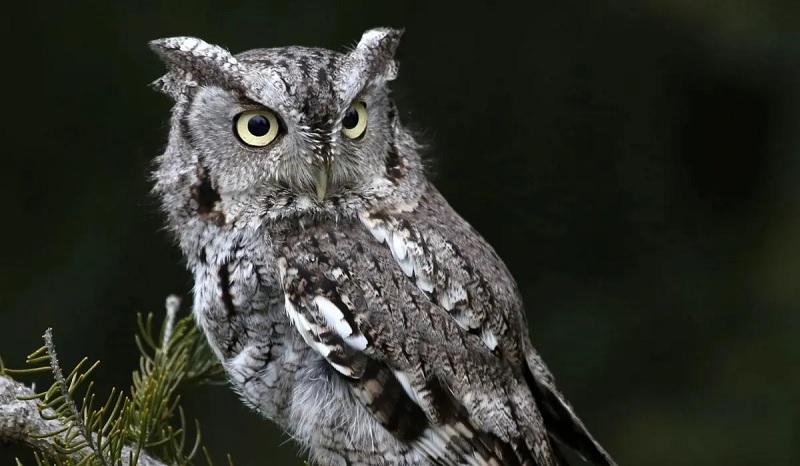
Types of Bird Vocalizations
Bird vocalizations generally fall into two main categories: songs and calls. Songs are often longer and more complex, usually produced by males during breeding season to attract females or defend their territory. These songs can vary widely, ranging from melodic tunes to rhythmic patterns.
Calls, on the other hand, tend to be shorter and simpler. They serve immediate functions such as signaling alarm, coordinating group movements, or maintaining contact between mates or flock members. Calls can be sharp chirps, whistles, or even unusual noises that stand out in nature.
Within these categories, some birds have developed very distinctive sounds. For instance, certain species produce clicks, rattles, or even mechanical-sounding noises. These unique sounds can be mistaken for non-natural noises, like a squeaky toy or a mechanical device.
Why Birds Make Squeaky Sounds
Squeaky sounds in birds are often the result of specific adaptations or behaviors. Some birds have evolved to produce high-pitched, repetitive noises as a way to grab attention quickly. These squeaky calls might serve as warnings to other birds or predators, or as a way to communicate with mates over long distances.
The physical structure of a bird’s syrinx—the vocal organ located at the base of its trachea—plays a big role in the variety of sounds it can produce. Birds with specialized syrinx muscles and membranes can create unusual sounds, including squeaks. Additionally, the way they use their beak and throat shapes the tone and pitch of these noises.
Environmental factors also influence why birds might favor squeaky sounds. High-pitched calls can travel well through dense foliage, helping the bird’s message reach farther in forests or thick shrubbery. Some birds might use squeaky sounds because they cut through ambient noise better than lower-pitched calls.
Common Birds That Sound Like a Squeaky Toy
Some birds are well known for their distinctive calls that closely resemble the high-pitched, repetitive sounds of a squeaky toy. These unique vocalizations can be surprising when heard for the first time, making these birds memorable to both casual listeners and avid birdwatchers. Here are some common birds whose calls often get compared to squeaky toys.

The Eastern Phoebe
The Eastern Phoebe is a small songbird commonly found in eastern North America. One of its most recognizable features is its sharp, high-pitched call that sounds like a quick “pee-bee” or a squeaky, two-note whistle. This repetitive, buzzy call is often heard during the spring and summer months as the bird establishes its territory and attracts mates. The Eastern Phoebe’s call stands out in wooded areas and suburban backyards, especially near water sources. Its squeaky tone makes it a perfect example of a bird that sounds like a squeaky toy.
The Black-capped Chickadee
Another bird famous for its playful, squeaky sounds is the Black-capped Chickadee. This small, lively bird uses a variety of calls, many of which have a distinct “chick-a-dee-dee-dee” rhythm. Some of these notes are high-pitched and sharp, resembling a tiny squeaky toy or a quick whistle. Chickadees use their calls to communicate with flock members, warn of predators, and establish social bonds. Their vocal range and ability to produce rapid, squeaky sounds make them easy to spot (or rather, hear) during walks in parks and forests.
The Northern Flicker
The Northern Flicker, a type of woodpecker, produces vocalizations that include loud, clear, and repetitive calls. Among these is a distinctive, high-pitched, squeaky “wick-wick-wick” sound that can carry for long distances. Unlike the drumming typical of many woodpeckers, this vocalization often surprises listeners with its sharp, toy-like quality. Northern Flickers are common in woodlands, open fields, and suburban areas, making their squeaky calls a familiar sound in many parts of North America.
The Carolina Wren
The Carolina Wren is known for its loud, energetic songs and calls. While many of its vocalizations are melodious and complex, some calls include a series of rapid, high-pitched notes that can resemble a squeaky toy’s peeps or trills. These birds use their vocalizations to mark territory and communicate with mates. Their energetic nature and frequent calling make the Carolina Wren’s squeaky sounds a delightful part of the soundscape in southern woodlands and gardens.
Characteristics of Squeaky Toy-Like Bird Calls
Bird calls that sound like a squeaky toy stand out because they have unique qualities that differentiate them from typical bird songs or calls. These distinct characteristics help birds communicate effectively in their environments while also making their vocalizations instantly recognizable to human ears. Understanding these features can deepen your appreciation for the variety and creativity of bird sounds.

High-Pitched Repetition
One of the most defining traits of squeaky toy-like bird calls is their high pitch. These sounds often sit at the upper end of the bird’s vocal range, producing sharp, piercing tones that cut through ambient noise. The repeated nature of these calls serves an important purpose: repetition helps ensure the message reaches its intended audience, whether it’s a potential mate, a rival, or a member of the flock.
The high pitch combined with repetitive sequences creates an almost mechanical rhythm, which can sound very much like a toy squeaking repeatedly. This pattern makes these calls highly noticeable in natural settings, especially in dense foliage or noisy environments, where lower-pitched sounds might get lost.
Sharp, Short Notes
Squeaky toy-like bird calls typically consist of sharp, short notes. These quick bursts of sound are clear and concise, allowing birds to convey urgent messages efficiently. Unlike long, melodic bird songs, these brief notes pack a punch and are often used for warnings or quick communication.
The sharpness of the notes is crucial because it grabs attention immediately. This quality is especially useful for alerting others about predators or signaling the bird’s presence in a crowded habitat. The short duration also means the bird can repeat the call multiple times without exhausting itself, maintaining communication over extended periods.
Mimicking Sounds and Vocal Adaptations
Some birds produce squeaky toy-like sounds through fascinating vocal adaptations or even by mimicking other noises. The bird’s vocal organ, called the syrinx, allows for a wide range of sounds by adjusting muscle tension and airflow. Birds with more control over their syrinx can produce unusual tones, including those that resemble mechanical or toy-like squeaks.
Additionally, certain species mimic sounds from their surroundings, incorporating them into their calls. This mimicry can sometimes result in squeaky noises that sound like artificial objects. By imitating or adapting such sounds, birds can confuse predators, attract mates, or communicate more effectively in noisy habitats.
How to Identify Birds by Their Squeaky Calls
Identifying birds by their calls can be a fun and rewarding part of birdwatching, especially when those calls sound like a squeaky toy. Squeaky bird calls are often quite distinctive, but pinpointing exactly which bird is making the noise can require a bit of practice and the right tools. Here are some effective methods to help you recognize and identify birds by their squeaky calls.
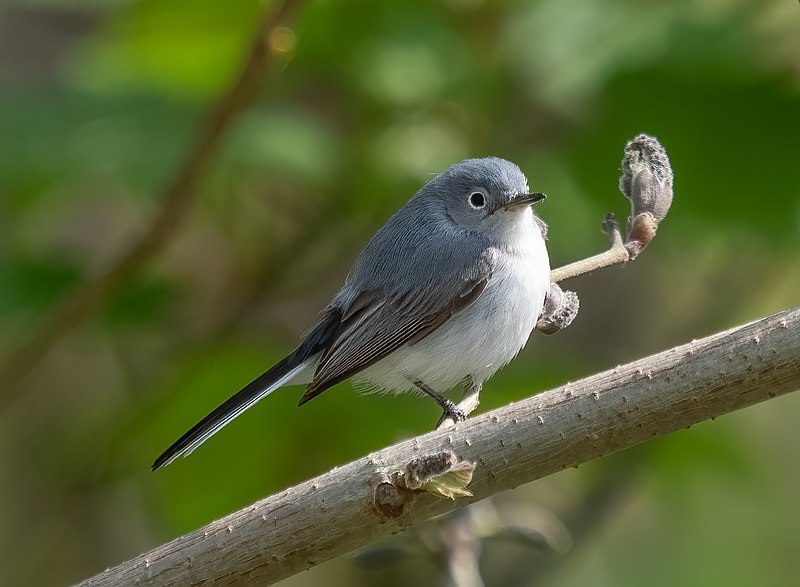
Using Bird Sound Apps
Technology has made bird identification easier than ever, especially through the use of bird sound apps. These apps often include extensive libraries of bird calls and songs, allowing you to compare the sounds you hear in the field with high-quality audio recordings. Some apps even offer sound recognition features, where you can record a bird’s call and get suggestions for possible matches.
When trying to identify a squeaky call, using these apps lets you filter by region and species, narrowing down the list to birds known for high-pitched, repetitive sounds. Listening to multiple examples within the app helps you notice subtle differences in pitch, rhythm, and tone that can distinguish one squeaky caller from another.
Observing Behavior and Habitat
Bird calls are closely tied to a bird’s behavior and habitat, so watching the bird’s actions and noting where you hear the call can provide crucial identification clues. For example, some birds that produce squeaky calls prefer wooded areas, while others might be common near water or in suburban gardens.
Pay attention to the bird’s size, shape, and movements. Is it hopping on branches, clinging to tree trunks, or flitting through dense shrubs? These behavioral traits combined with the type of squeaky call can help you narrow down the species. Observing the time of day and season can also be useful since some birds only vocalize during specific times, such as breeding season.
Comparing Calls with Audio Examples
Another reliable way to identify birds by their squeaky calls is by directly comparing what you hear with audio examples from trusted sources like birdwatching websites, nature documentaries, or online bird sound databases. These platforms often provide recordings from multiple individuals of the same species, showcasing the range of squeaky sounds they might produce.
By carefully listening and comparing details like the pitch, tempo, and repetition pattern of the squeaky calls, you can increase your accuracy in identification. It’s helpful to replay recordings multiple times and match them to what you hear in the wild. Over time, your ear becomes trained to recognize specific squeaky calls, making future identifications quicker and more intuitive.
Fun Facts About Birds with Squeaky Calls
Birds with squeaky calls might sound amusing or even toy-like, but these unique vocalizations serve important roles in their daily lives. Beyond just catching your attention, these sounds have fascinating purposes tied to communication, mating, and survival. Let’s explore some fun facts about why birds use squeaky calls and what they achieve through them.
Communication Purposes
Squeaky calls are a versatile communication tool for many bird species. These high-pitched, repetitive sounds can travel efficiently through thick foliage or noisy environments, making them excellent for sending quick messages. Birds often use squeaky calls to alert others of nearby dangers, such as predators or intruders. The sharpness and repetition of the squeak help ensure the warning is heard loud and clear.
Additionally, these calls help birds stay connected with their flock or family members. For instance, parent birds might use squeaky calls to locate their chicks or keep in touch with mates while foraging. The distinctiveness of squeaky calls means they stand out against background noises, reducing the chance of confusion.
Role in Mating and Territory Defense
Squeaky calls also play a vital role in the breeding season. Many male birds use these vocalizations to attract females by showcasing their presence and fitness. The repetitive and clear nature of squeaky calls can demonstrate a bird’s strength and stamina, important factors in mate selection. Some species even have unique squeaky patterns that help females recognize males of their own kind.
Besides attracting mates, squeaky calls are frequently used to defend territory. By broadcasting their presence with sharp, high-pitched sounds, birds warn rivals to stay away. This acoustic signaling reduces the need for physical confrontations, helping birds protect their nesting sites and resources more efficiently. In some cases, the intensity or frequency of the squeaky call increases if a rival encroaches too closely.
These vocal behaviors highlight how birds cleverly use squeaky sounds to survive and reproduce. What might initially sound like a simple toy noise is actually a sophisticated form of communication packed with meaning.
Frequently Asked Questions
Why Do Some Birds Sound Like A Squeaky Toy?
Birds produce squeaky toy-like sounds for several reasons related to communication. High-pitched squeaks are excellent for cutting through background noise and dense vegetation, making it easier to warn others or attract mates. These sounds can serve as alarms, contact calls, or territorial signals. The physical structure of their vocal organs also allows certain birds to produce these distinct squeaky notes. In essence, the squeaky call is an adaptive tool that helps them survive and thrive in their environment.
How Can I Identify A Bird By Its Squeaky Call?
Identifying a bird by its squeaky call involves paying attention to several clues. First, listen carefully to the pitch, rhythm, and repetition of the squeaky sounds. Next, observe the bird’s behavior and habitat—whether it’s in a forest, garden, or near water. Using bird sound apps or audio guides can also help by providing recordings to compare with what you hear. Over time, you’ll develop a better ear for distinguishing one squeaky bird from another.
Do All Birds With Squeaky Calls Use Them For The Same Purpose?
Not all birds use squeaky calls for the same reasons. While many use these sounds to communicate alarms or maintain contact, others rely on squeaky calls to attract mates or defend territories. The context and situation often determine the purpose of the call. For example, a bird may use a softer squeaky call to communicate with its mate but switch to a louder, more repetitive squeak when warning of predators.
Are Squeaky Bird Calls More Common In Certain Habitats?
Yes, squeaky bird calls tend to be more common in habitats like dense forests, thick shrubs, or areas with a lot of background noise. High-pitched squeaks can travel better in these environments, helping birds communicate despite visual obstructions or ambient sounds. Birds that live in open fields or quieter spaces might rely more on melodic songs or different types of calls instead.
Can Birds Mimic Squeaky Toy Sounds?
Some bird species are excellent mimics and can imitate a variety of sounds, including those that resemble squeaky toys. Birds like the Northern Mockingbird and certain parrots can incorporate mechanical or artificial noises into their repertoire. However, most squeaky toy-like calls you hear come from natural vocalizations unique to certain species rather than mimicry. This ability to mimic sounds adds another fascinating layer to bird communication.
Conclusion
Birds that sound like a squeaky toy offer a fascinating glimpse into the diversity of nature’s communication methods. Their high-pitched, repetitive calls are not just quirky noises but essential tools for attracting mates, defending territory, and staying connected with others. Species like the Eastern Phoebe, Black-capped Chickadee, and Carolina Wren stand out with their unique, toy-like sounds that capture attention and spark curiosity.
By learning to recognize these squeaky calls and understanding their purpose, you can deepen your connection to the natural world around you. The next time you hear a bird that sounds like a squeaky toy, you’ll know it’s part of an incredible communication strategy shaped by evolution and survival.