
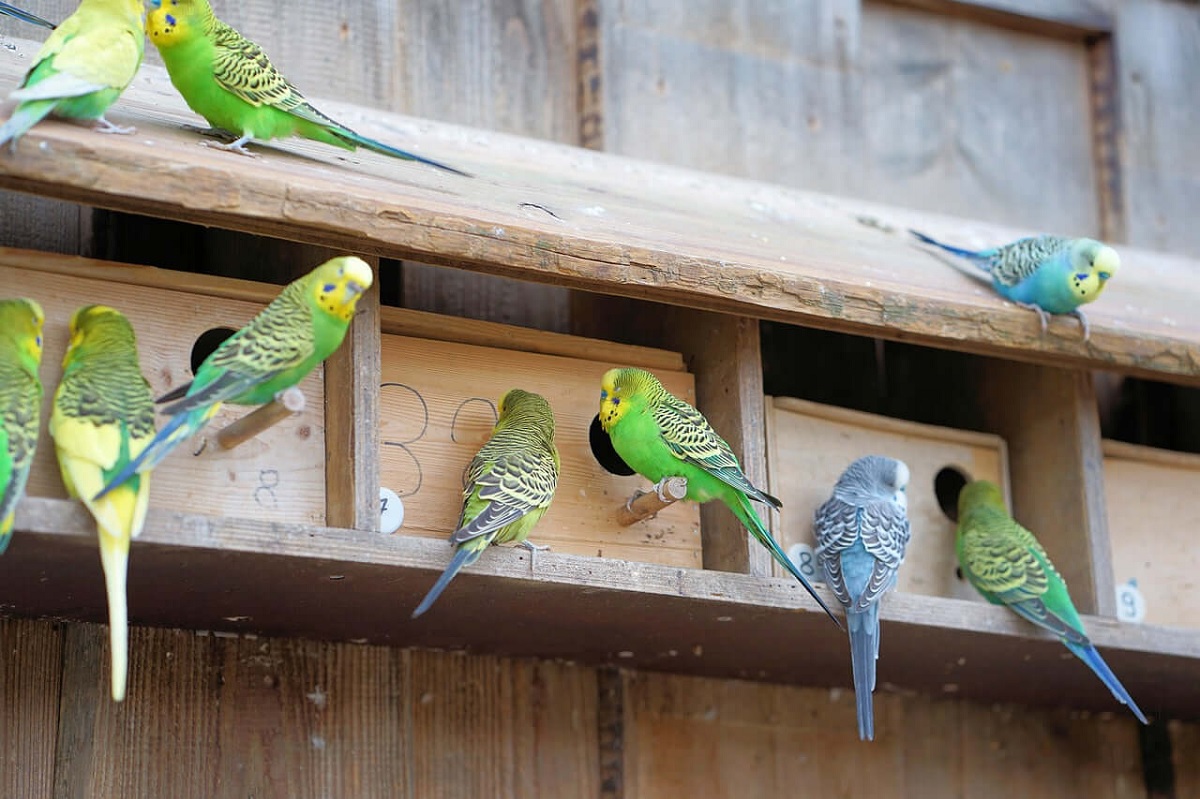
When setting up a shared aviary, one of the most common questions is: what birds can live together in an aviary? Choosing compatible bird species is crucial to ensure a peaceful and healthy environment for all the feathered residents. Different birds have unique temperaments, social needs, and space requirements, so understanding which species can coexist comfortably is essential. Some birds are naturally more territorial or aggressive, while others thrive in community settings.
By knowing what birds can live together in an aviary, you can create a balanced habitat where they can interact, exercise, and display natural behaviors without stress or conflict. This not only benefits the birds’ well-being but also makes the aviary a joy to observe and maintain. Whether you’re a beginner or an experienced bird keeper, getting this mix right is the foundation of a successful aviary experience.
Introduction
Creating a thriving aviary involves more than just putting birds together in one space. One key factor that often gets overlooked is the compatibility of different bird species. Understanding what birds can live together in an aviary is essential for building a peaceful, healthy environment where all the birds can flourish. This section will explore why choosing compatible birds matters and the benefits of maintaining a mixed aviary.
Importance of Choosing Compatible Birds
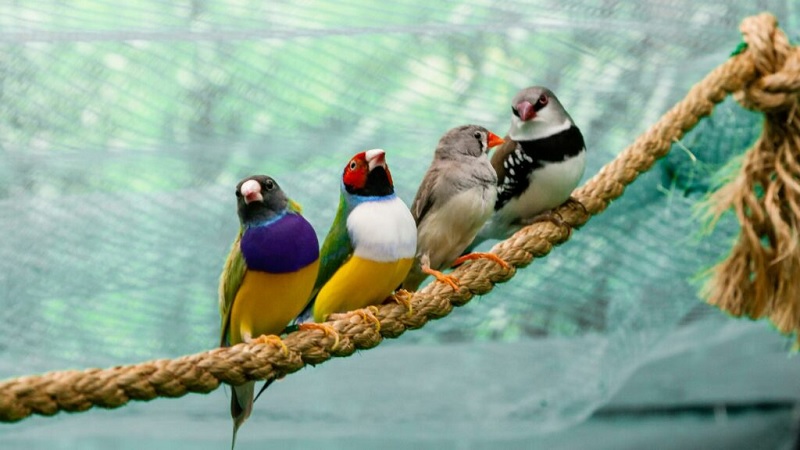
Choosing birds that get along is crucial for several reasons. Birds have unique personalities and natural behaviors, and not all species are suited to live alongside each other. Some birds can be territorial, aggressive, or stressed when placed near certain species, leading to fighting, injuries, or even long-term health problems.
When you select compatible birds, you reduce the chances of conflict and create an environment where the birds feel safe and secure. This harmony encourages natural social interactions and allows the birds to express their instincts freely, which is vital for their mental and physical well-being. For example, some finches and canaries are peaceful and thrive together, while mixing them with more aggressive species like certain parrots might lead to tension.
Furthermore, choosing the right birds helps prevent the spread of disease and stress-related behaviors. Stress in birds can weaken their immune systems, making them more susceptible to illness. Therefore, understanding what birds can live together in an aviary isn’t just about creating a calm atmosphere—it’s a matter of promoting their overall health.
Benefits of a Mixed Aviary
A mixed aviary—one housing different bird species—can be incredibly rewarding for both the birds and their keepers. When compatible species share space, they can enrich each other’s lives through social interaction and natural behaviors. For instance, some birds enjoy communal bathing or foraging, which can be stimulating and fun to watch.
From a caretaker’s perspective, a mixed aviary offers variety and interest. Watching different species interact creates a dynamic environment full of color, sound, and movement. This diversity not only makes the aviary more engaging but also provides educational opportunities to learn about different bird habits and needs.
Additionally, a well-planned mixed aviary can encourage natural behaviors that might not occur if birds are kept in isolation or with only one species. Birds can develop stronger social bonds, engage in cooperative activities, and have a richer daily experience.
Factors to Consider When Housing Birds Together
Housing different bird species together in an aviary can be a rewarding experience, but it requires careful planning. To ensure a harmonious environment, several key factors must be taken into account. These elements will help you understand what birds can live together in an aviary safely and comfortably.
Species Compatibility
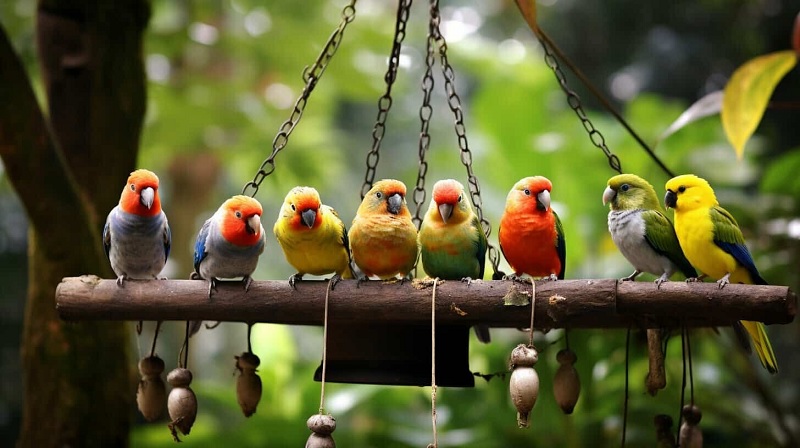
One of the most important factors is species compatibility. Not all birds get along, so it’s crucial to research which species naturally coexist well. Some birds are territorial or aggressive and may not tolerate the presence of others, while some thrive in mixed groups. For example, small finches and canaries often live peacefully together, but larger, more dominant birds like cockatoos might intimidate or harm smaller species. Observing birds’ natural behaviors and social structures in the wild can provide insight into which species might be compatible in captivity.
Size and Space Requirements
Space is another critical consideration. Birds of different sizes have different space needs, and overcrowding can lead to stress and aggression. Larger birds require more room to move, stretch their wings, and fly, while smaller birds need areas to hide and feel secure. The aviary should be spacious enough to accommodate all species comfortably, with plenty of perches and feeding stations to reduce competition. Providing enough vertical and horizontal space helps maintain peace and promotes healthy exercise.
Dietary Needs
Different species often have varying dietary requirements. Some birds are primarily seed eaters, while others need fruits, nectar, or insects. When housing multiple species together, it’s important to provide a diverse diet that meets the nutritional needs of all the birds. You should also consider feeding methods—some birds are dominant eaters and may monopolize food sources, so offering multiple feeding areas can prevent conflicts and ensure everyone gets their share.
Temperament and Behavior
Temperament plays a huge role in how well birds coexist. Some species are naturally calm and social, while others are more aggressive or territorial. For example, budgerigars tend to be social and get along well with other small birds, but certain parrots can be aggressive and territorial. Knowing each species’ behavior will help you anticipate potential conflicts and arrange the aviary accordingly. Introducing birds slowly and monitoring their interactions can also prevent problems.
Environmental Conditions
Finally, environmental factors like temperature, humidity, and lighting must suit all the species housed together. Birds from tropical regions may struggle in cooler climates, while those used to dry conditions might suffer in high humidity. Maintaining a stable environment that meets the needs of all inhabitants is essential for their health and well-being. Proper ventilation, natural light cycles, and appropriate shelter areas contribute to a balanced aviary ecosystem.
Common Bird Species Suitable for Aviaries
Choosing the right birds for an aviary is an exciting part of creating a vibrant and harmonious bird community. Many species are well-suited for aviary life because of their social nature, manageable size, and compatibility with other birds. Here’s a closer look at some of the most popular and common bird species that thrive in aviaries, including finches, budgerigars, canaries, lovebirds, cockatiels, and parrotlets.
Finches
Finches are among the most popular birds for aviaries due to their small size, social behavior, and beautiful colors. They are generally peaceful, making them ideal for mixed-species aviaries.
Zebra Finch
Zebra finches are hardy, active, and easy to care for, making them perfect for beginners. Their distinctive black-and-white barred tail feathers and cheerful chirping bring life to any aviary. Zebra finches do well in groups and can cohabit peacefully with other finch species and small birds.
Society Finch
Also known as the Bengalese finch, society finches are gentle and social birds. Unlike some finches, they are not wild birds but have been bred in captivity for many generations, which makes them particularly adaptable to aviary life. Society finches are excellent foster parents and often help raise the young of other finches, adding a nurturing dimension to the aviary environment.
Budgerigars
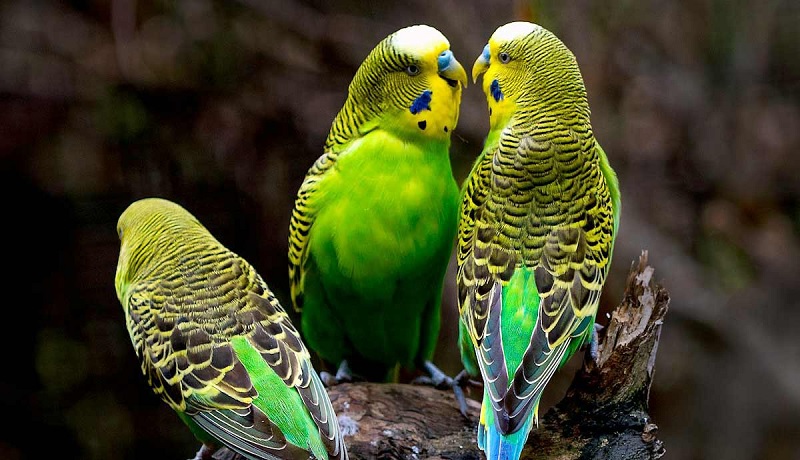
Budgerigars, commonly called budgies or parakeets, are one of the most beloved aviary birds. Their playful personalities, vibrant colors, and relatively small size make them popular among bird keepers. Budgies are highly social and thrive in groups, often engaging in lively chatter and social grooming. They can live peacefully with other small parrots and finches, provided the aviary has enough space to reduce competition.
Canaries
Canaries are famous for their beautiful songs and bright yellow plumage, although they come in many color variations. They are typically kept for their singing abilities rather than their social nature, as canaries can be somewhat territorial. However, they can share an aviary with peaceful finches and other non-aggressive species if enough space and separate feeding stations are provided. Canaries add a lovely auditory element to an aviary, making the space feel vibrant and alive.
Lovebirds
Lovebirds are small parrots known for their strong pair bonds and colorful feathers. They are lively and curious, making them entertaining aviary residents. While lovebirds are social within their own species, they can sometimes be territorial or aggressive toward other birds. For this reason, they should be housed with careful consideration and monitoring. When kept in mixed aviaries, lovebirds do best with birds of similar size and temperament.
Cockatiels
Cockatiels are popular aviary birds because of their friendly personalities and distinctive crests. They are relatively easy to tame and enjoy interacting with humans as well as other birds. Cockatiels do well in aviaries with other gentle species, such as budgerigars and finches. Their moderate size and calm temperament make them suitable companions for a mixed-species setup. Cockatiels also have a charming whistle that adds to the aviary’s ambiance.
Parrotlets
Parrotlets are among the smallest parrots but pack plenty of personality into their tiny frames. Known for being feisty and intelligent, they require careful social management in a mixed aviary. Parrotlets often do best when housed with species that match their energy level and temperament. Despite their small size, they are territorial and may challenge other birds if space is limited. When properly introduced and provided with enough room, parrotlets can be delightful aviary residents.
Best Bird Combinations for Aviaries
Creating a harmonious aviary depends largely on choosing bird species that can coexist peacefully. Knowing the best bird combinations helps prevent stress, aggression, and health issues, ensuring your aviary remains a safe and joyful space for all its feathered residents.
Small Birds That Can Coexist
Small birds often make the easiest combinations because their size and temperament tend to be more compatible.
Finches and Canaries
Finches and canaries are classic aviary companions. Both species are generally peaceful and can share space without much conflict. Finches are active and social, while canaries add beautiful song to the environment. Providing plenty of space and multiple feeding areas helps keep competition low, making this combination an excellent choice for beginners.
Budgerigars and Parrotlets
Budgerigars (budgies) and parrotlets can coexist well when introduced carefully. Both are small parrots with similar activity levels, though parrotlets can be a bit territorial. Offering ample space and hiding spots allows them to establish their own territories within the aviary. With proper management, this pair can thrive together, creating a lively and colorful aviary environment.
Medium-Sized Birds Together
Some medium-sized birds also form good aviary companions when their temperaments align.
Cockatiels and Lovebirds
Cockatiels and lovebirds can live together successfully in a spacious aviary. Cockatiels are generally calm and social, while lovebirds are energetic and occasionally territorial. Providing enough room, separate feeding stations, and multiple perches reduces tension between these two. Their combined personalities bring a wonderful balance of calm and playfulness to the aviary.
Avoiding Aggressive Mixes
Knowing which birds should not be housed together is just as important as knowing good combinations.
Birds That Should Not Be Housed Together
Aggressive or highly territorial birds should be housed separately to avoid conflict. For example, larger parrots or cockatoos often bully smaller birds and can cause injury. Similarly, lovebirds may become aggressive toward finches or canaries, especially in cramped spaces. Avoid mixing birds with vastly different sizes or temperaments, such as pairing small finches with larger, more dominant species.
Setting Up an Aviary for Multiple Bird Species
Creating an aviary that comfortably houses multiple bird species is a rewarding but challenging task. Each species has unique needs, and providing the right environment helps ensure they thrive together peacefully. Proper planning, design, and care are essential for success. This section breaks down the key aspects of setting up an aviary tailored to multiple bird species, covering space planning, creating zones, feeding arrangements, and enrichment.
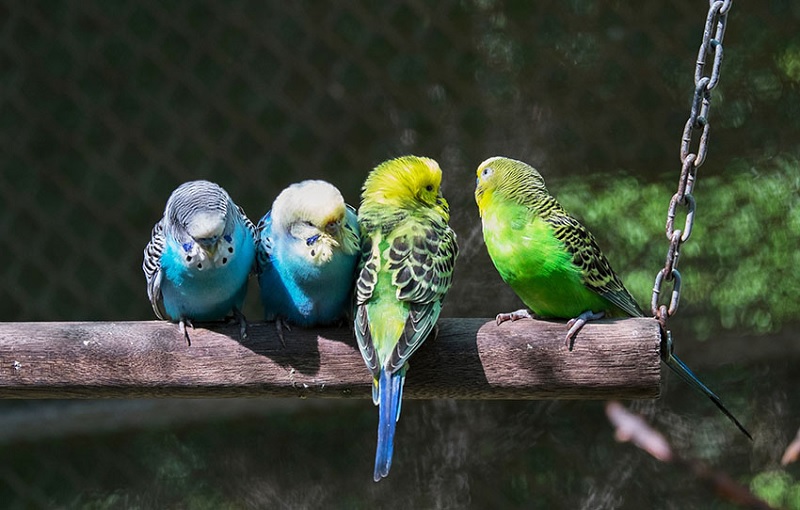
Space Planning and Aviary Size
One of the most important factors in housing multiple bird species is ensuring the aviary is large enough to accommodate everyone comfortably. Space isn’t just about physical room—it’s also about giving birds enough territory to reduce stress and territorial behavior.
Aviary size depends on the number of birds, their size, and their activity levels. Smaller birds like finches and budgerigars need less space individually but still require room to fly and explore. Medium-sized birds such as cockatiels and lovebirds need more room to move around freely without feeling crowded.
Plan for vertical as well as horizontal space since many bird species use different levels within the aviary. Tall aviaries allow birds to fly and perch at various heights, creating a more natural and stimulating environment. Also, include sheltered areas to protect birds from harsh weather and provide quiet spaces for rest.
Creating Separate Zones or Perches
When multiple species live together, it’s helpful to design the aviary with separate zones or perches that cater to different social and behavioral needs. Birds often have preferences for where they like to perch or socialize, and these zones reduce friction and conflicts.
Divide the aviary into sections with varied types of perches, nesting boxes, and hiding spots. For example, finches prefer dense shrubbery or fine twig perches, while larger parrots like cockatiels need sturdy, thicker perches. Providing multiple perches at different heights gives birds options to claim their own space.
Separate zones also make it easier to monitor bird interactions and step in if tensions arise. Installing barriers or plants between zones can help birds feel secure without completely isolating them.
Feeding Stations and Water Sources
Proper feeding arrangements are essential in a mixed-species aviary to avoid competition and aggression around food and water. Different species have unique dietary needs, so offering a variety of foods is necessary.
Set up multiple feeding stations throughout the aviary to reduce crowding and allow subordinate or shy birds access to food. For example, seed mixes for finches, pellets or vegetables for parrots, and specialized treats for nectar feeders can all be provided in separate dishes.
Water sources should be plentiful and easily accessible. Consider adding shallow birdbaths or small water features that encourage natural drinking and bathing behaviors. Regular cleaning of food and water dishes is vital to prevent disease and keep the aviary hygienic.
Enrichment and Toys for Diverse Birds
Enrichment is crucial in a multi-species aviary to keep birds mentally and physically stimulated. Different species have different ways of interacting with their environment, so variety in toys and enrichment items is important.
Provide natural branches, swings, ladders, and ropes that encourage climbing, chewing, and playing. Foraging toys or puzzle feeders stimulate birds’ minds and mimic natural food searching. Mirrors and bells can entertain some parrots but may cause stress for more shy species, so observe your birds’ reactions.
Rotating toys regularly helps maintain interest and prevents boredom. Adding live plants suitable for birds can also enrich the environment by offering shelter and a touch of nature.
Monitoring and Managing Mixed Bird Aviaries
Successfully maintaining a mixed bird aviary takes ongoing care and attention. Birds have individual personalities, and their social dynamics can change over time. Monitoring their behavior and health closely helps prevent problems and ensures a peaceful environment. This section covers key aspects of managing a mixed aviary, including spotting signs of stress or aggression, performing health checks, and making adjustments as needed.
Signs of Stress or Aggression
Birds can’t tell us when something’s wrong, but their behavior often gives clear clues. Watch for signs of stress such as feather plucking, constant squawking, loss of appetite, or withdrawal from other birds. These behaviors indicate that a bird may be unhappy, scared, or unwell.
Aggression is another important warning sign. This can include chasing, biting, raised feathers, or loud screeching. Aggressive behavior often arises from territorial disputes or overcrowding. Early detection of aggression allows you to intervene before injuries occur.
Regularly observing your aviary’s social interactions helps you catch problems early. If you notice repeated bullying or stressed birds, consider separating individuals temporarily or providing additional hiding spots to reduce tension.
Health Checks and Quarantine Procedures
Routine health checks are essential in a mixed-species aviary. Birds can transmit illnesses quickly, so early detection is crucial. Check for signs like changes in droppings, sneezing, swollen eyes, or lethargy.
When introducing new birds, always quarantine them for at least 30 days in a separate enclosure. This helps prevent the spread of diseases to your existing flock. During quarantine, monitor the newcomer for signs of illness and consult a vet if needed.
Regular vet check-ups for all birds in the aviary promote long-term health and help catch problems before they escalate. Cleanliness is also key—maintain fresh food and water, and clean perches and cages frequently.
Adjusting Groups Over Time
Birds’ relationships can change, so it’s important to remain flexible with groupings. Sometimes, a species that once coexisted peacefully may develop conflicts as the birds mature or the group grows.
Be prepared to adjust the aviary setup by moving birds to different sections, increasing space, or temporarily separating aggressive individuals. Introducing new birds slowly and carefully helps minimize stress and disruptions.
Keeping detailed records of behavior, feeding habits, and health can guide you in making informed decisions about the group’s composition. Patience and observation are key to managing a thriving mixed-species aviary over time.
Frequently Asked Questions
What Birds Can Live Together In An Aviary Without Conflict?
You want to create a peaceful environment where birds coexist harmoniously. Generally, smaller, social species like finches, canaries, and budgerigars tend to live well together because they share similar temperaments and space needs. For example, zebra finches and society finches often thrive alongside canaries. Budgerigars can also be mixed with parrotlets or cockatiels if the aviary is spacious enough. Avoid mixing aggressive or territorial species with timid birds, as this often leads to conflict. Always observe how birds interact when introducing new species to ensure they are compatible.
How Do Size And Temperament Affect Which Birds Can Live Together?
Size and temperament are key factors in determining compatibility. Larger birds like cockatoos or macaws can unintentionally intimidate or harm smaller birds such as finches or canaries. Similarly, some species have naturally aggressive behaviors or strong territorial instincts that make peaceful cohabitation difficult. Birds with calm, social temperaments are generally better suited for mixed aviaries. When setting up your aviary, consider not just the size but also the behavior patterns of each species to avoid stress and aggression.
Can Different Species Have Different Dietary Needs In The Same Aviary?
Yes, different bird species often require varied diets, which means you’ll need to provide multiple food sources to meet their nutritional needs. For example, finches mostly eat seeds, while cockatiels and budgerigars require pellets and fresh vegetables. Nectar feeders like some species of honey-eaters need specialized diets. It’s important to offer separate feeding stations throughout the aviary to prevent dominant birds from monopolizing food and ensure each species gets what it needs.
What Environmental Conditions Are Important For Mixed Bird Aviaries?
Environmental conditions like temperature, humidity, lighting, and ventilation must suit all species housed together. Birds native to tropical climates require warmer temperatures and higher humidity, while others prefer drier or cooler conditions. Proper ventilation prevents respiratory problems, and natural light cycles support healthy behavior and breeding patterns. You’ll want to create an environment that balances these needs, providing shaded areas, shelter from wind or rain, and consistent temperature control to keep all birds comfortable.
How Should I Introduce New Birds To An Established Aviary?
Introducing new birds carefully is crucial to maintaining harmony. Begin with a quarantine period of at least 30 days to ensure the new bird is healthy and disease-free. After quarantine, introduce the bird gradually by placing its cage near the aviary to allow visual and auditory contact without direct interaction. Monitor behavior closely during initial introductions, looking for signs of aggression or stress. Providing plenty of space, separate feeding stations, and hiding spots can help ease the transition and prevent conflicts as the new bird integrates into the group.
Conclusion
Creating a harmonious aviary with multiple bird species requires thoughtful planning and understanding of each bird’s needs. Knowing what birds can live together in an aviary helps you build a peaceful environment where birds coexist happily. By considering species compatibility, size, temperament, diet, and environmental needs, you can select birds that complement each other and reduce stress or aggression.
Providing ample space, separate feeding areas, and enrichment ensures all birds thrive together. With patience and careful observation, your aviary can become a vibrant sanctuary filled with the lively sounds and colors of diverse bird species living in balance. This thoughtful approach not only benefits the birds but also creates a rewarding and beautiful experience for you as an aviary keeper.