
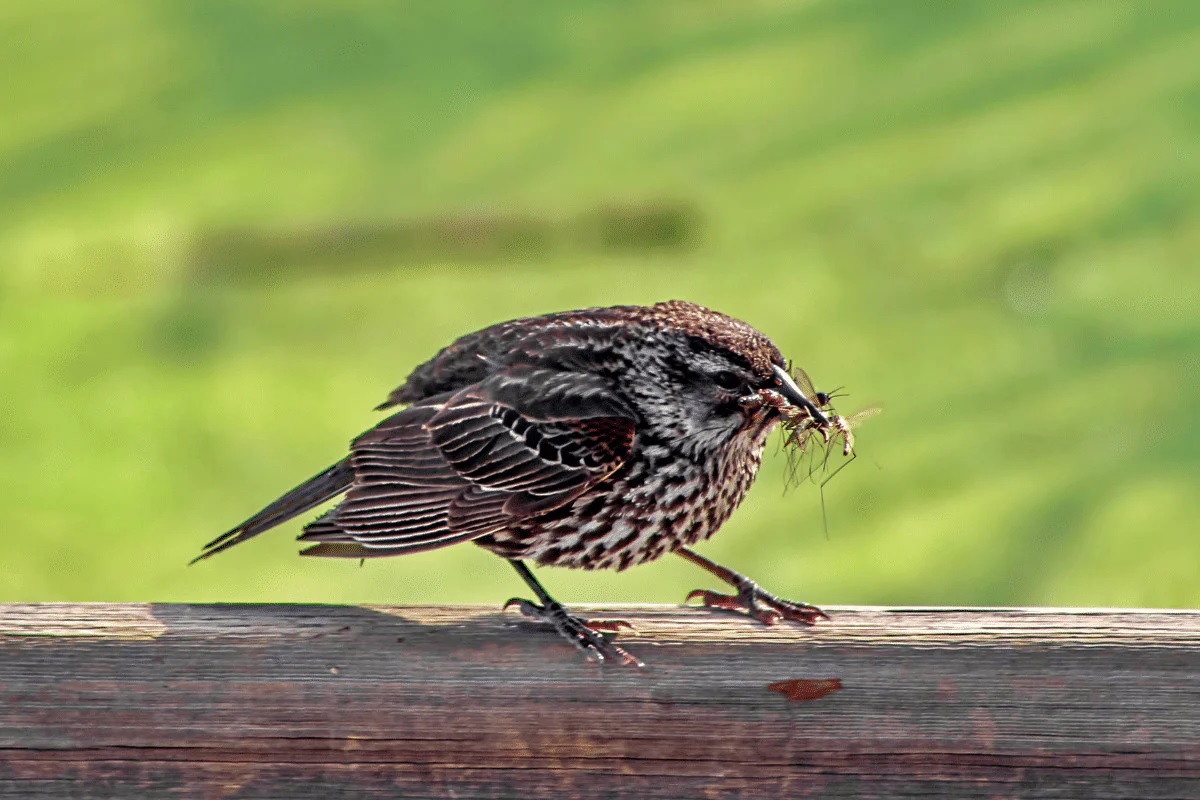
Birds and butterflies are both fascinating creatures that play important roles in nature, but have you ever wondered what birds eat butterflies? This question highlights an interesting part of the food chain, where birds, as predators, sometimes feed on butterflies. Butterflies, with their vibrant wings and delicate flight, might seem like unlikely prey, yet many bird species include them in their diet. Understanding what birds eat butterflies helps us appreciate the balance in ecosystems and the interactions between different species.
While butterflies are primarily nectar feeders and pollinators, birds rely on them as a source of protein and energy, especially during breeding seasons or when other food is scarce. This natural relationship reminds us of the complexity and beauty of wildlife, showing how every creature has its role, whether as hunter or hunted. In this article, we’ll explore which birds eat butterflies, why they do so, and how this impacts both species in the wild.
Which Birds Eat Butterflies?
Birds are diverse hunters with a wide range of diets, and some species are known to include butterflies as part of their meals. Butterflies, despite their fragile appearance, provide a good source of nutrition for certain birds, especially when insects are abundant. But which birds eat butterflies regularly, and which only do so occasionally? Let’s take a closer look at the common butterfly-eating bird species and those that rarely include butterflies in their diet.
Common Butterfly-Eating Bird Species
Flycatchers
Flycatchers are among the most skilled aerial insect hunters. These birds are quick and agile, swooping through the air to catch flying insects, including butterflies. Their sharp eyesight and fast reflexes make them well-suited for this task. Flycatchers often patrol open areas or forest edges, where butterflies are commonly found, making these colorful insects a convenient snack.
Warblers
Warblers are small, energetic birds that primarily feed on insects. Although their diet mainly consists of caterpillars, aphids, and other small bugs, some warbler species also catch butterflies in flight. Their quick movements and keen vision help them snatch butterflies off flowers or mid-air. Warblers’ varied diet makes them important controllers of insect populations, butterflies included.
Swallows
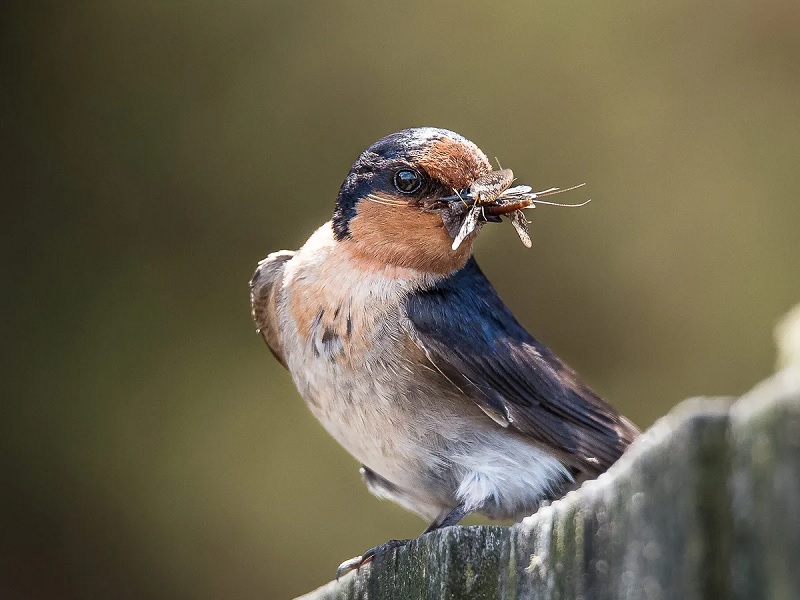
Swallows are expert fliers known for their graceful flight patterns and insectivorous habits. Butterflies, being lightweight and flying during the day, often fall prey to swallows. These birds typically hunt on the wing, catching butterflies and other flying insects in mid-air. Their streamlined bodies and long wings make them incredibly efficient hunters of airborne prey.
Sparrows
While sparrows are more commonly associated with seeds and grains, some species do occasionally eat insects, including butterflies. Sparrows are more ground feeders but will opportunistically catch slow or resting butterflies, especially during breeding seasons when protein demand is higher. Though not a primary food source, butterflies do sometimes supplement their diet.
Birds That Rarely Eat Butterflies
Not all birds eat butterflies. Some species, such as woodpeckers and pigeons, have diets that focus on seeds, fruits, or other insects, and butterflies are not a significant part of their food intake. Birds that feed on the ground or specialize in other prey usually avoid chasing butterflies, which can easily evade slower hunters.
How Birds Catch Butterflies
Birds that feed on butterflies have developed fascinating hunting techniques tailored to catching these quick and delicate insects. Butterflies are not easy prey—they are agile, can fly unpredictably, and often stay high among flowers and foliage. To succeed, birds rely on a mix of strategies shaped by their physical abilities, environment, and seasonal behaviors. Let’s explore the common methods birds use to catch butterflies and how certain factors influence their hunting success.
Hunting Techniques
Aerial Pursuit
One of the most dramatic ways birds catch butterflies is through aerial pursuit. Birds like flycatchers and swallows take to the air, chasing butterflies mid-flight with impressive speed and agility. These birds have sharp eyesight that helps them spot fluttering butterflies from a distance. Once a target is identified, they maneuver through the air, often performing quick turns and dives to close in on the butterfly before it can escape. This chase requires incredible precision and timing, showcasing the bird’s aerial mastery.
Perch and Sally
Another common hunting strategy is called “perch and sally.” Birds using this method, such as warblers and some flycatchers, watch for prey from a stationary perch—like a branch or a fence post. When a butterfly flies nearby, the bird quickly darts out to catch it, then returns to its perch. This technique conserves energy because the bird only expends effort during short bursts of flight rather than chasing prey continuously. It’s an effective way to catch butterflies that land on flowers or leaves nearby.
Seasonal and Behavioral Factors
The success and frequency of birds catching butterflies are influenced by seasonal changes and butterfly behavior. During spring and summer, butterflies are more abundant and active, making them easier prey for insectivorous birds. Birds also tend to increase their insect intake during breeding seasons when they need extra protein for raising chicks. Additionally, butterflies often bask in sunlight or feed on nectar during the warmer parts of the day, which provides ideal hunting opportunities for birds.
Butterfly behavior also plays a role. Some species rest with wings closed, blending into the environment, while others perch openly, making them more visible to birds. Birds have adapted to recognize these patterns, targeting resting butterflies that are less likely to escape.
Nutritional Value of Butterflies for Birds
Butterflies are more than just beautiful creatures flitting among flowers; for many birds, they are a valuable source of nutrition. Although butterflies might seem delicate and fragile, they offer important dietary benefits that support a bird’s energy needs and overall health. Understanding the nutritional value of butterflies helps explain why some birds actively hunt them and how these insects fit into the broader food web.

Protein and Energy Content
Butterflies are rich in protein, which is essential for birds, especially during periods of growth, breeding, and molting. Protein helps birds build and repair tissues, produce feathers, and maintain strong muscles necessary for flight. The soft bodies of butterflies provide a concentrated source of amino acids, the building blocks of protein, making them an efficient snack.
In addition to protein, butterflies offer a good amount of energy through fats and carbohydrates stored in their bodies. This energy is crucial for birds with high metabolic rates that require constant fuel to stay active. For example, insectivorous birds that chase prey mid-air expend a lot of energy and need quick, nutritious meals to replenish their reserves. Butterflies, with their combination of protein and energy content, are a suitable choice.
Comparison with Other Insects
When comparing butterflies to other insects commonly eaten by birds, such as beetles, moths, and caterpillars, butterflies hold their own as a nutritious option. While caterpillars are often packed with protein and fat due to their feeding habits, butterflies provide similar benefits but with the added advantage of being easier to catch during flight or while resting.
Beetles, on the other hand, tend to have harder exoskeletons, which means birds expend more effort to crack them open. Butterflies’ softer bodies make them easier to consume and digest. Moths, which are closely related to butterflies, share similar nutritional profiles, but butterflies’ daytime activity often makes them more accessible to birds hunting during daylight hours.
It’s important to note that the nutritional value of butterflies can vary based on their species, diet, and life stage. Some butterflies that feed on nutrient-rich plants may be more nutritious than others. Overall, though, they serve as a valuable dietary supplement for many insect-eating birds.
Impact on Butterfly Populations
Birds eating butterflies is a natural part of the ecosystem, but it also creates predation pressure that can influence butterfly populations. Understanding how this predation affects butterflies and how they have evolved to defend themselves against birds sheds light on the delicate balance between predator and prey. These interactions help maintain biodiversity but can also challenge butterfly survival in some habitats.
Predation Pressure
Predation by birds can have a significant impact on butterfly populations, especially in areas where bird numbers are high or butterfly habitats are limited. Birds tend to target butterflies during vulnerable moments, such as when they are resting, feeding, or during mating displays. While predation is a natural population control mechanism, excessive pressure can reduce butterfly numbers locally, affecting reproduction and genetic diversity.
Butterflies reproduce quickly and in large numbers, which helps offset losses from predation. However, when combined with habitat loss, pollution, or climate changes, bird predation can contribute to declines in some butterfly species. This dynamic makes it essential to consider both natural and human-driven factors when assessing butterfly population health.
Butterfly Defense Mechanisms Against Birds
To survive, butterflies have evolved several clever defense strategies that reduce their chances of falling prey to birds.
Camouflage
One of the most effective ways butterflies avoid predation is through camouflage. Many species have wing patterns and colors that blend seamlessly into their surroundings, such as leaves, tree bark, or flowers. When resting with wings closed or folded, these butterflies become nearly invisible to predators. This natural disguise helps them evade birds that rely heavily on sight to hunt.
Toxicity and Warning Colors
Some butterflies have taken a different approach by developing toxicity. These butterflies, like the monarch, accumulate toxic chemicals from the plants they feed on as caterpillars. Their bright, warning colors signal to birds that they taste bad or are poisonous, discouraging attacks. Birds often learn to avoid these butterflies after a bad experience, providing a survival advantage to toxic species.
Erratic Flight Patterns
Butterflies also use unpredictable, erratic flight to make capture difficult. Rapid, twisting movements and sudden changes in direction confuse chasing birds, reducing the chances of being caught. This flight behavior is especially important during escape attempts when the butterfly is aware of a predator’s presence.
Frequently Asked Questions
How Do Birds Catch Butterflies?
Birds use a variety of hunting techniques to catch butterflies. Some engage in aerial pursuit, chasing butterflies in flight with impressive speed and maneuverability. Others use the “perch and sally” method, where they watch for butterflies from a stationary spot and quickly dart out to snatch them. Seasonal factors also affect hunting; during spring and summer when butterflies are more active and abundant, birds increase their hunting activity. The butterfly’s behavior—such as resting or feeding—also influences how easily a bird can catch it.
Why Do Birds Eat Butterflies?
Birds eat butterflies primarily for nutrition. Butterflies provide a good source of protein and energy, which are essential for birds’ survival, especially during breeding season or when raising chicks. Protein supports muscle development and feather growth, while the fats and carbohydrates in butterflies give birds the energy they need for daily activities and flight. For many insect-eating birds, butterflies are a readily available and nutritious food option.
Do All Birds Eat Butterflies?
Not all birds eat butterflies. Birds that mainly feed on seeds, fruits, or other food sources, like pigeons or woodpeckers, rarely include butterflies in their diet. Butterfly predation is mostly seen in insectivorous birds that hunt flying insects. So, if you’re wondering whether a certain bird eats butterflies, consider its diet and hunting behavior—only those adapted to catching insects are likely to prey on butterflies.
How Does Bird Predation Affect Butterfly Populations?
Bird predation plays a natural role in controlling butterfly populations. While it helps keep butterfly numbers in balance, excessive predation combined with habitat loss or environmental changes can cause local declines. Butterflies reproduce quickly, which helps offset predation losses, but in fragile ecosystems, bird hunting can become a significant factor. Understanding this relationship is important for conservation efforts to protect vulnerable butterfly species.
What Defense Mechanisms Do Butterflies Use Against Birds?
Butterflies have evolved several defense strategies to avoid being eaten by birds. Camouflage allows them to blend into their surroundings and avoid detection. Some butterflies are toxic or taste bad due to chemicals they accumulate from their host plants, and they advertise this with bright warning colors, deterring birds from eating them. Others rely on erratic, unpredictable flight patterns to make it difficult for birds to catch them. These defenses help butterflies survive despite being a common target for many birds.
Conclusion
Understanding what birds eat butterflies reveals an intriguing aspect of nature’s food chain. Birds like flycatchers, warblers, swallows, and sparrows rely on butterflies as a valuable source of protein and energy, especially during breeding seasons. These birds use specialized hunting techniques such as aerial pursuit and perch-and-sally to catch these agile insects.
Meanwhile, butterflies have developed impressive defenses like camouflage, toxicity, and erratic flight to avoid becoming prey. This dynamic interaction highlights the delicate balance between predator and prey in ecosystems. Recognizing these relationships helps us appreciate the complexity of wildlife and the vital roles both birds and butterflies play in maintaining biodiversity. In essence, the story of birds eating butterflies is a fascinating glimpse into nature’s ongoing dance of survival.