
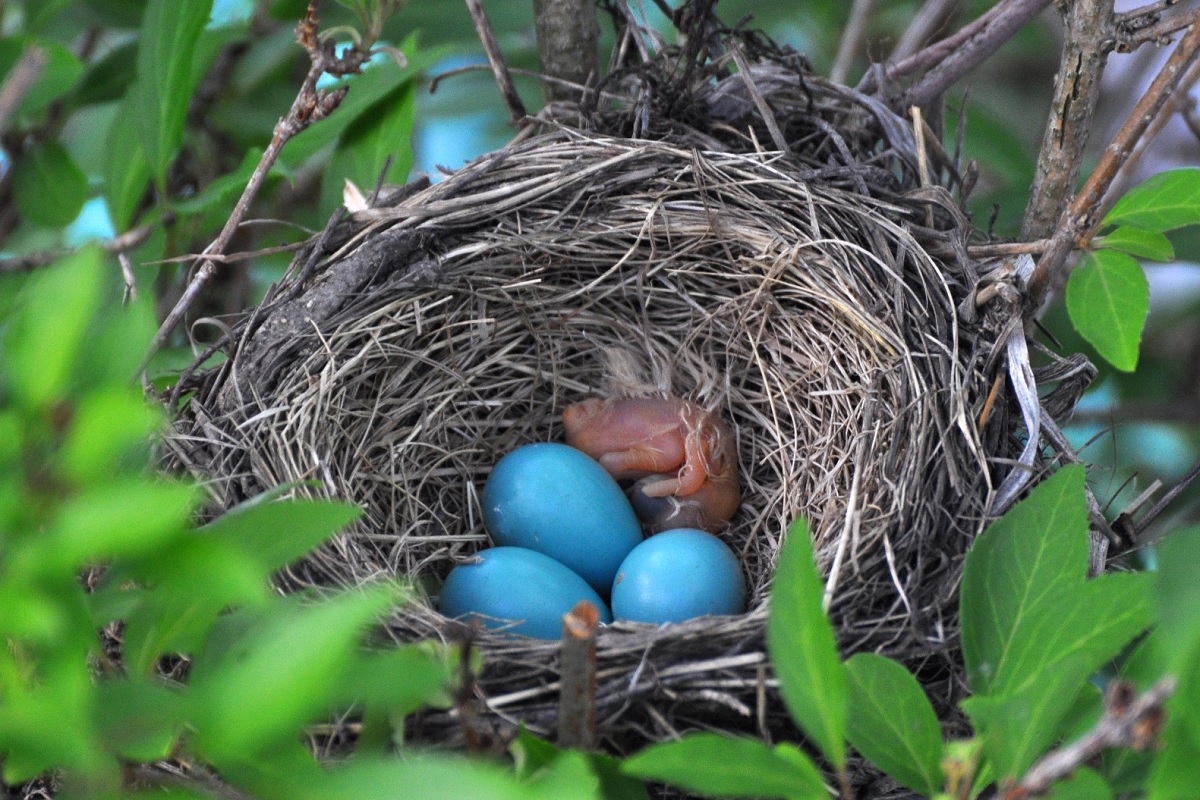
When exploring the fascinating world of birds, one intriguing question often arises: what birds lay eggs in other birds nests? This behavior, known as brood parasitism, is a unique survival strategy used by certain bird species to increase the chances of their offspring’s survival. Instead of building their own nests and caring for their young, these birds lay their eggs in the nests of other bird species, leaving the unsuspecting host birds to incubate and raise the chicks.
This natural trick allows parasitic birds to save energy and resources while ensuring their young receive the care they need. Understanding what birds lay eggs in other birds nests sheds light on the complex relationships and survival tactics within the bird world. It also reveals how some species have evolved fascinating ways to adapt and thrive in their environments. This behavior, while surprising, plays a significant role in the dynamics of many ecosystems.
Introduction to Brood Parasitism
Brood parasitism is a remarkable and unusual reproductive strategy found in some bird species. Instead of raising their own young, brood parasites lay their eggs in the nests of other birds, relying on the host species to incubate the eggs and care for the chicks. This approach allows parasitic birds to save time and energy that would otherwise be spent on parenting. The host birds, often unaware of the deception, provide food and protection to the parasitic chicks, sometimes at the expense of their own offspring.
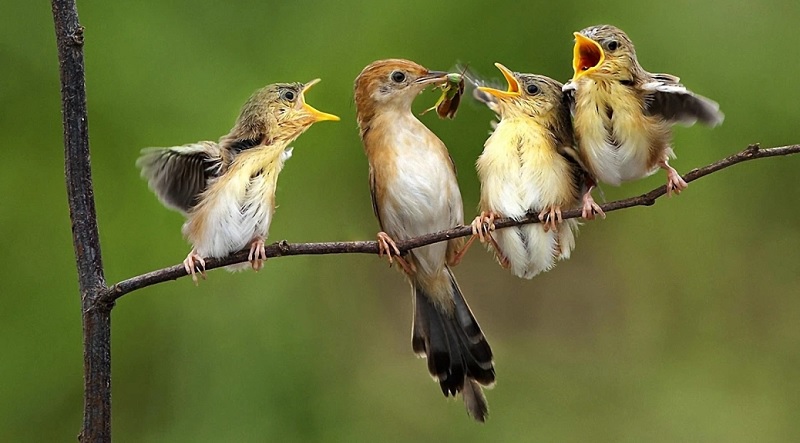
Brood parasitism highlights the complex interactions and evolutionary arms race between parasite and host, with hosts developing ways to recognize and reject foreign eggs, while parasites evolve to mimic them closely. This fascinating behavior offers insight into survival strategies and adaptation in the natural world, showcasing the diverse tactics birds use to ensure their genes are passed on.
Common Brood Parasitic Bird Species
Brood parasitism is found in several bird species worldwide, but a few groups stand out for their well-known parasitic behaviors. These birds have evolved unique ways to exploit other species by laying their eggs in foreign nests. Let’s explore some of the most common brood parasitic birds and their fascinating strategies.

Cuckoos
Cuckoos are perhaps the most famous brood parasites. Many species within the cuckoo family lay their eggs in the nests of smaller songbirds. Female cuckoos carefully select host nests and often remove one or more host eggs to replace them with their own.
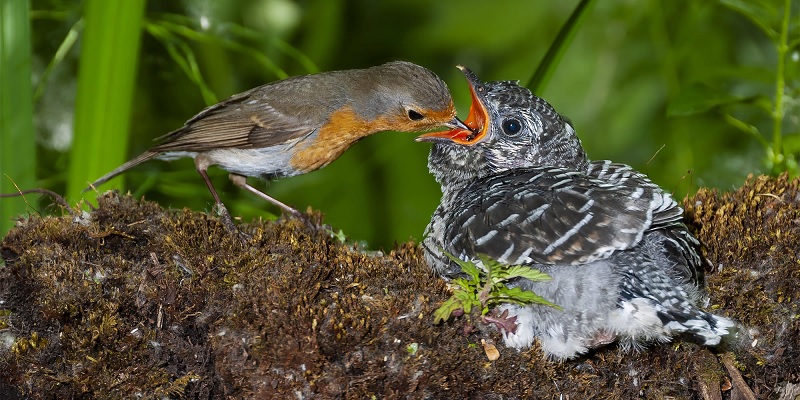
The cuckoo chick hatches earlier and grows faster, sometimes pushing the host’s eggs or chicks out of the nest to monopolize parental care. Interestingly, cuckoo eggs often mimic the color and pattern of their chosen host’s eggs, reducing the chances of detection. This clever adaptation helps the cuckoo’s offspring survive and thrive at the expense of the host species.
Cowbirds
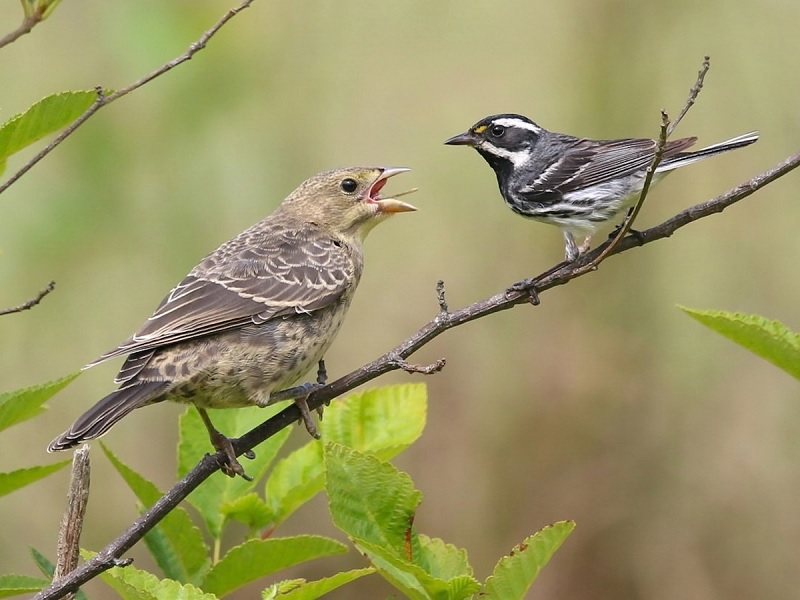
Native mainly to the Americas, cowbirds are another well-known group of brood parasites. Unlike cuckoos, cowbirds don’t usually remove host eggs but instead add their eggs to the existing clutch. Cowbirds target a wide variety of host species, including sparrows, warblers, and thrushes.
Cowbird chicks tend to be larger and more demanding than their nest mates, often outcompeting the host’s own chicks for food. Their broad range of host species makes cowbirds highly adaptable, but their parasitic behavior has raised concerns in some areas, where they impact the populations of vulnerable bird species.
Honeyguides
Honeyguides are brood parasitic birds found mainly in Africa. Their parasitism is less well-known but equally fascinating. Honeyguides lay their eggs in the nests of other bird species, such as woodpeckers and barbets.
After hatching, honeyguide chicks have strong hooked bills that they use to kill the host’s chicks, securing all parental care for themselves. This brutal strategy ensures their survival but can be devastating for the host birds. Honeyguides are unique because some species are also known to lead humans to wild beehives, showing their complex interaction with the environment.
Other Less Known Parasitic Birds
Beyond these prominent groups, a few other bird species practice brood parasitism, although less commonly. Some members of the blackbird family, like the screaming cowbird, also engage in parasitic behavior. Additionally, certain ducks and shorebirds have been observed laying eggs in the nests of others, though this is rare. These less-known parasitic birds contribute to the diversity of brood parasitism strategies and highlight how widespread this reproductive tactic is across the bird world.
Brood parasitism showcases the incredible adaptability of birds and the complex relationships they maintain with their hosts. Understanding these species helps us appreciate the subtle balance in nature between survival and competition.
How Brood Parasitism Works
Brood parasitism is a fascinating reproductive strategy where certain bird species avoid the responsibilities of parenting by laying their eggs in the nests of other birds. This complex behavior involves careful planning and timing, allowing parasitic birds to maximize their offspring’s chances of survival while minimizing their own effort. Understanding how brood parasitism works reveals the intricate interactions between parasitic birds and their hosts.
Egg Laying Strategy
The success of brood parasitism largely depends on the egg laying strategy. Parasitic birds often time their egg-laying to coincide precisely with the host bird’s laying period. This synchronization ensures the parasitic egg blends in with the host’s clutch.
Many brood parasites have evolved eggs that mimic the color, size, and pattern of their host’s eggs, making it difficult for the host to detect the foreign egg. In some cases, the parasitic bird will remove one or more host eggs to keep the clutch size consistent, preventing suspicion. After laying the egg, the parasitic bird leaves the nest entirely, relying on the host to incubate and feed the chick once it hatches.
Host Nest Selection
Choosing the right host nest is critical for the brood parasite’s reproductive success. Parasitic birds carefully observe potential host nests, assessing factors like the stage of egg-laying, nest accessibility, and the likelihood that the host will care for their chick.
Some parasitic species specialize in one or a few host species, developing highly specialized adaptations to fool those particular hosts. Others, like cowbirds, are less selective and will parasitize a wide variety of species. The choice of host nest affects the survival chances of the parasitic chick because it depends entirely on the host parents for food and protection.
Impact on Host Birds
Brood parasitism can have significant impacts on host birds. In many cases, the parasitic chick grows faster and demands more food than the host’s own chicks, leading to reduced survival rates for the host’s offspring. Some parasitic chicks even push host eggs or nestlings out of the nest, monopolizing parental care.
This can decrease the host bird’s reproductive success for that season. Over time, some host species have developed defenses, such as recognizing and rejecting foreign eggs or abandoning parasitized nests. This evolutionary arms race between parasite and host highlights the ongoing struggle for survival in nature.
Adaptations of Parasitic Birds
Parasitic birds have evolved a range of remarkable adaptations that allow them to successfully exploit other species’ nests and raise their young without the typical parental investment. These adaptations focus on fooling the host birds, ensuring the survival of the parasitic chicks, and outcompeting the host’s own offspring. Exploring these specialized traits reveals the intricate evolutionary arms race between parasites and their hosts.
Egg Mimicry
One of the most fascinating adaptations is egg mimicry. Parasitic birds often lay eggs that closely resemble those of their host species in color, size, and pattern. This mimicry reduces the likelihood that the host bird will detect and reject the foreign egg.
For example, cuckoos have evolved eggs that match the eggs of specific host species so precisely that it becomes extremely difficult for the host to distinguish between its own eggs and the parasitic one. This adaptation is critical for brood parasites because being discovered often leads to the removal of the parasitic egg or the abandonment of the nest altogether.
Chick Behavior
Once hatched, parasitic chicks display behaviors that increase their chances of survival. Many parasitic chicks hatch earlier than their host’s young and grow rapidly, giving them a competitive edge. Some, like cuckoo chicks, instinctively push the host’s eggs or nestlings out of the nest to monopolize the care and food provided by the foster parents.
This behavior, while harsh, ensures the parasitic chick receives undivided attention. Additionally, parasitic chicks may use begging calls that mimic the sound of multiple host chicks, prompting the foster parents to feed them more frequently.
Survival Strategies
Beyond egg mimicry and chick behavior, parasitic birds have other survival strategies that improve their reproductive success. Female parasitic birds often have excellent memory and observational skills, allowing them to monitor potential host nests and time their egg-laying perfectly.
Some species remove one or more host eggs to maintain the usual clutch size, minimizing suspicion. Furthermore, parasitic birds may lay eggs in multiple nests to spread the risk and increase the odds that at least some offspring survive. These strategies highlight the complex and calculated nature of brood parasitism.
Host Birds’ Defense Mechanisms
The challenge of brood parasitism has driven many host bird species to develop clever defense mechanisms. These strategies help protect their nests and offspring from being exploited by parasitic birds. Through a mix of keen observation, behavioral adaptations, and even aggression, host birds work to reduce the impact of parasitism on their reproductive success.
Egg Recognition and Rejection
One of the most effective defenses host birds use is the ability to recognize and reject foreign eggs. Many species have evolved a keen eye for detail, allowing them to spot eggs that differ in color, size, or pattern from their own clutch.
When a parasitic egg is detected, the host bird may remove it from the nest or even destroy it. This defense relies heavily on the host’s ability to remember the appearance of its eggs and detect subtle differences. Over time, this has led parasitic birds to improve their egg mimicry to avoid rejection, resulting in an ongoing evolutionary “arms race” between parasite and host.
Nest Abandonment
In some cases, host birds respond to parasitism by abandoning the affected nest altogether. This drastic measure helps the bird avoid raising a parasitic chick that would compete with or displace its own offspring. After deserting the parasitized nest, the host bird will typically build a new nest elsewhere and start fresh.
While nest abandonment is costly because it wastes the time and energy invested in the original nest, it can be a worthwhile strategy to protect future reproductive success. This response is usually triggered when the host detects an egg that looks very different or if the parasitic chick hatches early and dominates the nest.
Aggressive Behavior Toward Parasites
Host birds also display aggressive behavior to defend their nests against brood parasites. Some species actively guard their nests during the vulnerable egg-laying period and aggressively chase away parasitic birds attempting to sneak in eggs. This vigilance can deter parasites from targeting nests in the first place. In other cases, host birds may attack parasitic chicks after they hatch, although this is less common. Such defensive aggression helps reduce the chances of parasitism but requires significant energy and risk from the host.
Ecological Impact of Brood Parasitism
Brood parasitism is more than just a fascinating behavior; it has significant ecological consequences that affect bird populations and broader ecosystems. Understanding these impacts helps reveal the complex balance between species and the roles parasitic birds play in nature.
Effects on Host Populations
Brood parasitism can heavily influence the population dynamics of host bird species. When parasitic chicks dominate a nest, they often outcompete or even eliminate the host’s own offspring, reducing the host’s reproductive success for that breeding season. This can lead to declines in vulnerable or already threatened host populations, especially when parasitism is widespread.
For example, certain cowbird species have contributed to the decline of some small songbird populations in North America by repeatedly parasitizing their nests. On the other hand, some host species have developed effective defenses, such as egg rejection or nest abandonment, which help limit these negative effects. The ongoing interaction between brood parasites and hosts can shape the evolution of both, influencing behaviors, physical traits, and population sizes over time.
Role in Ecosystems
Brood parasitic birds also play important roles within ecosystems. By exploiting multiple host species, they can influence species interactions and community structure. Parasitic birds may help control populations of certain host species, indirectly affecting food webs and habitat dynamics.
Additionally, brood parasitism can promote biodiversity by driving evolutionary adaptations in both parasites and hosts. This “arms race” fosters diversity in egg appearance, nesting behaviors, and chick development strategies across bird communities. While brood parasitism may seem detrimental to individual hosts, it contributes to ecological complexity and balance on a larger scale.
Interesting Facts About Brood Parasitism
Brood parasitism is full of surprising and fascinating facts that reveal the cleverness of parasitic birds. For instance, some cuckoo species can lay their eggs in multiple nests within just a few hours, maximizing their reproductive success. Parasitic birds often hatch earlier than the host’s chicks, giving them a crucial head start to dominate the nest. Certain parasitic chicks use specialized begging calls that mimic the sound of an entire brood, tricking foster parents into feeding them more often.
Interestingly, some host birds have developed the ability to recognize and eject parasitic eggs, leading to an ongoing evolutionary battle. In some cases, parasitic chicks even push out the host’s eggs or siblings to monopolize care. These behaviors highlight the remarkable adaptations and complex interactions that make brood parasitism one of nature’s most intriguing survival strategies.
Frequently Asked Questions
What Birds Lay Eggs In Other Birds’ Nests?
Several bird species practice brood parasitism by laying their eggs in other birds’ nests. The most well-known are cuckoos, cowbirds, and honeyguides. These birds rely on host species to incubate their eggs and raise their chicks.
By doing this, parasitic birds save energy and increase their chances of reproductive success without investing in parental care themselves. You might find cuckoos laying eggs in smaller songbirds’ nests, while cowbirds often target a wide range of hosts. Understanding which birds use this strategy helps explain fascinating behaviors and interactions in the bird world.
How Do Parasitic Birds Choose Which Nests To Lay Eggs In?
Parasitic birds are selective when it comes to choosing host nests. They typically look for nests that are at the right stage of egg-laying so their eggs can blend in easily. Some parasitic species specialize in particular host birds, developing eggs that mimic the host’s eggs in color and pattern. Others, like cowbirds, are less picky and lay eggs in various nests. Parasitic birds often observe potential host nests carefully to time their egg-laying perfectly, ensuring their offspring have the best chance of survival.
What Happens To The Host Bird’s Eggs When A Parasitic Bird Lays Its Egg?
In many cases, parasitic birds remove one or more of the host’s eggs before laying their own to keep the clutch size consistent. This reduces the risk of the host noticing the extra egg and rejecting it. After hatching, parasitic chicks often outcompete or even push out the host’s eggs or chicks, securing all the parental care for themselves. This behavior can negatively affect the host bird’s reproductive success but benefits the parasitic chick by eliminating competition.
Can Host Birds Recognize And Reject Parasitic Eggs?
Yes, many host birds have evolved the ability to recognize foreign eggs and reject them by either removing them from the nest or abandoning the nest altogether. This defense mechanism is more common in species frequently targeted by parasitic birds. Hosts use differences in egg color, size, and pattern to detect intruders. However, parasitic birds constantly improve their egg mimicry to avoid detection, creating a dynamic evolutionary battle between parasite and host.
How Does Brood Parasitism Affect Bird Populations And Ecosystems?
Brood parasitism can impact host bird populations, especially if parasitism rates are high, by reducing the number of offspring they successfully raise. In some areas, this has contributed to the decline of vulnerable bird species. However, parasitism also plays a role in shaping ecosystems by driving evolutionary adaptations and influencing species interactions. This natural balance helps maintain biodiversity and encourages the development of complex survival strategies among both parasites and hosts.
Conclusion
Brood parasitism, where certain birds lay their eggs in the nests of others, reveals an incredible survival strategy in the bird world. Species like cuckoos, cowbirds, and honeyguides have perfected this approach, relying on unsuspecting hosts to raise their young. While this behavior benefits parasitic birds by saving time and energy, it poses challenges for host species, driving fascinating evolutionary adaptations such as egg recognition and nest defense.
Understanding what birds lay eggs in other birds’ nests helps us appreciate the complexity of natural relationships and the delicate balance between competition and survival. This unique interaction highlights how diverse and resourceful birds can be, making the study of brood parasitism both intriguing and important for bird conservation and ecological awareness.