
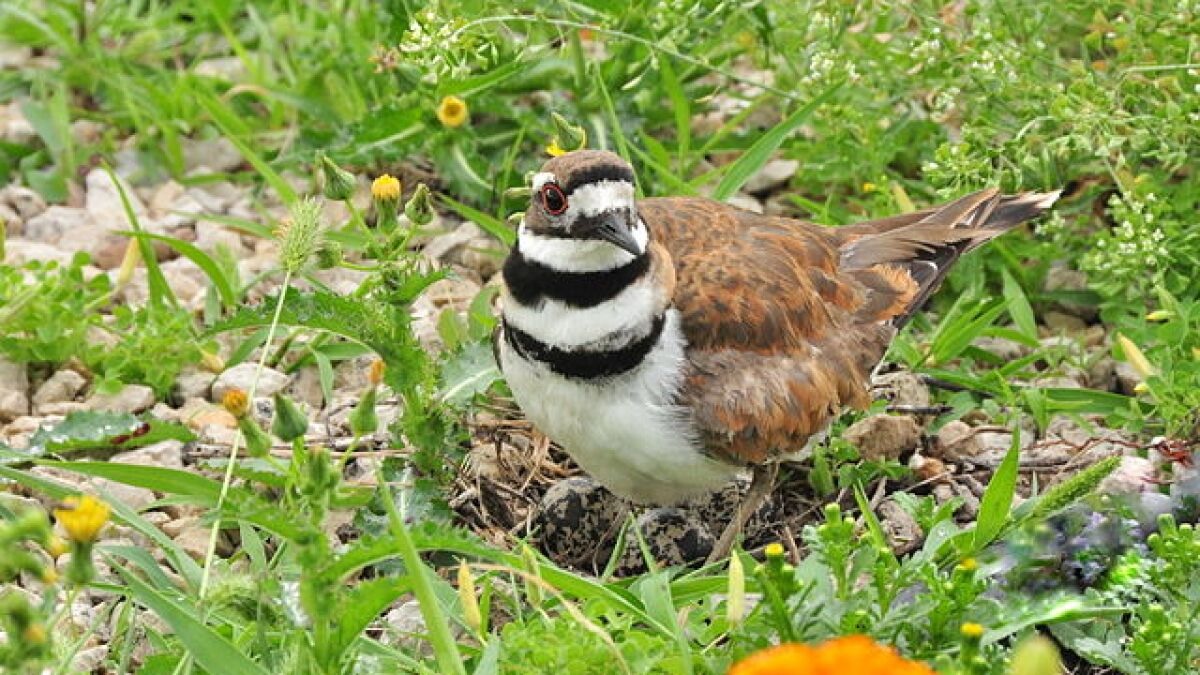
When we think about birds, the image of a nest tucked safely in a tree or hidden among branches often comes to mind. But have you ever wondered what birds lay eggs on the ground? It might seem surprising, but many bird species actually choose the earth itself as their nursery. Ground-nesting birds have adapted unique strategies to protect their eggs from predators and environmental challenges.
These birds often rely on camouflage, timing, and location to keep their eggs safe. Understanding which birds lay eggs on the ground helps us appreciate the diversity in bird behavior and how they thrive in various habitats. In this introduction, we’ll explore the types of birds that prefer ground-laying, the reasons behind this choice, and how these fascinating creatures survive despite the risks. So, let’s dive into the world of ground-nesting birds and uncover their secrets.
Why Some Birds Lay Eggs on the Ground
Birds have evolved a variety of nesting strategies, and one of the most intriguing is laying eggs directly on the ground. While it might seem risky compared to nesting high up in trees or cliffs, ground-laying offers unique advantages that have helped many species survive and thrive over time. Let’s explore the reasons behind this fascinating behavior.

Evolutionary Advantages
One of the primary reasons some birds lay eggs on the ground is evolutionary adaptation. Ground nesting is often an ancestral trait passed down through generations. For many species, this method has proved effective because it requires less energy and resources than building elaborate nests. Instead of spending time and effort constructing nests in hard-to-reach places, these birds can focus on other survival tasks such as foraging and protecting their young.
Additionally, ground nests can be well-camouflaged, blending seamlessly with their surroundings. The eggs and chicks often have colors and patterns that match the soil, leaves, or sand, making them less visible to predators. This natural camouflage increases the chances of survival for the offspring, offsetting the vulnerability of being on the ground.
Environmental Factors
The environment plays a significant role in why some birds choose to lay their eggs on the ground. In open habitats like grasslands, deserts, and tundras, there may be few trees or elevated structures suitable for nesting. Birds in these regions have adapted to their surroundings by nesting where shelter is limited but where they can still find safety through camouflage and strategic site selection.
Temperature regulation is another important environmental factor. Ground nests can provide stable warmth from the earth, which is crucial for the proper development of eggs in certain climates. For example, in cooler areas, the soil absorbs heat from the sun during the day and helps keep the eggs warm at night.
Nesting Behavior
The nesting behavior of ground-laying birds is often closely tied to their survival strategies. Many of these birds build simple scrapes or shallow depressions in the ground rather than complex nests. This minimalistic approach helps reduce visibility and disturbance around the nesting site.
Parental behavior also adapts to this nesting choice. Ground-nesting birds tend to be highly vigilant and often use distraction displays to lead predators away from their eggs or chicks. Some species, like plovers and killdeer, perform “broken wing” acts to lure threats away from their vulnerable nests.
Common Birds That Lay Eggs on the Ground
Birds that lay their eggs on the ground represent a fascinating and diverse group, spanning multiple families and habitats. From coastal shores to open grasslands and forest floors, ground-nesting birds have adapted to various environments with unique strategies to protect their eggs and chicks. Here’s a closer look at some of the most common groups of birds that choose the ground as their nesting site.
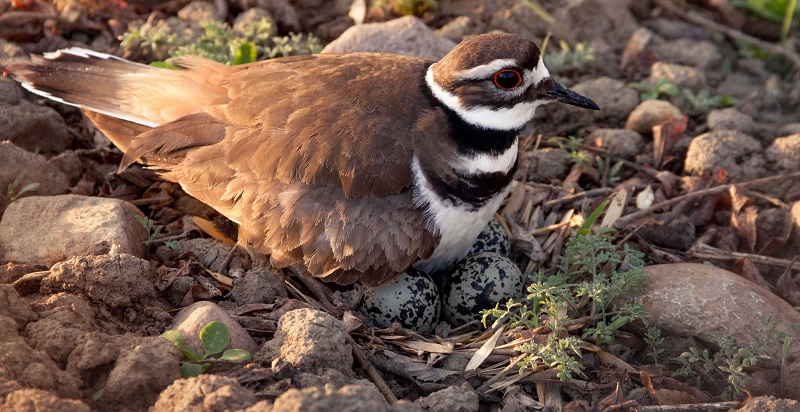
Shorebirds
Shorebirds are a widespread group often found along beaches, mudflats, and wetlands. Many shorebird species nest right on the ground, using simple scrapes or depressions to lay their eggs, relying on camouflage and location to protect their nests.
Plovers
Plovers are well-known ground nesters, often seen darting along sandy beaches or rocky shores. They create shallow nests called scrapes, usually lined with small stones or shells, which help conceal their eggs. Their eggs are speckled and blend perfectly with their surroundings, making it difficult for predators to spot them. The killdeer, a common plover species, is famous for its distraction displays—acting injured to lure threats away from the nest.
Sandpipers
Sandpipers, another group of shorebirds, also nest on the ground, typically in open areas near water. They tend to lay camouflaged eggs in simple nests built into grassy or sandy patches. Their nesting sites are often well-hidden, and parents are highly vigilant in protecting their offspring.
Game Birds
Game birds are a diverse group, many of which are popular for hunting. Most game birds nest on the ground in dense vegetation or forest floors, taking advantage of natural cover to shield their eggs.
Quail
Quail are small, plump birds that create nests in thick brush or grassy areas. Their eggs are usually pale with spots, helping them blend into the leaf litter. Quail hens are known for their secretive behavior, quietly tending to their nests and young to avoid attracting attention.
Grouse
Grouse are larger game birds that also nest on the ground, often in forested or tundra environments. Their nests are well-hidden under shrubs or among fallen leaves, where the eggs’ coloration offers excellent camouflage. Grouse chicks are precocial, meaning they can walk and feed themselves shortly after hatching, which reduces their vulnerability.
Waterfowl
Waterfowl, such as ducks and geese, often nest near water but lay their eggs on the ground, typically hidden in dense vegetation or concealed in tall grasses.
Ducks
Many duck species build nests on the ground near ponds, lakes, or marshes. They create nests lined with down feathers to keep eggs warm and well-insulated. Some species, like the mallard, prefer nesting close to water, while others choose more concealed spots away from open areas to avoid predators.
Geese
Geese also nest on the ground, often in grassy or rocky areas near water. Their nests are typically bulky and made from grasses and down feathers. Geese are known for fiercely protecting their nesting sites, which helps increase the survival rate of their eggs and goslings.
Ground-Nesting Songbirds
While many songbirds build nests in trees and shrubs, a few species have adapted to nesting on the ground, particularly in open fields and meadows.
Meadowlarks
Meadowlarks are iconic grassland birds that build cup-shaped nests on the ground, hidden in dense grass. Their eggs are often pale with subtle markings, blending in with the surrounding vegetation. These birds rely heavily on their habitat’s cover for protection and are known for their melodious songs heard across open fields.
Sparrows
Some sparrow species, like the grasshopper sparrow, also nest on the ground. They make their nests in thick grass clumps or under shrubs, carefully camouflaging their eggs. Ground-nesting sparrows tend to be elusive, staying close to the cover and using their coloration to avoid detection by predators.
Nest Characteristics of Ground-Nesting Birds
Ground-nesting birds have developed remarkable ways to ensure the survival of their eggs and chicks despite the obvious risks of nesting on the ground. Their nests, eggs, and protective behaviors are all fine-tuned by evolution to balance safety with the challenges of life close to predators and environmental elements. Let’s explore the key characteristics of their nests and how these birds keep their young safe.
Nest Construction
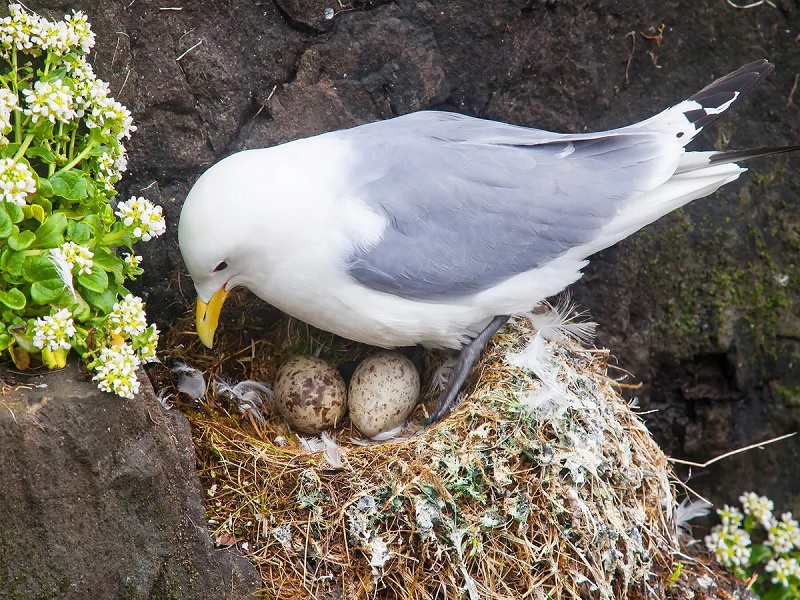
Unlike many tree-nesting birds that build intricate nests from twigs and leaves, ground-nesting birds often create much simpler structures. Their nests are usually shallow depressions or scrapes in the soil, gravel, sand, or leaf litter. These scrapes may be lined with soft materials such as grasses, feathers, or small pieces of vegetation to provide insulation and cushioning for the eggs.
Some species, like certain shorebirds and game birds, may add small stones or shells around the nest’s edge. This not only helps define the nest but can also assist in drainage, preventing water from pooling around the eggs during rain. The simplicity of these nests allows birds to quickly create a safe spot with minimal energy, which is especially important in open habitats where prolonged nest building could attract predators.
Camouflage and Protection Strategies
Camouflage is a crucial element in the survival strategy of ground-nesting birds. Their nests are almost always hidden within natural surroundings—under shrubs, among grasses, or on patches of bare ground that match the color and texture of their eggs. This natural concealment reduces the chance of detection by predators.
Beyond physical camouflage, many ground-nesting birds employ behavioral strategies to protect their nests. For instance, some use distraction displays, like feigning injury or fluttering away from the nest to draw potential threats in the opposite direction. Others stay extremely still when danger approaches, relying on their cryptic coloration and quiet presence to avoid detection.
Egg Appearance and Adaptations
The eggs of ground-nesting birds are often specially adapted for their exposed environment. Most have speckled or mottled patterns that mimic the surrounding terrain—such as sand, gravel, or dry leaves—making them harder for predators to spot. These colors can range from browns and tans to grays and olive greens, depending on the bird’s habitat.
Additionally, ground-nesting bird eggs tend to be relatively thick-shelled to withstand contact with rough surfaces and protect the developing embryo. Their shape can also vary; some species have more elongated eggs which help prevent them from rolling away on uneven ground.
Risks and Threats to Ground-Nesting Birds
Ground-nesting birds face a unique set of challenges compared to their tree-nesting counterparts. While their nesting strategy has evolved to offer advantages, it also exposes them to significant risks and threats. Understanding these dangers helps highlight the resilience of these birds and the importance of conservation efforts to protect their habitats.
Predation
Predation is perhaps the most immediate and constant threat to ground-nesting birds. Because their nests and eggs are located on or near the surface, they are more accessible to a variety of predators, including mammals like foxes, raccoons, and feral cats, as well as birds such as crows, ravens, and gulls. Many predators can easily spot or sniff out nests, especially if the birds leave traces while foraging or if the eggs are not well camouflaged.
To counter this threat, ground-nesting birds rely heavily on camouflage, secretive behaviors, and distraction displays. However, even with these adaptations, predation remains a leading cause of egg and chick loss, impacting population numbers in some species.
Human Disturbance
Human activities pose increasing risks to ground-nesting birds. Recreational activities like hiking, off-road vehicles, and beach visits can inadvertently destroy nests or scare away protective parents, leaving eggs and chicks vulnerable. In agricultural and urban areas, habitat loss due to land development reduces the available safe nesting grounds.
Additionally, domestic pets such as dogs and cats often disturb nesting sites or directly prey on eggs and young birds. Even well-meaning people who approach nests to take photos or observe can cause stress or abandonment, which further endangers these vulnerable birds.
Environmental Hazards
Environmental hazards also threaten ground-nesting birds, particularly because their nests are exposed to the elements. Heavy rains can flood nests built in low-lying areas, washing away eggs or chilling the young. Extreme temperatures, whether scorching heat or cold snaps, can affect egg incubation and chick survival, especially when the nest offers little shelter.
Conservation Efforts for Ground-Nesting Birds
Ground-nesting birds face many challenges, but ongoing conservation efforts are helping to protect these fascinating species and their vulnerable habitats. By focusing on habitat preservation, predator management, and educating the public, conservationists aim to improve the survival chances of ground-nesting birds and ensure their populations remain stable.
Habitat Protection
One of the most critical conservation strategies is protecting the natural habitats where ground-nesting birds build their nests. Many of these birds rely on specific environments like grasslands, wetlands, dunes, and open fields, which are increasingly threatened by development, agriculture, and human disturbance.
Conservation organizations work to preserve and restore these habitats by establishing protected areas and wildlife reserves. Efforts include managing land to maintain the natural vegetation cover that provides camouflage and shelter for nests. Restoration projects may also remove invasive plant species or reintroduce native flora to improve habitat quality.
By safeguarding these crucial nesting grounds, conservationists help ensure that ground-nesting birds have safe places to breed and raise their young without excessive human interference.
Predator Control
Predation is a major threat to ground-nesting birds, so managing predator populations is another essential part of conservation. In some areas, invasive predators such as feral cats, rats, and non-native mammals can severely impact bird populations by preying on eggs and chicks.
Predator control programs focus on humane trapping, exclusion techniques, and habitat modifications that reduce predator access to nests. For example, installing predator-proof fencing around nesting sites or creating buffer zones can protect vulnerable birds.
These measures are often combined with monitoring efforts to assess their effectiveness and adjust strategies as needed. Controlling predators in critical nesting areas significantly increases the chances of successful breeding for ground-nesting birds.
Public Awareness Campaigns
Raising public awareness about the unique challenges faced by ground-nesting birds is vital for their conservation. Many disturbances caused by humans are unintentional—people may unknowingly trample nests, scare away parents, or attract predators by leaving food waste nearby.
Educational campaigns aim to inform the public about how to minimize their impact, such as sticking to designated trails, keeping dogs on leashes, and avoiding sensitive nesting areas during breeding seasons. Signage, outreach programs, and community events help spread the message and encourage responsible behavior.
Engaging local communities fosters a sense of stewardship and support for conservation initiatives, creating a safer environment for ground-nesting birds to thrive.
Frequently Asked Questions
Why Do Some Birds Choose To Lay Eggs On The Ground?
You might wonder why some birds choose the ground instead of safer, elevated places. Ground laying often offers evolutionary advantages, such as easier access to suitable habitats where trees or shrubs are scarce. These birds use camouflage, nest location, and specific behaviors to protect their eggs. For example, ground nests are typically simple scrapes or shallow depressions that blend seamlessly into the environment, reducing the risk of detection by predators.
How Do Ground-Nesting Birds Protect Their Eggs From Predators?
Protecting eggs on the ground is challenging, so these birds have developed several strategies. Many rely on camouflage—both their eggs and nests blend in with surrounding materials like leaves, sand, or gravel. Some species perform distraction displays, like pretending to have a broken wing, to lure predators away from the nest. Additionally, many ground-nesting birds stay extremely vigilant, and some build nests in areas with natural cover to minimize visibility.
Are Ground-Nesting Birds More Vulnerable Than Tree-Nesting Birds?
Yes, ground-nesting birds generally face greater risks because their eggs and chicks are more accessible to predators and vulnerable to environmental hazards. However, they compensate through camouflage, choice of nest location, and behavioral adaptations. Despite these defenses, predation and habitat disturbances remain significant threats. That’s why conservation efforts focusing on habitat protection and reducing human disturbance are crucial for these species.
What Types Of Habitats Do Ground-Nesting Birds Prefer?
You’ll find ground-nesting birds in a variety of habitats that offer open spaces and natural cover. Grasslands, marshes, beaches, tundras, and open woodlands are common places where these birds nest. The exact habitat depends on the species; for example, plovers and sandpipers prefer sandy or rocky shorelines, while quail and grouse favor dense grass or forest floors. The key is that the habitat provides both camouflage and protection from predators.
How Can People Help Protect Ground-Nesting Birds?
If you want to help, you can take simple but effective steps to reduce disturbances. Stay on marked trails when hiking near nesting areas, keep pets on leashes, and avoid approaching nests. Supporting conservation initiatives that protect natural habitats and manage predator populations also makes a big difference. By being mindful of these birds’ needs during their breeding season, you can contribute to their survival and help maintain healthy ecosystems.
Conclusion
many fascinating bird species lay their eggs on the ground, from shorebirds like plovers and sandpipers to game birds such as quail and grouse, as well as waterfowl and certain songbirds. This unique nesting strategy, while risky, is supported by remarkable adaptations like camouflage, simple nest construction, and protective behaviors that increase their chances of survival.
Understanding what birds lay eggs on the ground sheds light on the incredible diversity of bird life and their ability to thrive in various environments. By recognizing the challenges these birds face, including predation and human disturbance, we can better appreciate the importance of conservation efforts aimed at protecting their habitats. Ground-nesting birds are a vital part of our ecosystems, deserving our respect and care.