
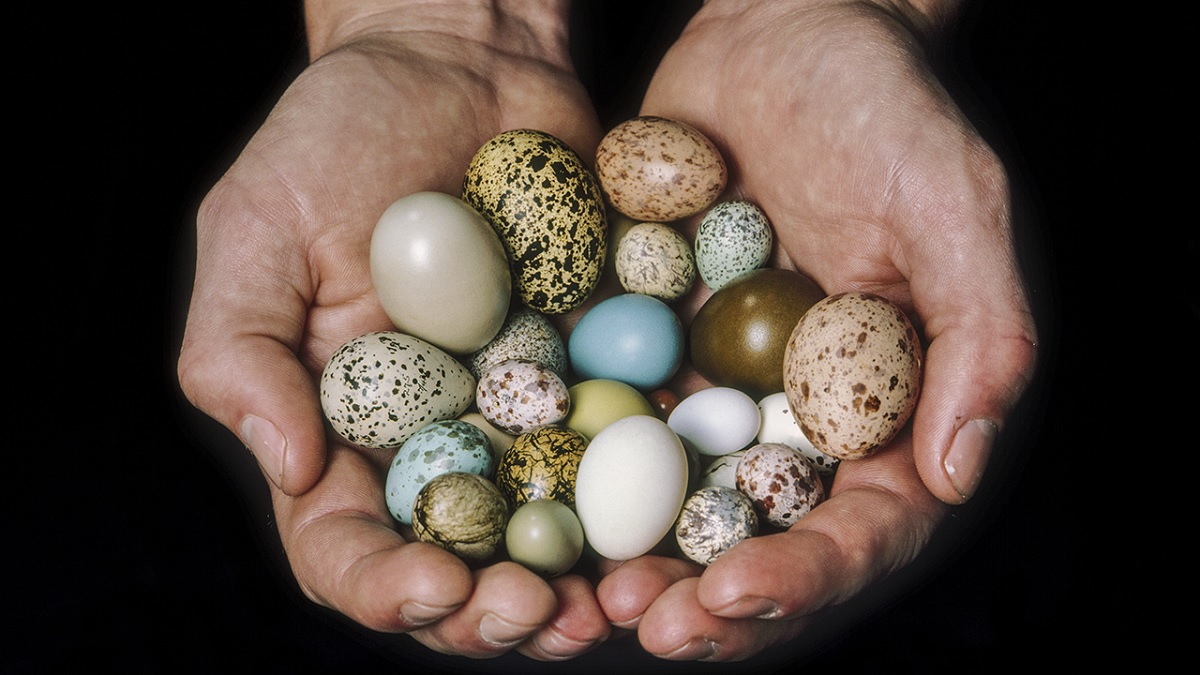
When it comes to birdwatching or simply appreciating nature, one fascinating question many people wonder about is what birds lay small blue eggs. These delicate, often pastel-colored eggs stand out in nests, capturing attention with their unique hue and size. Small blue eggs are not just pretty—they can reveal a lot about the species that laid them. From songbirds to some types of thrushes and finches, several bird species produce these charming eggs as part of their breeding cycle.
Understanding which birds lay small blue eggs helps bird enthusiasts identify nests and learn more about the habits and habitats of these birds. This knowledge adds a special layer to observing wildlife, connecting us closer to the natural world around us. Whether you’re a casual observer or a dedicated birder, knowing what birds lay small blue eggs offers an intriguing peek into avian life.
Introduction to Small Blue Bird Eggs
Small blue bird eggs are a charming and intriguing part of the natural world. Their soft blue color often stands out against the earthy tones of nests, making them easy to spot and admire. These eggs are usually small in size, reflecting the size of the bird species that lay them. Many songbirds, including robins and some species of thrushes and finches, are known for their distinctive blue eggs.
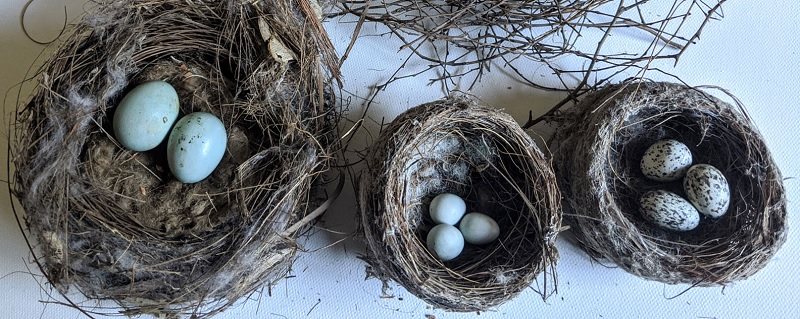
The coloration serves various purposes, such as camouflage or signaling to the parents. For bird watchers and nature lovers, spotting these eggs can be a rewarding experience, offering insight into the breeding habits and behaviors of different birds. Learning about small blue bird eggs opens a window into the diverse and fascinating lives of birds, enriching our appreciation for wildlife.
Common Birds That Lay Small Blue Eggs
Small blue eggs are a distinctive feature among several bird species. Their beautiful, pale blue color can brighten up nests and make it easier to identify the birds that laid them. Below are some of the most common birds known for laying small blue eggs.
American Robin
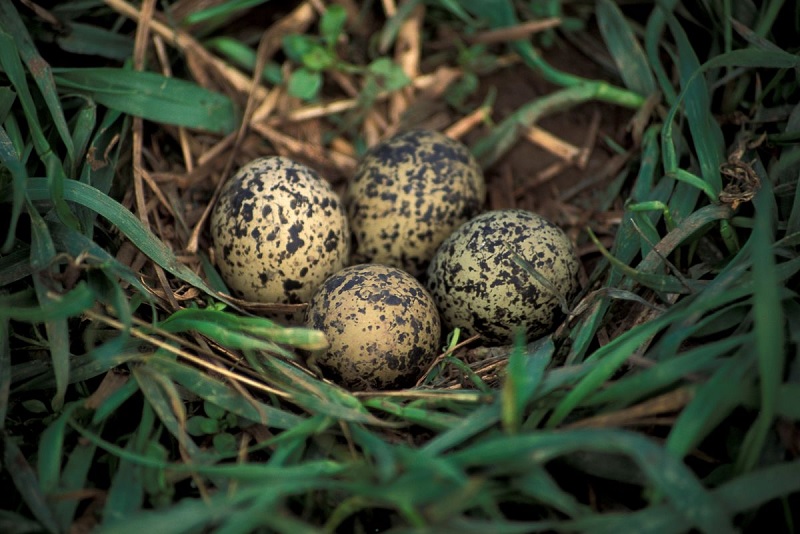
One of the most well-known birds that lay small blue eggs is the American robin. These eggs are typically a vibrant sky-blue color and measure about 2.8 to 3 centimeters long. Robins usually lay a clutch of three to five eggs in a carefully built nest made of mud, grass, and twigs. The blue coloration helps the eggs blend in with the sky when the nest is exposed, offering some camouflage from predators. American robins are widespread across North America, and their eggs are often one of the first signs of spring for many people.
Eastern Bluebird
Another familiar bird that lays small blue eggs is the Eastern bluebird. Their eggs tend to be pale blue with a slightly translucent quality, usually smaller than robin eggs but similar in color. Eastern bluebirds typically lay between three to seven eggs per clutch. Their nests are often found in tree cavities or birdhouses, where the eggs’ bright blue color stands out. These birds are a favorite among bird enthusiasts for their striking plumage and charming nesting habits.
Tree Swallow
Tree swallows also lay small blue eggs, although their eggs can sometimes be closer to a pale greenish-blue. These birds prefer nesting in tree cavities or nest boxes near water sources. The eggs are smooth and glossy, measuring roughly 2.2 to 2.7 centimeters in length. Tree swallows usually lay clutches of four to seven eggs. Their beautiful eggs and graceful flight make them a delight to watch during the breeding season.
House Finch
While house finch eggs are not as vividly blue as those of robins or bluebirds, they often have a pale bluish tint that can be quite noticeable. These eggs are smaller than those of the other birds mentioned, usually measuring around 1.5 to 2 centimeters. House finches typically lay clutches of two to six eggs. They build nests in urban areas, making their eggs more commonly spotted in backyards and city parks. The subtle blue hue of house finch eggs adds a quiet charm to their nesting sites.
These birds provide great examples of how small blue eggs play an important role in avian reproduction, each species bringing its own unique characteristics to the table. Whether you’re spotting nests in the wild or keeping an eye on backyard visitors, knowing which birds lay small blue eggs adds depth to your bird watching experience.
Characteristics of Small Blue Eggs
Small blue eggs are fascinating not only because of their delicate size but also due to their unique colors and patterns. Understanding these characteristics helps bird enthusiasts and nature lovers appreciate the diversity and purpose behind these beautiful eggs.

Size and Shape
Small blue eggs typically range from about 1.5 to 3 centimeters in length, depending on the bird species that laid them. Their shape is usually oval, sometimes more rounded or slightly elongated. The size and shape are closely related to the bird’s size and nesting habits.
Smaller birds, like house finches, lay smaller eggs, while slightly larger birds such as robins have bigger eggs in the small blue egg category. The compact size of these eggs allows them to fit securely in nests, often made in cavities, bushes, or tree branches, providing protection from predators and environmental factors.
Color Variations and Patterns
While the defining feature is the blue color, the exact shade of blue can vary widely. Some eggs are a bright sky blue, while others display a paler, almost pastel blue or even a subtle greenish-blue tint. In some cases, small blue eggs have speckles or spots that range from dark brown to gray, adding a pattern that can help with camouflage or identification.
The variation in blue shades and markings is influenced by factors such as species, diet, and environmental conditions. These subtle differences in color and pattern make it easier to identify which bird species laid the eggs and can also serve as natural protection.
Why Are Some Eggs Blue?
The blue color in bird eggs is caused by a pigment called biliverdin, which is deposited onto the eggshell during its formation in the bird’s oviduct. Biliverdin is a bile pigment that gives the eggs their distinctive blue-green tint. Scientists believe this coloration can serve multiple purposes. One main reason is camouflage—blue or greenish eggs blend into the surroundings, especially in shaded or leafy nests, making them less visible to predators.
Additionally, the intensity of the blue color might signal the health and vitality of the mother bird to potential mates, serving as a kind of biological indicator. There’s also evidence that blue pigmentation can help strengthen the eggshell or protect it from harmful ultraviolet rays.
Habitat and Nesting of Blue-Egg-Laying Birds
Birds that lay small blue eggs often choose habitats and nesting sites that offer safety and the right conditions for raising their young. Understanding where these birds live and how they build their nests provides insight into their behavior and survival strategies.
Preferred Nesting Locations
Blue-egg-laying birds select nesting sites that suit their needs for protection, access to food, and suitable microclimates. Many prefer locations that provide natural concealment. For example, American robins often build their nests in the forks of tree branches or shrubs, where the thick foliage helps hide their striking blue eggs from predators. Eastern bluebirds favor open habitats like meadows and forest edges and usually nest inside cavities or birdhouses placed by humans.
Tree swallows are cavity nesters as well, frequently using hollow trees or nesting boxes near water. House finches, on the other hand, are highly adaptable and often nest in urban and suburban environments—on building ledges, in gutters, or among dense vines—demonstrating flexibility in their nesting choices. These diverse preferences highlight how blue-egg-laying birds have adapted to a range of habitats while prioritizing safety for their eggs and chicks.
Nesting Materials and Structures
The materials used by birds to build nests vary depending on species and habitat, but many blue-egg-laying birds rely on natural resources like twigs, grasses, leaves, mud, and feathers. American robins build cup-shaped nests using mud to create a sturdy base, reinforced with grasses and lined with softer materials for comfort. Eastern bluebirds also construct cup nests, often using grass, pine needles, and feathers inside tree cavities or boxes to keep the eggs warm and protected.
Tree swallows favor dry grasses and feathers to create soft, insulated nests within cavities or nest boxes. House finches build loosely constructed nests using twigs, leaves, and sometimes human materials like string or paper, reflecting their urban adaptability. The structure and materials of the nests not only protect the eggs but also help regulate temperature and humidity, creating an ideal environment for incubation.
Identification Tips for Small Blue Eggs
Spotting small blue eggs in the wild can be exciting, but identifying which bird species laid them requires attention to detail. Several factors, including egg size, color, patterns, and timing, help distinguish one species from another. Here are some key tips to help with identification.
Differentiating Between Species
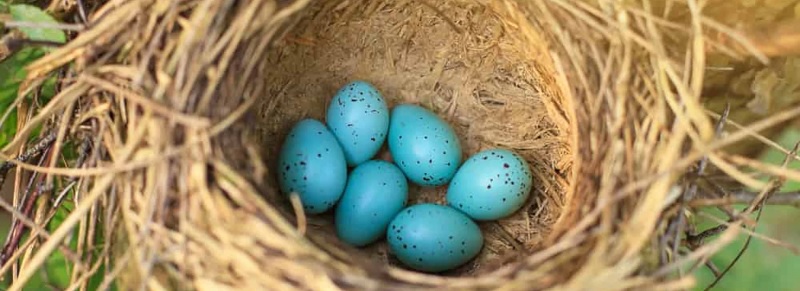
Although many birds lay blue eggs, variations in shade, size, and markings can help you tell them apart. American robin eggs, for example, are usually a rich sky-blue and fairly uniform in color, with an oval shape about 2.8 to 3 centimeters long. Eastern bluebird eggs tend to be slightly smaller and paler, sometimes showing a more translucent or pastel blue hue. Tree swallow eggs are smooth and glossy, often leaning toward a greenish-blue tint, and can occasionally have faint spots. House finch eggs are smaller still, with a much lighter blue or blue-gray color, sometimes appearing almost white with a slight blue tint.
Besides color and size, the nest’s location and structure can also provide clues. Robins typically build cup-shaped nests on tree branches, while tree swallows and bluebirds prefer cavities or birdhouses. House finches tend to nest in urban areas with loosely constructed nests.
Seasonal Timing of Egg Laying
Timing is another useful factor in identifying small blue eggs. Most of these birds lay eggs during spring and early summer, but exact timing varies by species and geographic location. American robins generally start laying eggs as early as late March through June. Eastern bluebirds begin nesting in April and may have multiple broods through summer. Tree swallows often lay eggs from April to July, frequently taking advantage of available nest boxes during peak breeding season. House finches can breed earlier and longer in the year, sometimes laying eggs as early as February and continuing into late summer, especially in warmer climates.
Paying attention to the time of year, alongside physical characteristics of the eggs and nests, can narrow down the possibilities significantly. Observing the surrounding habitat and the parent birds, if possible, further improves identification accuracy.
Interesting Facts About Birds That Lay Small Blue Eggs
Birds that lay small blue eggs have some truly fascinating traits that make them stand out in the bird world. For example, the vibrant blue color of their eggs comes from a pigment called biliverdin, which is also responsible for giving bruises their greenish-blue tint in humans. This pigment not only creates the beautiful coloration but may also help protect the eggs from harmful sunlight and predators.
Many of these birds, like the American robin and Eastern bluebird, are known for their strong parental care, often raising multiple broods in a single season. Interestingly, some blue-egg-laying birds choose nesting spots that cleverly conceal their eggs, such as tree cavities or dense shrubs. The small size of the eggs reflects the size of the birds themselves, but despite their delicate appearance, these eggs are remarkably resilient. These facts highlight the incredible diversity and adaptation strategies of birds that lay small blue eggs.
Frequently Asked Questions
What Birds Commonly Lay Small Blue Eggs?
You’ll often find small blue eggs laid by birds like the American robin, Eastern bluebird, tree swallow, and house finch. These species are well-known for their striking blue or blue-green eggs, which vary slightly in size and shade depending on the bird. Knowing these common birds can help you identify small blue eggs you come across during birdwatching or in your backyard.
Why Are Some Bird Eggs Blue?
The blue color in bird eggs comes from a pigment called biliverdin, which the female bird deposits onto the eggshell during formation. This pigment not only gives the eggs their beautiful blue or greenish tint but may also protect the eggs from harmful sunlight and camouflage them from predators. So, the color serves both a biological and protective function.
How Can I Identify Which Bird Laid Small Blue Eggs?
Identifying the bird that laid small blue eggs involves looking at egg size, shade of blue, nest location, and timing of egg laying. For example, American robin eggs are a vibrant sky-blue and found in open cup nests in trees or shrubs, while tree swallow eggs have a greenish-blue tint and are usually in tree cavities or nest boxes. Observing the nesting environment and parent birds can also help you narrow down the species.
When Do Birds Typically Lay Small Blue Eggs?
Most birds that lay small blue eggs start their breeding season in early spring and continue through early summer. American robins often begin laying eggs in late March, Eastern bluebirds from April, and house finches can start as early as February, especially in warmer climates. The timing can vary depending on your location and the species.
Are Small Blue Eggs More Fragile Than Other Bird Eggs?
Small blue eggs might look delicate due to their size and color, but they are quite strong. The eggshell’s thickness and composition are designed to protect the developing embryo inside. The blue pigmentation does not weaken the shell; instead, it may add some protective benefits like shielding from UV rays. So, these eggs are well-suited to survive their environment until hatching.
Conclusion
Small blue eggs are a beautiful and intriguing part of many bird species’ reproductive cycles. Birds like the American robin, Eastern bluebird, tree swallow, and house finch all lay these charming eggs, each with subtle differences in shade, size, and nesting habits. Understanding what birds lay small blue eggs helps deepen your appreciation for the natural world and the diversity of avian life.
These eggs not only serve important biological functions but also add color and interest to the environments where these birds raise their young. Whether you’re a casual observer or an avid birdwatcher, recognizing these eggs offers a rewarding glimpse into the delicate balance of nature and the fascinating behaviors of blue-egg-laying birds.