

Birds are fascinating creatures that have captured human curiosity for centuries. When we ask, what can birds do, the answers reveal an incredible range of abilities that go far beyond just flying. Birds can sing beautiful melodies that fill the air with music, build intricate nests to protect their young, and navigate vast distances during migration with astonishing precision. Some species are even capable of mimicking human speech or solving complex problems, showcasing surprising intelligence.
Their sharp eyesight allows them to spot prey from high above, while their unique adaptations let them thrive in diverse environments, from deserts to rainforests. Exploring what can birds do not only highlights their remarkable skills but also deepens our appreciation for the natural world and the vital roles birds play in ecosystems. Understanding these abilities helps us connect with wildlife and inspires us to protect these amazing animals and their habitats.
Flight Abilities
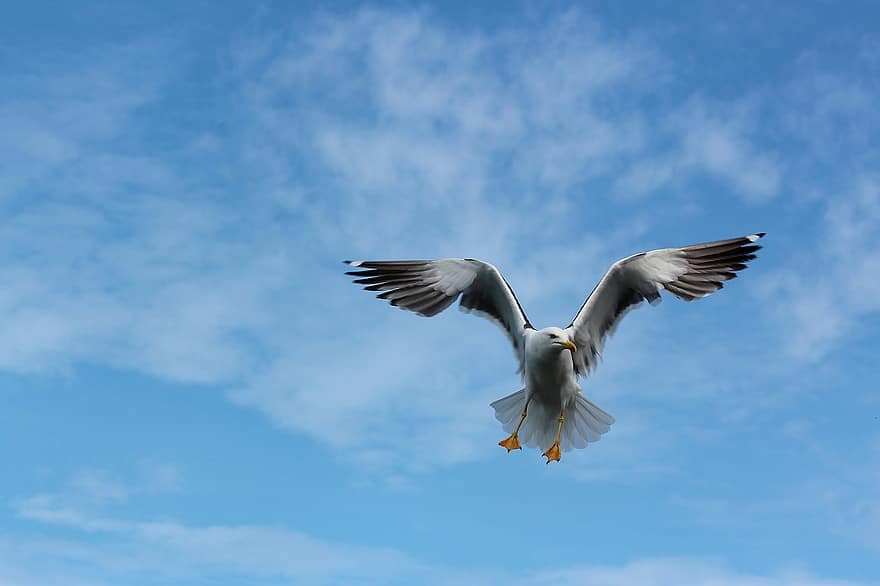
Birds are best known for their ability to fly, a skill that has fascinated humans for centuries. Flight not only allows birds to escape predators and search for food but also enables them to explore vast areas, find mates, and migrate to favorable climates. Understanding birds’ flight abilities reveals just how diverse and specialized these creatures are.
Types of Flight
Birds use different types of flight depending on their species, environment, and needs. The most common types include flapping flight, gliding, and soaring. Flapping flight involves continuous wing movement to generate lift and thrust, seen in birds like sparrows and pigeons. Gliding is when birds stretch their wings and use air currents to stay aloft with minimal effort, common in birds like albatrosses. Soaring, on the other hand, involves riding thermal updrafts to gain altitude without flapping, a technique used by eagles and vultures. Some birds also use a unique form called hovering, where they flap their wings rapidly to stay in one spot, such as hummingbirds. Each type of flight is perfectly adapted to the bird’s lifestyle and habitat.
Adaptations for Flying
Birds have evolved a range of physical adaptations that make flight possible and efficient. Their bones are lightweight and hollow, reducing overall body weight without sacrificing strength. The shape and structure of feathers are crucial, with primary feathers on the wings providing lift and control, while tail feathers assist with steering and balance. Muscles, especially the powerful pectoral muscles, drive wing movement. Birds also have highly efficient respiratory and circulatory systems to meet the high oxygen demands of flight. Additionally, their streamlined bodies reduce air resistance, allowing them to cut through the air with minimal effort.
Long-Distance Migration
One of the most impressive examples of birds’ flight abilities is long-distance migration. Every year, many bird species travel thousands of miles to reach breeding or wintering grounds. This incredible journey demands endurance, navigation skills, and energy management. Birds use the sun, stars, Earth’s magnetic field, and landmarks to find their way across continents and oceans.
Some migratory birds, like the Arctic tern, fly from the Arctic to the Antarctic and back each year—a round trip of over 40,000 miles. To prepare, migratory birds build up fat reserves to fuel their flight and may travel nonstop for days. This remarkable feat highlights the extraordinary flight capabilities birds possess, allowing them to survive and thrive in changing environments.
Communication
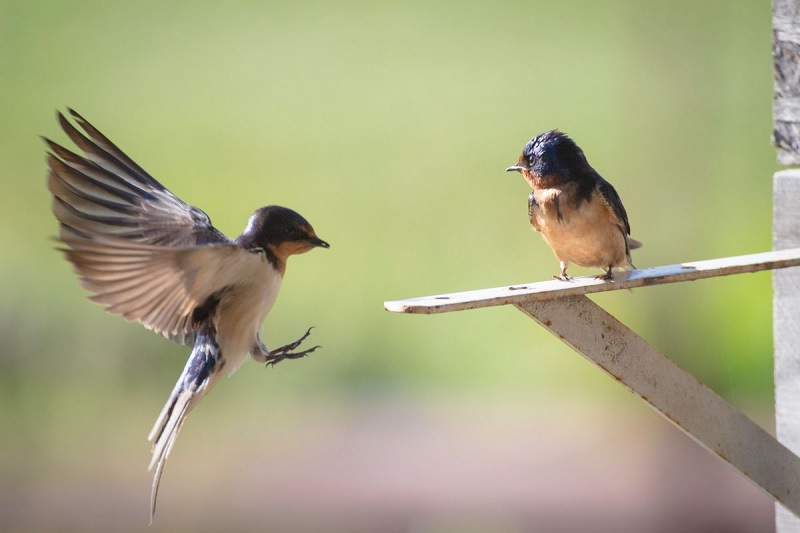
Birds are incredibly social creatures, and communication plays a vital role in their survival and interaction. Their ways of expressing themselves are as diverse as their species, ranging from melodic songs to subtle body language. Understanding bird communication helps us appreciate how these animals navigate their world and maintain complex social relationships.
Birdsong and Calls
One of the most recognizable forms of bird communication is their vocalizations, which include songs and calls. Birdsong is often complex and melodious, primarily used by males during the breeding season to attract mates and defend territories. Each species has its unique song pattern, and some can even vary their songs depending on the region they inhabit.
Calls, in contrast, tend to be shorter and serve specific functions like signaling alarm, keeping in contact with flock members, or coordinating group behavior. For example, chickadees use different call patterns to warn about the presence and type of predators. These vocal signals are crucial for survival, helping birds warn of danger, locate each other, and strengthen social bonds.
Non-vocal Communication
Birds don’t rely solely on sound to communicate; they also use a variety of non-vocal methods. Body language plays a significant role, such as wing-flapping, head bobbing, or tail flicking, which can indicate aggression, submission, or readiness to mate. Many species also use visual displays involving vibrant plumage or elaborate courtship dances to convey messages.
For instance, peacocks fan their colorful tails to impress potential mates. In some cases, birds employ chemical signals or posture changes to communicate with others subtly. These non-vocal cues often work alongside vocalizations to create a richer and more effective communication system.
Mimicry and Learning
Some birds possess an extraordinary ability to mimic sounds from their environment, including other birds, animals, and even human voices. Species like the mockingbird, lyrebird, and parrot are famous for their mimicry skills. This ability isn’t just for show; it can help in confusing predators, attracting mates, or establishing territory by imitating the calls of rival species.
Mimicry is closely linked to learning — many young birds learn their songs by listening to adults, refining their vocalizations over time. This cultural transmission means bird communication can evolve, with local dialects or variations developing within populations. This dynamic process showcases the intelligence and adaptability of birds in the way they communicate.
Feeding and Hunting Skills
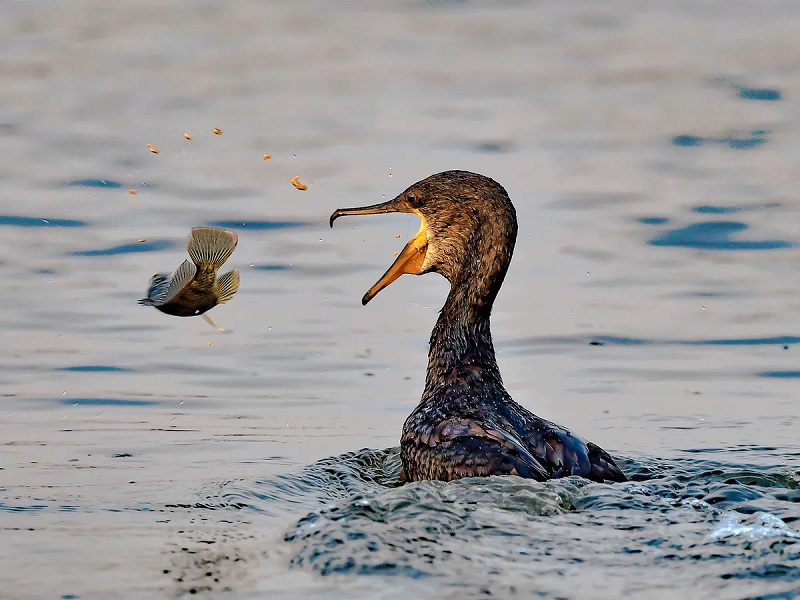
Birds have evolved a remarkable variety of feeding and hunting skills that allow them to thrive in nearly every environment on Earth. From the smallest insect-eaters to powerful raptors, their techniques are perfectly adapted to their diets and habitats. Exploring these skills reveals the incredible diversity and intelligence of birds when it comes to finding food.
Different Feeding Techniques
Birds use an array of feeding techniques depending on their preferred diet and environment. Some birds, like seed-eaters, have strong, conical beaks designed for cracking hard shells. Others, such as nectar feeders like hummingbirds, have long, slender bills adapted to reach deep into flowers.
Filter feeders like ducks use specialized beaks to strain small plants and animals from the water. There are also birds like woodpeckers that use their sharp beaks to extract insects hidden inside tree bark. Each feeding technique is a perfect example of how birds have evolved to exploit different food sources efficiently.
Use of Tools
One of the most fascinating aspects of bird feeding behavior is their ability to use tools. Certain species demonstrate impressive problem-solving skills by using objects from their environment to access food. For example, the New Caledonian crow is famous for crafting sticks into hooks to extract insects from tree crevices. Some woodpecker finches use cactus spines as tools to pry out larvae. This use of tools highlights a level of intelligence that is rare in the animal kingdom and shows how birds can innovate to overcome challenges in obtaining food.
Hunting Strategies
Birds of prey, such as hawks, eagles, and owls, have developed specialized hunting strategies that combine keen eyesight, stealth, and powerful physical abilities. Many raptors hunt by soaring high and scanning the ground for movement, then swooping down swiftly to capture their prey with sharp talons. Owls use silent flight and excellent night vision to hunt under the cover of darkness.
Some birds hunt cooperatively; for instance, certain species of herons and pelicans work in groups to herd fish into shallow waters, making them easier to catch. Others use unique tactics like the frigatebird, which harasses other seabirds to steal their catch mid-flight. These strategies illustrate how birds have adapted their hunting methods to maximize success in a wide range of environments.
Nesting and Parenting
Birds show incredible dedication when it comes to nesting and raising their young. Their nesting and parenting behaviors are diverse and often highly specialized, reflecting the many environments and challenges they face. These behaviors ensure the survival of the next generation and highlight the deep instinctual bond between parent birds and their offspring.
Nest Building
Nest building is one of the most essential and fascinating behaviors in birds. Depending on the species, nests can range from simple scrapes on the ground to elaborate structures woven from twigs, leaves, feathers, and even man-made materials like string or paper. Some birds, like weaver birds, are master architects, creating intricate, hanging nests with multiple chambers.
Others, such as cavity nesters like woodpeckers and some owls, use natural holes in trees or abandoned nests. Nest placement is also strategic, often chosen to protect eggs and chicks from predators and harsh weather. The materials and techniques birds use showcase their incredible adaptability and resourcefulness.
Incubation and Brooding
Once eggs are laid, incubation becomes critical. Birds use their body heat to keep the eggs warm until they hatch. The incubation period varies by species but generally lasts from about 10 days to over a month. During this time, one or both parents take turns sitting on the eggs, carefully balancing the need to keep them warm and safe while occasionally leaving to find food. Brooding continues after hatching, as young chicks often need constant warmth and protection during their earliest days. This stage is crucial for the development and survival of the chicks, especially in species where newborns are altricial (born helpless and dependent).
Parental Care
Parental care in birds extends well beyond incubation and brooding. Many bird species show remarkable dedication to feeding, protecting, and teaching their young until they are ready to survive independently. Both parents often share the responsibility of gathering food and feeding their chicks.
In some species, such as penguins, parents alternate shifts guarding the young against predators and harsh weather. Some birds teach their fledglings essential survival skills, including how to find food and avoid danger. This extended care period varies widely but is a vital part of ensuring the chicks grow strong and learn the behaviors necessary for adulthood.
Navigation and Orientation
Birds possess extraordinary navigation and orientation skills that enable them to travel vast distances and find their way across unfamiliar terrain. These abilities are especially crucial during migration, when birds journey thousands of miles between breeding and wintering grounds. Understanding how birds navigate helps reveal the complex and fascinating mechanisms behind their incredible sense of direction.
Use of Magnetic Fields
One of the most remarkable navigation tools birds use is their sensitivity to Earth’s magnetic fields. Birds can detect the planet’s magnetic field and use it as a natural compass to determine direction, even when flying over open oceans or featureless landscapes. This magnetic sense is believed to be linked to specialized cells in their eyes or brain that respond to magnetic signals. By interpreting these signals, birds maintain their orientation and adjust their flight path as needed. This magnetic navigation ability allows birds to stay on course during long migrations, often across continents.
Visual Landmarks
In addition to magnetic cues, birds rely heavily on visual landmarks to find their way. Familiar features such as mountains, rivers, coastlines, and even man-made structures like buildings and roads serve as important reference points. Birds learn these landmarks during their first migrations and use them to navigate more accurately in future journeys. For instance, pigeons are famous for their ability to recognize and remember visual cues, helping them return home from unfamiliar locations. This combination of innate and learned navigation strategies ensures birds can adapt to changes in their environment.
Sun and Star Navigation
Birds also use celestial bodies like the sun and stars to guide their travel. During the day, many birds orient themselves by the sun’s position, adjusting their flight direction as it moves across the sky. They possess an internal clock that helps them compensate for the sun’s changing position throughout the day, allowing consistent navigation. At night, some migratory species use the stars to find their way, recognizing constellations and the North Star as reliable guides. This celestial navigation is particularly important for nocturnal migrants, such as many songbirds, who travel under the cover of darkness.
Physical Adaptations
Birds are equipped with a range of physical adaptations that enable them to survive and thrive in diverse environments. These adaptations have evolved over millions of years, allowing birds to specialize in everything from feeding to flying, protecting themselves, and reproducing. Among the most notable physical features are their beaks, feathers, and talons, each tailored to specific functions that enhance their daily lives.
Beak Shapes and Functions
A bird’s beak is one of its most important tools, and its shape often reveals a lot about its diet and lifestyle. Different species have evolved beaks adapted to specific feeding habits. For example, seed-eating birds like finches have short, strong, cone-shaped beaks perfect for cracking hard shells. Birds that catch insects, such as warblers, have slender, pointed beaks ideal for snatching small prey. Birds of prey, including hawks and eagles, possess sharp, hooked beaks designed to tear flesh. Meanwhile, nectar-feeding birds like hummingbirds boast long, thin beaks to reach deep into flowers. This incredible diversity in beak shapes demonstrates how birds have evolved specialized tools to efficiently exploit different food sources.
Feather Types and Functions
Feathers are essential for flight, insulation, and even communication, and birds have several types adapted for these roles. Flight feathers, found on the wings and tail, are strong and stiff, providing lift and control during flight. Down feathers lie beneath the outer feathers, offering insulation to keep birds warm in cold conditions. Some birds have specialized feathers for display, such as the bright, colorful plumage of peacocks or the iridescent feathers of hummingbirds, which play key roles in mating rituals. Feathers also help birds stay waterproof, especially those that spend a lot of time in water, like ducks and penguins. These feather adaptations not only enable flight but also protect birds from the elements and aid in social signaling.
Talons and Claws
Talons and claws are crucial for many birds, especially predators and those that perch. Birds of prey have powerful, curved talons that allow them to grasp and kill prey effectively. These sharp claws help them hold onto struggling animals and tear meat apart. Even non-predatory birds use their claws for important functions—perching birds have curved claws that help them grip branches securely, preventing falls while resting or sleeping. Some species, like woodpeckers, have specialized claws that assist in climbing tree trunks. The variety of talon and claw shapes reflects the many ways birds interact with their environment and obtain food.
Social Behaviors
Birds exhibit a wide range of social behaviors that play crucial roles in their survival, reproduction, and overall well-being. From forming large flocks to engaging in intricate mating rituals and defending territories, these behaviors help birds communicate, cooperate, and compete in their environments. Understanding these social patterns gives us deeper insight into how birds interact with one another and thrive in diverse habitats.
Flocking and Group Living
Many bird species live and move in groups known as flocks, which provide numerous advantages. Flocking helps birds stay safer from predators by confusing attackers and increasing the number of eyes watching for danger. It also makes finding food easier, as members of the flock can share information about food sources.
For example, starlings perform breathtaking aerial displays called murmurations, where thousands of birds move in synchronized patterns, both for protection and communication. Group living can also aid in migration, with birds flying in formations like the V-shape to conserve energy over long distances. Overall, flocking fosters cooperation and improves survival chances.
Mating Displays and Rituals
Mating behaviors in birds are often elaborate and highly specialized, involving visual, vocal, and sometimes physical displays designed to attract mates and secure reproductive success. Males may perform complex dances, sing intricate songs, or showcase brightly colored feathers to impress females.
For example, the extravagant courtship dance of the bird-of-paradise involves dramatic movements and vivid plumage. Some species engage in nest-building competitions or gift-giving, offering food or nesting materials to potential mates. These rituals not only demonstrate fitness and genetic quality but also help establish pair bonds essential for raising offspring together.
Territory Defense
Many birds are territorial and fiercely defend their nesting or feeding areas from intruders, especially during breeding season. Territory defense ensures they have enough resources like food and nesting sites to raise their young successfully. Birds use a variety of strategies to mark and protect their territories, including loud songs, visual displays, and physical confrontations.
For example, a robin’s song serves as a clear warning to rivals, while raptors may engage in aerial dogfights to assert dominance. Territory size can vary widely depending on species and habitat, but maintaining a secure territory is often vital for reproductive success.
Frequently Asked Questions
What Can Birds Do That Makes Them Unique?
Birds possess a unique combination of abilities that set them apart from many other animals. They can fly, which opens up access to diverse habitats and food sources. Beyond flight, birds communicate through complex songs and calls, build intricate nests, and exhibit remarkable migration skills spanning thousands of miles. Their physical adaptations, such as specialized beaks and feathers, allow them to thrive in various environments. Additionally, some birds demonstrate advanced intelligence by using tools and mimicking sounds. All these traits make birds incredibly versatile and fascinating creatures.
How Do Birds Navigate During Long Migrations?
Birds navigate long distances using several sophisticated methods. They can sense Earth’s magnetic fields, which acts like a natural compass guiding them across continents and oceans. Birds also rely on visual landmarks such as mountains, rivers, and coastlines to stay on course. During daytime, they use the sun’s position, combined with an internal biological clock, to maintain direction. At night, many species depend on star patterns and the North Star to guide their flight. This multi-layered navigation system allows birds to migrate thousands of miles with impressive accuracy.
What Are The Different Types Of Flight That Birds Use?
Birds use various types of flight depending on their needs and physical structure. The most common is flapping flight, where birds continuously move their wings to generate lift and thrust. Some birds use gliding, stretching their wings to catch air currents and stay airborne with minimal effort. Soaring involves riding thermal updrafts to gain height without flapping, common in large birds like eagles. Others, like hummingbirds, perform hovering by rapidly flapping their wings to remain stationary in the air. Each type of flight is adapted to the bird’s environment and lifestyle.
How Do Birds Communicate With Each Other?
Birds communicate using vocal and non-vocal methods. Vocal communication includes songs and calls, which can convey warnings, attract mates, or maintain group cohesion. Songs are often complex and species-specific, while calls tend to be shorter and more functional. Non-vocal communication involves body language such as wing flapping, head bobbing, and tail flicking. Many birds also use visual displays involving colorful plumage or courtship dances. Some species are even capable of mimicry, copying sounds from their surroundings to communicate or confuse predators.
What Physical Adaptations Help Birds Survive?
Birds have several physical adaptations that enhance their survival. Their beak shapes are tailored to their diets, from sharp, hooked beaks for tearing meat to long, slender beaks for nectar feeding. Feathers serve multiple purposes, including flight, insulation, waterproofing, and display. Flight feathers are strong and stiff, while down feathers provide warmth. Talons and claws help birds catch prey, perch securely, or climb. Lightweight, hollow bones reduce body weight for easier flight. These adaptations work together to make birds highly efficient in their habitats.
How Do Birds Care For Their Young?
Birds invest significant effort into nesting and parenting to ensure their young survive. They build nests using various materials, selecting safe and strategic locations to protect eggs and chicks. During incubation, one or both parents keep the eggs warm until they hatch. After hatching, parents feed and protect the chicks, often working together to gather food and guard against predators. In some species, parents also teach their young important survival skills like flying and foraging. This dedicated care greatly increases the chances that the offspring will reach adulthood.
Conclusion
Birds are truly remarkable creatures with a wide range of abilities that go beyond just flying. From their incredible flight skills and precise navigation to their complex communication methods and specialized feeding techniques, birds showcase impressive adaptability and intelligence. Their physical adaptations, such as unique beak shapes and feathers, enable them to thrive in diverse environments, while their dedicated parenting ensures the survival of future generations.
Whether it’s the elaborate mating displays, cooperative social behaviors, or long-distance migrations, birds continue to amaze us with their versatility and resilience. Understanding what birds can do not only deepens our appreciation for these fascinating animals but also highlights the importance of protecting their habitats for generations to come.