

If you share your home with pet birds, you’ve probably asked yourself at some point: what cookware is safe for birds? It’s an important question—and one that could mean the difference between a healthy environment and an accidental tragedy. Many bird owners don’t realize that common non-stick cookware, especially those coated with Teflon or PTFE, can emit toxic fumes when overheated. These invisible fumes are harmless to humans but can be deadly to birds, whose respiratory systems are incredibly sensitive.
So, what cookware is safe for birds? The answer lies in choosing materials that don’t release toxic gases, such as stainless steel, cast iron, ceramic, and glass. In this guide, we’ll explore the safest options for bird-friendly cooking and help you make informed choices for your kitchen. After all, your bird’s health depends not only on their food and cage—but also on what’s heating dinner nearby. Let’s take a closer look at safe cookware choices.
Why Cookware Safety Matters for Birds
Bird owners often focus on diet, cage cleanliness, and enrichment when it comes to keeping their feathered friends healthy—but one often-overlooked danger is right in the kitchen. Choosing the wrong cookware can have devastating consequences. Understanding why cookware safety matters for birds is crucial, especially when you consider how delicate their respiratory systems are and how common household products can pose hidden risks.
Bird Respiratory Sensitivity
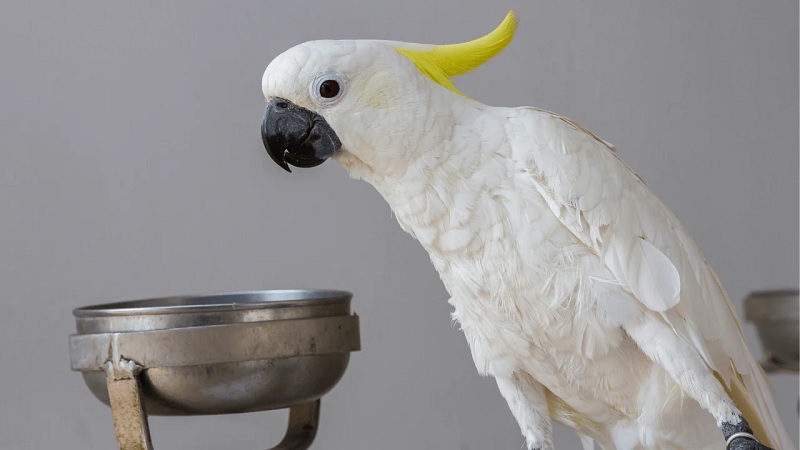
Birds have highly efficient and sensitive respiratory systems that allow them to extract more oxygen with each breath than mammals. While this makes them excellent fliers, it also makes them extremely vulnerable to airborne toxins. When certain types of non-stick cookware—especially those coated with Teflon (PTFE)—are overheated, they release fumes that are invisible, odorless, and deadly to birds. A bird can die within minutes of exposure to these toxic gases, often without any visible signs beforehand. Their small size and fast metabolism mean even minimal exposure to pollutants in the air can be fatal.
Unlike humans, birds don’t have a diaphragm. Instead, their respiratory system involves air sacs and unidirectional airflow that leaves them constantly exposed to whatever is in the air around them. This means that once harmful fumes are released in your kitchen, birds have no way to filter or expel them quickly. Ensuring safe air quality by choosing bird-safe cookware is one of the most impactful ways to protect their health.
Common Household Hazards
Aside from non-stick pans, there are several common household items and practices that can be dangerous to pet birds. Aerosol sprays, scented candles, cleaning products, and even overheated oils can release volatile organic compounds (VOCs) into the air that harm your bird’s lungs. Non-stick coatings aren’t just found in frying pans—they can also be present in rice cookers, waffle irons, sandwich presses, and other small kitchen appliances. It’s easy to overlook these sources, but they pose the same level of risk.
Other cookware materials can be hazardous too if they’re poorly made or coated with mystery finishes. Some aluminum or copper cookware may leach trace metals when scratched or overheated, which could be toxic if inhaled or ingested through steam or food residue.
Being mindful of these hazards doesn’t mean you have to stop cooking—it just means cooking smarter. Switching to bird-safe options like stainless steel, cast iron, and ceramic can significantly reduce risks while maintaining a functional kitchen. Your bird depends on a safe environment, and that includes the air they breathe every day.
Teflon and PTFE Coated Cookware
How PTFE Affects Birds
Polytetrafluoroethylene (PTFE), commonly known by the brand name Teflon, is a non-stick coating found in many modern pans and appliances. When heated above 500°F (260°C), PTFE begins to break down and release toxic fumes. These fumes can cause a condition known as PTFE toxicosis or “Teflon poisoning” in birds—a rapid and often fatal respiratory reaction. Because birds have such sensitive and efficient respiratory systems, even a few minutes of exposure can lead to sudden death.
Brands and Products to Watch Out For
Many popular brands use PTFE coatings, even if they don’t advertise it prominently. Products labeled “non-stick” often include PTFE unless they specifically state they are PTFE-free. Some cookware brands known to use PTFE include Tefal, Calphalon, Cuisinart, and even certain models from GreenPan and Ninja. It’s also important to remember that PTFE isn’t limited to frying pans—it can be found in slow cookers, rice cookers, waffle irons, toaster ovens, and even air fryers.
Non-stick Ceramic with Hidden PTFE
Some ceramic-coated cookware is marketed as “green” or “eco-friendly,” but not all of it is truly bird-safe. Certain non-stick ceramic pans may still contain PTFE or related chemicals in their bonding layers or undercoats, even if the surface looks different. Misleading labels like “PFOA-free” can give a false sense of security—while they exclude one harmful substance, they may still include PTFE. Always look for products clearly marked as PTFE- and PFOA-free and verify with the manufacturer if you’re unsure.
Aluminum Cookware with Non-stick Coating
Aluminum itself isn’t inherently toxic when used properly, but many aluminum pans are coated with non-stick surfaces containing PTFE. These coatings can flake or release fumes when scratched or overheated. Uncoated aluminum can also leach into food over time, which may pose additional risks if your bird consumes small bits of human food. If you’re using aluminum cookware, it’s safest to choose anodized or uncoated versions—and still ensure they’re free of non-stick coatings.
Safe Cookware Options for Bird Owners
If you’re a bird owner who loves to cook, choosing the right cookware is essential for maintaining a safe and healthy environment. Birds are extremely sensitive to airborne toxins, and the wrong pots or pans can put their lives at risk. Thankfully, there are several cookware materials that are not only effective in the kitchen but also safe for your feathered companions. Here are the top bird-safe cookware options you can use with confidence.

Stainless Steel
Stainless steel is one of the safest and most reliable choices for bird owners. It doesn’t emit fumes, doesn’t have any chemical coatings, and is highly durable. It’s also versatile—great for boiling, sautéing, and baking. Look for high-quality, food-grade stainless steel (like 18/10) for long-lasting performance. While stainless steel may require a bit of oil to prevent sticking, it’s a small trade-off for the peace of mind it offers.
Cast Iron
Cast iron is another bird-safe material that’s been trusted in kitchens for generations. It retains heat extremely well and, when properly seasoned, becomes naturally non-stick over time—without any synthetic chemicals. It’s important to keep cast iron well-maintained to prevent rust, and it can be a bit heavy, but its safety and durability make it a favorite among bird-loving chefs.
Glass Cookware
Glass cookware, such as Pyrex or borosilicate glass, is completely free of coatings, metals, and fumes, making it a great option for baking, roasting, or storing food. It’s non-toxic, doesn’t leach chemicals, and is easy to clean. Just be cautious with sudden temperature changes, as glass can crack or shatter if not handled properly.
Ceramic (PTFE-free Verified)
Ceramic cookware can be a good bird-safe option—but only if it’s verified PTFE- and PFOA-free. High-quality ceramic cookware is made without synthetic non-stick coatings and provides a smooth, easy-to-clean surface. Be cautious of ceramic cookware that’s only ceramic-coated, as some brands hide PTFE layers beneath. Always read labels carefully and buy from reputable manufacturers that clearly state their products are free from toxic chemicals.
Enamel-Coated Cookware
Enamel-coated cookware—typically cast iron or steel with a smooth, glass-like enamel finish—is another safe and attractive option. It’s non-reactive, easy to clean, and free of harmful coatings. Just ensure that the enamel surface is intact, as chips or cracks can expose the metal underneath. Brands like Le Creuset and Staub are known for high-quality enamel cookware.
Best Practices in a Bird-Safe Kitchen
Creating a bird-safe kitchen goes beyond just using the right cookware—it involves adopting safe habits that protect your feathered friend from exposure to dangerous fumes, chemicals, and accidents. Birds have delicate respiratory systems and small bodies that make them especially vulnerable to toxins and environmental stressors. Here are some key best practices every bird owner should follow to maintain a safe kitchen space.
Proper Ventilation
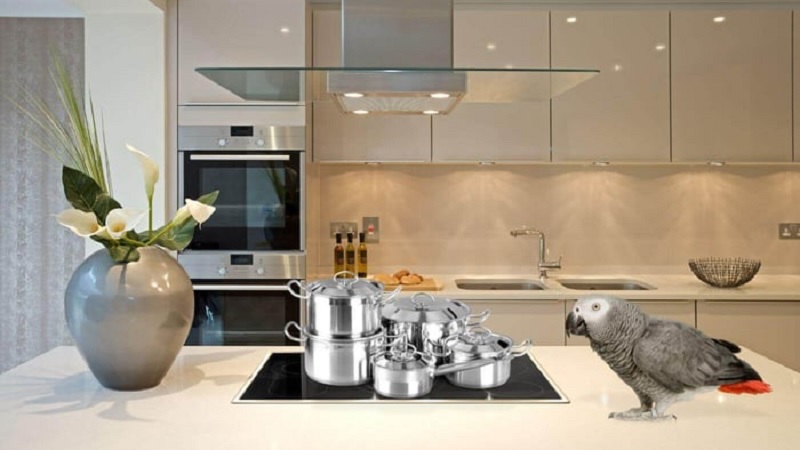
Good ventilation is one of the most effective ways to keep your kitchen bird-safe. Even with safe cookware, heat and cooking can release vapors, smoke, or odors that might irritate a bird’s lungs. Always use a strong exhaust fan or range hood that vents to the outside while cooking. Open windows when possible to allow fresh air to circulate. Consider using an air purifier with a HEPA filter to remove particulates and airborne irritants from the environment. Avoid using plug-in air fresheners or aerosol sprays—these can linger in the air and be harmful to birds.
Avoiding High-Heat Cooking
High-heat cooking is one of the main triggers for toxic fume release, especially from unsafe cookware. Overheating pans—particularly those with non-stick coatings—can cause them to emit invisible, odorless fumes that are fatal to birds. Even oils or food residues left in the pan can smoke when overheated. Stick to moderate heat settings whenever possible and never preheat pans unattended. If you’re using the oven, check that no non-stick bakeware is inside before turning it on. Slow, steady cooking not only keeps your bird safe—it often results in better-tasting food.
Keeping Birds Away from the Kitchen
As much as your bird may enjoy perching nearby while you cook, it’s best to keep them out of the kitchen altogether during meal prep. Kitchens pose numerous hazards: hot surfaces, boiling liquids, sharp utensils, open flames, and even steam can seriously injure a curious bird. Additionally, airborne toxins and temperature changes can affect your bird without warning. Designate a safe room or area for your bird to stay while cooking, and don’t return them to the kitchen until the air is fully clear. Some bird owners use a separate HEPA-filtered air purifier in the bird’s space for extra protection.
Common Myths About Cookware and Bird Safety
Many bird owners believe that as long as they don’t see smoke, their cookware is safe—but this is a dangerous myth. Teflon and other PTFE coatings can release deadly fumes long before any visible smoke appears. Another common misconception is that “PFOA-free” means bird-safe. While PFOA is harmful, cookware labeled this way can still contain PTFE, which poses the same risk to birds.
Some people also assume that non-stick ceramic is always safe; however, many ceramic-coated pans still include hidden layers of PTFE. Lastly, it’s a myth that birds can adapt to kitchen fumes over time—exposure to even small amounts of toxic vapors can be fatal. When it comes to birds, prevention is the only safe strategy.
FAQs
Is Teflon Really Dangerous For Birds?
Yes, Teflon is extremely dangerous for birds. When Teflon-coated cookware (also labeled as PTFE) is overheated, it releases odorless and invisible fumes that can kill birds within minutes. Birds have highly sensitive lungs, and even a small amount of these fumes can cause respiratory distress or sudden death. It’s best to remove all Teflon products from your kitchen if you have pet birds.
Are All Non-Stick Pans Unsafe For Birds?
Not all non-stick pans are unsafe, but many are. Most traditional non-stick pans use PTFE, which becomes toxic when overheated. Some newer pans are marketed as “ceramic” or “green,” but they may still contain PTFE unless clearly labeled otherwise. Always look for cookware that is explicitly labeled as “PTFE- and PFOA-free” to ensure it’s safe for birds.
Can I Use Aluminum Cookware Around My Bird?
Aluminum cookware is not automatically unsafe, but caution is needed. Many aluminum pans are coated with PTFE-based non-stick surfaces, which are dangerous for birds. Even bare aluminum can leach metals when scratched or overheated. If you choose aluminum cookware, make sure it’s uncoated, anodized, and free from any non-stick layers.
Is Cast Iron Safe To Use In A Bird Household?
Yes, cast iron is one of the safest options for bird owners. It contains no chemical coatings and doesn’t release fumes, even at high temperatures. With proper seasoning, cast iron becomes naturally non-stick. It’s a durable, long-lasting choice that’s ideal for a bird-safe kitchen. Just keep it well-maintained to avoid rust.
Should I Keep My Bird Out Of The Kitchen While Cooking?
Absolutely, keeping your bird out of the kitchen while cooking is highly recommended. Even with safe cookware, hot surfaces, steam, and lingering cooking fumes can pose risks. Birds are also prone to accidents from flying too close to stoves or open flames. Designate a safe, well-ventilated area for your bird during meal prep.
Conclusion
Choosing the right cookware is a crucial step in creating a safe home for your feathered friend. Birds have extremely sensitive respiratory systems, and even minor exposure to toxic fumes from common non-stick cookware can be fatal. By switching to bird-safe options like stainless steel, cast iron, glass, enamel-coated, or verified PTFE-free ceramic, you’re actively protecting your bird’s health and well-being. Beyond cookware, practicing good ventilation and keeping your bird out of the kitchen during cooking further reduces risks. Being aware and proactive may seem like a small change, but it can make a life-saving difference. Always prioritize safety, and your bird will thank you with a longer, healthier, and happier life by your side.