
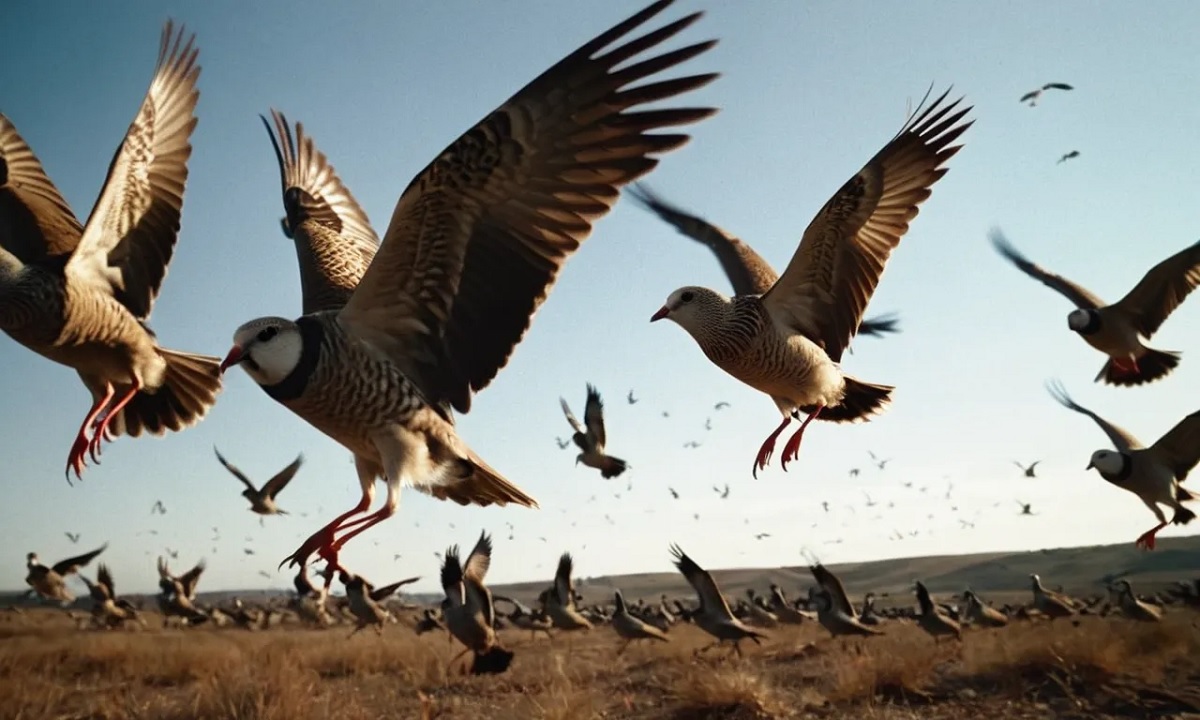
When it comes to wildlife, birds are some of the most fascinating creatures to observe, especially when they feel threatened. You might wonder, what do birds do when they are scared? Understanding their natural reactions can give us a glimpse into their survival instincts and behavior. Just like many animals, birds have evolved various ways to protect themselves from danger.
When frightened, their responses can range from subtle body language to sudden, swift actions designed to confuse or evade predators. Whether it’s freezing in place, flying away at high speed, or using alarm calls to warn others, each reaction plays a crucial role in their safety. Exploring what birds do when they are scared not only helps us appreciate their resilience but also deepens our connection to the natural world around us. In this article, we’ll dive into these behaviors and uncover the fascinating ways birds cope with fear.
Signs of Fear in Birds
Birds, like many animals, have distinct ways of showing fear. Recognizing these signs can help bird watchers, pet owners, and nature enthusiasts understand when a bird feels threatened or stressed. Fear in birds isn’t always obvious, but certain physical reactions, vocalizations, and behavioral changes are clear indicators.
Physical Reactions
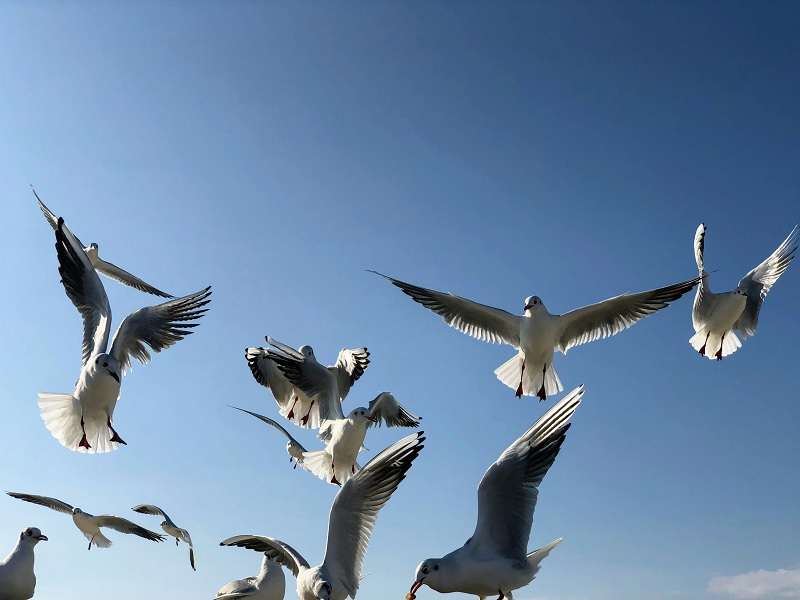
One of the most noticeable signs of fear in birds is their physical response. When a bird is scared, its body language changes dramatically. You might see a bird puffing up its feathers, making it look larger in an attempt to intimidate potential threats. Conversely, some birds may flatten their feathers tightly against their bodies to appear smaller and less noticeable. Wide eyes with dilated pupils are another common physical reaction, showing heightened alertness. Birds may also stretch their necks out or hold their wings slightly away from their bodies, ready to take flight at a moment’s notice. These physical cues serve as early warnings that a bird is uncomfortable or scared.
Vocalizations and Sounds
Birds use sounds to communicate fear and distress. When scared, many birds emit sharp, high-pitched calls or alarm calls designed to warn other birds nearby. These vocalizations can vary widely between species but often have a frantic or repetitive tone. Some birds may also hiss or make growling sounds, especially parrots and larger birds, as a defensive warning. Sudden silence can also be a sign of fear—birds sometimes stop singing or chirping to avoid attracting attention when they sense danger. Paying attention to these changes in vocal behavior is a great way to detect when a bird is scared.
Behavioral Changes
Fear often causes noticeable changes in a bird’s behavior. A scared bird may suddenly freeze, holding very still to avoid detection. This “freeze” response is a common survival tactic. Alternatively, some birds might try to escape by rapidly flying away or darting into nearby cover. In pet birds, fear can lead to aggressive behavior such as biting or lunging to protect themselves.
Additionally, a bird that normally interacts or feeds regularly might withdraw and become unresponsive when frightened. Repetitive movements like pacing or head bobbing can also be signs of stress linked to fear. Observing these behavioral shifts helps in understanding a bird’s emotional state and responding appropriately.
Common Fear Responses in Birds
Birds have evolved a variety of strategies to cope with fear and danger. Their responses are instinctive survival mechanisms that help them avoid predators, protect themselves, and increase their chances of staying safe. When faced with a threat, birds exhibit several common fear responses that are easy to recognize if you know what to look for. Understanding these behaviors not only deepens our appreciation for birds but also helps us interact with them more respectfully and safely. Let’s explore the most typical fear responses birds show.
Flight Response (Flying Away)
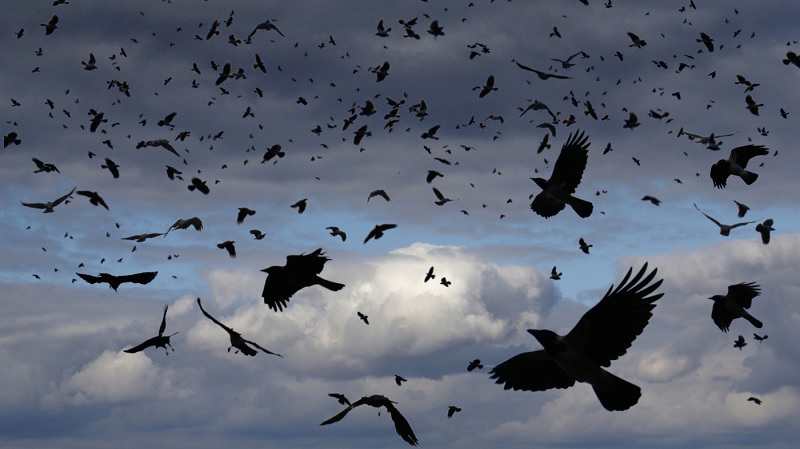
One of the most well-known and instinctive fear responses in birds is the flight response — literally flying away from danger. When a bird senses a threat, it quickly assesses the situation and often chooses to take off and escape. This reaction is driven by their natural survival instinct to avoid confrontation and seek safety in a different location. Flight allows birds to put distance between themselves and predators or perceived dangers.
This response is often very sudden and rapid, with birds taking off in swift, sometimes erratic patterns to confuse pursuers. They may fly to higher branches, dense foliage, or distant trees where they feel more secure. Even small birds with fragile builds rely heavily on flight as their primary defense mechanism. In fact, when you see a flock of birds suddenly take off all at once, it’s usually a clear sign that something nearby has startled them.
Freezing or Staying Still
While flying away is common, some birds adopt a very different strategy when scared: freezing or staying completely still. This response helps them avoid detection by predators or threats that rely on movement to spot prey. When a bird freezes, it often tucks its body close to the ground or perches quietly, holding its breath and minimizing all movement.
This behavior can be especially useful in environments where fleeing might expose the bird to more danger, such as open fields or areas with limited cover. By staying still, the bird blends into its surroundings, using camouflage and patience to avoid becoming a target. This freeze response is common in many wild birds and is a survival tactic that helps them evade predators that rely on sight.
Aggressive Behavior
Though many birds rely on flight or freezing, some respond to fear with aggression, especially when they feel cornered or unable to escape. Aggressive behavior can include hissing, lunging, biting, wing flapping, or loud vocalizations meant to intimidate the threat. This type of response is more commonly seen in pet birds like parrots, or larger wild birds such as crows or hawks, which may defend their nests or territory fiercely.
Aggression as a fear response is a last resort, often triggered when a bird perceives that fleeing isn’t an option. It’s a way for birds to protect themselves by making the threat think twice before approaching further. Understanding this behavior is important for pet owners and bird watchers alike, as it indicates stress and the need for space and calm.
Hiding or Seeking Shelter
Another common response to fear is hiding or seeking shelter. Birds instinctively look for safe spots where they can take cover from danger. This might mean darting into thick bushes, squeezing into tree cavities, or slipping under leaves and branches. Birds rely heavily on their environment to provide natural shelters that keep them out of sight.
In urban or suburban settings, birds may seek shelter under eaves, in nest boxes, or even inside man-made structures. Hiding is an effective strategy because it removes the bird from direct exposure to predators or disturbances. When a bird suddenly disappears from view, chances are it has gone into hiding to wait out the threat.
Feather Puffing and Posture Changes
Feather puffing and changes in posture are subtle but important signs that a bird is feeling scared or threatened. When frightened, birds often puff up their feathers to appear larger and more intimidating to potential predators. This makes them seem more formidable and less easy to attack.
Alongside puffing, birds may alter their posture — such as lowering their head, spreading their wings slightly, or crouching. These changes can signal readiness to either defend themselves or take flight. Feather puffing is a versatile response because it can serve both as a warning and as a way to regulate body temperature during stressful situations.
How Different Bird Species Show Fear
Fear responses in birds vary widely across species, shaped by their unique environments, predators, and behaviors. While many reactions like flying away or freezing are common, the way these behaviors manifest can differ significantly between types of birds. Understanding how different bird species show fear gives us valuable insight into their survival tactics and natural instincts. Here’s a closer look at how fear appears in some of the most common bird groups.
Small Songbirds
Small songbirds such as sparrows, finches, and warblers are often very alert and quick to respond to threats. When scared, these tiny birds usually rely heavily on their flight response, darting away quickly and erratically to confuse predators. Their small size makes them vulnerable, so rapid takeoff and quick maneuvers through dense vegetation are their best defense.
In addition to flying away, small songbirds may freeze in place when they sense danger nearby, blending into their surroundings with stillness and silence. You might also notice them flicking their wings nervously or giving soft alarm chirps to alert nearby birds. Since they often forage in open or semi-open spaces, staying still or quickly fleeing are effective strategies for evading predators.
Raptors and Birds of Prey
Raptors such as hawks, eagles, and owls show fear differently due to their position as predators themselves. Although they are less frequently threatened by other animals, they still respond to danger, especially when nesting or confronted by larger threats.
When scared, raptors may exhibit aggressive behavior to defend themselves or their young, including loud screeches, wing displays, or striking with their talons. They also rely on keen eyesight to assess threats and can take swift flight if needed. Unlike smaller birds, raptors often choose intimidation over immediate escape, using their size and strength to ward off danger. However, if the threat is too great, they will also retreat to safer locations or higher perches.
Parrots and Exotic Birds
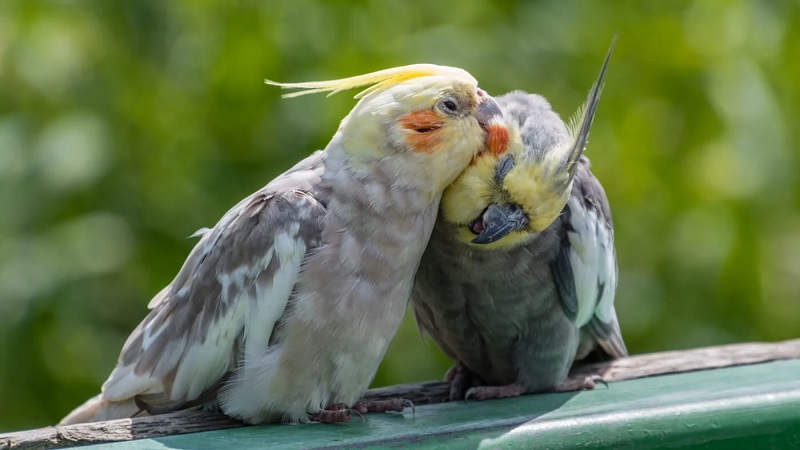
Parrots and other exotic birds—such as macaws, cockatoos, and conures—have highly social and intelligent behaviors, which influence their fear responses. These birds often express fear through vocalizations like loud squawks, screams, or alarm calls, which serve to warn other birds and deter threats.
When frightened, parrots may also puff up their feathers to appear larger, hiss, or bite as defensive actions. Their aggression can be quite pronounced if they feel cornered or stressed. In captive settings, pet parrots might show fear by flapping their wings rapidly, pacing in their cages, or hiding in corners. Because they are highly sensitive, subtle changes in their environment can trigger these fear responses.
Waterfowl and Shorebirds
Waterfowl, such as ducks and geese, along with shorebirds like sandpipers and plovers, rely on a mix of flight and hiding to manage fear. When threatened, many waterfowl will take off in loud, rapid flights, often in groups, to confuse predators and escape quickly.
On the ground or near water, they may also freeze or crouch low to blend into their surroundings, especially in tall grasses or reeds. Shorebirds, which often forage in open areas, are very alert and quick to run or fly away at the first sign of danger. They may also use alarm calls to signal nearby birds.
Interestingly, some waterfowl exhibit a “distraction display,” where a bird pretends to be injured to lure predators away from their nests or young. This clever behavior highlights the diverse ways fear responses have adapted to fit each species’ needs.
Causes of Fear in Birds
Birds experience fear for many reasons, much like other animals. Their survival depends on being alert to potential dangers, which triggers natural fear responses. Understanding what causes fear in birds helps us better appreciate their behavior and minimize stress, especially if you’re a bird watcher, pet owner, or conservationist. Here are some of the most common causes of fear in birds.
Predators
One of the primary causes of fear in birds is the presence of predators. Birds are prey for a variety of animals, including hawks, cats, snakes, and larger mammals. The sight, sound, or even scent of a predator can instantly trigger a bird’s fear response. For many species, this means immediate flight or hiding to avoid becoming prey. Birds are highly tuned to recognize common predators in their environment, and their survival instincts are constantly on alert to any signs of danger.
Loud Noises and Sudden Movements
Unexpected loud noises or sudden movements can also cause fear in birds. Because birds rely heavily on their acute senses to detect threats, sounds like thunderstorms, fireworks, or nearby construction can startle them. Sudden movements — whether from people, vehicles, or other animals — may be perceived as threats, causing birds to become anxious or take flight. Even something as simple as a shadow moving quickly can trigger a fear reaction, as birds interpret this as a possible predator approaching.
Human Interaction
Human interaction is another significant cause of fear in birds. While some birds become accustomed to humans, many remain wary and perceive close human presence as a threat. Activities like approaching nests, loud talking, or sudden attempts to catch birds can cause stress and fear. Pet birds, in particular, can become fearful due to unfamiliar handling or loud household noises. Responsible human behavior, such as giving birds space and avoiding sudden moves, can reduce their fear and help build trust over time.
Environmental Changes
Changes in the environment can unsettle birds and trigger fear responses. Habitat destruction, deforestation, or urban development can disrupt their natural homes and routines. New objects or structures, changes in vegetation, or even seasonal changes can make birds wary and fearful. Sudden changes can also make it harder for birds to find food or shelter, increasing their stress levels. Protecting and maintaining stable environments is crucial for minimizing fear and helping birds thrive.
How to Help a Scared Bird
When birds feel scared, their stress levels can rise quickly, affecting their health and behavior. Whether you’re caring for a pet bird or helping a wild bird recover, knowing how to comfort and support a frightened bird is important. By creating a safe space and using gentle methods, you can help a scared bird feel calmer and more secure. Here are some effective ways to help.
Creating a Safe Environment
The first step in helping a scared bird is to provide a safe, quiet environment. For pet birds, this means placing their cage in a calm area away from loud noises, direct sunlight, and heavy foot traffic. Make sure the space is free from sudden movements or pets that might startle them. For wild birds, if you’re nursing an injured or scared bird, a quiet, enclosed space like a small box with air holes works well to keep them safe from predators and stress.
A secure environment gives birds a chance to relax and feel protected, which is essential for reducing fear and promoting recovery.
Minimizing Stress Triggers
Reducing the things that cause stress is key to helping a scared bird. Avoid loud noises like music, television, or shouting near the bird. Keep movements slow and deliberate to avoid startling them. If you’re handling a bird, avoid sudden or quick gestures that may increase their fear.
In a natural setting, minimizing human activity and disturbances around nesting areas or feeding spots can help birds regain their confidence. Offering familiar food and water in a consistent spot also provides comfort and reassurance.
Handling Scared Birds Gently
If you need to handle a scared bird, it’s important to do so gently and calmly. Use slow, deliberate movements, and speak softly to avoid adding to their stress. Support their body securely but without squeezing, giving them a sense of safety.
For pet birds, regular gentle handling can build trust over time, but it should always be done with patience and care. Avoid forcing interaction, especially if the bird shows signs of extreme fear or aggression.
Using Calming Techniques
Several calming techniques can help soothe a scared bird. Soft, consistent talking or humming can reassure a bird that they are safe. Playing gentle, calming music or natural sounds like rain or forest noises can create a peaceful atmosphere.
Some birds also respond well to gentle petting or stroking on their favorite spots, such as under the chin or behind the head, but only if they are comfortable with touch. Using natural herbs or sprays, like chamomile or lavender (specifically designed for birds), can sometimes help reduce anxiety as well.
Frequently Asked Questions
How Can You Tell If A Bird Is Scared?
You can often tell if a bird is scared by observing its body language and behavior. Look for signs such as wide, alert eyes, puffed-up feathers, rapid or erratic movements, and sudden silence or alarm calls. A scared bird may also freeze in place or try to quickly fly away. In pet birds, fear can manifest as aggressive behavior, like biting or loud vocalizations. Paying attention to these signs helps you understand the bird’s emotional state and respond appropriately.
Why Do Birds Freeze When They Are Scared?
Birds freeze when scared as a defense mechanism to avoid being detected by predators. Movement attracts attention, so by staying completely still, birds blend into their surroundings, making it harder for predators to spot them. This freezing behavior is especially common in small songbirds and ground-nesting species where escape options might be limited. It’s a survival tactic that relies on patience and camouflage rather than flight.
What Does It Mean When A Bird Puffs Up Its Feathers?
When a bird puffs up its feathers, it is often trying to appear larger and more intimidating to scare off predators or threats. Puffing up also serves other purposes, like keeping warm or showing contentment, but in fearful situations, it’s a clear sign the bird feels threatened. Combined with other defensive behaviors, puffing feathers can help a bird protect itself by making it look less vulnerable.
How Do Birds Use Vocalizations When They Are Scared?
Birds use vocalizations, such as alarm calls, squawks, or repetitive distress sounds, to communicate fear and alert other birds of danger. These vocal signals help warn nearby birds to stay alert or flee, increasing the safety of the group. Some species have specific calls that are uniquely designed to indicate different types of threats, while others may become unusually quiet to avoid drawing attention when scared.
Can Human Interaction Cause Fear In Birds?
Yes, human interaction can cause fear in birds, especially if it is sudden, loud, or invasive. Birds may perceive close human presence as a threat, leading them to flee, hide, or become aggressive. Pet birds, in particular, can develop fear if handled roughly or if their environment is noisy and unpredictable. To minimize fear, approach birds calmly and respectfully, avoid sudden movements, and allow them space to feel safe.
Conclusion
When birds feel scared, their natural instincts kick in to protect themselves from danger. Whether it’s flying away swiftly, freezing to stay hidden, puffing up feathers to appear larger, or vocalizing alarm calls, each response plays a crucial role in their survival. Different species display fear in unique ways, but the goal is always to stay safe and avoid threats.
Understanding these behaviors helps us appreciate how sensitive and adaptable birds are to their environment. Whether you’re observing wild birds or caring for a pet, recognizing signs of fear allows you to respond with patience and care, ensuring their well-being. Ultimately, knowing what birds do when they are scared deepens our connection with these remarkable creatures and supports their protection in the world around us.