
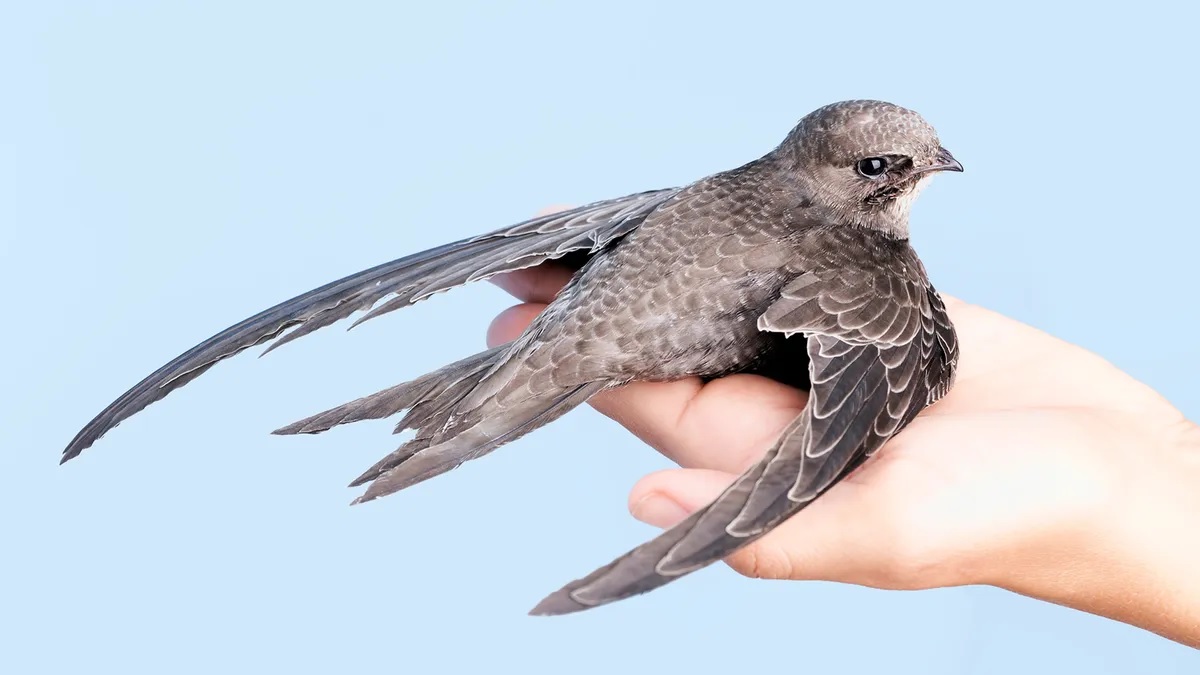
What does it mean when a bird lands on you? It’s a question that sparks curiosity and wonder, as such an experience feels both rare and meaningful. Birds are often seen as symbols of freedom, spirituality, and connection to nature, so when one chooses to land on a person, it can feel like a special moment. People have long associated these encounters with signs or messages—some see them as good luck, others as a spiritual nudge or a reminder to slow down and appreciate the present.
But beyond superstition, there’s also a simple, real-world side to this: birds might land on people out of curiosity, comfort, or because they feel safe. In this article, we’ll explore the different interpretations and reasons behind this fascinating question—what does it mean when a bird lands on you—and help you understand the possible meanings and feelings tied to this unique and unexpected experience.
Common Interpretations of a Bird Landing on You
When a bird unexpectedly lands on you, it can feel like a moment filled with deeper meaning. Across different cultures and belief systems, such encounters are often seen as symbolic or spiritual signs. Let’s explore some of the most common interpretations, from spiritual symbolism to cultural folklore and even psychological perspectives.

Spiritual and Symbolic Meanings
In many spiritual traditions, birds are viewed as messengers between the earthly world and the spiritual realm. When a bird lands on you, it is often interpreted as a sign that you are being watched over or guided by a higher power. Some believe this gentle visit indicates protection, encouragement, or a message from a loved one who has passed away. The type of bird can also influence the meaning: for example, a dove often symbolizes peace and hope, while a crow might represent transformation or a warning to pay attention.
Beyond specific messages, this encounter can symbolize freedom, new beginnings, or personal growth. It reminds us to stay open to the signs around us and to trust in the journey we’re on, especially when life feels uncertain.
Cultural Beliefs and Folklore
Many cultures have unique stories and beliefs about birds landing on people. In some Native American traditions, a bird’s visit is considered a blessing, signaling harmony with nature and the spirit world. Meanwhile, in parts of Europe, a bird landing on the shoulder is sometimes seen as a sign of good fortune or an upcoming change.
In contrast, some folklore warns that certain birds landing on you could be an omen. For instance, a black bird’s visit might be interpreted as a caution to be wary or to prepare for challenges ahead. These cultural perspectives add layers of meaning, often passed down through generations, shaping how we interpret these rare moments.
Psychological Perspectives
From a psychological standpoint, the experience of a bird landing on you can have a calming and grounding effect. It may bring a moment of mindfulness, drawing your attention away from stress and into the present. Humans tend to look for patterns and meaning in their experiences—a concept known as apophenia—which can explain why such encounters feel significant.
Types of Birds and Their Specific Meanings
When a bird lands on you, the species and its characteristics often add layers of meaning to the experience. Different birds carry unique symbolism and cultural associations, which can influence how you interpret the encounter. Let’s dive into some common types of birds and the specific meanings often linked to them.

Small Birds
Small birds like sparrows and finches are frequently seen as symbols of simplicity, joy, and community. When a tiny bird lands on you, it’s often interpreted as a gentle reminder to appreciate life’s small pleasures and to find happiness in everyday moments. Sparrows, in particular, are known for their resilience despite their size, symbolizing hope and determination. Finches, with their cheerful songs and bright colors, can represent creativity and playfulness. A visit from these little birds might suggest that you focus on nurturing relationships or finding comfort in your surroundings.
Larger Birds
Larger birds tend to carry more intense and complex symbolism. Crows, for example, are often connected to mystery, intelligence, and transformation. A crow landing on you might indicate that change is on the horizon or that you should pay attention to your intuition and hidden truths. Hawks, on the other hand, are powerful symbols of vision, focus, and strength. If a hawk lands near or on you, it can be a message to stay alert and trust your instincts, especially when facing challenges. These birds embody courage and awareness, urging you to look beyond the surface.
Color Significance
The color of the bird can also greatly influence its meaning. White birds, such as doves or white pigeons, are universally recognized as symbols of peace, purity, and spiritual guidance. A white bird landing on you is often seen as a sign of hope, healing, or a message from the divine. In contrast, black birds like ravens and blackbirds often represent mystery, protection, and transformation. While some may associate black birds with ominous warnings, many cultures view them as guardians or messengers of profound change.
Colorful birds, such as blue jays or cardinals, bring vibrancy and energy to their symbolism. Cardinals, with their bright red feathers, often symbolize vitality, love, and the presence of a departed loved one. Blue jays might suggest clarity and communication, encouraging you to express yourself honestly.
Scientific Explanations
While many people find deep meaning when a bird lands on them, science offers practical reasons for why these encounters happen. Understanding the natural behaviors and environmental influences behind birds’ actions can provide a balanced perspective on this intriguing experience.

Bird Behavior and Curiosity
Birds are naturally curious creatures, especially smaller species like sparrows and finches. They often explore their surroundings to find food, shelter, or new places to perch. If a bird lands on you, it may simply be investigating something interesting or safe. Birds can also become accustomed to human presence, especially in areas where people regularly feed them or interact gently with wildlife. This curiosity can sometimes lead to birds landing on people, particularly if they sense calmness and lack of threat.
Additionally, birds may land on humans to take a break during flight or to warm themselves, especially in cooler weather. Their instincts drive them to seek convenient spots for rest, and an open hand or shoulder can seem like a perfect landing pad.
Environmental Factors
Environmental conditions also play a significant role in bird behavior. In urban or suburban areas where natural habitats are limited, birds might be more comfortable around humans due to frequent exposure. Parks, gardens, and backyards often become common places for birds to forage, making human encounters more likely.
Seasonal changes can also influence birds’ actions. During migration or breeding seasons, birds may be more active or less wary, increasing the chance of landing on people. Weather conditions, such as wind or rain, may encourage birds to seek shelter temporarily on a person if they find them still and calm.
Human Interaction and Conditioning
Human behavior can directly impact how birds interact with us. Birds in places where people feed them regularly tend to lose some of their natural fear of humans. This conditioning makes them bolder and more likely to approach or even land on a person expecting food or safety.
Over time, these interactions build trust between humans and birds, leading to more frequent close encounters. This phenomenon is often observed in birdwatching communities or areas where people routinely engage with local wildlife. In some cases, birds may even recognize specific individuals who have shown kindness or provided food.
Personal and Emotional Significance
Beyond symbolism and science, when a bird lands on you, it often carries deep personal and emotional meaning. For many people, it feels like more than just a random event—it can spark introspection, hope, and even healing. These moments can leave a lasting impression, offering comfort or clarity at just the right time.
Signs of Good Luck or Positive Change
One of the most common interpretations is that a bird landing on you is a sign of good luck or positive change. People often see it as a gentle nudge from the universe that something good is coming their way. Whether it’s a new opportunity, a shift in mindset, or a moment of clarity, this kind of encounter can feel like a small blessing. It’s not uncommon for people to remember such events for years, especially if it occurred during a difficult time or just before a significant life change.
The unexpected nature of the experience can create a sense of wonder and optimism—reminding us that good things often come when we least expect them.
Messages of Comfort or Guidance
For others, a bird landing on them may feel like a personal message—especially in times of grief, confusion, or stress. Many people believe that birds can act as messengers from loved ones who have passed away or as signs from the spiritual world. In those moments, the bird’s presence may bring a sense of peace, comfort, or reassurance.
Even for those who don’t hold spiritual beliefs, the event can still feel meaningful. It might be a reminder to slow down, trust your path, or listen more closely to your inner voice. In this way, the bird becomes a symbol of guidance, offering support without saying a word.
Connection to Nature and Mindfulness
Emotionally, having a bird land on you can create a powerful sense of connection—to nature, to the present moment, and to yourself. These encounters often happen when you’re still, calm, or simply taking a quiet moment outdoors. That peaceful setting enhances the emotional impact, allowing you to fully appreciate the beauty and simplicity of the experience.
How to Respond When a Bird Lands on You
When a bird lands on you, it can be surprising, magical, or even a little startling. Whether you view the moment as symbolic, spiritual, or simply curious, how you respond can shape the experience—for you and for the bird. Here’s how to handle the situation thoughtfully and meaningfully.
Staying Calm and Respectful
First and foremost, try to stay calm. Sudden movements may scare the bird or cause unnecessary stress for both of you. Birds are sensitive creatures, and if they feel threatened, they’ll fly off quickly. By staying still and quiet, you create a safe space for the bird, even if only for a few seconds.
Avoid trying to touch, grab, or trap the bird. Instead, allow it to rest briefly if it chooses, then leave when it’s ready. This respectful approach shows appreciation for the rarity and beauty of the moment. In some cases, the bird may be tired or disoriented, especially if it’s during migration season or poor weather. Your stillness may be exactly what it needs.
What to Do Next
Once the bird flies away, take a moment to check yourself for any droppings or feathers—yes, it’s okay to be practical, too! But more importantly, consider how you felt during and after the experience. If the bird seemed distressed, take note of its behavior. If it appeared injured or disoriented and didn’t fly off after a while, you might want to contact a local wildlife rescue or bird expert for advice.
If you’re in a public place, others might also be curious or concerned, so offering a calm explanation or sharing the moment can turn it into a positive, shared experience.
Reflecting on the Experience
After the moment has passed, reflect on what it meant to you personally. How did you feel? What was going on in your life at the time? Did the encounter bring a sense of peace, hope, or surprise?
Even if you don’t subscribe to symbolic or spiritual interpretations, it’s worth acknowledging how rare and gentle an experience it is. Nature doesn’t often reach out to us so directly. Whether it’s a sign, a coincidence, or simply an interaction with a curious creature, taking time to reflect can help you appreciate the uniqueness of the moment.
Frequently Asked Questions
What Does It Mean When A Bird Lands On You?
When a bird lands on you, many believe it carries symbolic or spiritual meaning. It can be seen as a sign of good luck, a message from a loved one who has passed, or a spiritual nudge toward mindfulness and presence. Spiritually, birds are often seen as messengers between realms, and this interaction may reflect guidance, protection, or a positive shift in your life. However, it can also be a natural behavior based on the bird’s curiosity or comfort in human environments.
Is It Good Luck If A Bird Lands On You?
Yes, many cultures and belief systems view a bird landing on you as a sign of good luck. It’s often associated with upcoming positive changes, personal growth, or a fortunate event in the near future. People often feel uplifted or hopeful after such an experience, especially when it happens unexpectedly. While interpretations can vary, the event is generally seen as a positive omen.
Can A Bird Landing On You Be A Spiritual Sign?
Absolutely. A bird landing on you is commonly viewed as a spiritual sign. Some believe it’s a message from the universe, angels, or even a deceased loved one. It could be offering reassurance, encouragement, or guidance. The type of bird also plays a role—doves, for instance, are often linked with peace and divine presence, while cardinals are seen as signs of a visiting spirit or loved one.
Why Would A Bird Land On A Person?
Birds may land on people out of curiosity, hunger, or the search for a safe resting spot. In environments where birds are regularly fed or have frequent contact with humans, they can become more trusting. Calm and still individuals are more likely to have a bird land on them, especially if they are holding food or standing near a bird-friendly area like a garden or park.
What Should You Do When A Bird Lands On You?
The best thing to do is stay calm and still. Sudden movements can scare the bird and cause it to fly away. Let the bird rest briefly if it chooses, and allow it to leave on its own. Avoid trying to pet or trap it. After the bird flies away, take a moment to reflect on the experience—it may hold personal or emotional significance for you.
Do Different Birds Have Different Meanings When They Land On You?
Yes, different birds carry different symbolic meanings. For example, sparrows often represent joy and resilience, cardinals may symbolize love or spiritual presence, while crows and ravens can signify transformation or insight. White birds often represent peace and purity, while colorful birds may symbolize energy, creativity, or change. The species and color of the bird can add depth to the interpretation of the experience.
Conclusion
When a bird lands on you, it can be a rare and meaningful experience—one that blends nature, emotion, and personal interpretation. Whether you view it as a sign of good luck, a spiritual message, or simply the result of a bird’s curiosity, the moment often leaves a lasting impression.
From cultural beliefs to scientific explanations, there’s no single answer, but rather a variety of perspectives to consider. What truly matters is how the encounter made you feel and what it may represent in your life at that moment. So next time a bird chooses you as a perch, pause, reflect, and embrace the beauty of the connection.