
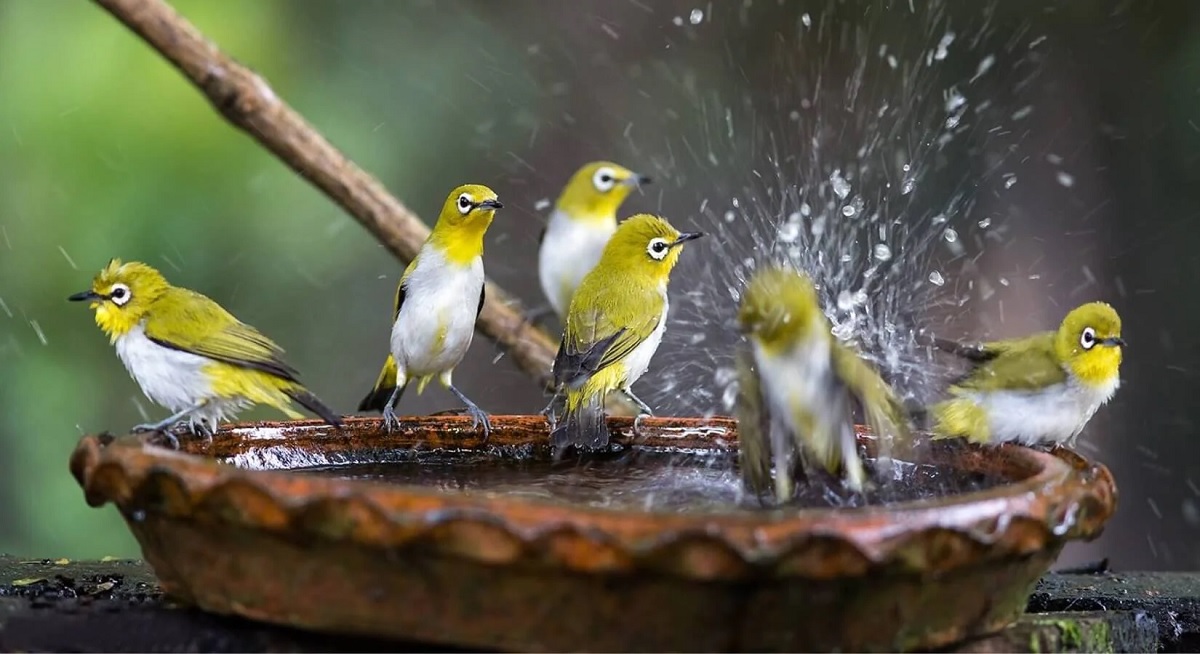
What does it mean when a lot of birds are in your yard? It’s a question many people ask after noticing an unusual number of birds gathering outside their home. The sight can be peaceful, curious, or even a little mysterious. Birds don’t just show up randomly — their presence often has meaning tied to food sources, shelter, seasonal behavior, or even changes in the weather. Sometimes, it’s a sign that your yard offers a safe haven with plenty of trees, water, or feeders.
Other times, it could be linked to migration patterns or breeding seasons that draw flocks to certain areas. Some cultures and beliefs also see large gatherings of birds as carrying spiritual or symbolic messages. Understanding their behavior helps you connect more deeply with nature and may even guide how you care for your outdoor space. So let’s explore what does it mean when a lot of birds are in your yard.
Common Reasons Birds Flock to Your Yard
Understanding why birds gather in your yard can turn curiosity into a rewarding connection with nature. Their presence is rarely random—certain elements in your outdoor space may be inviting them in more than you realize.
Availability of Food Sources
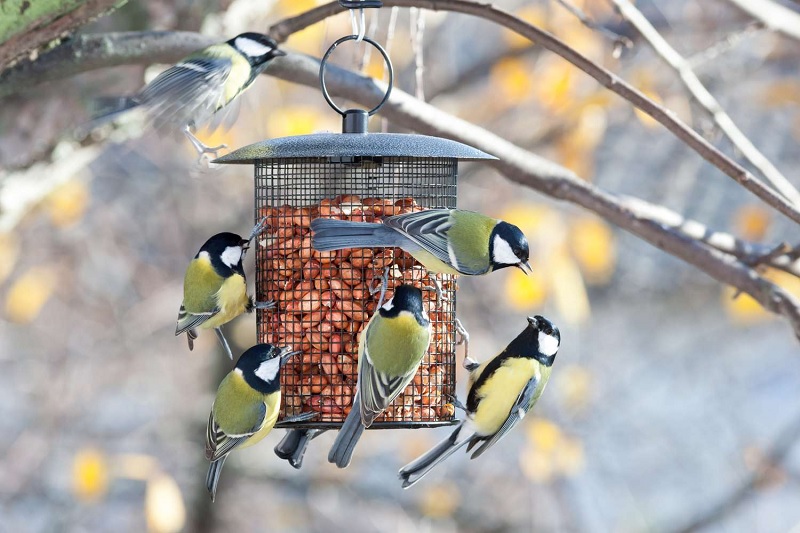
One of the most obvious reasons birds flock to a yard is the promise of food. If you have bird feeders, fruit-bearing trees, flowering plants, or even insects crawling around, your yard becomes a buffet for birds. Seeds, berries, nectar, and bugs all attract different species. For example, finches love sunflower seeds, while hummingbirds are drawn to bright flowers or sugar water. A consistent, reliable food source can turn your yard into a regular stop for local and migrating birds alike.
Presence of Water
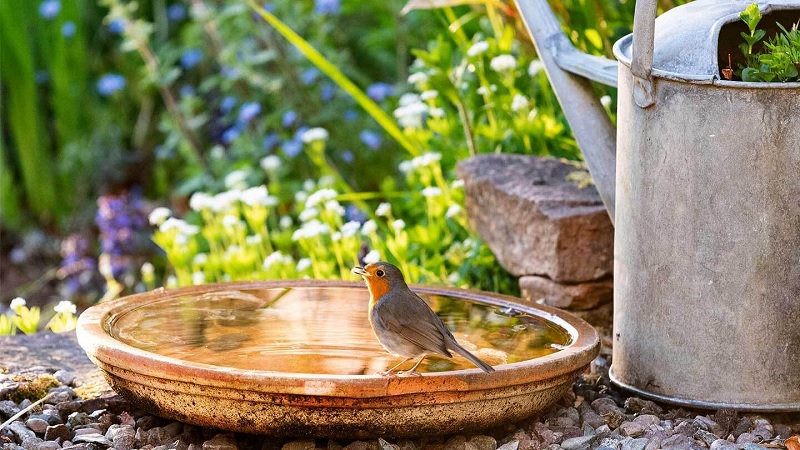
Water is essential for birds not just for drinking, but also for bathing. A birdbath, small pond, or even a shallow dish can quickly catch their attention. Moving water—like a fountain or dripper—is especially appealing, as birds are more likely to notice the sound and shine of flowing water. The more natural and clean the water source, the more likely birds will return regularly.
Shelter and Nesting Areas
Birds look for safe places to rest, hide from predators, and raise their young. Thick shrubs, tall trees, hedges, and even man-made birdhouses offer shelter and potential nesting sites. If your yard provides varied heights and dense cover, it creates a layered habitat that feels secure to birds. Some species even prefer specific types of trees or structures for nesting, so the natural features in your yard can play a big role in attracting them.
Seasonal Migration Patterns
Bird migration plays a major role in why your yard may suddenly become full of bird activity. During spring and fall, many species travel long distances and make temporary stops along the way. If your yard lies along a migration route and offers essential resources like food, water, and shelter, it becomes a valuable rest stop for tired birds. These seasonal visits often bring in rare or unexpected species, making migration times especially exciting for birdwatchers.
Spiritual and Symbolic Interpretations
While birds in your yard can often be explained by natural factors, many people also see their presence as holding deeper meaning. Throughout history, birds have been associated with spiritual messages, signs from beyond, and powerful symbols across various cultures. These interpretations can add a layer of wonder and emotional connection when you notice a sudden increase in bird activity around your home.
Birds as Messengers
In many belief systems, birds are seen as messengers between the physical world and the spiritual realm. Their ability to fly and travel great distances gives them an almost magical quality. Some interpret a flock of birds as a sign of change, a reminder to pay attention to your surroundings, or even a message from a loved one who has passed away. The direction they fly, the way they behave, or the time they appear can all carry symbolic weight, depending on personal or cultural beliefs.
Cultural and Religious Symbolism
Different cultures attach different meanings to birds. In Christianity, for example, doves represent peace and the Holy Spirit. In Native American traditions, birds like eagles and hawks are revered as sacred beings that bring strength and clarity. In Eastern cultures, cranes symbolize longevity and good fortune. The appearance of birds in your yard may align with these beliefs, serving as symbols of guidance, blessings, or protection. Some people take repeated bird sightings as affirmations during difficult times or transitions.
Interpretations by Bird Species
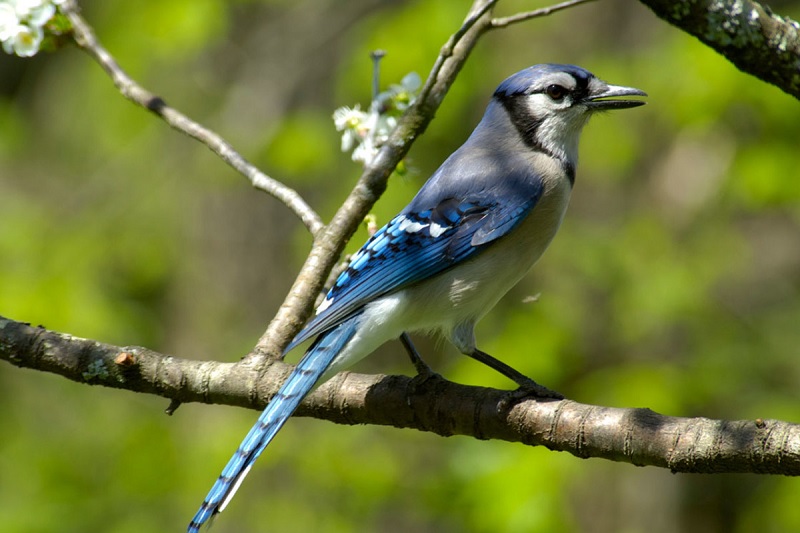
The meaning often changes depending on the type of bird visiting your yard. For instance, a cardinal is commonly viewed as a sign that a deceased loved one is near, especially in North American folklore. Blue jays may represent resilience or assertiveness.
Owls are often linked with wisdom but also mystery or warnings. Crows and ravens, frequently misunderstood, can symbolize transformation or the uncovering of hidden truths. The specific bird species can offer more personalized symbolic meaning, especially when their visit feels unusual or significant.
Environmental and Ecological Factors
Sometimes the reason birds flock to your yard goes beyond what’s immediately visible. Environmental and ecological factors often influence bird behavior on a broader scale. Changes in habitat, weather conditions, and even nearby development can all lead to an increase in bird activity around your home. Understanding these elements can give you a more complete picture of why your yard has become a busy spot for feathered visitors.
Habitat Changes
When natural habitats are disrupted—whether due to deforestation, wildfires, or human activity—birds are forced to find new areas for food, shelter, and nesting. Your yard may become a temporary refuge if it offers a safe, resource-rich environment. Even small changes in nearby wooded areas or open fields can lead birds to explore residential neighborhoods. If your space has trees, shrubs, or open lawn, it may mimic the features they’ve lost, drawing more birds than usual.
Weather-Related Behavior
Weather patterns play a major role in bird movement and behavior. Sudden drops in temperature, storms, or extreme heat can drive birds to seek more comfortable or safer conditions. Your yard might provide warmth, shade, or shelter during unstable weather. Rain or snow can also affect their feeding patterns, prompting them to visit areas where food and water are easier to access. During harsh winters or hot summers, birds become more reliant on human-made environments for survival.
Impact of Nearby Urban or Rural Development
Construction and expansion—whether in cities or rural areas—can disturb ecosystems and push birds out of their usual territories. As buildings replace green spaces, birds are forced to relocate and adapt. If development is happening nearby, birds might move closer to quieter areas like residential yards that still offer some natural features. Additionally, landscaping choices in newer neighborhoods—such as planting native trees and creating green corridors—can unintentionally invite more birds into the area.
These ecological shifts often happen gradually, but the impact on bird behavior can be immediate. Noticing a sudden rise in bird numbers could be the result of broader environmental stressors beyond your control. Being aware of these factors helps you understand that your yard might not just be attractive—it might be one of the few remaining safe havens nearby.
Should You Be Concerned?
Noticing a sudden surge of birds in your yard can be fascinating, but it may also raise some questions. Is this natural? Could it signal a problem? While most bird activity is completely harmless and even beneficial, it’s important to know when to enjoy the view and when it might be worth looking closer. Here’s how to tell the difference.
Normal vs. Unusual Behavior
Birds gather for all sorts of normal reasons—feeding, migration, shelter, or weather-related rest. If the birds are coming and going peacefully, feeding, chirping, and flying as expected, it’s likely nothing to worry about. However, if you start noticing strange behavior—such as birds flying erratically, crashing into windows repeatedly, or lingering in unusually large numbers for long periods—it could point to an environmental issue or confusion caused by changes in the surroundings.
Keep in mind that migration seasons, especially in spring and fall, naturally bring more birds to residential areas. These spikes in activity are short-lived and usually no cause for concern.
Signs of Disease or Overpopulation
Sometimes, an unusually high concentration of birds can lead to or result from disease outbreaks or overpopulation. If you notice birds looking lethargic, puffed up, moving slowly, or showing signs of physical distress like crusty eyes or discolored feathers, they could be ill. Large flocks in tight spaces also increase the risk of disease spreading, especially around feeders or birdbaths that aren’t cleaned regularly.
Overpopulation can also lead to aggressive behavior among birds, excessive droppings, or damaged vegetation in your yard. If the balance seems off, it may be worth reevaluating how much food or shelter you’re providing and whether it’s attracting more birds than your space can support.
When to Call a Wildlife Expert
Most of the time, bird visitors don’t require intervention. However, there are certain situations when it’s wise to contact a local wildlife expert or bird rescue organization. For instance, if you notice multiple birds showing signs of illness or dying within a short span, it could indicate a disease outbreak or environmental issue. Similarly, a bird that’s trapped or injured in your yard may need professional help to be safely rescued and treated.
Unusual bird behavior—such as disorientation, difficulty flying, or signs of poisoning—should also be taken seriously, especially if it occurs among several birds at once. Additionally, the presence of an invasive bird species that seems to be threatening native birds or disturbing the local ecosystem may require expert intervention. Wildlife professionals can assess these situations, offer guidance, and help determine whether broader ecological factors are contributing to the bird activity you’re witnessing.
How to Attract or Manage Bird Populations
Whether you enjoy birdwatching or simply want to maintain a balanced backyard environment, knowing how to attract or manage bird populations is key. A well-designed yard can invite healthy bird activity, while also preventing issues that come with overcrowding or aggressive species. Here’s how to create a space that’s welcoming yet manageable.
Bird-Friendly Landscaping
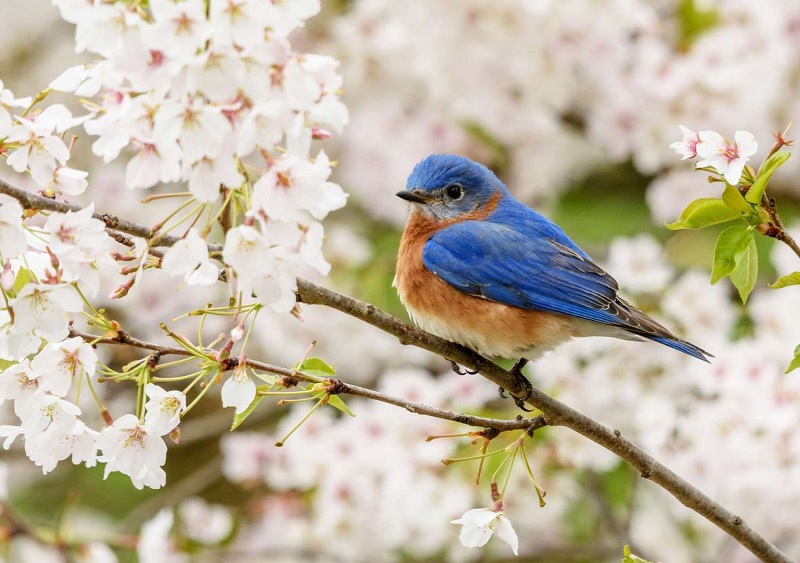
The foundation of any bird-friendly yard starts with thoughtful landscaping. Native plants are a top choice because they naturally support local bird species by offering familiar food sources and shelter. Trees, shrubs, and flowering plants provide places to nest, rest, and feed.
Dense hedges can attract smaller birds looking for cover, while tall trees may appeal to woodpeckers or doves. Adding layers—such as ground cover, mid-sized shrubs, and canopy trees—creates a diverse habitat that can support a range of species. Avoid using pesticides and herbicides, as they harm the insects birds rely on for food.
Safe Feeding Practices
Bird feeders are a great way to attract birds, but they must be maintained with care. Choose quality seed that suits your local bird species, and clean feeders regularly to prevent mold and disease. Position feeders in safe spots—ideally near shrubs or trees to offer birds protection from predators. Fresh water is just as important as food. A birdbath with clean water can make your yard even more appealing. During colder months, consider using a heated birdbath to keep water accessible.
Be mindful not to overfeed or place too many feeders close together, as this can lead to crowding and increase the risk of disease transmission. Monitoring the number and behavior of birds at your feeders helps maintain a healthy balance.
Humane Deterrents for Overcrowding
Sometimes, too many birds can become a problem. Overcrowding can lead to aggressive behavior, excessive droppings, and damage to plants or structures. In these cases, humane deterrents can help restore balance. Reflective objects like wind chimes, aluminum foil strips, or bird-safe deterrent tape can discourage certain species without harming them. Reducing the number of feeders or switching feeding locations may also help disperse the population.
You can also limit access to certain parts of your yard by using netting or installing motion-activated sprinklers that safely scare birds away. The goal is not to drive birds out entirely, but to prevent overcrowding while maintaining a healthy environment for all species.
With the right strategies, you can enjoy the presence of birds without letting things get out of hand. Creating a balanced habitat benefits not just birds—but your entire backyard ecosystem.
Frequently Asked Questions
What Does It Mean When A Lot Of Birds Are In Your Yard?
Seeing a large number of birds in your yard can mean several things. Most commonly, it suggests your outdoor space offers food, water, or shelter that birds find appealing. Seasonal migrations may also cause sudden spikes in bird activity. Birds might be stopping by to rest, feed, or seek safety. In some spiritual beliefs, their presence is seen as a sign of change, messages from the universe, or visits from loved ones. Paying attention to their behavior, species, and timing can give you a clearer idea of why they’re gathering.
Could Birds Be Attracted By Something Specific In Your Yard?
Yes, birds are often drawn to specific features in a yard. Bird feeders, fruiting trees, blooming flowers, or areas rich in insects can easily attract a variety of species. A clean water source like a birdbath or pond also makes your yard more appealing. Dense shrubs, tall trees, or nesting boxes can offer shelter and make your space a safe haven for resting or breeding.
Is A Sudden Increase In Birds A Cause For Concern?
A sudden increase in birds is usually not a problem and can be perfectly normal during migration seasons. However, if birds appear sick, act strangely, or multiple birds die in a short time, it could indicate disease or environmental issues. It’s a good idea to monitor their behavior and check your yard for potential hazards. In rare cases, you may need to contact a wildlife expert if the situation seems unusual or harmful.
Can Large Numbers Of Birds Indicate Environmental Changes?
Yes, birds are highly sensitive to environmental shifts. Habitat destruction, weather changes, or urban development nearby can displace birds and push them into new areas. If nearby natural habitats have been altered, your yard may become a temporary refuge. Birds are excellent indicators of ecological health, so a change in their patterns can sometimes reflect broader environmental issues.
How Can You Manage Or Control Bird Activity In Your Yard?
To manage bird activity, start by maintaining a clean and balanced environment. Offer food and water safely, clean feeders regularly, and avoid overfeeding to prevent overcrowding. If there are too many birds, reduce feeding areas or use humane deterrents like reflective objects or motion-activated sprinklers. Creating natural balance with native plants and varied landscaping can help attract the right number of birds without overwhelming your space.
Conclusion
Birds gathering in your yard can be a beautiful and meaningful experience. Their presence often points to the availability of food, water, shelter, or natural migration patterns, making your yard an important stopover in their daily lives. Beyond the practical reasons, many cultures and individuals find spiritual or symbolic significance in these gatherings.
While most bird activity is harmless and even beneficial, paying attention to their behavior can help you spot potential issues like disease or overcrowding. By understanding what draws birds to your space and how to manage their presence thoughtfully, you create a harmonious environment that supports local wildlife and enriches your connection to nature. Embrace the lively energy birds bring and enjoy the unique stories they tell.